The Sacred and the Practical: Why Volcanic Stone is the Foundation of Balinese Architecture
By Jaya Construction BaliAugust 27, 20267 min read
In this article
Nestled within the verdant landscapes of Indonesia, the architecture of Bali presents a unique and profound dialogue between human creation and the natural world. While international attention often focuses on the dramatic thatched roofs and serene water gardens of Balinese structures, the true silent protagonist of this architectural narrative is volcanic stone. Known locally as paras or batu candi, this material is far more than a mere building component; it is the physical and spiritual bedrock of Balinese design. Its use is a testament to a culture that has seamlessly woven practicality, spirituality, and artistic expression into the very fabric of its built environment. Understanding why volcanic stone is so prevalent and revered is essential to appreciating the holistic philosophy of Balinese architecture.
A Gift from the Island of the Gods: Geological and Cultural Context
Bali’s identity is inextricably linked to its volcanic landscape. The island is part of the Pacific Ring of Fire, dominated by the sacred Mount Agung and the active Mount Batur. This geology is not a backdrop but a foundational element of life. For centuries, eruptions have blanketed the island in layers of soft volcanic ash and tuff, which, over time, solidify into a readily available, workable stone. This abundance made it the logical first choice for construction in a region where other conventional building materials like hardwoods and non-local stone were scarce or expensive.
However, the choice transcends mere availability. In Balinese Hinduism and animist traditions, the universe is a balance of cosmic forces, and the land is alive with spiritual energy. Mount Agung is considered the earthly replica of Mount Meru, the axis mundi or center of the universe in Hindu cosmology. Therefore, the stone born from the volcano is inherently sacred, a direct manifestation of the island’s divine geology. Using it in temple and house construction is an act of grounding a structure in the sacred essence of the island itself, creating an immediate and tangible connection between the built form and the spiritual realm.
The Unbeatable Properties of Volcanic Stone: A Builder’s Ideal Material
Beyond its cultural significance, volcanic stone possesses a suite of physical properties that make it remarkably suited to Bali’s tropical environment and construction needs.
1. Superior Workability and Texture:
Unlike hard, crystalline igneous rock like granite, volcanic tuff is relatively soft when first quarried, allowing Balinese artisans to carve it with extraordinary detail using simple hand tools. This ease of carving is fundamental to the intricate ornamentation that defines Balinese architecture. Friezes, temple gates (candi bentar), sacred statues (arca), and elaborate wall panels can be shaped with precision. As the stone is exposed to air, it gradually hardens, a process that locks in the delicate carvings and increases the structure’s durability over time. The natural, slightly porous texture also gives it a distinctive, soft aesthetic that ages gracefully, developing a patina of moss and lichen that integrates the building further into the tropical landscape.
2. Remarkable Durability in a Harsh Climate:
Bali’s climate is characterized by intense humidity, torrential monsoon rains, and strong sunlight. Volcanic stone excels in these conditions. It is highly resistant to moisture and salt air, preventing the rapid decay and rot that affects wood and other organic materials. Its thermal mass also helps regulate interior temperatures; the stone absorbs heat during the day and releases it slowly at night, contributing to passive cooling in traditional homes. This inherent durability means that structures built with paras stone, especially sacred temple compounds, are built to last for generations, withstanding the test of time and climate.
3. A Unifying Aesthetic Element:
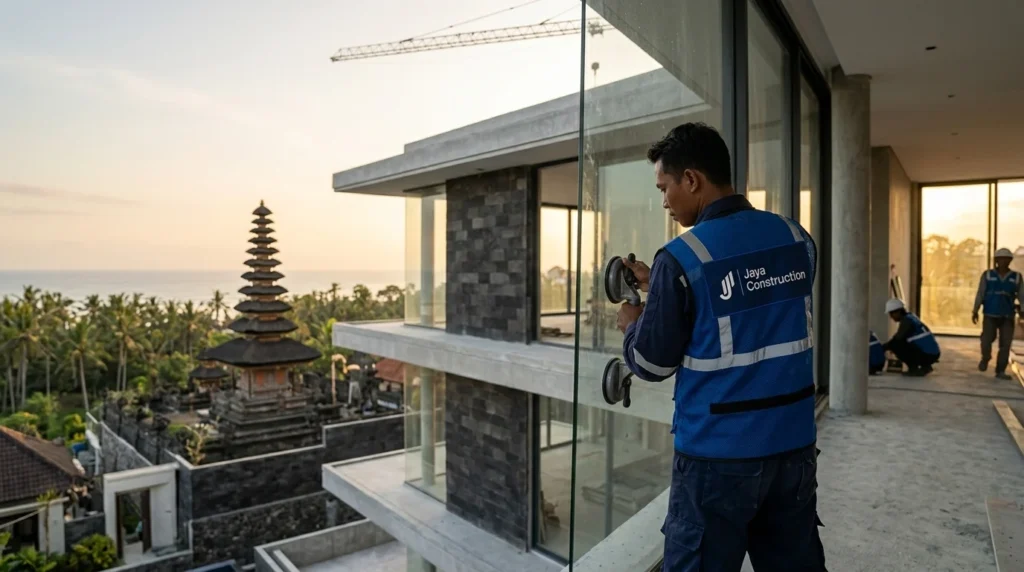
The color palette of Balinese volcanic stone ranges from soft greys and creams to dark charcoal and even earthy reds. This spectrum allows for architectural harmony. A single temple complex might use lighter stone for the main shrines to symbolize purity and closeness to the heavens, while using darker, harder stone for the foundational walls and aling-aling (privacy screens). The stone’s matte finish absorbs light rather than reflecting it harshly, creating a sense of calm, gravity, and solemnity that is perfect for both sacred spaces and residential compounds. It acts as a neutral, earthy canvas upon which the vibrant colors of ceremonial offerings, woven textiles, and lush vegetation can stand out dramatically.
Spiritual Embodiment: Stone as a Conduit to the Divine
In Balinese cosmology, architecture is not about enclosure but about creating a microcosm of the universe that facilitates balance between the spiritual and physical worlds. Volcanic stone is central to this endeavor.
Temples (pura) are meticulously designed as Mandala-like spaces divided into three zones: the outer, profane yard (jaba); the middle, transitional yard (jaba tengah); and the inner, holiest sanctum (jeroan). The progression through these spaces is marked by towering split gates (candi bentar), often crafted from massive, intricately carved blocks of volcanic stone. These gates are not merely entrances; they are symbolic thresholds between the mundane world and the divine realm. The act of passing through them is a spiritual transition, facilitated by the sacred material from which they are made.
Furthermore, the carved motifs are not merely decorative; they are a visual language of religious narratives, protective symbols, and cosmic order. Stone demons (bhoma), mythical lions (singha), and scenes from the Hindu epics the Ramayana and Mahabharata are meticulously rendered into the stone walls. These carvings serve as constant spiritual reminders, educational tools, and protective wards. The stone itself, holding these stories and energies, becomes an active participant in the ritual life of the community, not just a passive structure.
From Grand Temples to Humble Homes: The Versatility of Application
The use of volcanic stone is remarkably versatile, scaling from the monumental to the domestic.
In grand temple compounds like Besakih (the “Mother Temple”) on the slopes of Mount Agung, it forms the tiered courtyards, towering meru (multi-tiered shrines), and ancient gateways. Its strength and sacredness support the weight of both physical structures and immense spiritual significance.
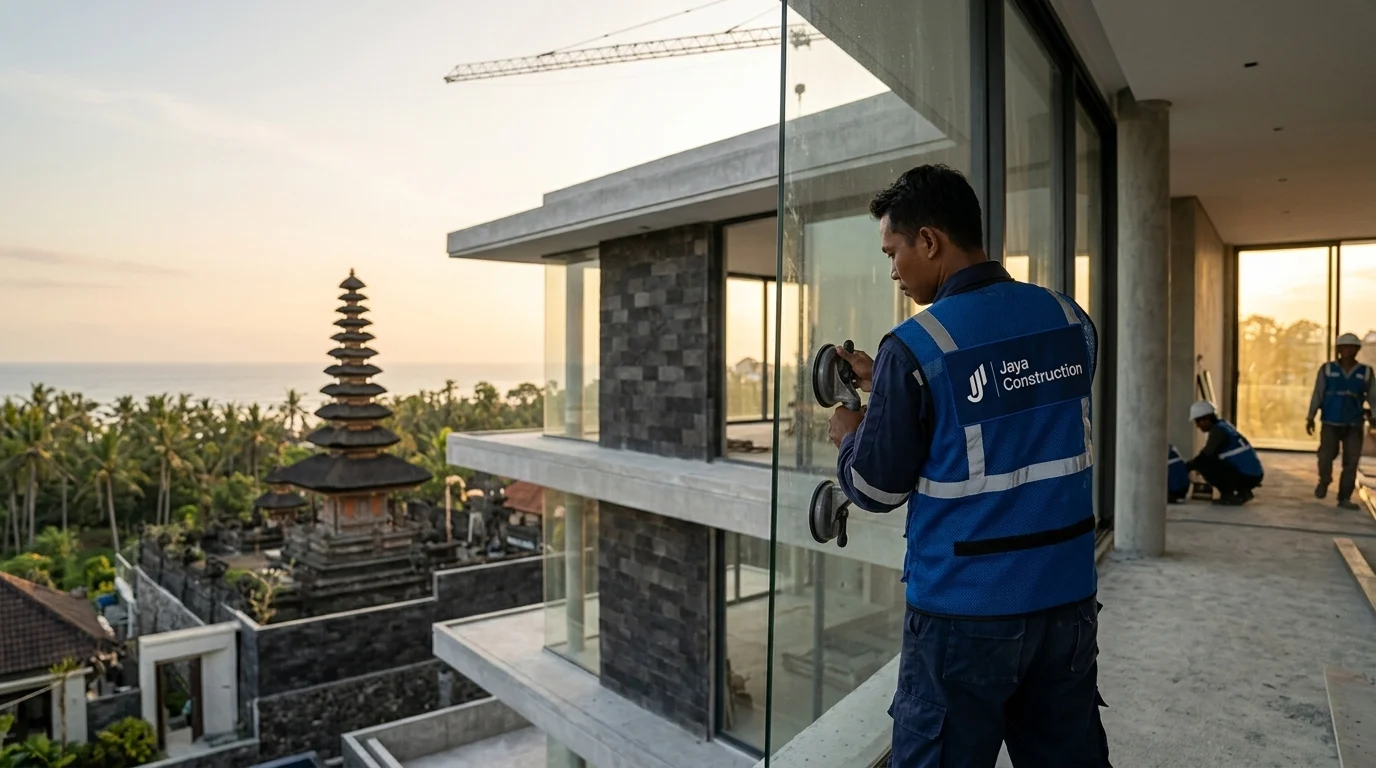
In traditional Balinese residential compounds (kuren or rumah adat), the stone is used more discreetly but no less importantly. It forms the high perimeter walls that demarcate the family’s sacred space. Within the compound, the stone is used for the family shrine (sanggah or pamerajan), the most important architectural element. Even in humble homes, a carved volcanic stone shrine is essential, a direct line of communication with ancestors and gods. The stone may also be used for foundational supports, garden walls, and water features like fountains and baths, seamlessly integrating the sacred and the everyday.
The Living Material: Aging, Weathering, and Continuity
One of the most profound aspects of volcanic stone in Balinese architecture is its acceptance and celebration of aging. Unlike modern materials that are designed to remain pristine, paras stone is expected to weather. Rain streaks it, moss grows in its pores, and its edges soften. This process is not seen as degradation but as the building becoming one with its environment, achieving a state of harmony and maturity. An old temple gate, covered in green moss and softened by time, is considered more beautiful and spiritually potent than a newly carved one. This philosophy represents a deep understanding of impermanence (anicca) and the beauty of natural cycles, core tenets of Balinese worldview.
Modern Challenges and Enduring Legacy
In contemporary Bali, the tradition of using volcanic stone faces pressures from modernization, tourism development, and environmental concerns. Mass-produced concrete and imported ceramics are sometimes used as cheaper, faster alternatives. However, a strong cultural counter-movement persists. Master stone carvers (sangging) are still revered, and their skills are passed down through families. There is a growing awareness, both locally and internationally, that the use of authentic volcanic stone is critical for preserving the architectural integrity, spiritual authenticity, and unique cultural landscape of Bali.
Sustainable quarrying practices are being discussed to mitigate environmental impact, recognizing that the resource is as sacred as the architecture it creates. In high-end resort and villa design, which often draws from Balinese aesthetics, there is a conscious choice to use local volcanic stone to ensure authenticity and support local artisanal economies.
Conclusion
The prevalence of volcanic stone in Balinese architecture is a phenomenon that cannot be reduced to a single cause. It is the perfect confluence of geological necessity, practical superiority, and profound spiritual symbolism. Born from the sacred volcanoes that define the island, shaped by the hands of artisans into vessels of story and spirit, and weathered by the tropical climate into a seamless part of the landscape, this material is the very essence of Balinese design philosophy. It embodies the core principle of *Tri Hita Karana*—harmony with God, with other people, and with nature. In every carved demon, every moss-covered wall, and every towering temple gate, volcanic stone tells the story of a culture that builds not just upon the earth, but in conscious, respectful, and beautiful dialogue with it. It is, in the truest sense, the foundation upon which the spiritual and physical worlds of Bali are unified.
 By Jaya Construction Bali August 27, 2026
7 min read
By Jaya Construction Bali August 27, 2026
7 min read