Back to the journal
Construction insights
How to Build a Surf Camp in Bali: A Comprehensive Guide
 By Jaya Construction Bali November 1, 2026
8 min read
By Jaya Construction Bali November 1, 2026
8 min read
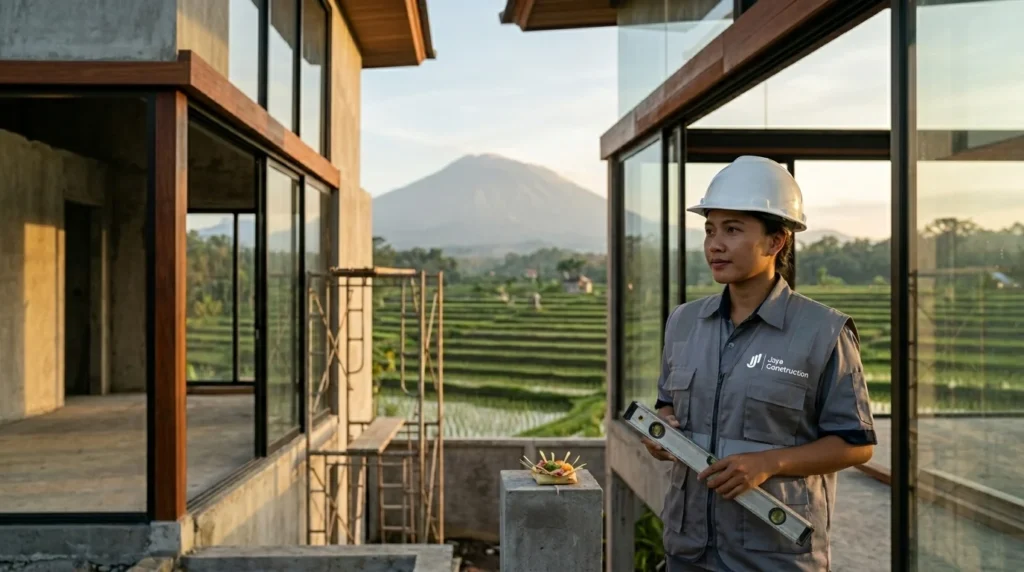
Bali, the fabled “Island of the Gods,” is more than just a spiritual and cultural haven; it is a global epicenter for surfing. With its consistent swells, warm waters, and vibrant community, the island attracts wave-riders of all levels, from wide-eyed beginners to seasoned pros. This magnetic pull has created a thriving market for surf tourism, making the dream of opening a surf camp here a lucrative and exciting prospect. However, transforming this dream into a sustainable and successful business requires meticulous planning, deep cultural understanding, and a commitment to quality. This guide provides a step-by-step roadmap to navigate the complexities of building your own surf camp in Bali.
The vision is seductive: waking up to the sound of the ocean, sharing the stoke of a perfect wave with guests, and running a business in paradise. While the lifestyle is indeed exceptional, building a surf camp is a serious entrepreneurial endeavor. It blends hospitality, tourism, sports instruction, and community engagement. Success hinges on respecting Balinese culture, navigating its legal frameworks, and delivering an authentic, safe, and memorable experience. Before you scout locations or design logos, you must shift your mindset from that of a tourist to that of a local business owner dedicated to long-term, responsible growth.
This initial phase is the most critical. Cutting corners here can result in insurmountable legal and financial problems down the line.
First, conduct thorough market research. Analyze the existing competition: what do they offer, at what price point, and to whom? Identify gaps in the market. Are you targeting luxury retreats, budget-conscious backpackers, family-friendly experiences, or advanced surf coaching? Defining your niche will inform every subsequent decision, from location and facilities to marketing and pricing. Your unique selling proposition (USP) is what will set you apart in a crowded market.
A detailed business plan is your blueprint. It should outline your:
This is where professional guidance is essential. You will need:
Your camp’s physical space is the container for the experience you wish to create.
Location is paramount. Consider:
The design should reflect Balinese aesthetics and prioritize comfort and functionality. Think open-air living spaces, communal areas that foster interaction, and private sanctuaries for rest. Incorporate sustainable design principles from the outset. Use locally sourced materials like bamboo and volcanic stone, implement rainwater harvesting, install solar panels where possible, and create efficient waste management systems. This isn’t just ethical; it’s increasingly a demand from discerning travelers.
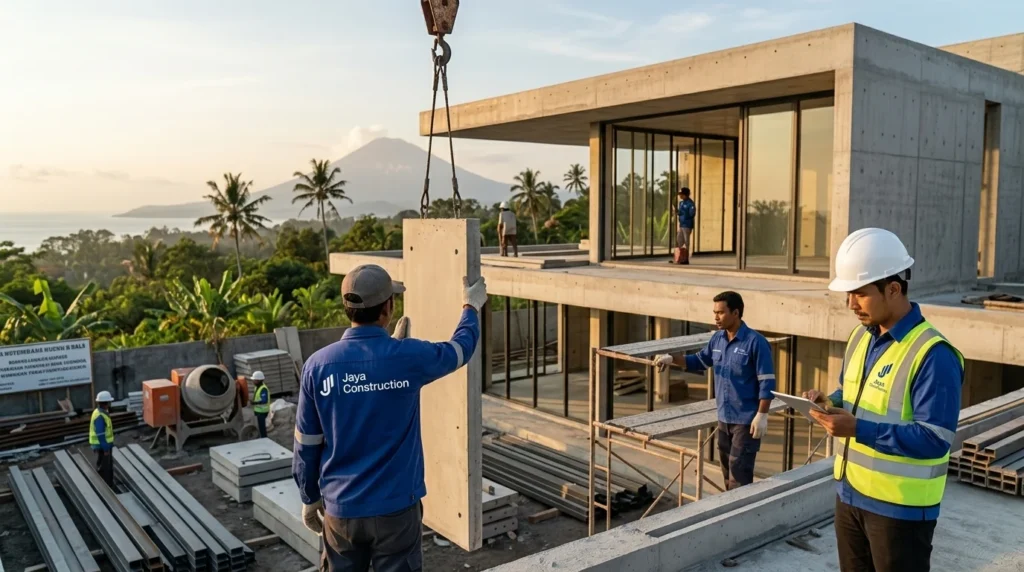
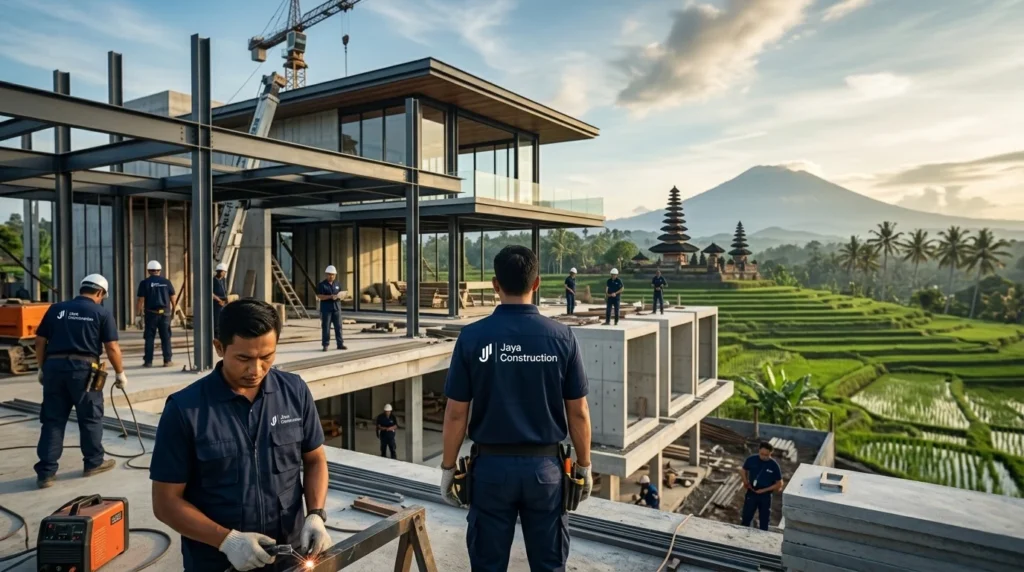
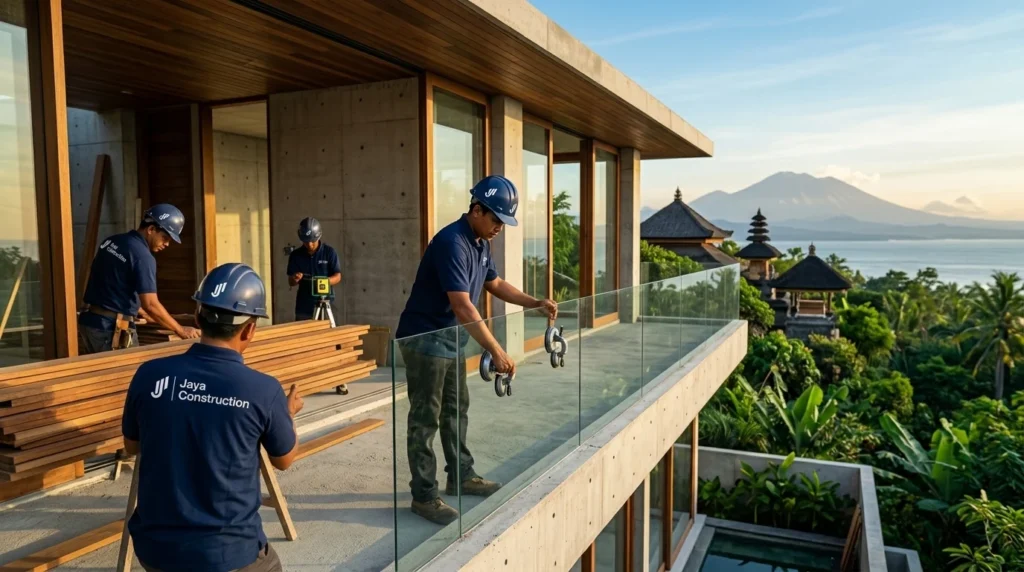
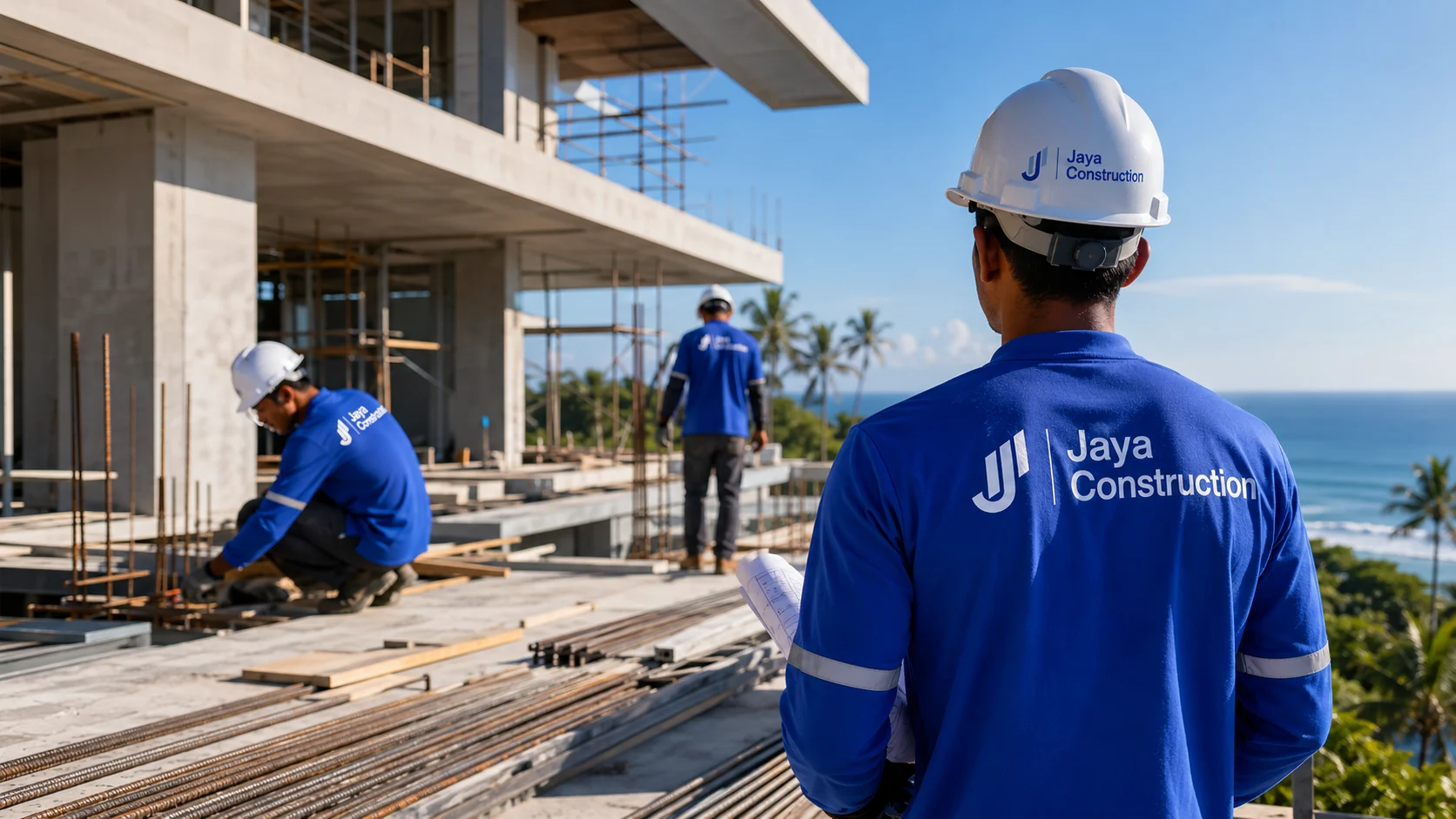
Hiring a reputable local contractor familiar with Balinese building techniques and regulations is vital. Ensure all construction strictly adheres to the permits obtained. The process in Bali can be slower and more fluid than in Western countries, requiring patience and strong project management. Regular on-site supervision is key to ensuring your vision is executed correctly and on budget.
This is the heart of your business—the surf experience itself.
Your surf instructors are your ambassadors. They must be certified (ISA, ASI, or equivalent), patient, articulate, and passionate. Prioritize hiring experienced local Balinese surfers whenever possible. They possess unparalleled knowledge of local breaks, currents, and etiquette, and their inclusion fosters community goodwill. Provide continuous training in safety, first aid, CPR, and customer service.
Develop a structured yet flexible program. A typical day might include:
Offer packages for various durations (e.g., 3-day intro, 7-day immersive retreat) and consider specialized weeks (women’s surf, photography camps, advanced coaching).
Your camp needs to be a comfortable basecamp. Ensure you have:
A great camp in a hidden corner will struggle without a strategic approach to reaching its audience.
Your brand story is what connects with potential guests emotionally. Are you the laid-back family haven? The hardcore coaching academy? The eco-luxe wellness retreat? Weave this narrative through your website, social media, and all communications. High-quality photos and videos of your location, facilities, and guests in action are non-negotiable.
A dynamic online presence is your primary sales channel.
Long-term success depends on being a respectful and contributing member of the local community. This means:
Once operational, the focus shifts to maintaining profitability and planning for the future.
Use accounting software to meticulously track all income and expenses. Monitor key performance indicators (KPIs) like occupancy rate, average revenue per guest, and customer acquisition cost. The tourism industry in Bali is seasonal; manage your cash flow to survive slower periods.
Your reputation is everything. Encourage and listen to guest feedback through reviews and direct conversations. Implement systems to act on constructive criticism. Exceptional, personalized service turns first-time guests into lifelong advocates for your camp.
The market evolves. Stay ahead by continually improving your offerings. This could mean adding advanced coaching certifications, partnering with a yoga master for retreats, developing a line of sustainable merchandise, or even considering a second location in another part of Indonesia.
Building a surf camp in Bali is an endeavor that intertwines entrepreneurship with a deep connection to the ocean and a vibrant culture. It is a challenging journey that demands resilience, cultural intelligence, and a genuine passion for sharing the joy of surfing. However, the rewards are profound. You will create a space where personal transformation happens—where strangers become friends over shared waves, where confidence is built on the board, and where the magic of Bali seeps into every moment. By laying a solid legal and financial foundation, designing a mindful and functional space, crafting an exceptional surf program, and operating as a responsible community member, you can build not just a successful business, but a cherished destination that stands the test of time. The waves are waiting. It’s time to build your camp.
Share your site, plans, priorities, or questions. Our team can help turn early information into a practical construction path.