How to Build a Beach Club in Bali: A Comprehensive Guide to Paradise Found
By Jaya Construction BaliNovember 2, 20269 min read
In this article
Bali, the Island of the Gods, is more than just a destination; it’s a global epicenter of tropical luxury, surf culture, and vibrant nightlife. Nestled along its sun-drenched coastlines, from the iconic sunsets of Seminyak and Canggu to the crystalline waters of Nusa Dua and the emerging gems in Uluwatu, the beach club has become a quintessential part of the island’s allure. These venues are not merely places to swim and sip cocktails; they are meticulously crafted lifestyle experiences, blending stunning design, world-class hospitality, and the unparalleled beauty of the Balinese landscape. For entrepreneurs, investors, and visionaries, building a beach club in Bali represents the pinnacle of a hospitality dream. However, transforming this dream into a thriving reality requires navigating a complex tapestry of local regulations, cultural sensitivities, intense competition, and operational excellence. This comprehensive guide will walk you through the essential phases of conceptualizing, building, and launching a successful beach club in one of the world’s most coveted markets.
Phase 1: Conceptualization and Strategic Planning
Before a single sketch is drawn, the foundation of your project must be laid with rigorous planning. This initial phase is about defining your vision and ensuring its viability in the Balinese context.
Defining Your Core Philosophy and Niche
The Balinese beach club market is saturated, from high-energy party venues to serene wellness retreats. Your first task is to carve out a distinct identity. Ask fundamental questions: What is the core experience you are selling? Is it a chic, adults-only sunset lounge with resident DJs, a family-friendly dayclub with expansive pools and kids’ zones, or a wellness-focused sanctuary offering yoga, healthy cuisine, and spa treatments by the sea? Study the competition meticulously. Visit the major players in your target area. Analyze their strengths, weaknesses, pricing, and clientele. Your concept should either fill a gap in the market or present a superior, more compelling version of an existing model. Your core philosophy will guide every subsequent decision, from architecture to menu design.
Market Research and Location Analysis
Location is the single most critical factor in a beach club’s success. Your research must go beyond just a “beachfront plot.” Consider:
Accessibility: Is the location easily reachable for tourists and residents? What is the traffic situation?
Beach Quality: Is the sand clean? Is the water suitable for swimming, or is it a surf beach with strong currents?
View Corridor: Are the sunset views unobstructed? Is there visual pollution from nearby developments?
Zoning and Permitting: This is non-negotiable. Certain coastal areas are zoned strictly for tourism, while others have restrictions on commercial construction. Engaging a local legal consultant from the outset is imperative.
Complementary Businesses: Proximity to high-end villas, boutique hotels, and other attractions can provide a steady flow of customers.
Financial Modeling and Securing Capital
Building a beach club is a capital-intensive venture. Develop a detailed financial model that includes:
Land Acquisition/Lease Costs: Foreigners cannot own freehold land (Hak Milik) in Bali. You will need to secure a long-term leasehold (Hak Sewa) or establish a foreign-owned company (PT PMA) with a nominee arrangement for land rights, which requires careful legal structuring.
Construction and Design Costs: These can escalate quickly in Bali’s unique environment.
Pre-Opening Costs: Marketing, staffing, licensing, and operational setup.
Operating Capital: You should have funds to cover at least 12-18 months of operational costs post-opening, as it takes time to build a brand and achieve profitability.
Contingency Fund: Unforeseen delays and cost overruns are common. A 15-20% contingency is prudent.
Securing funding often involves a mix of personal capital, private investors, or partnerships. A solid, data-driven business plan is your key tool for attracting investment.
Phase 2: Legal, Regulatory, and Financial Groundwork
This is the most daunting phase for many foreign entrepreneurs. Navigating Indonesian bureaucracy requires patience, local knowledge, and impeccable documentation.
Establishing a Legal Entity
For foreign investment, setting up a PT PMA (Penanaman Modal Asing) is the standard and recommended route. This allows for legal ownership of the business (though not the land itself). The process involves obtaining approval from the Indonesian Investment Coordination Board (BKPM), drafting articles of association, and registering with the Ministry of Law and Human Rights. The process can take several months. Crucially, the PT PMA structure will dictate your investment and ownership percentages.
Securing Land and Lease Agreements
With your legal entity established, you can now enter into a leasehold agreement for the land. This contract is the lifeblood of your project and must be drafted by a bilingual legal expert experienced in Indonesian property law. Key terms include:
Lease Duration: Typically 25-30 years, with options to extend.
Upfront Payment and Annual Fees: Often a significant lump sum is paid upfront.
Building Rights: The agreement must explicitly grant you the right to build permanent structures.
Exit and Renewal Clauses: Clearly define terms for renewal and what happens to your investment upon lease expiration.
Navigating the Permit Labyrinth
Obtaining the necessary permits is a marathon, not a sprint. The primary licenses include:
Location Permit (Izin Lokasi): From the local regency (Kabupaten) or city government.
Environmental Permit (AMDAL/UKL-UPL): An environmental impact assessment is mandatory. Given the coastal location, this is highly scrutinized.
Building Permit (PBG – Persetujuan Bangunan Gedung): The main construction permit, now unified under this system.
Operational Licenses: Including Business License (NIB), tourism operations license, and specific licenses for alcohol and entertainment.
Engaging a notaris and a specialized permit consultant is not an expense; it’s an essential investment to avoid catastrophic delays and legal issues.
Phase 3: Design, Architecture, and Construction
This is where your vision begins to take physical form. Balinese design offers a unique blend of traditional aesthetics and contemporary luxury.
Embracing Balinese Aesthetics with a Modern Twist
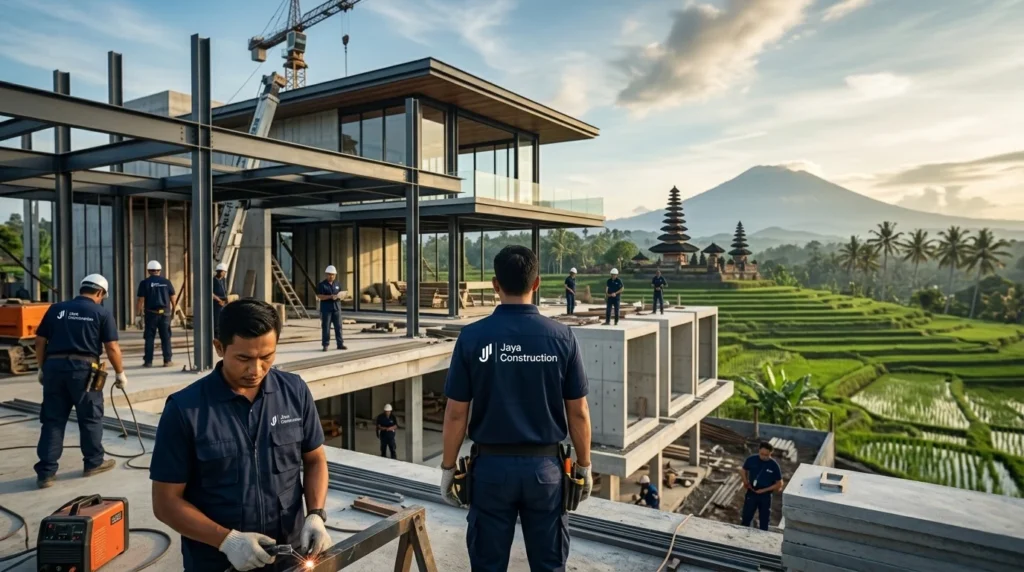
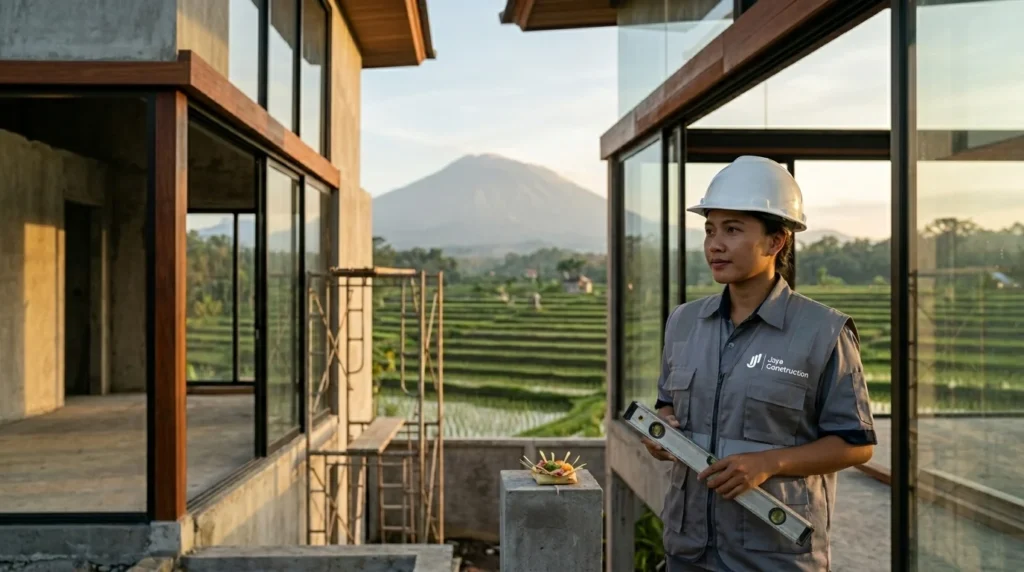
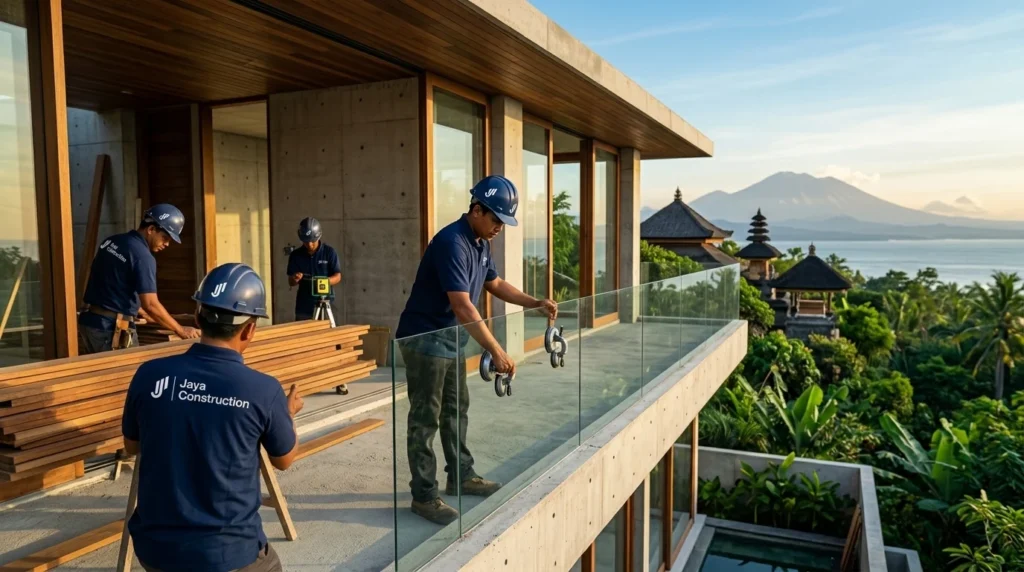
Successful beach clubs in Bali don’t just impose a generic “tropical” look. They integrate elements of Balinese architecture and philosophy. This could involve using local materials like volcanic stone (paras), reclaimed teak wood, and alang-alang grass for roofing. The concept of Tri Hita Karana (harmony with God, other people, and nature) can be reflected in spatial layouts that flow seamlessly between indoor and outdoor areas, feature water elements, and create a sense of sacred space (parama). Work with architects and designers who have proven experience in high-end Balinese projects. The goal is to create a space that feels authentic yet sophisticated, Instagrammable yet comfortable.
Hiring the Right Team
Your project team is critical. You will need:
Architect & Interior Designer: Specialists in luxury hospitality.
Project Manager: To oversee daily operations on-site.
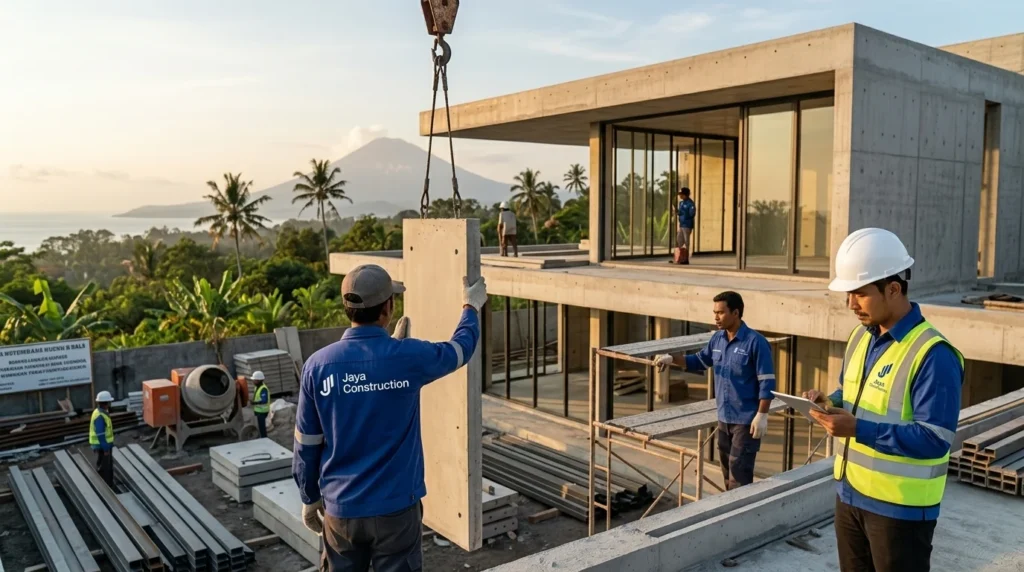
Main Contractor: A reputable firm with experience in constructing commercial properties in coastal environments. Vet them thoroughly, check past projects, and speak to previous clients.
Specialist Sub-contractors: For pools, MEP (Mechanical, Electrical, Plumbing), and landscaping.
Construction in a Tropical Climate
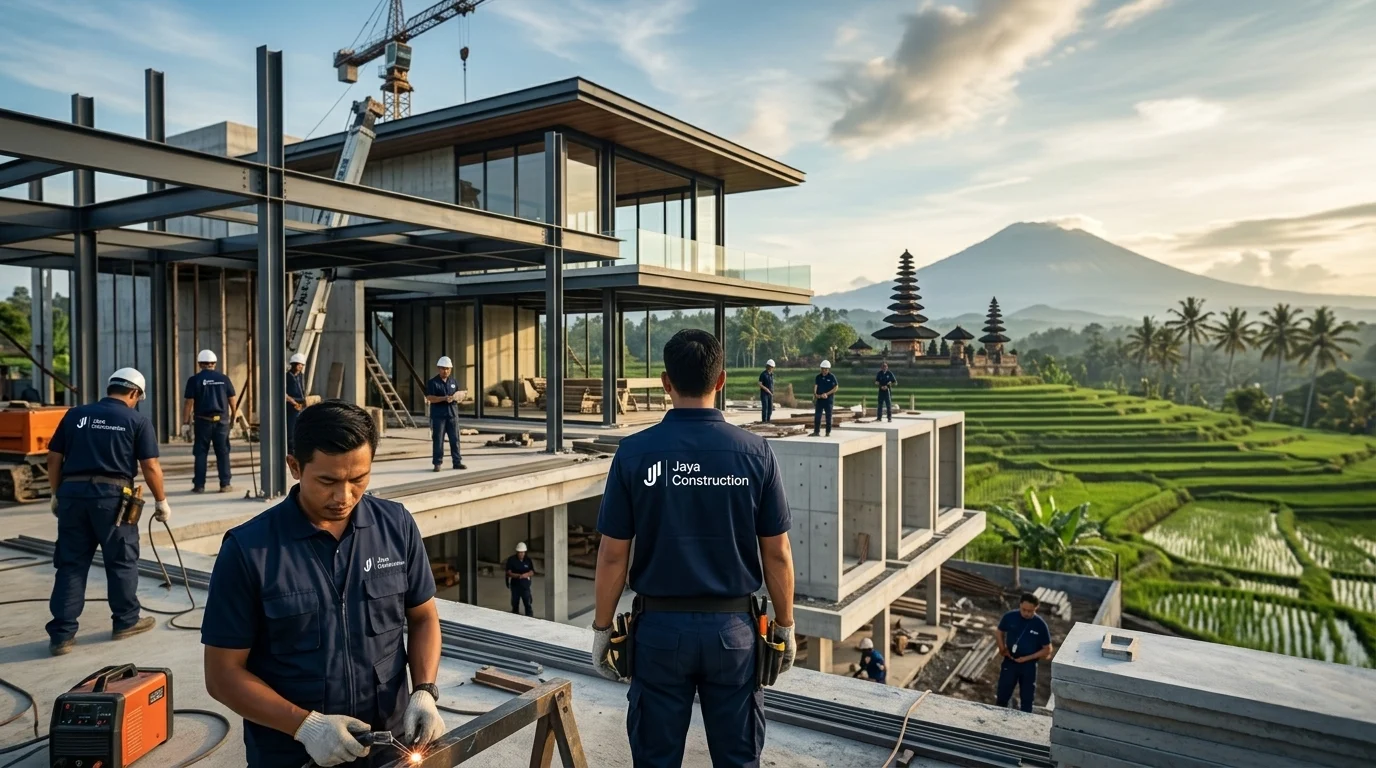
Building in Bali’s climate presents unique challenges. Foundations must be designed for sandy or uneven soil. Materials must resist humidity, salt air, and intense sun. Drainage and flood mitigation are paramount during the rainy season (October-April). Sustainable construction practices, such as using local materials and implementing water recycling systems, are not only environmentally responsible but can also be a strong part of your marketing narrative.
Phase 4: Operational Setup and Team Building
With the structure nearing completion, the focus shifts to the systems and people that will bring it to life.
Crafting the Food, Beverage, and Music Experience
The F&B offering is a major revenue driver and brand-builder.
Menu Development: Work with a skilled chef to create a menu that complements your concept—be it gourmet casual, authentic Indonesian, or globally inspired. Source ingredients locally where possible (e.g., seafood from Jimbaran, organic produce from Bedugul).
Beverage Program: A creative cocktail list, a smart wine selection, and quality coffee are essential. Bartenders should be as much performers as technicians.
Music and Entertainment: Curating the right soundscape is vital. This involves investing in a quality sound system, partnering with established DJs or live acts, and programming different vibes for daytime and sunset sessions. Understanding local noise ordinances is also crucial.
Building Your Brand and Marketing Strategy
Your brand should be evident in every touchpoint—from the logo and staff uniforms to the playlist and social media voice.
Pre-Launch Buzz: Start building anticipation 6-12 months before opening. Use professional photography and video of the construction progress. Collaborate with local influencers and travel media.
Digital Presence: A stunning, mobile-responsive website with easy online booking is mandatory. An active, visually-driven social media strategy (Instagram, TikTok, Facebook) is non-negotiable in this market.
Public Relations: Engage a PR agency with a strong network in the travel and hospitality industry to secure features in top-tier international and regional publications.
Assembling and Training the Team
Your staff are the ambassadors of your brand. Bali has a rich talent pool, but training is key. Focus on:
Hospitality Skills: Balinese people are naturally gracious, but structured training in service standards, upselling, and handling guest complaints is essential.
Brand Immersion: Every team member, from security to senior managers, must understand and embody the club’s philosophy.
Operational Training: Health, safety, and fire protocols, POS system operation, and cash handling procedures must be rigorous.
Phase 5: The Grand Opening and Beyond
The launch is a culmination of years of work, but it’s just the beginning of the operational journey.
Planning a Flawless Opening Event
Your opening should generate media coverage and social media buzz. Consider an exclusive, invite-only launch for influencers, media, and VIPs one day, followed by a public opening the next. Ensure the operation is polished—nothing damages a new brand faster than a chaotic, poorly managed opening.
Embracing Community and Sustainability
Long-term success depends on being a responsible member of the Balinese community. This includes:
Cultural Respect: Participate in local ceremonies (melukat), honor Nyepi (Day of Silence), and support the local Banjar (community council).
Environmental Stewardship: Implement waste reduction and recycling programs, eliminate single-use plastics, and support beach clean-ups. Consider partnerships with local environmental NGOs.
Sustainable Operations: Invest in solar energy, water filtration, and sustainable procurement.
Continuous Evolution and Adaptation
The market is dynamic. Regularly seek guest feedback, monitor reviews, and be prepared to adapt. Rotate your music and event offerings, refresh your menu, and constantly look for ways to enhance the guest experience.
Conclusion: Realizing the Dream with Diligence and Respect
Building a beach club in Bali is a monumental undertaking that blends high-stakes business with deep cultural immersion. It requires a vision that resonates with the island’s spirit, a meticulous plan grounded in legal and financial reality, and a design that honors its stunning environment. Success is not guaranteed by location alone; it is earned through obsessive attention to detail, unwavering commitment to service excellence, and a genuine respect for the island that serves as your stage. By following this structured approach—from the initial spark of an idea through the complexities of permits and the artistry of design to the daily rhythm of operations—you can build more than just a profitable business. You can create an iconic destination that contributes positively to Bali’s legendary landscape, offering an unforgettable slice of paradise for visitors from around the world. The journey is demanding, but the reward is the opportunity to etch your own story into the eternal tapestry of the Island of the Gods.
 By Jaya Construction Bali November 2, 2026
9 min read