Crafting Paradise: The Essential Guide to Designing a Perfect Tropical Pool in Bali
By Jaya Construction BaliSeptember 5, 20268 min read
In this article
Bali is not merely a destination; it is an experience woven from threads of natural beauty, spiritual tranquility, and timeless artistry. At the heart of this experience for many villa and resort owners, as well as discerning homeowners, is the tropical pool. More than just a place to swim, a well-designed Balinese pool is the soul of the outdoor living space—a serene oasis that harmonizes with the lush environment, reflects the island’s cultural identity, and provides a profound sense of escape. Designing the perfect one requires a thoughtful blend of aesthetics, functionality, and respect for the surrounding ecosystem. This guide will walk you through the essential principles and practical steps to create a pool that is not just a feature, but a true tropical sanctuary.
Understanding the Balinese Design Philosophy: Harmony with Nature
Before sketching a single line, it is crucial to internalize the guiding philosophy behind Balinese design. The core tenet is Tri Hita Karana, the concept of harmony between humans, nature, and the spiritual realm. This isn’t an abstract idea for your pool; it translates directly into design choices.
Your pool should not dominate the landscape but rather seem to emerge from it. It should work in concert with existing topography, mature trees, and natural water features. The goal is seamless integration, where the boundaries between the constructed and the natural world blur. This might mean curving the pool’s shape to avoid felling a cherished frangipani tree or incorporating a natural rock outcrop into the pool’s edge. The design should feel discovered, not imposed.
Master Planning: Site Analysis and Layout
The foundation of a perfect pool is meticulous site planning. This phase determines the pool’s ultimate success in terms of views, privacy, sunlight, and drainage.
Orientation and Views: Analyze the site from the primary living areas—the open-plan living room (bale) and the master bedroom. The pool should be positioned to be a focal point, offering captivating views from these key vantage points. Consider the path of the sun: a pool oriented to catch the afternoon sun will be warm for evening swims, but may require more shade solutions to prevent overheating. Balancing solar gain with shaded lounge areas is key.
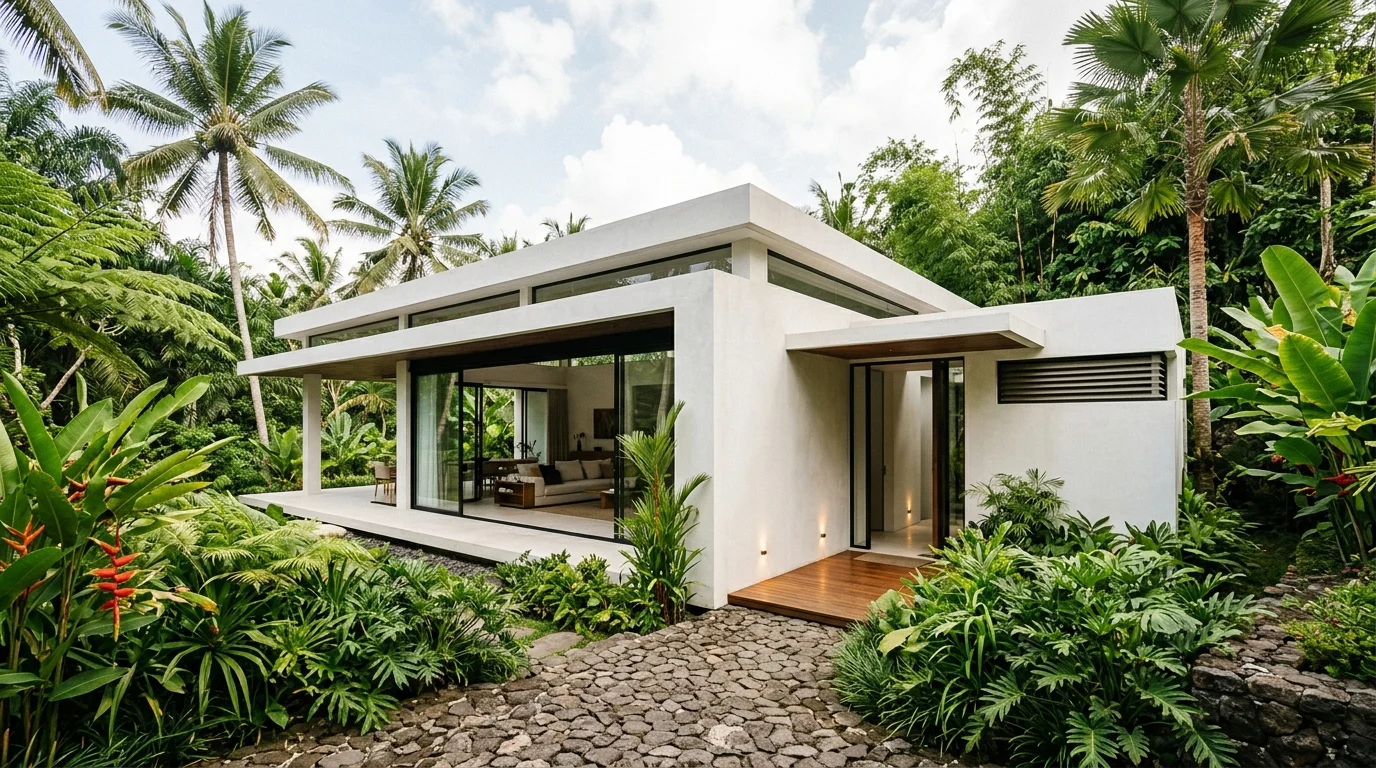
Integrating with Architecture: The pool’s style must echo the architectural language of the villa. A traditional limasan (Javanese wooden house) style structure calls for a pool with clean, geometric lines, perhaps adorned with carved stone borders. A modern tropical villa might suit an infinity pool with sharp, minimalist edges that disappear into the rice field vista. The pool deck and surrounding hardscape should use materials consistent with those used in the main building’s flooring and walls to create visual continuity.
Topography and Levels: Take full advantage of natural slopes. A gently sloping site is a gift for creating a stunning vanishing edge or infinity pool, where water appears to spill into the distant valley or ocean. Level sites can be artificially terraced, with the pool at a lower level connected by cascading water features and steps, creating a dynamic, multi-layered garden.
Key Design Elements: Shape, Depth, and Features
With the master plan in place, focus shifts to the specific design elements that define the pool’s character and usability.
Shape and Form: Forget rigid rectangles. The most captivating Balinese pools embrace organic, free-form shapes that mimic natural ponds and lagoons. Gentle curves, kidney shapes, or irregular outlines that weave around planting beds and boulders create a more naturalistic and visually interesting effect. However, if a contemporary style is desired, a sleek rectangular pool can be softened by breaking its symmetry with an attached jacuzzi, a sun shelf, or a detached lily pond.
Depth and Zoning: A single-depth pool is a missed opportunity. Design with distinct zones to enhance usability and visual appeal. A shallow wading pool or baja shelf (a large, sun-drenched step perfect for lounging in an inch of water) is essential for families and for placing sun loungers directly in the water. A medium-depth area serves general swimming, while a deeper section (1.8-2 meters) at the far end, perhaps with submerged seating or a swim-up bar, creates a dedicated area for true immersion and conversation. This zoning also improves water circulation.
Water Features: The Sound of Serenity: The auditory experience is as important as the visual. The gentle sound of flowing water masks ambient noise and induces a state of calm. Incorporate one or more natural water features. A spillover edge where water cascades over a natural stone wall into a collection trough is a classic Balinese element. A rain curtain or a series of stone spouts (known as pipa air) can mimic a gentle tropical shower. For drama, a cascading water wall or a series of overflow channels that lead to a lower garden pond can be spectacular.
Material Selection: Authenticity and Durability
The materials you choose will define the pool’s texture, color, and authenticity.
The Pool Interior Finish: Avoid glaring, bright blues or plain plaster. The goal is to create a lagoon-like effect. Dark-toned pebblecrete or polished aggregates in shades of charcoal, deep blue, or black are excellent choices. They absorb heat (making the water feel warmer), create a stunning reflective surface that mirrors the sky and surrounding greenery, and give the water a beautiful, natural deep color. For a luxurious touch, tadelakt (a waterproof lime plaster technique) or mosaic tiles in subtle, earthy tones can be used, but pebblecrete remains the most popular and effective for that tropical lagoon feel.
Decking and Surrounds: The pool deck must be non-slippery, comfortable to walk on barefoot, and aesthetically pleasing. Natural stone is the quintessential choice. Paras Kerobokan (a soft, grey volcanic stone) is ubiquitous and can be carved into intricate patterns. Sandstone or limestone offers a warmer palette. For a more rustic look, irregularly shaped flagstone set in gravel is beautiful. Wood decking, particularly teak or ironwood, is perfect for creating a warm, organic connection, especially for lounge platforms and bridges.
Edge and Coping Details: The edge treatment is a critical design detail. For a natural look, consider a cantilevered edge where stone slabs overhang the water, or a coped edge with thick, roughly hewn stone blocks. A dry-laid edge, where stones are set with gaps for plants to spill over, creates the most seamless integration with the garden. Avoid aluminum or plastic copings at all costs.
The Living Landscape: Planting for Immersion
A pool without lush, thoughtful planting is like a frame without a painting. Plants soften hard edges, provide shade, enhance privacy, and contribute to the tropical ambiance.
The Canopy Layer: Use large, architectural plants to create a sense of enclosure and dappled light. Coconut palms, traveler’s palms, and royal palms provide height and a quintessential silhouette. Frangipani (Plumeria) offers beautiful, fragrant flowers and a gnarled, sculptural trunk that looks magnificent reflected in the water.
The Mid-Layer and Understory: This layer provides texture and color. Giant taro (Alocasia macrorrhiza) with its huge, arrow-shaped leaves makes a bold statement. Bird of Paradise (Strelitzia) adds vibrant, exotic flowers. Heliconia and Anthurium provide intense color pops. Ferns, such as bird’s nest ferns and maidenhair ferns, thrive in the humid microclimate around the pool and soften rocky edges.
Groundcover and Edge Planting: Let plants creep over the pool’s edge. Creeping fig (Ficus pumila) will cover walls. Water jasmine and papyrus can be planted in shallow margins. In the water itself, consider a separate, integrated lily pond with lotus or water lilies, which adds unparalleled beauty and attracts dragonflies. Always consult a local landscape architect to choose species that are non-invasive, have root systems that won’t damage pool structures, and are suited to the specific light conditions of your site.
Practical Considerations: Systems and Sustainability
The unseen engineering is what ensures the pool is a pleasure, not a burden.
Filtration and Circulation: Invest in a high-quality, oversized sand or glass media filter. Given Bali’s tropical heat and frequent rain, which introduce organic matter, the system must be robust. Ensure multiple return jets are placed strategically to eliminate dead spots and ensure even chemical distribution and heat. A variable-speed pump is a wise investment for energy efficiency.
Water Treatment and Temperature: Chlorine is common, but consider a saltwater chlorination system, which produces softer, less harsh-feeling water. For ultimate luxury and a chemical-free approach, a natural swimming pool system using biofilters and aquatic plants is a growing, albeit more complex, trend. For temperature control, solar heating panels are sustainable and cost-effective for maintaining a comfortable 28-30°C.
Lighting: Pool lighting transforms the space at night. Avoid bright, uniform floodlighting. Instead, use a layered approach of subtle LED lights. Illuminate the pool from within using niche lights placed to create patterns. Use low-level landscape lights to uplight palm trees and feature plants, and place small, hidden spotlights on water features to make them sparkle after dark. The goal is a mysterious, inviting glow.
Conclusion: Creating a Living Masterpiece
Designing the perfect tropical pool in Bali is an exercise in holistic creation. It demands an appreciation for the island’s unique character—a blend of wild nature and refined culture. It requires moving beyond mere functionality to craft an experience that engages all the senses: the sight of light dancing on dark water, the sound of a gentle cascade, the feel of warm stone underfoot, and the fragrance of night-blooming jasmine.
By prioritizing seamless integration with the landscape, selecting authentic, natural materials, and planting with purpose, you create more than a swimming pool. You build a private lagoon, a reflective jewel, and a sanctuary for rest and rejuvenation. The perfect Balinese pool doesn’t just reflect the sky; it reflects the island’s spirit itself—a place of harmony, beauty, and endless tranquility. It becomes the living, breathing heart of your tropical paradise, inviting you to pause, breathe, and immerse yourself completely in the essence of Bali.
 By Jaya Construction Bali September 5, 2026
8 min read
By Jaya Construction Bali September 5, 2026
8 min read