Building Your Dream Villa in Bali: A Step-by-Step Guide to Navigating Paradise
By Jaya Construction BaliAugust 9, 20269 min read
In this article
The allure of Bali is undeniable—a tapestry of emerald rice terraces, sacred temples, and sun-drenched beaches that has captivated travelers for decades. For many, a fleeting visit isn’t enough; the dream is to own a permanent piece of this paradise. Building a custom villa in Bali represents the ultimate realization of that dream, allowing you to create a personal sanctuary tailored to your exact vision. However, this journey from fantasy to finished home is complex, weaving through legal, logistical, and cultural intricacies that differ vastly from building back home. This guide outlines the seven essential steps to navigate the process successfully, transforming your vision into a tangible masterpiece on the Island of the Gods.
Building a villa in Bali is not a standard real estate transaction or a simple construction project. It is an adventure that requires patience, meticulous planning, and a deep respect for the local culture and legal framework. The rewards—a stunning, personalized home in one of the world’s most desirable locations—are immense, but so are the potential pitfalls for the unprepared. Success hinges on a methodical approach, beginning long before the first brick is laid. By following these structured steps, you can mitigate risks, manage costs, and ensure the final result is everything you envisioned and more.
Step 1: Foundational Research and Vision Clarification
Before you even look at a piece of land, the most critical phase is introspection and education. This step is about defining your dream and understanding the ground rules.
Define Your Vision and Requirements: Start with a clear picture. What is the villa’s primary purpose? A personal holiday home, a rental investment property, or a permanent residence? The answer will profoundly influence design, location, and amenities. Consider the number of bedrooms and bathrooms, desired architectural style (modern minimalist, traditional Balinese, colonial, or fusion), and essential features like a pool, garden, yoga pavilion, or home office. Create mood boards, gather inspiration, and prioritize your non-negotiables.
Understand the Legal Landscape for Foreigners: This is arguably the most important piece of research. Indonesian law, specifically the Agrarian Law, does not grant freehold property ownership (Hak Milik) to foreigners. However, there are legal pathways to secure long-term control over a property. The most common are:
Leasehold (Hak Sewa): You lease the land and buildings for a set period, typically 25-30 years, with options to extend. This is the most straightforward and secure method for most foreign buyers.
Right to Use (Hak Pakai): A title that can be held by foreigners (and foreign-owned companies) for residential purposes on certain land types, usually with an initial 30-year term and extensions.
Establishing a Foreign-Owned Company (PT PMA): This allows the company to hold a Right to Build (Hak Guna Bangunan) title. It involves more bureaucracy and cost but can offer more flexibility for rental businesses.
Engaging a qualified, independent lawyer specializing in Indonesian property law is non-negotiable at this stage. They will explain the nuances and protect your interests throughout the entire process.
Financial Planning and Budgeting: Create a comprehensive budget that extends far beyond the construction quote. Factor in:
Land acquisition or lease costs.
Legal fees, notary fees, and due diligence costs.
Architectural and engineering design fees.
Government permits and taxes (including the 10% VAT on construction services).
Contingency fund (10-15% is strongly advised for unforeseen issues).
Furnishing, landscaping, and pool construction.
Ongoing operational costs if it’s a rental property (management, staff, maintenance).
Step 2: Assembling Your Professional Team
You cannot build a villa in Bali alone. Your success depends on the quality and integrity of the local team you assemble. This is your most valuable investment.
The Independent Lawyer: As mentioned, this is your first and most crucial hire. A good lawyer will conduct due diligence on land titles, draft and review contracts, navigate the permit process, and ensure all transactions are above board. Never use the same lawyer as the seller or developer; always hire your own.
The Architect and Designer: In Bali, the architect is often the lead project manager. Look for a firm with a portfolio that aligns with your aesthetic vision and, ideally, experience working with foreign clients. They will translate your ideas into technical drawings, ensure the design complies with local building codes, and manage the relationship with the construction team. A good architect will also advise on passive design principles suited to Bali’s tropical climate, such as orientation for wind flow, rainwater harvesting, and material choices that withstand humidity.
The Construction Company or Contractor: Select a contractor through references, site visits to past projects, and detailed interviews. Review multiple bids, but be wary of the cheapest option. Quality of materials, craftsmanship, and reliability are paramount. Ensure they are familiar with the permitting process and have a network of skilled subcontractors. A clear, detailed contract that outlines the scope of work, timeline, payment schedule (tied to milestones), and warranty terms is essential.
Step 3: Land Acquisition and Due Diligence
Finding the perfect plot is exciting, but the due diligence that follows is where dreams are secured or shattered.
Location Scouting: Work with your agent or architect to identify areas. Consider proximity to the beach, views, access to infrastructure (roads, water, electricity), and the neighborhood’s development potential. Popular areas like Canggu, Seminyak, and Ubud have different vibes, price points, and legal considerations.
Rigorous Due Diligence: This process, managed by your lawyer, verifies everything about the land. It includes:
Title Search: Confirming the land has a clean, marketable title (e.g., Hak Milik, Hak Sewa) and identifying the true owner (pemilik tanah).
Zoning Check (Rencana Tata Ruang): Ensuring the land is zoned for residential construction and checking for any height or density restrictions.
Boundary Survey: Commissioning a licensed surveyor to precisely mark the plot boundaries.
Encumbrance Check: Looking for any liens, disputes, or rights of way on the property.
Community and Environmental Check: Investigating any planned infrastructure projects nearby and confirming the land is not in a protected green zone (zona hijau) or prone to flooding.
Structuring the Deal: Based on the due diligence findings and your lawyer’s advice, decide on the ownership structure (Leasehold, Hak Pakai, etc.). Your lawyer will then draft or review the sale and purchase agreement, which should be notarized. Payments are typically made in stages through a notary escrow account for security.
Step 4: Architectural Design and Planning
With land secured, the creative process begins in earnest. This stage turns abstract ideas into executable blueprints.
Concept and Schematic Design: Work closely with your architect. This phase involves site analysis, conceptual sketches, and developing the floor plans, layout, and overall form of the villa. Consider how the structure integrates with the landscape—preserving mature trees, leveraging views, and creating indoor-outdoor living spaces that are quintessentially Balinese.
Design Development and Engineering: The schematic design is refined with detailed drawings, including structural plans, electrical layouts, plumbing systems, and material specifications. Engineers become involved to ensure the structure is sound and all systems are properly integrated. In Bali, incorporating sustainable features like solar panels, energy-efficient appliances, and greywater recycling is both ecologically responsible and increasingly common.
3D Visualizations: Modern architectural firms provide photorealistic 3D renderings and virtual walkthroughs. These are invaluable for making final decisions on finishes, furniture layouts, and spatial feel before construction begins, preventing costly changes later.
Step 5: Securing Building Permits (IMB/PBG)
This is the bureaucratic hurdle that requires patience. No construction can legally begin without the proper permits.
The Permit Package: Your architect or contractor will prepare the comprehensive submission package, which includes all the technical drawings, structural calculations, site plan, and proof of land ownership. This is submitted to the local village (desa adat) and regency/city (kabupaten/kota) authorities.
Key Permits:
Izin Lingkungan (Environmental Permit): A preliminary environmental assessment.
Persetujuan Bangunan Gedung (PBG): Formerly known as the IMB (Izin Mendirikan Bangunan), this is the main building permit confirming your design complies with building codes, zoning, and safety standards. The process can take several months and often involves site inspections. Be prepared for revisions to your plans as per the authorities’ requests.
Step 6: Construction Management and Quality Control
Breaking ground is a major milestone, but active oversight is now your most important role.
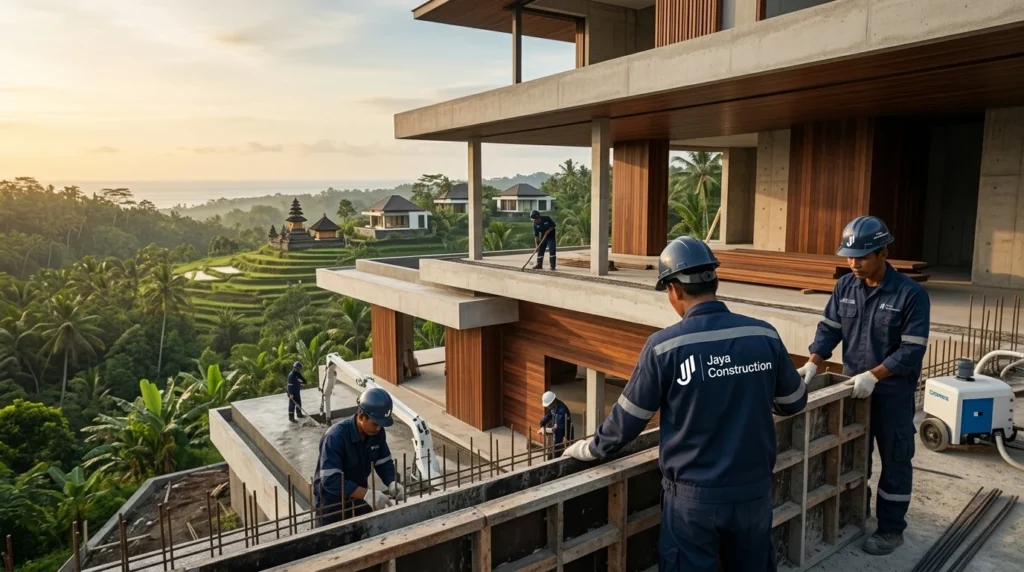
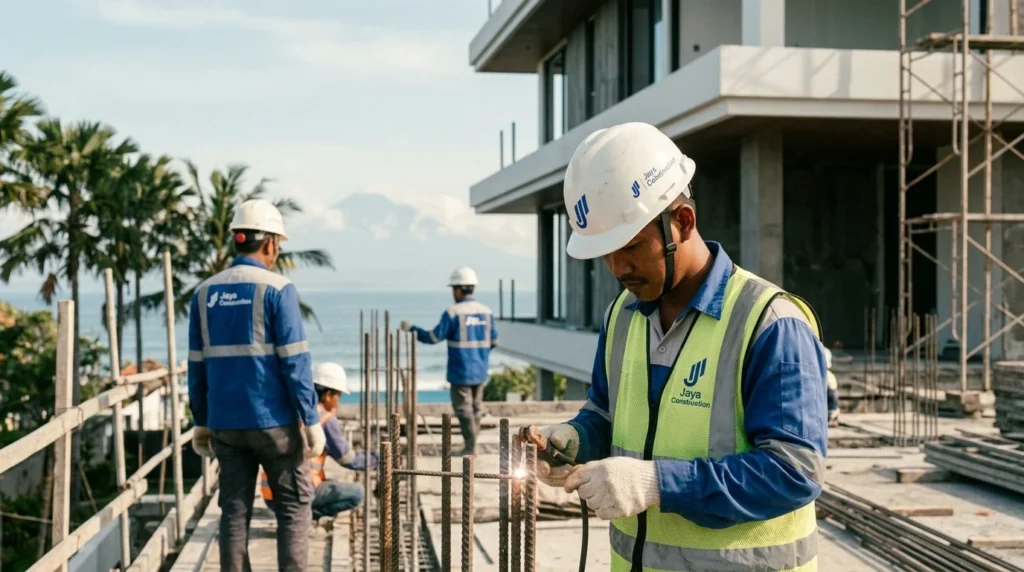
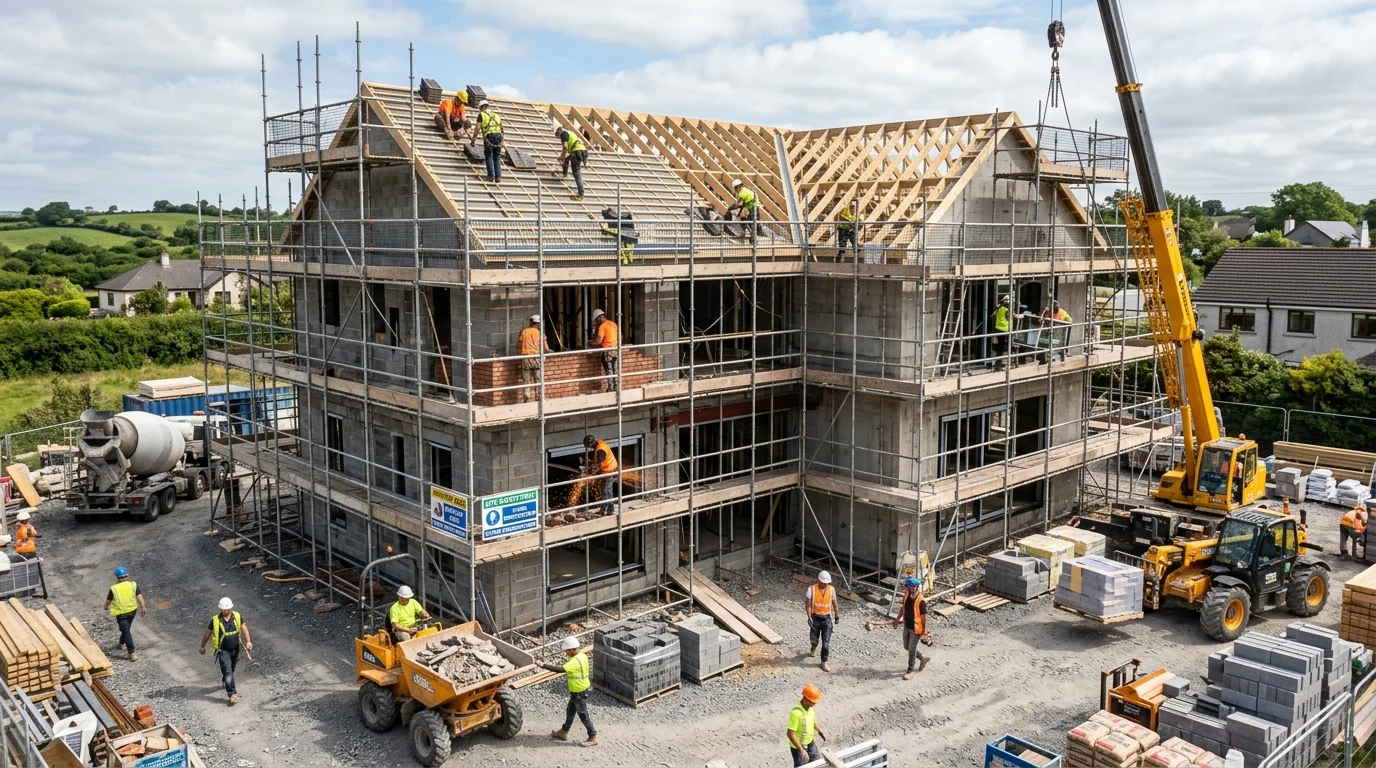
The Construction Phase: A reputable contractor will provide a detailed project schedule. Regular site visits are crucial. If you are not resident in Bali, appoint a trusted project manager (often your architect) to act as your eyes and ears on the ground. Communication should be consistent and documented.
Material Selection and Sourcing: You will need to approve all major materials, from stone and timber to tiles and fixtures. Bali has excellent local artisans and suppliers, but sourcing certain items may require time. Ensure the contract specifies the quality and origin of materials to prevent substitutions with inferior products.
Quality Control and Milestone Payments: Payments should be linked to the completion of specific, verified milestones (e.g., foundation completed, structure roofed, interior finishing). Withhold final payment until all punch-list items are addressed and you have conducted a thorough final inspection. A defects liability period (usually 6-12 months) in the contract is standard to cover any post-completion issues.
Step 7: Interior Design, Landscaping, and Final Touches
The skeleton of the building is just the beginning. This final step infuses the villa with soul and personality.
Interior Design and Furnishing: This is where the atmosphere is created. You can hire an interior designer or manage it yourself. Bali is a global hub for furniture and homeware, with countless shops and workshops offering everything from hand-carved teak furniture to artisan textiles and ceramics. Balance imported personal items with locally sourced pieces to create a unique and authentic space.
Landscaping and Pools: A skilled landscape architect can design gardens that are both beautiful and low-maintenance, using native plants. The pool is often the focal point; ensure its design complements the villa’s architecture and that the surrounding area has adequate drainage and non-slip surfaces.
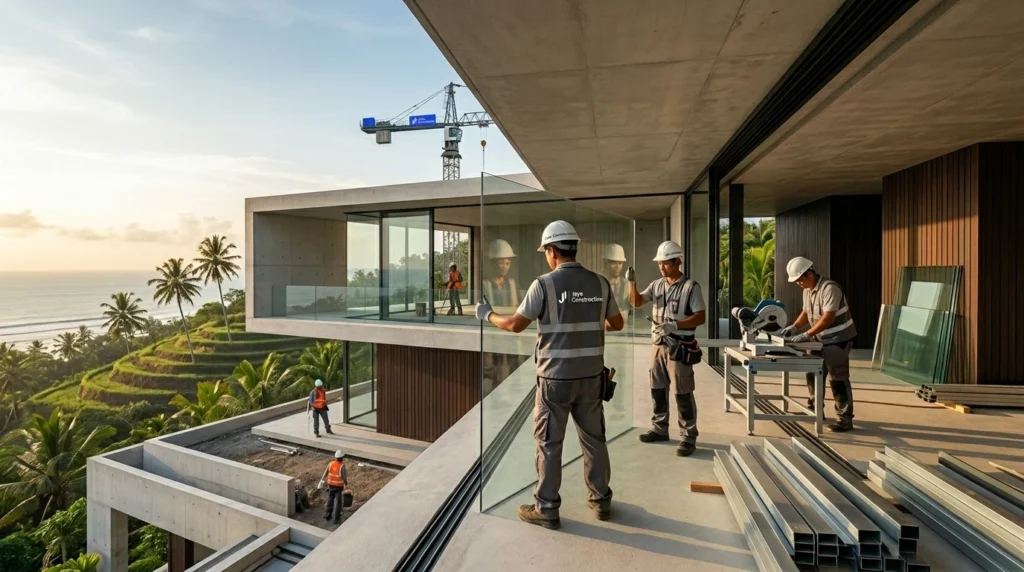
Final Installations and Systems Check: Install all appliances, air conditioning, lighting, and security systems. Conduct thorough testing of all electrical, plumbing, and water systems. Ensure you receive all warranties, manuals, and as-built drawings for future reference.
Conclusion: From Blueprint to Blissful Reality
Building your dream villa in Bali is a profound undertaking that merges creativity with diligence. It is a journey that demands respect for local laws, customs, and craftsmanship. By methodically following these seven steps—from the foundational research and assembling a trustworthy team to navigating permits and overseeing quality construction—you build more than just a house. You build a foundation for a secure and rewarding investment in one of the most magical places on earth. The process is long and sometimes challenging, but the end result—a stunning, personalized sanctuary where you can live the Bali dream—is an unparalleled reward. Remember, the key to success lies not in rushing, but in planning meticulously, partnering wisely, and embracing the unique process of creating something beautiful on this extraordinary island.
 By Jaya Construction Bali August 9, 2026
9 min read
By Jaya Construction Bali August 9, 2026
9 min read