Building a Villa in Ubud: A Comprehensive Guide to Permits, Costs, and Essential Tips
By Jaya Construction BaliAugust 24, 20267 min read
In this article
The verdant landscapes and serene rice terraces of Ubud have long captivated those seeking more than just a vacation, inspiring many to envision a permanent or semi-permanent slice of paradise. The idea of owning a private villa amidst this cultural and natural beauty is a powerful dream, but the path from vision to reality is paved with legal requirements, financial considerations, and intricate local customs. This guide provides a thorough roadmap, demystifying the process of building a villa in Ubud by breaking down the critical components of permits, estimating costs, and offering practical tips to navigate your project successfully.
Understanding the Regulatory Landscape: The Three Core Permits
Before a single stone is laid, securing the correct permits from Indonesian authorities is non-negotiable. The process is detailed and requires patience, but it ensures your investment is legally sound. There are three primary permits you will need to obtain.
The first and most fundamental is the Persetujuan Bangunan Gedung (PBG), formerly known as the Izin Mendirikan Bangunan (IMB). This is the core building permit, authorizing the construction of a new building on a specific plot of land. To apply, you’ll need a complete architectural plan prepared by a licensed Indonesian architect, proof of land ownership (typically a Hak Guna Bangunan or HGB certificate for foreigners), and other supporting documents. The application is submitted to the local Dinas PUPR (Public Works and Housing Agency). This process can take several months and involves reviews for structural safety and adherence to local building codes.
The second crucial document is the Sertifikat Laik Fungsi (SLF). This is the certificate of habitability or occupancy permit, issued after the construction is complete and the building has passed final inspections. Inspectors will verify that the villa was built according to the approved PBG plans, that all systems (electrical, plumbing) are safe, and that it meets minimum standards for safety and environmental impact. You cannot legally live in or rent out your villa without a valid SLF.
Finally, if you plan to operate your villa as a rental property, you will need a Persetujuan Pemanfaatan Ruang (P2R), which is a principle permit for spatial utilization from the Ministry of Agrarian and Spatial Planning. This is linked to the land’s zoning and confirms your intended commercial use is permissible. Additionally, a Tanda Daftar Usaha Pariwisata (TDUP), or tourism business registration, from the Tourism Office is required to legally operate as a rental.
Land Acquisition: The Foundational Step and Its Costs
You cannot build without land, and in Ubud, the land market is both dynamic and complex. Foreigners cannot directly own freehold land in Indonesia; this is a critical legal point. The most common and legally secure method for foreigners is to acquire a right to build (Hak Guna Bangunan or HGB) over land owned by an Indonesian individual or entity. This is typically done through a leasehold agreement, commonly for 25 or 30 years, with options for extensions. Another path is establishing a foreign-owned company (Penanaman Modal Asing or PMA), which can hold the HGB title. Each route has its own procedural and cost implications, and consulting with a reputable notary (notaris) and legal advisor specializing in Indonesian property law is absolutely essential.
Land prices in Ubud vary dramatically based on location and view. A plot with a panoramic rice terrace view in the central, coveted areas of Ubud can range from $150 to $300+ per square meter. Land in the more peripheral or developing areas might be available for $50 to $120 per square meter. A typical villa plot for a comfortable two or three-bedroom home might range from 200 to 500 square meters. Therefore, a realistic land budget for a modest project could start from around $15,000 and escalate significantly for premium locations. Due diligence on the land certificate’s validity, zoning classification (Peruntukan), and road access is paramount.
Construction Costs: Breaking Down the Budget
Once you have land and permits, the construction phase begins. This is typically the largest portion of your budget. Construction costs in Bali are often quoted per square meter for a “standard” finish, but this can be misleading. A more accurate approach is to break down the major cost components.
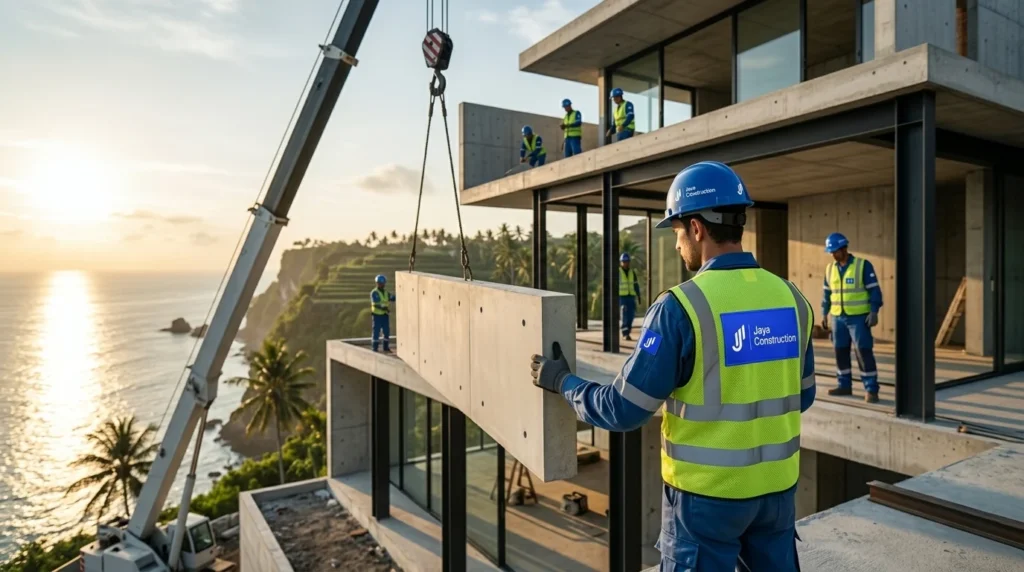
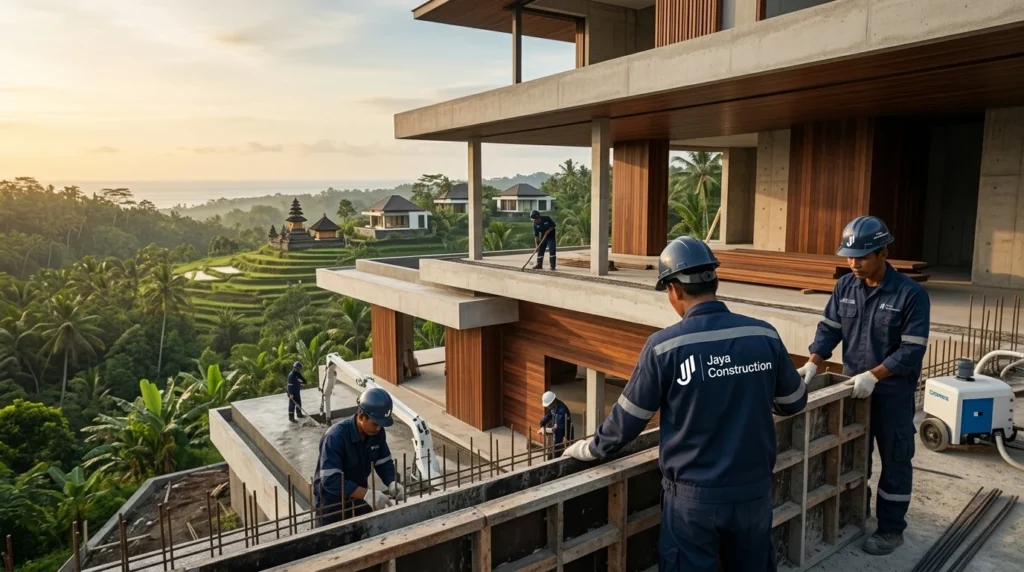
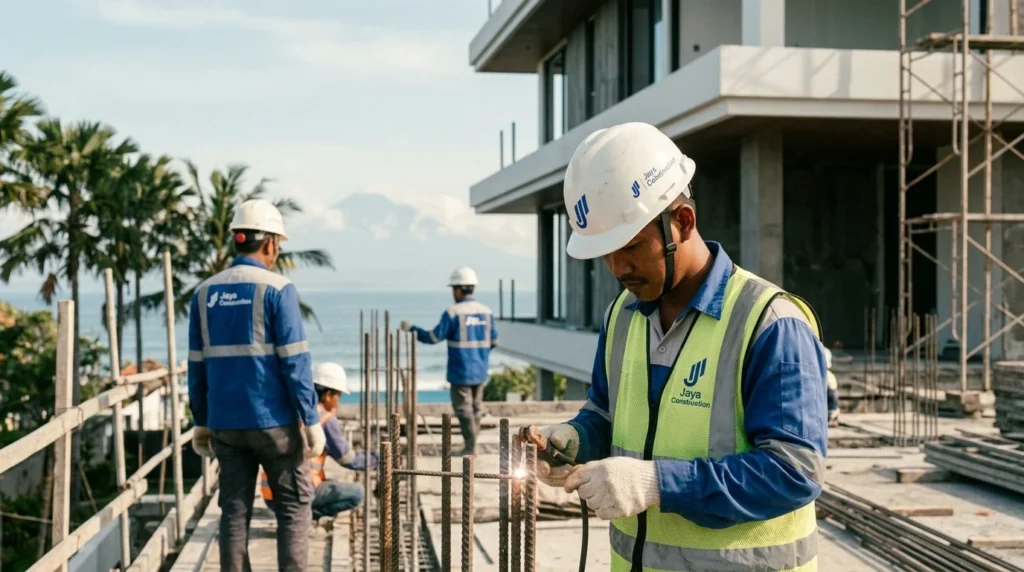
Structural and Shell Costs: This includes foundation, walls, roof, floors, and basic installations (plumbing and electrical rough-in). Costs here are relatively standard, but they are influenced by the building’s complexity, the terrain (building on a steep slope requires more extensive and expensive foundations), and the type of construction (reinforced concrete is common).
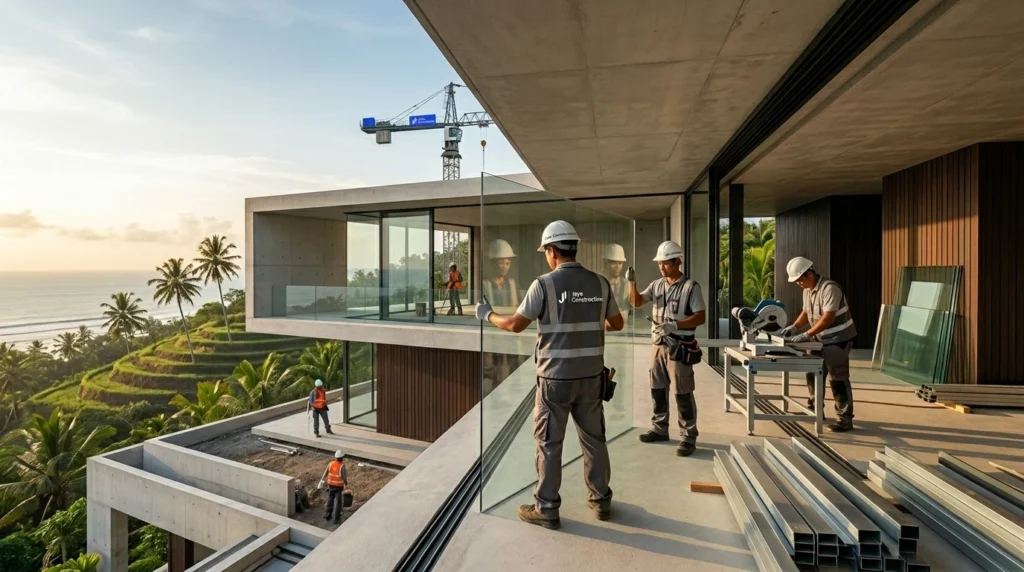
The “Finishes” – Where Budgets Balloon: This category covers all visible and tactile elements: tiles, natural stone, woodwork, doors, windows, fixtures, and fittings. In Ubud, the aesthetic often leans towards natural materials like recycled teak wood, local stone, and terrazzo. This is where tastes and budgets can diverge wildly. A basic, locally-sourced tile might cost a fraction of a hand-cut, imported natural stone slab. Similarly, the difference between a mass-produced door and a custom-carved teak masterpiece can be thousands of dollars.
Labor and Professional Fees: Skilled labor in Bali is generally more affordable than in Western countries, but you are still paying for a team of architects, structural engineers, project managers, and skilled tradespeople (carpenters, masons, tilers). A reputable architect will typically charge a percentage of the total construction cost (often 7-15%). A project manager or reliable local builder (pemborong) is invaluable and adds another 10-15% to the budget for their oversight.
For a high-quality, custom-built villa in Ubud with a good standard of finish (not ultra-luxury, but comfortable and stylish), a comprehensive all-in budget—including land, permits, professional fees, and construction—can range from $1,200 to $2,500+ per square meter of built area. Therefore, a 200-square-meter villa could have a total project cost of between $240,000 and $500,000. It is prudent to always add a 15-20% contingency fund for unforeseen issues, design changes, and material price fluctuations.
Essential Tips for a Successful Build
Navigating the build process in Ubud requires more than just a financial plan; it requires cultural intelligence and strategic planning.
Location is Everything, But Connectivity is Key: A stunning view is a major asset, but consider access. Is the road leading to your plot accessible by a small truck for material delivery? Is it passable year-round during the rainy season? Proximity to amenities, while not necessary for seclusion, can impact rental potential and your day-to-day convenience.
Assemble Your Local Team with Extreme Care: Your success hinges on your team. This starts with a bilingual, licensed architect who understands both Balinese design principles and modern structural requirements. Find a notary (notaris) with a strong reputation for handling foreign property transactions. For construction, get multiple quotes from builders (pemborong). Ask to visit their previous projects and speak to past clients. A good builder is transparent, provides detailed contracts, and manages their subcontractors effectively.
Respect the Adat and Your Neighbors: Ubud is the cultural heartland of Bali, and traditional community rules (adat) hold significant weight. Before building, it is customary and wise to introduce yourself to the local village chief (Kelian) and your immediate neighbors. Offer a small donation or token of goodwill (sumbangan) to the village temple or community fund. This isn’t a bribe; it’s a gesture of respect that fosters goodwill and can prevent future disputes over noise, access, or shared walls.
Prioritize Sustainable and Sympathetic Design: A boxy, generic concrete structure will clash with the landscape and may not perform well in the tropical climate. Embrace designs that blend with the topography, use cross-ventilation to reduce reliance on air conditioning, incorporate rainwater harvesting, and consider using locally sourced and sustainable materials. This approach is not only environmentally responsible but is also highly valued by the market for long-term rentals and resale.
Think Long-Term on Operations: If you plan to rent, consider operational needs from the design phase. Where will the staff quarters be? Is there space for a discreet laundry and storage area? Is the pool easily accessible for maintenance? Have you secured a reliable water source? Designing for functionality will save enormous headaches later.
Conclusion: Patience and Partnership are Your Greatest Assets
Building a villa in Ubud is a profoundly rewarding endeavor that allows you to create a personalized sanctuary in one of the world’s most enchanting settings. However, it is not a venture to be undertaken lightly or quickly. The regulatory framework is rigorous, the financial outlay is substantial, and the process demands a respectful engagement with local culture and community.
The cornerstones of a successful project are meticulous due diligence, a clear and realistic budget with a healthy contingency, and, most importantly, building a strong, trust-based partnership with experienced local professionals. By understanding the permit pathway, carefully budgeting for both the obvious and hidden costs, and approaching the build with patience and cultural sensitivity, you can transform the dream of owning a villa in Ubud into a beautiful and legally secure reality. Your reward will be more than a house; it will be a home woven into the very fabric of Bali’s mystical highlands.
 By Jaya Construction Bali August 24, 2026
7 min read
By Jaya Construction Bali August 24, 2026
7 min read