Building a Shop or Retail Space in Bali: A Practical Guide for Entrepreneurs
By Jaya Construction BaliSeptember 26, 20267 min read
In this article
Bali is more than just a tropical paradise; it is a dynamic economic hub where tradition meets tourism and commerce. For entrepreneurs and investors, the island presents a unique and compelling opportunity to establish a retail presence. From surf shops lining the beaches of Kuta and Canggu to high-end boutiques in Seminyak and artisan markets in Ubud, the retail landscape is as diverse as the visitors it attracts. However, navigating the process of building or setting up a shop in Bali requires more than just a good business idea. It demands a thorough understanding of local regulations, cultural nuances, and practical logistics. This guide aims to provide a comprehensive, step-by-step roadmap for those looking to turn their retail vision into a reality on the Island of the Gods.
Understanding the Balinese Retail Landscape
Before breaking ground, it’s crucial to understand the market you’re entering. Bali’s retail sector is heavily influenced by its tourism industry, which draws millions of visitors annually. This creates a consumer base that is both local and international, with varying tastes and spending habits. The most successful retail spaces often cater to a blend of tourists seeking authentic souvenirs, lifestyle products, and experiences, as well as a growing expatriate community and increasingly affluent local population.
Key areas for retail development include:
Seminyak and Petitenget: Known for upscale boutiques, designer stores, and trendy cafes.
Canggu: A hotspot for surf culture, sustainable brands, and a younger, digital nomad crowd.
Ubud: The cultural heart of Bali, perfect for artisan crafts, yoga wear, and holistic wellness products.
Kuta and Legian: High-traffic tourist areas suited for budget-friendly souvenirs, fast fashion, and mainstream retail.
Sanur: A more relaxed, family-oriented area with a mix of local and imported goods.
Choosing the right location is your first major decision and will dictate your business model, target audience, and even the design of your space.
Navigating Legal Requirements and Ownership Structures
The legal framework for foreign investors in Indonesia, particularly in Bali, can be complex. The most critical concept to grasp is that foreigners cannot directly own freehold land (Hak Milik) in Indonesia. However, there are several legal pathways to secure a property for commercial purposes.
The most common and recommended structure for a retail business is to establish a foreign-owned limited liability company, known as a PT PMA (Penanaman Modal Asing). This entity allows a foreigner to hold a Hak Pakai (Right to Use) over a property for an initial period of 80 years, with extensions possible. This is the securest method for long-term commercial investment.
Another prevalent model is the leasehold agreement (Hak Sewa), where you lease a property from an Indonesian owner for a set period, typically 25 to 30 years, with an option to extend. This is faster and involves less upfront capital but offers less long-term security than a PT PMA with Hak Pakai.
It is absolutely essential to engage a reputable local notary (PPAT) and a lawyer specializing in Indonesian real estate and corporate law. They will conduct due diligence on the property, verify land certificates, draft contracts, and ensure your PT PMA is established correctly with the necessary business licenses. Skimping on professional legal advice is the single greatest risk for foreign investors.
The Step-by-Step Process: From Concept to Opening
1. Business Planning and Feasibility Study:
Start with a solid business plan. Define your niche, products, pricing, and marketing strategy. Conduct a feasibility study of your chosen location—analyze foot traffic, competition, parking availability, and accessibility. A beautiful shop in a low-traffic alley will struggle regardless of its product.
2. Securing the Property:
With your legal team in place, begin your property search. You can look for existing structures to renovate or vacant land for a new build. Key factors to investigate include:
Land Certificate Status: Ensure it is Sertifikat Hak Milik (freehold, owned by an Indonesian) or Sertifikat Hak Guna Bangshan (right to build, often on state land). Your notary will verify this.
Zoning (Peruntukan Tanah): The land must be zoned for commercial use. Residential zoned land cannot be used for retail without a difficult and often unsuccessful rezoning application.
Access and Utilities: Confirm access to public roads and availability of water, electricity, and internet.
3. Designing Your Retail Space:
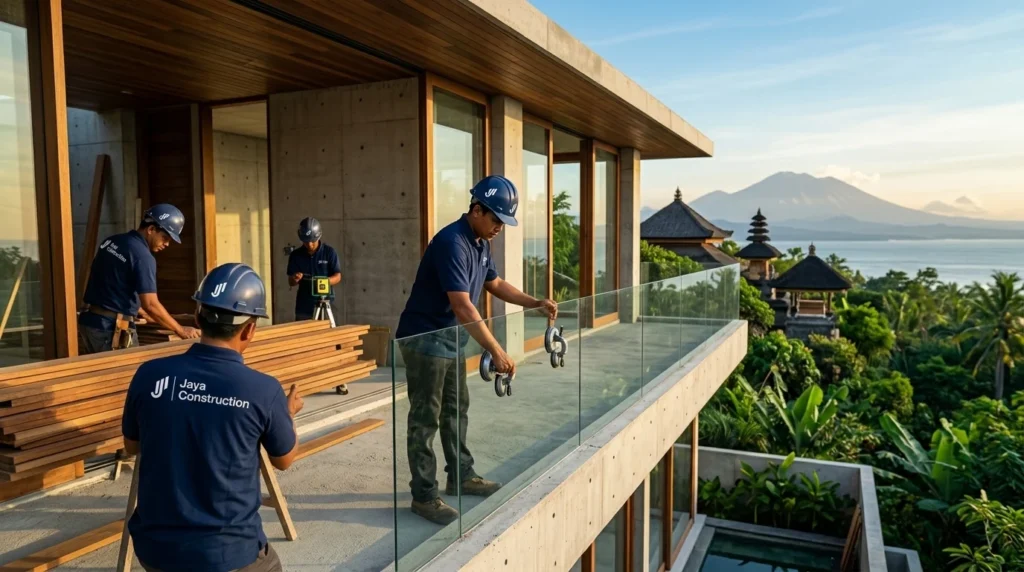
Bali offers a unique design palette. Consider blending modern functionality with traditional Balinese aesthetics—such as open-air designs, natural materials like teak and stone, and lush garden integrations. The design should reflect your brand identity while respecting the local environment. Hire an architect familiar with local building codes (IMB or PBG requirements) and the challenges of building in a tropical climate, such as humidity, drainage, and pest control.
4. Obtaining the Necessary Permits:
This is arguably the most bureaucratic phase. Your company will need to secure several permits, including:
IMB/PBG (Building Approval): The main construction permit, issued by the local district government (Kecamatan).
HO (Gangguan/Nuisance Permit): Required for businesses that might potentially cause disturbance (like noise or traffic).
TDUP (Trade Business License): The core business license for retail trade.
Environmental Impact Statement (UKL-UPL): May be required depending on the scale and location of your project.
The process can take several months. Your notary and a local permit expediter (calo izin) can be invaluable here.
5. Construction and Project Management:
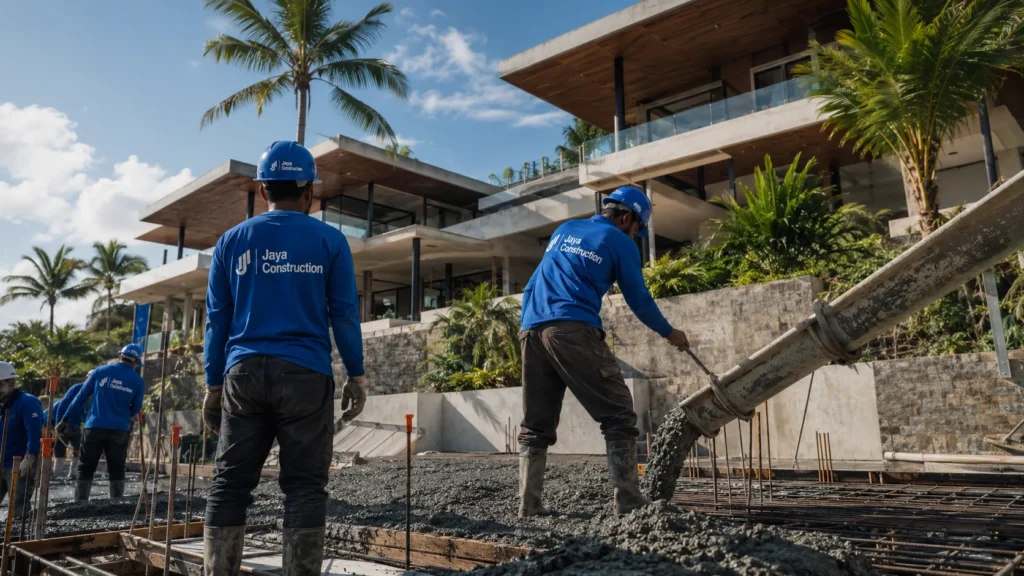
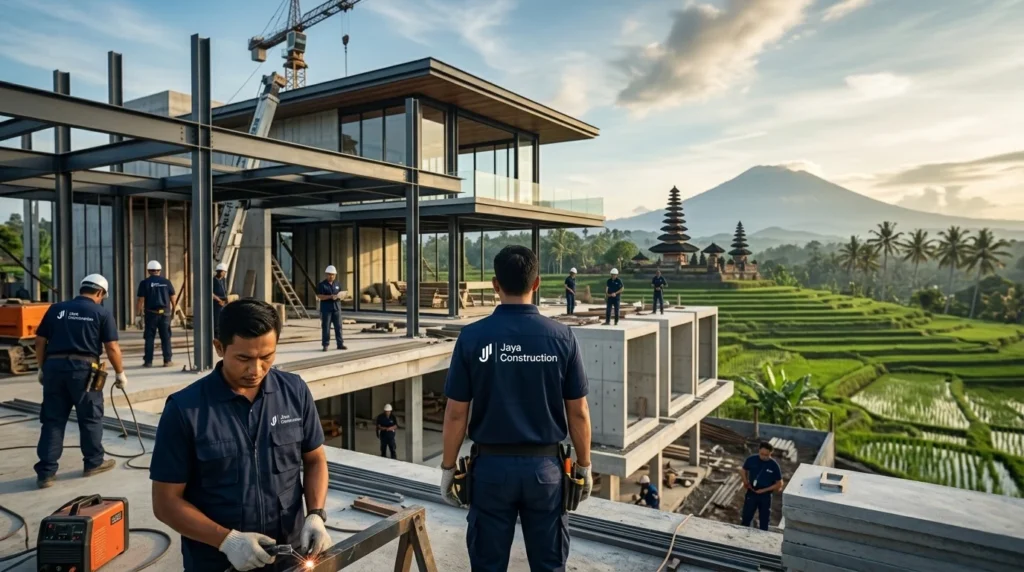
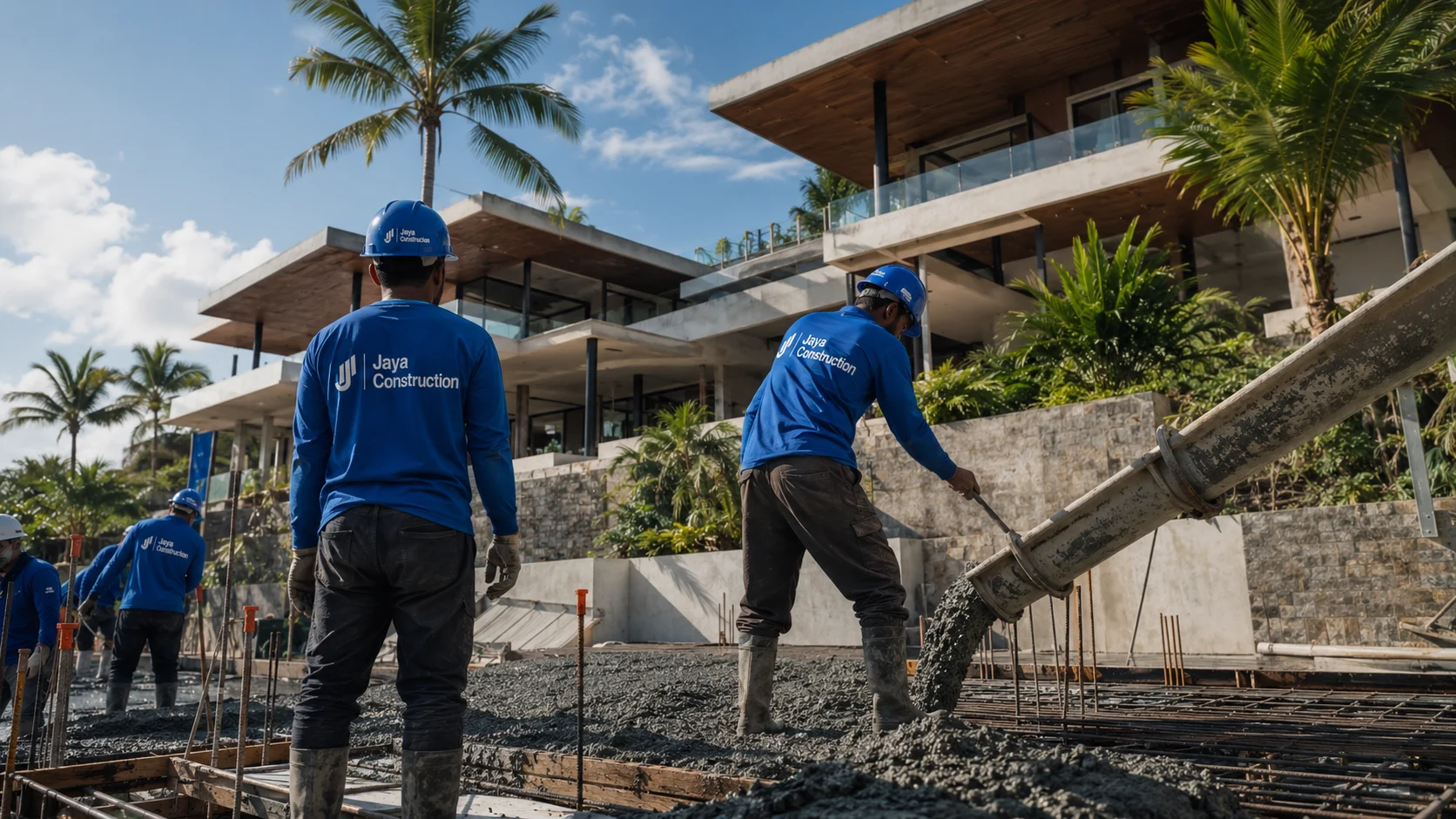
If building from scratch, hire a reputable local contractor. Get multiple quotes, check references, and draft a detailed contract with a clear timeline and payment schedule tied to project milestones. Common challenges include delays due to weather (the wet season runs roughly November to March), material shortages, and miscommunication. Regular site visits and a reliable project manager are non-negotiable.
6. Fitting Out and Staffing:
Once the shell is complete, focus on interior fit-out—lighting, shelving, point-of-sale systems, and security. Simultaneously, begin the recruitment process. Hiring local staff is not only a legal requirement for most positions but also fosters community integration. Balinese employees can bring invaluable local knowledge and hospitality skills (Tri Hita Karana philosophy often translates into excellent customer service).
7. Soft Opening and Marketing:
Before your grand opening, conduct a soft launch to iron out operational kinks. Leverage social media heavily—Instagram and TikTok are powerful tools in Bali. Collaborate with local influencers, hotels, and tour operators. Register your business on Google My Business and local directories.
Financial Considerations and Ongoing Costs
Building in Bali involves significant upfront and recurring costs. Beyond the construction or lease payment, budget for:
Legal and Notary Fees: For company establishment, property due diligence, and permit processing. This can range from $3,000 to $10,000+.
Construction/Fit-Out Costs: Vary wildly by location and quality. In popular tourist areas, costs can approach those in Western countries for high-end finishes.
Permit Fees and Taxes: Including annual property tax (PBB), corporate income tax, and local retributions.
Operational Costs: Utilities (electricity can be expensive), staff salaries, insurance, and marketing.
Contingency Fund: Always set aside at least 20% of your total budget for unforeseen expenses.
It’s also wise to understand the local banking system. You will need a business account (Rekening Perusahaan). While international transfers are common, establishing good relationships with local banks like BCA or Mandiri is beneficial for daily operations.
Cultural Integration and Community Relations
Success in Bali is deeply intertwined with respecting local culture and customs. This is not just a nicety; it is a business necessity.
Respect Religious Ceremonies: Bali is a Hindu island with frequent ceremonies (odalan) and major holy days like Nyepi (Day of Silence) when all businesses must close. Incorporate these into your operational calendar.
Engage with the Banjar: The local community council (Banjar) is the heart of every village. Introduce yourself, understand local issues, and participate in community activities. This builds goodwill and can smooth over potential disputes.
Sustainable Practices: Show respect for the environment. Implement waste reduction, use eco-friendly materials where possible, and support local suppliers. The community and environmentally conscious tourists will notice and appreciate it.
Conclusion: Patience and Respect are Your Best Assets
Building a shop in Bali is an endeavor that blends opportunity with complexity. The path is lined with bureaucratic hurdles, cultural learning curves, and financial risks. However, for the entrepreneur who approaches the process with due diligence, patience, and a genuine respect for the island and its people, the rewards are substantial. You gain more than just a retail space; you become part of a vibrant, creative, and resilient community. The key is to build not just a shop, but a relationship—with your customers, your staff, and the island itself. In Bali, business is personal, and that personal touch is what can make your venture truly flourish.
 By Jaya Construction Bali September 26, 2026
7 min read