Building a Low-Maintenance Villa in Bali: Your Ultimate Guide to Tropical Longevity
By Jaya Construction BaliSeptember 3, 20268 min read
In this article
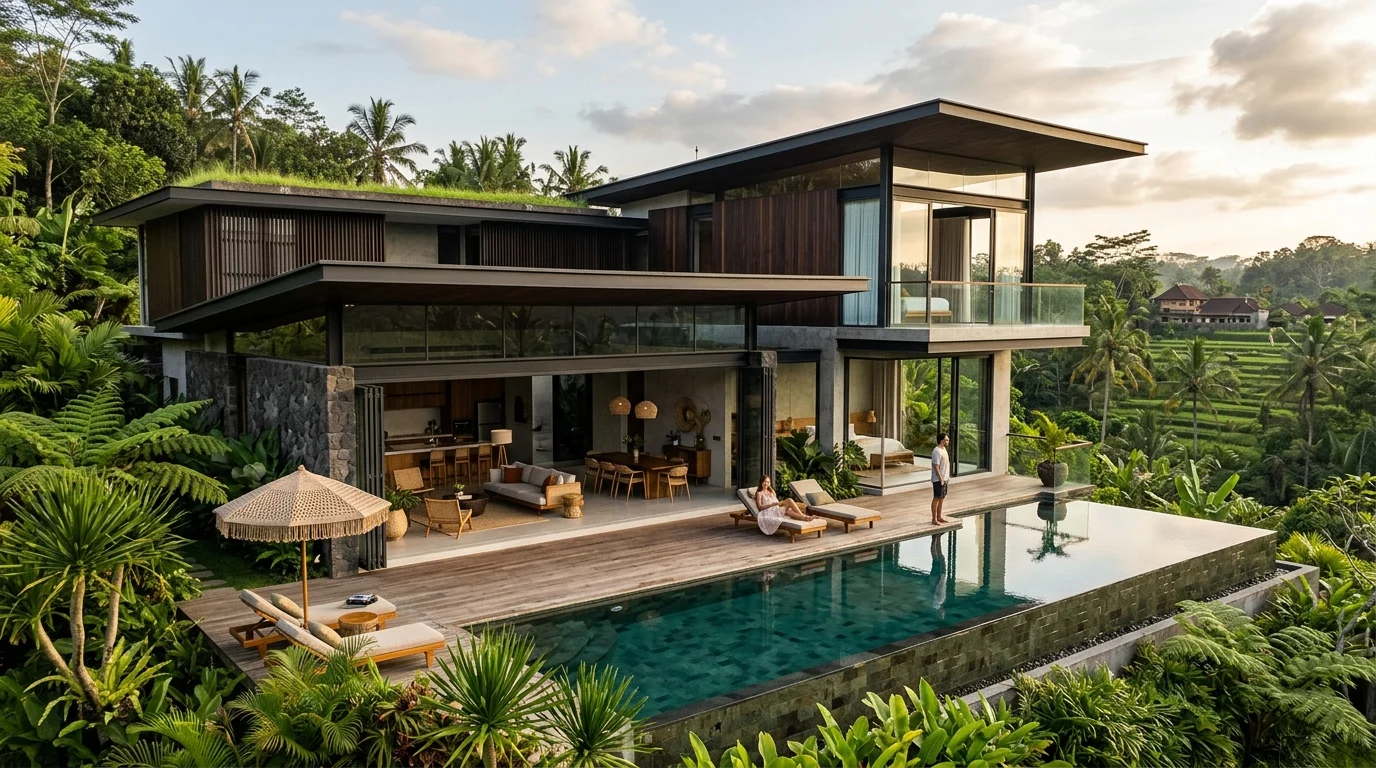
Bali, the Island of the Gods, has long captivated dreamers and investors with its stunning landscapes, vibrant culture, and serene lifestyle. For many, the ultimate dream is to own a private villa—a personal retreat nestled amidst rice terraces, perched on a cliffside, or hidden within a lush tropical garden. However, the romantic vision of villa life can quickly be overshadowed by the practical realities of maintaining a property in a hot, humid, and often challenging tropical environment. The constant battle against humidity, intense sun, pests, and heavy rainfall can turn a dream home into a high-maintenance burden.
The solution lies in thoughtful, forward-thinking design and material selection from the very beginning. Building a low-maintenance villa in Bali is not about cutting corners; it’s about making intelligent, durable choices that will stand the test of time and climate. This comprehensive guide will walk you through the essential steps and considerations to create a beautiful, resilient, and hassle-free tropical sanctuary that allows you to spend your time enjoying the Bali lifestyle, not wrestling with upkeep.
The Foundation: Strategic Planning and Design
The journey to a low-maintenance villa starts long before the first brick is laid. The initial planning and design phase is your most powerful tool. The goal is to work with the environment, not against it.
Site Selection and Orientation
Your plot of land is your canvas. Key considerations include:
Drainage: Choose a site with natural slopes for effective water runoff to prevent flooding and soil erosion, which can damage foundations.
Sun Path: Orient your villa to maximize shade and natural ventilation. Typically, this means elongating the building along the east-west axis, with larger overhangs on the north and south sides to shield walls and windows from direct sun and driving rain.
Wind Patterns: Position living spaces and windows to capture prevailing breezes (like the cool mountain winds from the north), significantly reducing the need for air conditioning.
Embracing the Open-Plan, Pavilion Style
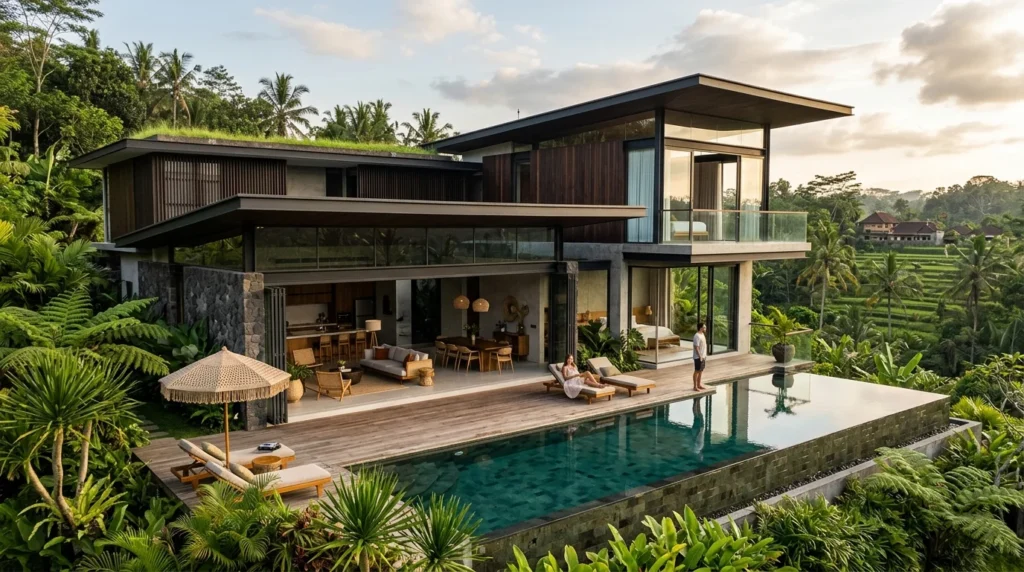
Traditional Balinese architecture offers a perfect blueprint for low-maintenance living. Instead of a single, sealed concrete box, consider a design comprising several pavilions (bales) connected by covered walkways and centered around a garden or pool courtyard. This style promotes cross-ventilation, reduces the feeling of humidity, and allows for better management of different living functions (e.g., separating the master bedroom pavilion from the guest area).
Structural Integrity: Choosing the Right Core Materials
The skeleton of your villa must be robust. In Bali’s termite-prone and seismic zone, this is non-negotiable.
Foundations and Reinforcement
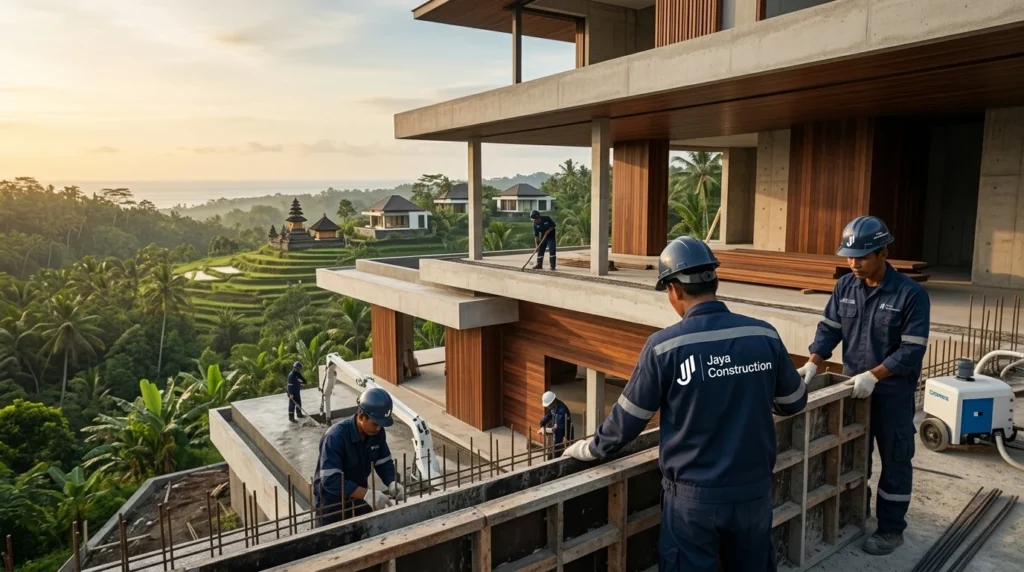
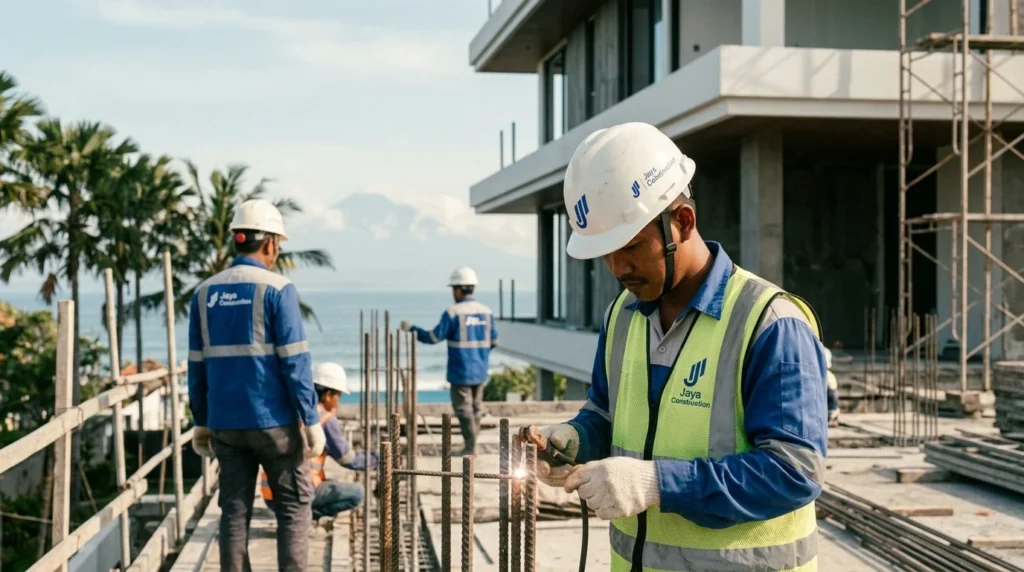
A strong foundation is critical. Opt for a reinforced concrete foundation with proper anti-termite soil treatment. For column-and-beam structures, which are common, ensure high-quality steel reinforcement (typically SNI standard in Indonesia) and concrete mixed to the correct specifications. This prevents cracking, settling, and vulnerability to earthquakes.
Wall Systems: The Battle Against Moisture and Pests
Forget traditional red bricks, which are porous and can harbor moisture. Superior alternatives include:
Hebel Blocks (Autoclaved Aerated Concrete – AAC): These lightweight blocks are excellent insulators, resistant to moisture and termites, and provide a smooth finish for rendering. They significantly contribute to a cooler interior.
Concrete Block with Waterproof Rendering: High-quality, solid concrete blocks are durable and moisture-resistant when properly plastered with a waterproof render mix.
Avoid: Using untreated wood for any structural or wall components. If wood is used for aesthetic features (beams, carvings), ensure it is a dense, durable tropical hardwood like Ulin (ironwood) or teak, and it must be expertly treated and sealed.
Material Mastery: Selecting for Durability and Ease
This is where low-maintenance principles are most visible. Every surface, fixture, and finish must be chosen for its ability to withstand the tropics.
Roofing: Your First Line of Defense
The roof bears the brunt of the sun and rain. Your best options are:
Clay or Concrete Tiles: These are the standard for good reason. They are extremely durable, reflect heat effectively, and withstand heavy downpours. Ensure a proper waterproof membrane is installed beneath them.
Thatch (Alang-Alang): While iconic, traditional thatch is high-maintenance, harbors pests, and is a fire risk. Modern, high-quality synthetic thatch made from durable polymers offers the same aesthetic with far greater longevity and lower upkeep.
Metal Roofing (Zincalume or Colorbond): Lightweight, durable, and excellent at shedding water quickly. However, they can be noisy in rain and may increase internal heat if not properly insulated or ventilated.
Flooring: Seamless, Cool, and Easy to Clean
Flooring must be slip-resistant when wet, cool underfoot, and easy to maintain.
Polished Concrete or Microcement: A top choice for modern villas. It is seamless (no grout lines to trap dirt), durable, easy to clean with a mop, and can be treated with non-slip additives. It also helps keep interiors cool.
Large-Format Porcelain or Ceramic Tiles: Choose high-quality, rectified tiles with a low porosity rating. Larger tiles mean fewer grout lines. Use a premium, epoxy-based grout that is stain-resistant and waterproof, especially in wet areas.
Natural Stone (with caution): Stones like slate or andesite are beautiful but require regular sealing to prevent moisture absorption and staining. If used, opt for flamed or brushed finishes for better grip and commit to a sealing schedule.
Windows, Doors, and Joinery: The Humidity Hurdle
Standard timber joinery will swell, stick, and rot in Bali’s humidity. Invest in:
Aluminum Frames: The most practical, low-maintenance choice. Modern powder-coated aluminum is corrosion-resistant and comes in various colors and finishes, including wood-look.
Tropical Hardwood: If the aesthetic of wood is non-negotiable, use only certified, extremely durable species like teak. They must be meticulously treated and maintained with high-quality marine-grade varnish or oil.
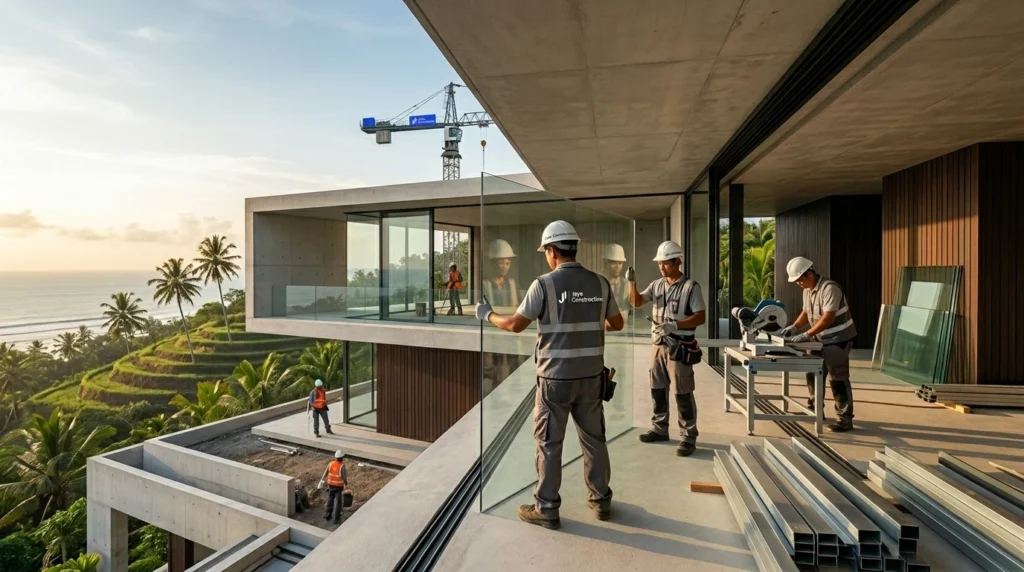
Glass: Opt for tempered safety glass. For sun-facing windows, consider tinted or reflective glass to reduce heat gain.
Countertops and Built-ins
Countertops: Granite, quartz composite, or high-quality solid surface materials are ideal. They are impervious to moisture, stains, and scratches. Avoid porous materials like marble in kitchen areas.
Cabinetry: Use marine-grade plywood for carcasses, which is designed to resist moisture and delamination. Doors and drawers can be finished with high-pressure laminates or quality paint over waterproof MDF.
Systems for Sustainability and Low Upkeep
A truly low-maintenance villa integrates smart systems that handle the environment efficiently.
Water Management
Roof Gutters and Downpipes: Essential for capturing rainwater and channeling it away from the building’s perimeter to prevent wall dampness and foundation erosion. Ensure they are oversized to handle tropical deluges and include leaf guards.
Swales and Rain Gardens: Integrate landscaping features that naturally manage stormwater runoff, reducing erosion and replenishing groundwater.
Waterproofing: This is not a place to skimp. Use a high-performance membrane system on all foundations, wet areas (bathrooms, kitchens), and planters before any tiling or finishing is done.
Ventilation and Cooling
Prioritize passive cooling strategies to reduce reliance on AC units, which require regular filter cleaning and servicing.
High Ceilings: Allow hot air to rise away from living areas.
Louvered Windows and Vent Blocks: Enable constant airflow while maintaining security and privacy.
Ceiling Fans: Highly effective, energy-efficient, and low-maintenance.
Strategic AC Placement: If using split-unit ACs, place the outdoor compressor units in shaded, accessible locations for easier servicing, and clean filters monthly.
Electrical and Plumbing
Use reputable, certified contractors and high-quality materials. Ensure all wiring is properly insulated and conduited, and all plumbing uses corrosion-resistant PPR or PVC pipes. A professional, well-executed installation drastically reduces future repair needs.
Landscaping and Outdoor Spaces: The Living Layer
Your garden and pool are extensions of the villa and must be designed for easy care.
Garden Design
Choose Native and Drought-Tolerant Plants: Species like frangipani, bougainvillea, heliconia, and various palms are adapted to the climate and require less water and intervention.
Mulching: Apply a thick layer of organic mulch (like coconut husk) to garden beds. This suppresses weeds, retains soil moisture, and improves soil health.
Hardscaping: Use pathways, gravel beds, and stone features to reduce the area of high-maintenance lawn.
The Swimming Pool
A pool can be a maintenance headache if not designed correctly.
Infinity or Overflow Pools: These designs skim surface debris continuously into a collection tank, making cleaning easier.
Saltwater Chlorination Systems: They produce their own chlorine from salt, providing more stable water chemistry with less chemical handling than traditional chlorine pools. They are gentler on the skin and eyes and require less frequent balancing.
Proper Filtration: Invest in a high-capacity sand or glass media filter and an automated robotic cleaner to reduce manual vacuuming.
Partnering with Professionals: The Key to Success
You cannot execute this alone. Assembling the right team is the most critical step.
Architect/Designer: Hire a professional experienced in modern Balinese architecture who understands passive design principles and local building codes. They will translate your vision into a practical, buildable plan.
Builder/Contractor: Choose a contractor with a proven track record of high-quality work in Bali. Check references, visit completed projects, and ensure they understand and are committed to your low-maintenance specifications. A clear, detailed contract is vital.
Project Supervisor: If you are not based in Bali full-time, an independent supervisor to oversee construction quality and progress on your behalf is a worthy investment.
Conclusion: Building for the Future
Creating a low-maintenance villa in Bali is an exercise in proactive design and intelligent investment. It requires looking beyond the immediate aesthetic to consider how materials and systems will perform over decades in a demanding tropical climate. By prioritizing robust structural integrity, selecting inherently durable and weather-resistant materials, integrating smart environmental systems, and partnering with skilled professionals, you can build more than just a beautiful property. You build freedom—the freedom to lock the door and travel, confident that your villa will emerge resilient and ready for your return. Ultimately, the goal is to spend your days immersed in the magic of Bali, not consumed by the chores of homeownership. By building smart from the start, you ensure your tropical dream remains a joy for years to come.
 By Jaya Construction Bali September 3, 2026
8 min read
By Jaya Construction Bali September 3, 2026
8 min read