Building a Gated Community in Bali: A Blueprint for Luxury, Legalities, and Local Harmony
By Jaya Construction BaliJune 16, 20268 min read
In this article
Bali, the Island of the Gods, has long captured the global imagination with its stunning landscapes, rich culture, and serene spiritual ambiance. For decades, it has been a premier destination for tourists and expatriates alike. In recent years, a significant shift has occurred in its residential market, moving from short-term rentals toward permanent or semi-permanent luxury living. At the forefront of this evolution is the development of gated communities—private enclaves offering security, amenities, and a curated lifestyle. However, building a successful gated community in Bali is far more complex than standard real estate development. It requires a meticulous balancing act between international luxury standards, stringent Indonesian regulations, deep respect for local Balinese culture, and sustainable environmental practices. This article provides a comprehensive blueprint for navigating the intricate journey from concept to completion.
Introduction: The Allure and the Challenge
The concept of a gated community in Bali appeals to a specific demographic: affluent buyers seeking a tranquil, secure base with the conveniences of modern living amidst a tropical paradise. These developments promise a harmonious blend of privacy and community, with shared facilities like clubhouses, pools, spas, and sometimes even private beach access. For investors, they represent a high-value proposition in a resilient market.
However, the path is fraught with challenges unique to Indonesia. Foreigners cannot own freehold land (Hak Milik) directly, the legal framework for land titles is complex, and the cultural and environmental sensitivities are profound. Success hinges not just on architectural and financial acumen, but on a developer’s ability to navigate the triad of legal, cultural, and environmental stewardship. This article will guide you through the essential phases, from initial feasibility studies to long-term community management.
Phase 1: Feasibility and Foundational Legal Framework
Before a single blueprint is drawn, the most critical groundwork is legal and regulatory. Skipping or misunderstanding this phase is the primary reason projects fail.
Understanding Land Tenure and Ownership Structures
The cornerstone of any development is securing land. For foreigners, direct freehold ownership is impossible. Instead, developers and buyers operate through alternative legal instruments:
Leasehold (Hak Sewa): The most common structure. The developer leases land from a local owner for a long term, often 25 to 30 years, with options to extend. This lease is then sub-leased to individual homeowners.
Right to Build (Hak Guna Bangunan – HGB): Granted to companies (including foreign-owned PT PMA companies) for a period of 30 years, extendable for another 20. This is the title typically held by the developer’s company, which then sells long-term lease agreements to buyers.
Right to Use (Hak Pakai): Can be granted to foreigners for residential purposes on land with Hak Milik or HGB status, valid for 30 years and extendable.
Navigating this requires a competent, bilingual legal team specializing in Indonesian land law. Due diligence must be exhaustive, verifying land certificates, checking for disputes, and ensuring zoning allows for residential (or tourism/residential) use.
The Crucial Role of the Indonesian Company (PT PMA)
Virtually all large-scale developments are executed through a Perseroan Terbatas Penanaman Modal Asing (PT PMA), a foreign-owned limited liability company. This entity is mandatory for obtaining the necessary building and operational permits. The establishment of a PT PMA is a detailed process involving investment plans, notarial deeds, and approvals from multiple ministries.
Mastering the Permit Labyrinth: IMB and Beyond
Indonesia’s permit system is layered and sequential. The key permits include:
Environmental Permit (Izin Lingkungan): Often required before major construction, assessing the project’s impact on water, waste, and the surrounding ecosystem.
Building Permit (Izin Mendirikan Bangunan – IMB): The primary construction permit, issued by the local regency (kabupaten) or city (kota) government. It dictates building height, density, and setbacks.
Location Permit (Izin Lokasi): Grants the right to use the land for the intended purpose.
These permits are not rubber-stamped. They require detailed architectural plans, site plans, and often community consultations. The process can take 6-12 months and is heavily dependent on good relationships and clear communication with local authorities (Dinas).
Phase 2: Market Analysis and Concept Development
With the legal framework underway, the focus shifts to defining the product for the right market.
Defining the Target Market and Unique Selling Proposition (USP)
Who will buy? Common profiles include:
Affluent Expatriates & Digital Nomads: Seeking a permanent base with a vibrant, like-minded community.
High-Net-Worth Investors: Looking for capital appreciation and rental yields through a managed villa program.
The “Lifestyle” Buyer: Prioritizing wellness, culture, and privacy over pure investment returns.
Your USP must be compelling and clear. Is it unmatched sustainable design, a partnership with a world-renowned wellness brand, exclusive access to a natural feature, or a focus on cutting-edge smart-home technology?
Location Intelligence: More Than Just Beachfront
While beachfront is prime, other factors are equally vital:
Proximity to Infrastructure: Access to hospitals, international schools (like those in Sanur or Canggu), and the airport.
Cultural Context: Is the land in a sacred area? Near a temple (pura)? Respecting the desa adat (traditional village) and its customs is non-negotiable.
Accessibility and Road Conditions: A beautiful estate with a single, congested access road will frustrate residents.
Environmental Risks: Assess flood zones, coastal erosion, and landslide risks, especially given climate change.
Design Philosophy: Blending International Luxury with Balinese Soul
The architecture cannot be a transplant of a Miami suburb. It must be a thoughtful synthesis. Key principles include:
Spatial Planning (Asta Kosala Kosali): Balinese traditional architectural principles governing spatial relationships and orientation. Incorporating these elements shows respect and enhances aesthetic harmony.
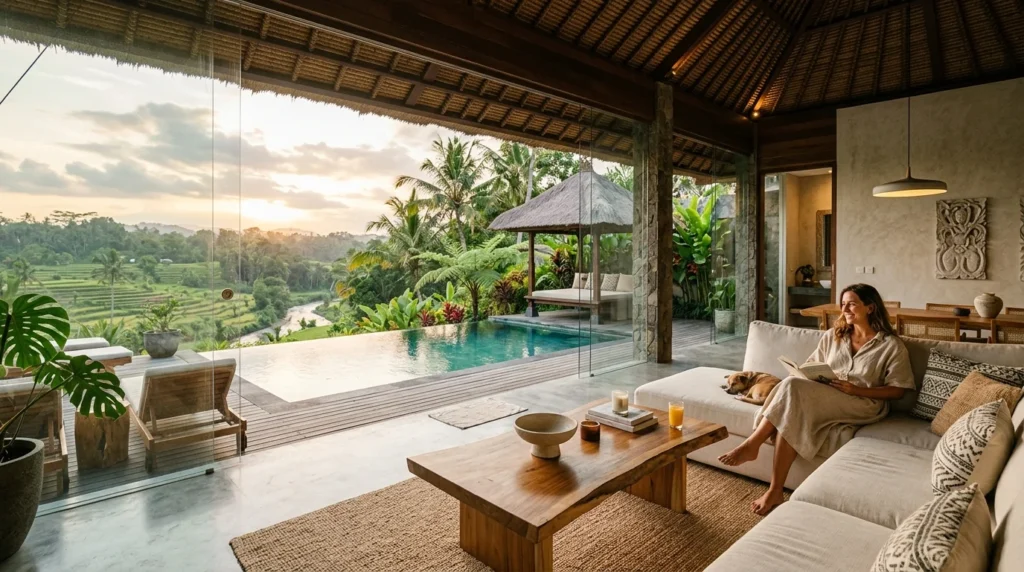
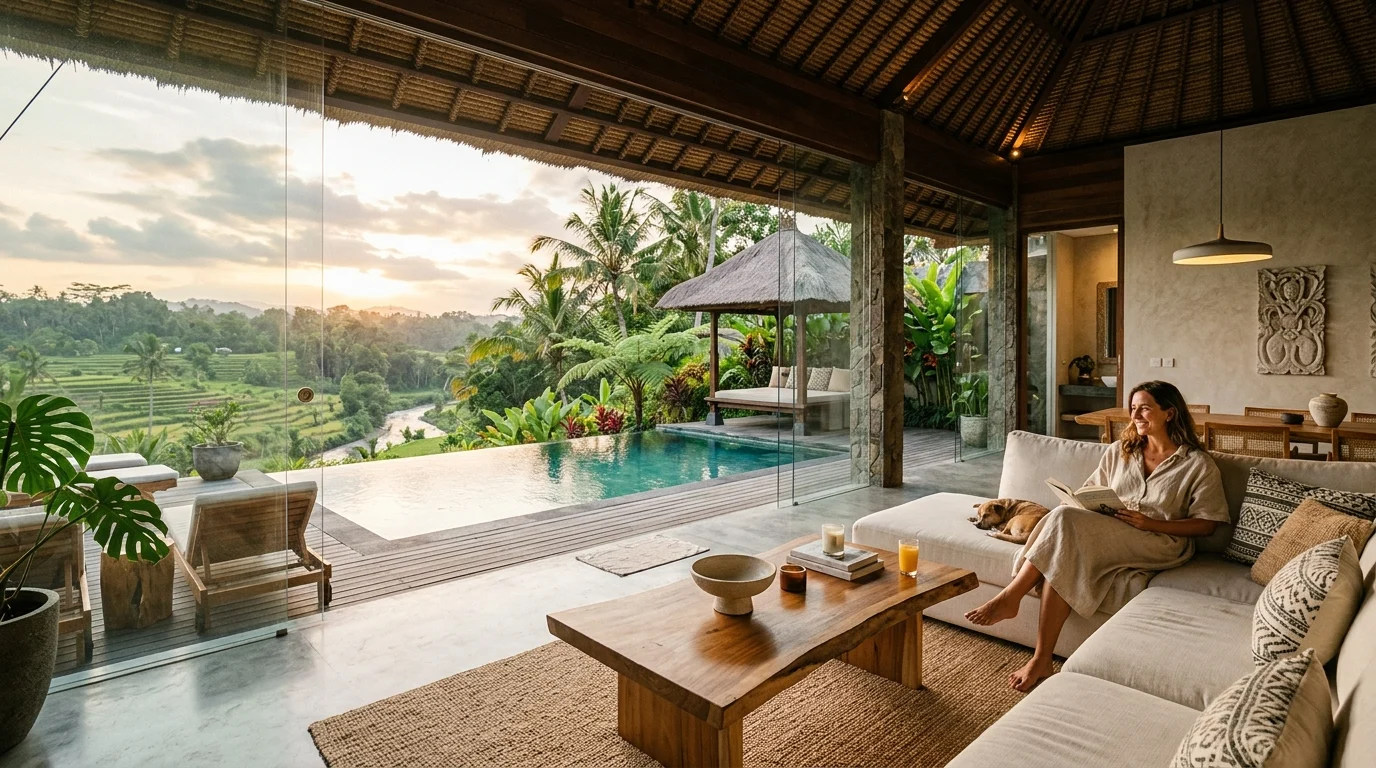
Open-Plan Living and Integration with Nature: Utilizing pavilion-style architecture (bale), lush gardens, water features, and maximizing natural ventilation and light.
Sustainable Materials: Sourcing local stone, bamboo, and reclaimed wood.
Amenities with Cultural Flair: Instead of a generic clubhouse, consider a yoga pavilion, a spa offering traditional Boreh body treatments, or a restaurant serving farm-to-table Balinese cuisine.
Phase 3: Construction and Community Building
This phase brings the vision to life, with its own set of complex considerations.
The Contractor Conundrum: Quality Control is Paramount
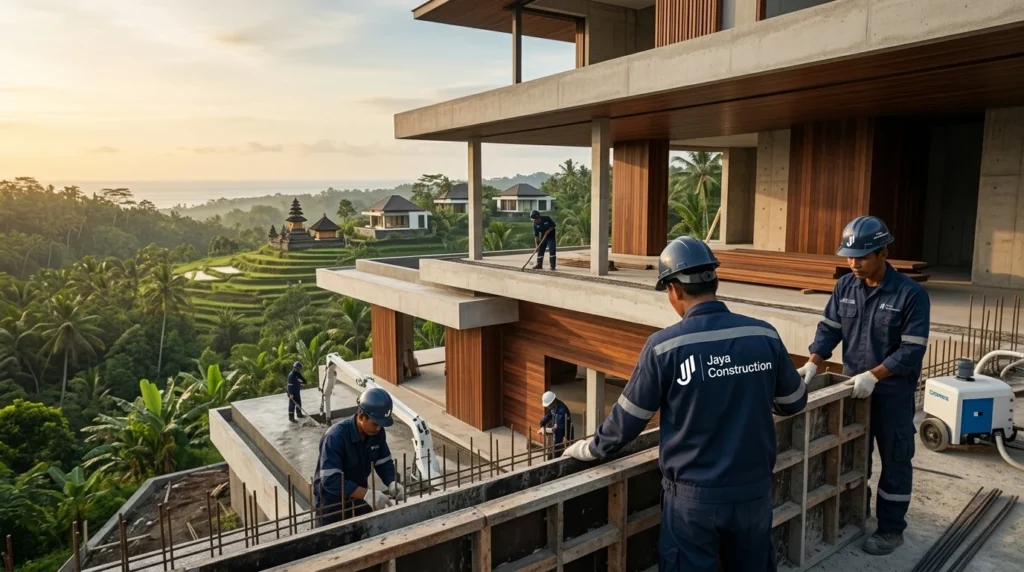
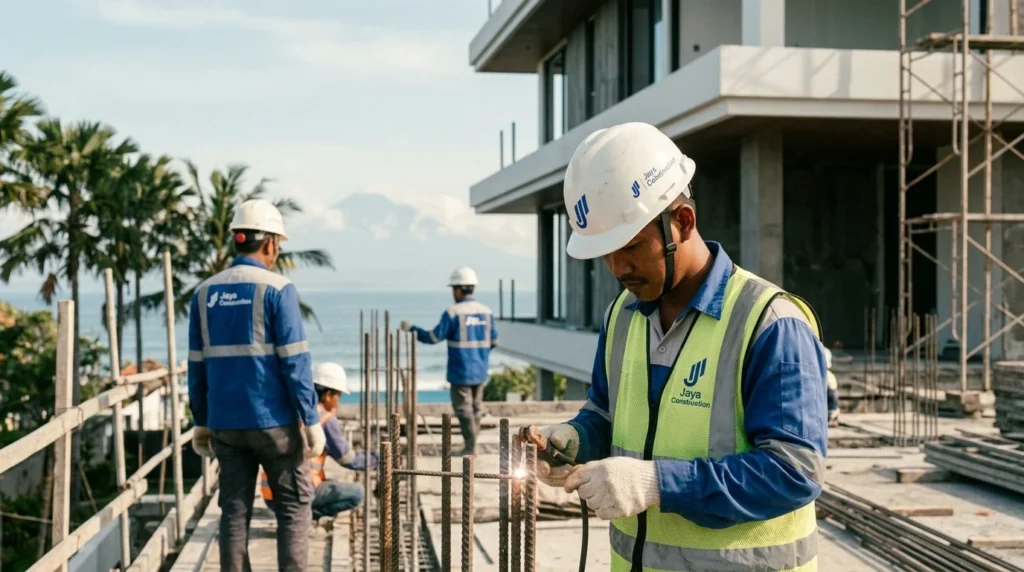
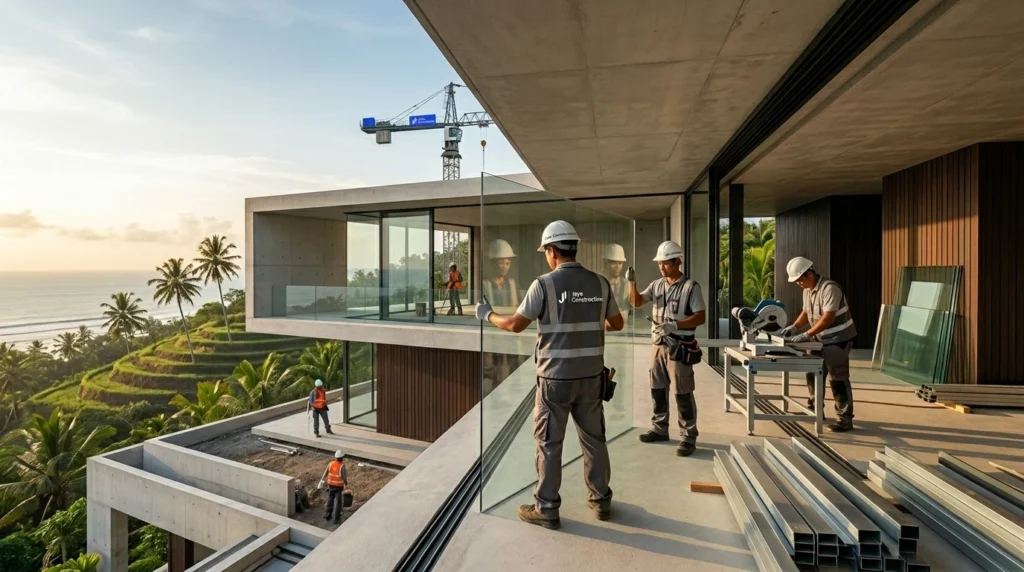
Finding contractors with experience in high-end, international-standard construction in Bali is challenging. A rigorous vetting process, clear contracts with detailed specifications, and the employment of an independent, international project management firm are essential to control costs, timelines, and, most importantly, quality. The tropical climate demands specific expertise in waterproofing, anti-termite treatments, and mold prevention.
Infrastructure and Utilities: The Hidden Backbone
A gated community is only as good as its infrastructure. Planning must include:
Roads and Drainage: Built to higher standards than typical local roads to handle monsoon rains.
Water Supply: Often requiring a combination of wells and water treatment plants, as municipal supply can be unreliable.
Waste Management: A comprehensive plan for solid waste and wastewater. Septic systems must be modern and environmentally sound.
Power and Connectivity: Ensuring sufficient electrical grid capacity or supplementing with solar power, and providing robust fiber-optic internet.
Fostering Community Pre- and Post-Completion
A sense of community doesn’t happen by accident. Developers should:
Create a “Founding Members” Group: Engage early buyers in decisions about final amenities, community guidelines, and social events.
Establish a Clear Legal Structure: The formation of a Homeowners Association (Perkumpulan Pemilik dan Penghuni Satuan Rumah Susun – P3SRS, or a similar legal entity) should be planned from the outset. Its bylaws, fee structure, and governance model must be transparent.
Hire a Professional Management Team: From the first resident moving in, professional staff for security, landscaping, facility maintenance, and concierge services are essential.
Phase 4: Operations, Sales, and Long-Term Stewardship
The launch and ongoing management determine the development’s reputation and value.
Crafting a Marketing and Sales Strategy
Marketing must be global yet targeted, using premium platforms, partnerships with international real estate agents, and leveraging high-quality virtual tours. The sales team must be experts not only in the property but in the intricacies of the Indonesian legal process for foreign buyers, guiding them smoothly through lease agreements and corporate structuring if needed.
The Rental Yield Proposition
For many buyers, generating income through rentals is a key decision driver. A developer can offer a professional, centrally managed rental program. This requires obtaining a Pondok Wisata (homestay) or commercial tourism license, adding another layer of permitting but creating a significant value-add for the project.
Upholding the Vision: Long-Term Management
The developer’s job doesn’t end at handover. The transition to a resident-run HOA must be supported. Long-term, the community’s quality depends on:
Maintaining Design Integrity: Enforcing architectural guidelines to prevent unsympathetic modifications.
Financial Prudence: Managing the HOA’s sinking fund for major repairs (e.g., re-roofing, road resurfacing).
Evolving with the Community: Adapting amenities and services to changing resident demographics and needs.
Conclusion: A Rewarding Endeavor for the Right Partner
Building a gated community in Bali is undeniably one of the most complex real estate ventures in Southeast Asia. It demands patience, significant capital, and a team with unparalleled local knowledge and international expertise. The rewards, however, are substantial. Done correctly, the developer creates more than a financial asset; they create a thriving, sustainable sanctuary that provides lasting value to residents and makes a positive, respectful contribution to the island’s cultural and environmental fabric.
The ultimate blueprint for success is built on four pillars: ironclad legal foundations, culturally intelligent design, transparent community governance, and unwavering commitment to quality. For those who approach this challenge with respect and diligence, the result is a unique legacy—a private piece of paradise that stands as a benchmark for luxury living in harmony with the Island of the Gods.
 By Jaya Construction Bali June 16, 2026
8 min read
By Jaya Construction Bali June 16, 2026
8 min read