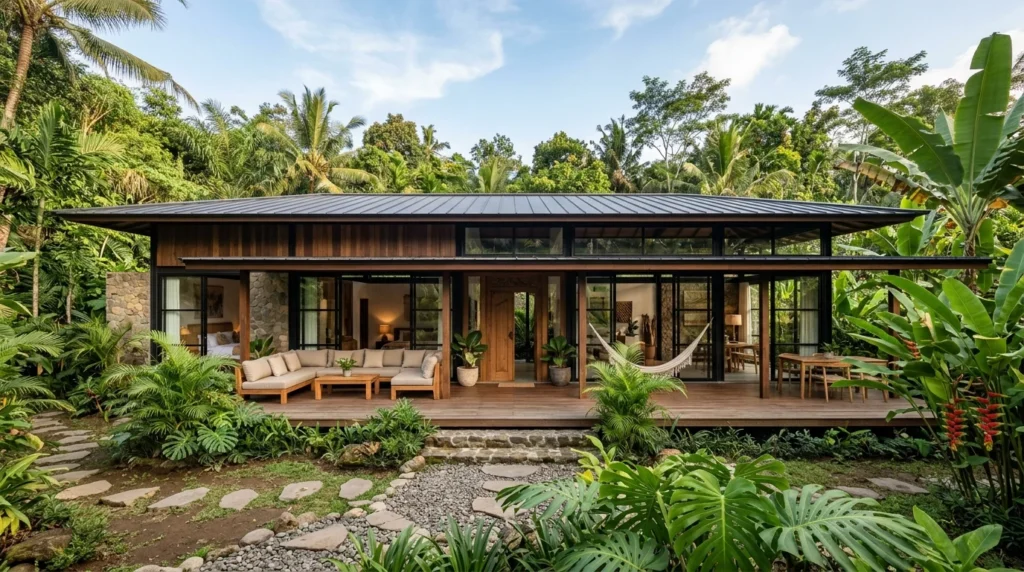
Bali Villa Income on Airbnb: A Realistic Earnings Guide for Property Owners
By Jaya Construction BaliJune 18, 20267 min read
In this article
Bali’s enduring allure as a tropical paradise has made it a powerhouse in the global short-term rental market. For property owners, the question isn’t just whether to list a villa on platforms like Airbnb, but more critically, how much can they realistically expect to earn? The answer is far from one-size-fits-all, as income potential hinges on a complex interplay of location, property quality, management, and market savvy. This comprehensive guide breaks down the factors that determine Bali villa earnings, provides realistic income benchmarks, and outlines key strategies for maximizing your return on investment.
The Allure of the Bali Rental Market
The fundamentals of Bali’s tourism industry create a fertile ground for villa rentals. The island welcomed over 6 million international tourists in 2023, a number rebounding strongly post-pandemic. This consistent demand, coupled with a growing preference for private, spacious accommodations over hotels, has solidified the position of villas—especially those with pools—as highly sought-after properties. However, the market is also increasingly competitive. Success no longer comes from simply listing a property; it requires understanding the nuances that separate a modest earner from a top-performing investment.
Key Factors Determining Your Villa’s Earnings Potential
Your villa’s nightly rate and annual occupancy are influenced by several critical variables. Understanding these allows for more accurate financial forecasting.
1. Location: The Single Most Important Factor
In real estate, the cliché holds true. In Bali, earnings can vary dramatically by area.
Prime Tourist Hubs: Villas in Seminyak, Canggu, and parts of Ubud (near the center) command the highest rates due to their proximity to beaches, trendy cafes, surf breaks, and cultural sites. A well-appointed 2-bedroom villa in Seminyak might average $200-$350+ per night during high season.
Emerging & Niche Areas: Locations like Uluwatu, Sanur, or Sidemen offer a different appeal—seclusion, stunning landscapes, or a quieter vibe. Rates are typically lower than Seminyak but can achieve high occupancy from guests seeking a specific experience.
The “Location Premium”: A villa just 10 minutes walk from Batu Bolong Beach in Canggu will earn significantly more than a similar villa 10 minutes drive inland. This premium is the most consistent predictor of baseline earnings.
2. Property Size, Amenities, and Quality
Guests on Airbnb are discerning. The following amenities are no longer luxuries but expected features that directly impact your pricing power:
Private Pool: Almost mandatory for villas. Properties without one see a drastic reduction in appeal and rate.
Modern Design & Cleanliness: Stylish interiors, high-quality linens, and impeccable cleanliness are fundamental.
Key Amenities: Air conditioning in bedrooms, reliable Wi-Fi, a fully equipped kitchen, and comfortable outdoor living spaces are essential.
Unique Selling Points: Features like an infinity pool, rice paddy views, in-villa spa services, or a home cinema can justify a significant price premium and attract higher-spending guests.
3. Seasonality and Dynamic Pricing
Bali’s tourism has distinct seasons, which must be reflected in your pricing strategy.
Peak Season (July-August, Christmas/New Year): Rates can be 50-100% higher than average. This is when villas make a substantial portion of their annual income.
Shoulder Season (April-June, September): Rates drop to moderate levels with good occupancy possible.
Low Season (January-March, October-November): Rates are at their lowest. Discounts and minimum stay requirements are often used to maintain occupancy. Successful owners use dynamic pricing software or a skilled manager to adjust rates daily based on demand, local events, and competitor pricing.
4. Management and Guest Experience
How your property is run is as important as the property itself.
Professional Management vs. Self-Management: A reputable, full-service management company typically charges 15-25% of the booking revenue but handles everything: listings, guest communication, check-in/out, cleaning, maintenance, and marketing. They often achieve higher occupancy and rates. Self-management saves on fees but demands significant time, local knowledge, and hands-on effort.
Reviews and Superhost Status: Consistently glowing reviews and Airbnb Superhost status boost your listing’s visibility and trust, allowing you to charge higher rates. Excellent guest experiences—from smooth check-ins to proactive communication—are non-negotiable for sustaining high earnings.
Realistic Income Benchmarks: From Studio to Grand Villa
With the factors above in mind, here are realistic annual net income ranges (after standard management fees but before taxes, major repairs, and mortgage payments). These are estimates based on current market data and assume competent management.
Entry-Level & 1-Bedroom Villas
Typical Profile: A stylish one-bedroom villa with pool, located in a good area like Pererenan or Berawa (Canggu).
Average Nightly Rate: $80 – $150
Target Occupancy: 60-75%
Estimated Annual Gross Revenue: $15,000 – $35,000
Best For: Solo travelers, couples. A solid starter investment, but income is limited by size.
Mid-Range: 2 to 3-Bedroom Villas (The Sweet Spot)
Typical Profile: A well-designed 2 or 3-bedroom villa with pool, modern amenities, in a sought-after area like Seminyak, Canggu, or central Ubud.
Average Nightly Rate: $150 – $350
Target Occupancy: 65-80%
Estimated Annual Gross Revenue:$40,000 – $90,000
Best For: Families, groups of friends. This segment has high demand and offers the best balance of occupancy and rate. This is the most common category for serious investors.
Premium & Luxury: 4+ Bedroom Villas
Typical Profile: A sprawling luxury villa with 4+ en-suite bedrooms, exceptional design, staff (often included), and prime positioning (beachfront, stunning view).
Average Nightly Rate: $400 – $1,500+
Target Occupancy: 50-70% (Luxury villas have more distinct high/low seasons)
Best For: Large families, corporate retreats, weddings. High earnings but higher operational costs (staff, maintenance) and greater sensitivity to economic downturns.
Critical Costs to Deduct for Your Net Income
Gross revenue is just the starting point. To understand true profitability, you must subtract ongoing expenses:
Management Fees: 15-25% of revenue.
Cleaning Fees: Often passed to the guest, but owner-paid turnover cleaning between long stays is a cost.
Utilities: Electricity (air con is a major cost), water, internet.
Staff: If not included in management, a dedicated villa manager, cleaner, and gardener are typical.
Maintenance & Repairs: Pool upkeep, garden care, appliance repairs—budget 5-10% of revenue.
Taxes: Income tax in Indonesia applies. Consult a local accountant.
Platform Fees: Airbnb charges hosts a 3% service fee on each booking.
A well-run 3-bedroom villa in Canggu might gross $65,000 annually. After management fees ($13,000), utilities ($3,000), maintenance ($5,000), and other costs, the net pre-tax income could be around $40,000-$45,000.
Strategies to Maximize Your Bali Villa Earnings
Invest in Professional Photography & Listing Optimization: First impressions are everything. High-quality, bright photos showcasing your villa’s best features are the single most effective investment. Use keywords in your title and description that travelers search for.
Embrace Dynamic Pricing: Never set a flat rate. Use tools like PriceLabs, Wheelhouse, or rely on your manager’s expertise to adjust prices based on season, day of the week, and local demand spikes.
Prioritize Direct Bookings: While Airbnb is crucial, building a simple website and capturing repeat guest emails can save you platform fees (which add up to 15-20% including taxes). Offer a small incentive for direct bookings.
Curate an Unforgettable Experience: Small touches matter: a welcome basket, a local phone with data, a curated guidebook with your personal recommendations, or partnering with local drivers and tour guides. These lead to 5-star reviews and repeat visitors.
Understand Your Target Guest: Is your villa a romantic retreat, a family hub, or a surf shack? Tailor your amenities, decor, and marketing message to your ideal guest to attract the right crowd and justify your pricing.
Conclusion: A Lucrative but Active Investment
So, how much can a Bali villa earn on Airbnb? The answer ranges from a modest supplemental income for a small property to a very substantial business for a well-located, professionally managed luxury villa. A realistic benchmark for a well-executed mid-range villa is a gross annual revenue of $40,000 to $90,000, with net profitability depending heavily on effective cost management and operational efficiency.
The key takeaway is that owning a rental villa in Bali is not a completely passive investment. It requires active involvement, either through your own time or by engaging a competent management team. The market is rewarding but competitive. Owners who treat it as a hospitality business—focusing on guest experience, savvy pricing, and property quality—are the ones who maximize their earnings and build a sustainable, profitable asset in one of the world’s most desirable destinations.
 By Jaya Construction Bali June 18, 2026
7 min read
By Jaya Construction Bali June 18, 2026
7 min read