The Essential Guide to Avoiding Cost Overruns on Your Bali Villa Project
By Jaya Construction BaliJune 17, 20267 min read
In this article
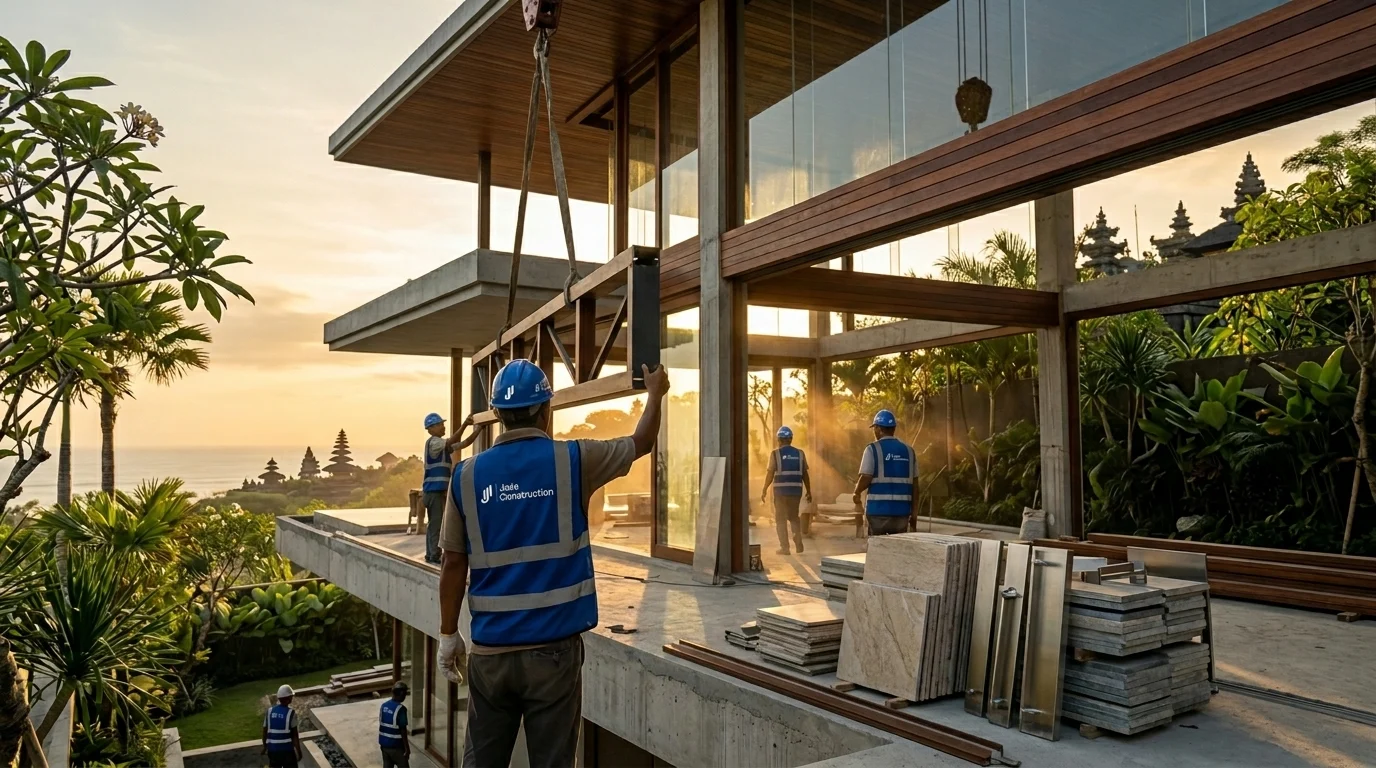
Building a villa in Bali is a dream for many, offering a blend of tropical paradise and a potentially lucrative investment. However, the journey from a stunning architectural rendering to a finished home is fraught with financial pitfalls that can turn that dream into a stressful, expensive reality. Cost overruns are notoriously common in construction, and Bali, with its unique regulatory environment and supply chain dynamics, presents specific challenges. The difference between a successful project and a financial headache often lies in meticulous planning, disciplined management, and local savvy. This comprehensive guide outlines the critical strategies to keep your Bali villa project on budget, ensuring your investment remains as beautiful as the island itself.
The Foundation: Detailed Planning and Realistic Budgeting
The single most important phase to prevent cost overruns happens before a single brick is laid. Rushing into construction without a rock-solid plan and a realistic, detailed budget is the primary reason projects fail financially. In Bali, this planning phase requires an extra layer of scrutiny.
Invest Heavily in the Design and Documentation Phase.
This is not an area to cut corners. Your architectural drawings and engineering plans must be exceptionally detailed and finalized before obtaining quotes or starting construction. Vague plans lead to ambiguity, which invariably leads to expensive change orders and disputes down the line. Your drawings should include everything from structural details, electrical and plumbing layouts, to finishes, fixtures, and fittings. The goal is to have such a comprehensive document set that a contractor can price it accurately and your site manager can execute it with minimal questions. This upfront investment saves exponentially later.
Your budget must be a living document built from the ground up, not a guess. It should include the following categories, each with a detailed line-item estimate:
Land Acquisition and Legal Fees: Including not just the price of the land, but due diligence costs, notary fees (PPAT), and taxes.
Professional Fees: Architect, structural engineer, MEP (Mechanical, Electrical, Plumbing) engineer, and interior designer.
Government Permits and Licenses: The IMB/PBG (building permit) and any associated fees, environmental compliance costs.
Construction Hard Costs: Material and labor costs for every aspect of the build—foundation, structure, roofing, walls, flooring, tiling, carpentry, painting, etc.
MEP Systems: Air conditioning, plumbing fixtures, electrical wiring, solar panels, water heaters, septic tanks.
Landscaping and Outdoor Features: Pools, decking, gardens, pathways, retaining walls.
Furniture, Fixtures, and Equipment (FF&E): This is a major cost center often underestimated. It includes everything from beds and sofas to cutlery and linens for rental villas.
Contingency Fund:This is your most critical budget line. A contingency of 15-20% is non-negotiable for building in Bali. It covers unforeseen ground conditions, price fluctuations in materials, minor design adjustments, and weather delays. Do not plan to use this fund for upgrades; it is your safety net.
The Contractor Conundrum: Selection and Contract
Choosing the right contractor is arguably the most impactful decision you will make. In Bali’s competitive market, the cheapest quote is often the most expensive in the long run.
Vetting and Selecting Your Builder.
Do not select a contractor based solely on a low price. A suspiciously low bid often means they have underestimated the scope, plan to use inferior materials, or intend to make their profit through aggressive change orders later. Instead, follow this process:
Get Referrals and Visit Past Projects: Speak with other expats or villa owners who have recently built. Visit completed villas and talk to the owners about their experience, particularly regarding budget adherence and communication.
Request Detailed, Itemized Quotes: Ask at least three reputable contractors for quotes based on your finalized drawings. The quotes should be broken down by labor and materials for each major phase, allowing for true comparison.
Interview Them Extensively: Gauge their understanding of the project, their communication style, and their willingness to discuss problem-solving. A good contractor will ask insightful questions about your plans.
Once selected, the contract must be your bible. A well-drafted contract protects both parties and sets clear expectations. Key elements to include are:
Scope of Work: A direct reference to the complete set of architectural and engineering drawings.
Bill of Quantities (BoQ): An exhaustive list of all materials, specifications, and quantities. This is the key to avoiding disputes over what is included.
Total Fixed Price and Payment Schedule: A fixed price is strongly preferred to a “cost-plus” model. Payments should be milestone-based (e.g., 20% on foundation completion, 30% on structure, etc.) and tied to the verification of completed work.
Timeline with Penalties and Incentives: A clear start date, milestones, and completion date. Include clauses for liquidated damages for significant delays and potential bonuses for early completion.
Change Order Process: A formal written procedure for any deviations from the original plan, requiring signed approval for both scope changes and associated costs before work proceeds.
Warranty and Defects Liability Period: Typically a 12-month period post-handover where the contractor is obligated to fix any defects.
During Construction: Vigilant Cost Control and Communication
With a solid plan and contract in hand, the project moves to the site. This is where discipline and oversight determine whether your budget holds.
Implement Strong Project Management.
You cannot be an absentee owner and expect to stay on budget. You have two primary options:
Hire an Independent Project Manager (PM): This is highly recommended for overseas investors or busy individuals. A good, independent PM (not one employed by your contractor) acts as your eyes, ears, and technical authority on-site. They verify work quality, approve material deliveries against the BoQ, authorize milestone payments, and manage day-to-day communications. Their fee (typically 7-10% of construction cost) often pays for itself many times over by preventing overcharges and poor workmanship.
Be Present and Engaged: If you are living in Bali and have the time and technical aptitude, you can manage the project yourself. This requires daily site visits, meticulous record-keeping, and a firm hand with the contractor and foreman.
Master the Art of Cost Tracking.
Maintain a detailed financial ledger that tracks every single expenditure against your budget categories. This spreadsheet should be updated weekly. Review it alongside the project’s physical progress. Are you 40% through the budget but only 30% through construction? That’s an early warning sign to investigate. Scrutinize every invoice and material delivery note. Ensure they match the agreed specifications and quantities.
Navigating Changes and The “Bali Factor”
Even with perfect planning, some changes are inevitable. The key is to manage them, not be ambushed by them.
Formalize the Change Order Process.
Any change, no matter how small—whether initiated by you (upgrading tiles) or by unforeseen circumstances (discovering rock where the pool was planned)—must go through the formal contract change order process. The contractor must provide a written quote for the cost and time impact. You must approve this in writing before any work begins. This discipline prevents “scope creep,” where small, un-tracked additions silently inflate your final cost.
Account for the “Bali Factor.”
Be prepared for local realities that can impact your budget:
Material Price Fluctuations: The cost of materials like sand, steel, and cement can change. Your contingency fund and a fixed-price contract (if the builder honors it) are your protection.
Weather: Bali’s wet season (Nov-Mar) can cause significant delays, impacting labor costs and timelines. Plan your major construction phases to minimize exposure.
Cultural and Time Considerations: Business moves at a different pace. Nyepi (Day of Silence), Galungan, and other religious holidays mean work stops. Buffer these into your timeline to avoid overtime payments.
Import Costs: For specialized equipment, fixtures, or furniture, factor in steep import duties, shipping costs, and local taxes. Always get a landed cost estimate before committing.
Conclusion: Diligence is the Price of Paradise
Building a villa in Bali is a complex project, but it is by no means an impossible one to manage financially. The blueprint for avoiding catastrophic cost overruns is clear: it begins with exhaustive planning and a realistic, line-item budget anchored by a robust contingency fund. It proceeds with the careful selection of a reputable contractor and the execution of a watertight, fixed-price contract. Its success, however, is cemented by disciplined, transparent oversight during construction—through vigilant cost tracking, a rigid change order process, and either your own dedicated presence or the hire of an independent professional advocate. By respecting the unique logistics of the island and maintaining unwavering financial discipline, you can transform your vision into a beautiful, completed reality without the nightmare of uncontrolled expenses. Your dream in paradise deserves nothing less than this professional, meticulous approach.
 By Jaya Construction Bali June 17, 2026
7 min read
By Jaya Construction Bali June 17, 2026
7 min read