Building Paradise: A Comprehensive Guide to Guest Villa Construction for Hospitality in Bali
By Jaya Construction BaliOctober 25, 20268 min read
In this article
Bali, the fabled “Island of the Gods,” has long captivated the world with its stunning landscapes, profound spirituality, and vibrant culture. For decades, it has been a premier tourism destination, and in recent years, the demand for exclusive, private accommodation has soared. This has made the construction of guest villas for hospitality a lucrative and dynamic sector of its economy. However, building in Bali is not merely a matter of brick and mortar; it is a complex interplay of respecting deep-rooted traditions, navigating unique environmental conditions, understanding intricate legal frameworks, and meeting the high expectations of a global clientele. This guide delves into the multifaceted world of guest villa construction in Bali, offering a roadmap for investors, developers, and entrepreneurs aiming to create successful and sustainable hospitality assets.
The Allure of the Balinese Villa Model
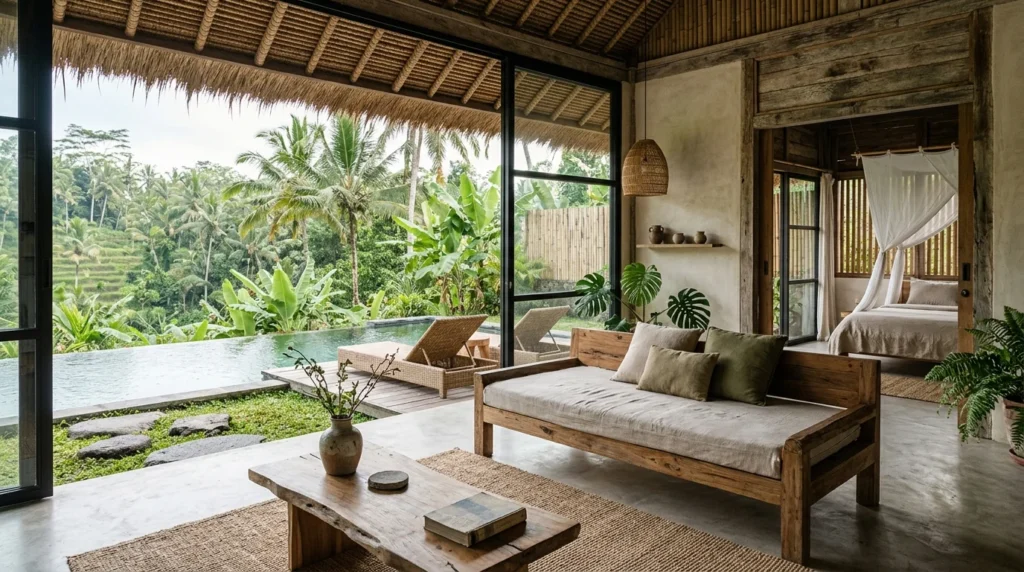
The shift from large-scale resorts to private villas reflects a global travel trend towards privacy, personalized service, and authentic, immersive experiences. In Bali, this model thrives. Guests seek more than just a room; they seek a home, a sanctuary that embodies the island’s aesthetic and tranquility. A well-designed villa becomes an integral part of the holiday experience, featuring open-air living spaces, lush private gardens, stunning infinity pools, and interiors that blend contemporary luxury with Balinese artistry. For investors, villas offer higher nightly rates, greater operational flexibility, and the potential for strong returns on investment, especially in coveted areas like Seminyak, Canggu, Ubud, and Uluwatu.
Phase One: Strategic Planning and Feasibility
Success begins long before the first stone is laid. Thorough planning is the bedrock of a viable project.
1. Market Analysis and Niche Definition:
The Balinese market is saturated with generic villas. To stand out, you must define a clear niche. Will you target honeymooners, wellness retreats, digital nomads, surfing enthusiasts, or large families? Your niche will dictate location, design philosophy, amenities (e.g., yoga shala, home cinema, co-working space), and pricing strategy.
2. Location Scouting:
Location is paramount and goes beyond just a “nice view.” Key considerations include:
Zoning and Accessibility: Is the land zoned for tourism (Hak Pakai or HGB title)? Is it accessible by car? Proximity to beaches, restaurants, and attractions is critical, but so is the balance between convenience and the seclusion guests often desire.
Topography and Views: A sloping plot can enable spectacular tiered designs and infinity pool views but will increase construction complexity and cost.
Environmental and Cultural Sensitivity: Avoid plots that disrupt water sources, sacred sites (pura), or communal rice fields (subak). Engaging with the local Banjar (community council) early is not just courteous; it is essential for social license to operate.
3. Financial Feasibility:
Develop a detailed business plan covering land acquisition costs, all professional fees (architects, consultants, legal), construction costs (often budgeted per square meter), permits, FF&E (Furniture, Fixtures, and Equipment), pre-opening marketing, and a contingency fund of at least 10-15% for unforeseen expenses. Project realistic occupancy rates and operational costs to calculate return on investment timelines.
Phase Two: Legal Foundations and Land Acquisition
The legal landscape for foreign investors in Indonesian real estate is notoriously complex. Proceeding without expert local legal counsel is a recipe for disaster.
Understanding Land Titles:
Foreign individuals cannot own freehold land (Hak Milik) in Indonesia. The common legal structures are:
Hak Pakai (Right to Use): A secure leasehold right available to foreign individuals or foreign-owned companies (PT PMA) for an initial period of 30 years, extendable for 20 and then 30 years.
Hak Guna Bangunan (Right to Build): Typically granted to foreign-owned companies (PT PMA) for an initial 30-year period, extendable for another 20 years.
Nominee Agreement (Risky & Discouraged): An older, informal method where a local Indonesian “nominee” holds the Hak Milik title on behalf of a foreigner. This is legally grey, offers no protection, and is increasingly discouraged by authorities.
The Role of the PT PMA:
For serious hospitality ventures, establishing a foreign-owned limited liability company (PT PMA) is often the most secure and professional route. This allows the company to hold Hak Guna Bangunan title, enter into contracts, hire staff, and operate legally. The process involves multiple ministries and requires a minimum investment plan.
Due Diligence and Notary (PPAT):
A thorough due diligence process is non-negotiable. A reputable notary (PPAT) and lawyer must verify the land title, check for any liens or disputes, confirm zoning compliance, and ensure there are no outstanding land taxes (PBB). The notary will oversee the official land agreement signing.
Phase Three: Design and Architecture – The Balinese Ethos
This is where the villa’s soul is created. The goal is to design a structure that is both functionally luxurious for guests and respectful of its environment and culture.
Embracing Tri Hita Karana:
This Balinese Hindu philosophy emphasizes harmony with God, nature, and fellow humans. Translating this into architecture means:
Harmony with Nature (Palemahan): Design should work with the landscape, not dominate it. Preserve existing trees, incorporate natural rock formations, and use native plants in landscaping. Sustainable practices like rainwater harvesting, solar panels, and natural ventilation are both ethical and increasingly expected by guests.
Harmony with Humanity (Pawongan): Layout should facilitate seamless service. Staff areas and pathways should be integrated but discreet. The design should foster a sense of community within the guest party while offering private retreats.
Key Architectural Elements:
Open Living Concept: The traditional Balinese bale (pavilion) inspires open-sided living and dining areas that blur the line between inside and outside, capturing breezes and garden views.
Alang-Alang Roofing: The iconic thatched roof made from alang-alang grass provides excellent natural insulation and a quintessential Balinese aesthetic.
Integration of Water and Gardens: Water features (ponds, fountains, pools) are central, symbolizing purity and life. Lush, layered gardens using frangipani, heliconia, and bougainvillea are mandatory.
Use of Natural Materials: Incorporating local materials like paras (volcanic stone), teak wood, bamboo, and woven rattan grounds the structure in its place and supports local craftsmanship.
Spatial Planning (Asta Kosala Kosali): This traditional Balinese architectural system, similar to Feng Shui, guides the orientation and spatial hierarchy of buildings. While not strictly mandatory, consulting a knowledgeable architect on these principles can add cultural authenticity and is respected by local communities.
Hiring the Right Team:
Engage an architect and interior designer with extensive experience in Bali’s hospitality sector. They will understand the practicalities of tropical construction, sourcing local artisans, and navigating the permitting process. Their portfolio should reflect a style that resonates with your vision.
Phase Four: The Construction Process
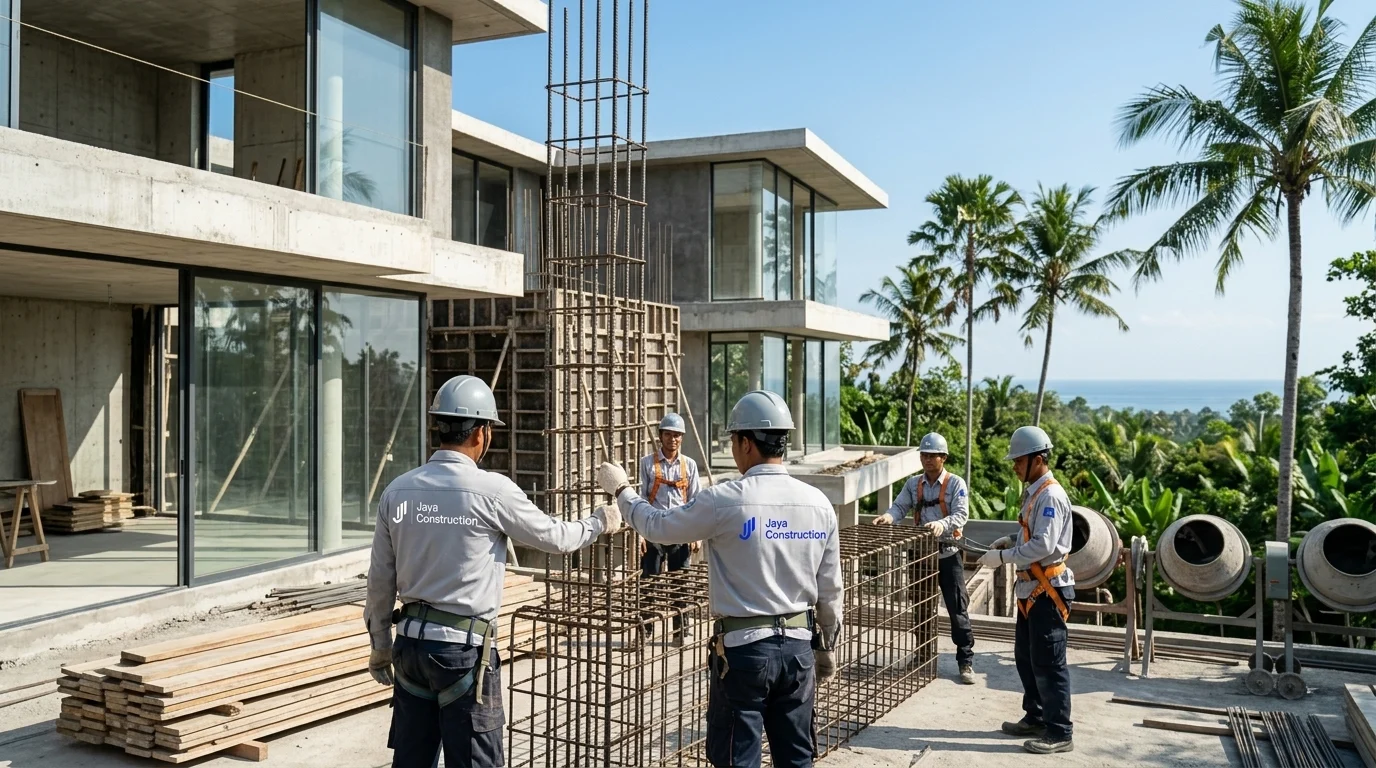
Building in Bali’s tropical climate requires specific techniques and vigilant management.
Selecting a Contractor:
Choose a contractor with a proven track record in villa construction, not just general building. Request multiple references and visit completed projects. Clarify whether the contract is a “turnkey” price or a “cost-plus” agreement, each with its own risk profile. A detailed, milestone-based payment schedule is crucial.
Permit Acquisition (IMB/PBG):
Your architect and contractor will manage the complex process of obtaining the Building Permit (Izin Mendirikan Bangunan – IMB, now largely replaced by Persetujuan Bangunan Gedung – PBG). This involves submitting detailed architectural and structural plans to local authorities. This process can be lengthy and requires patience.
Construction Best Practices:
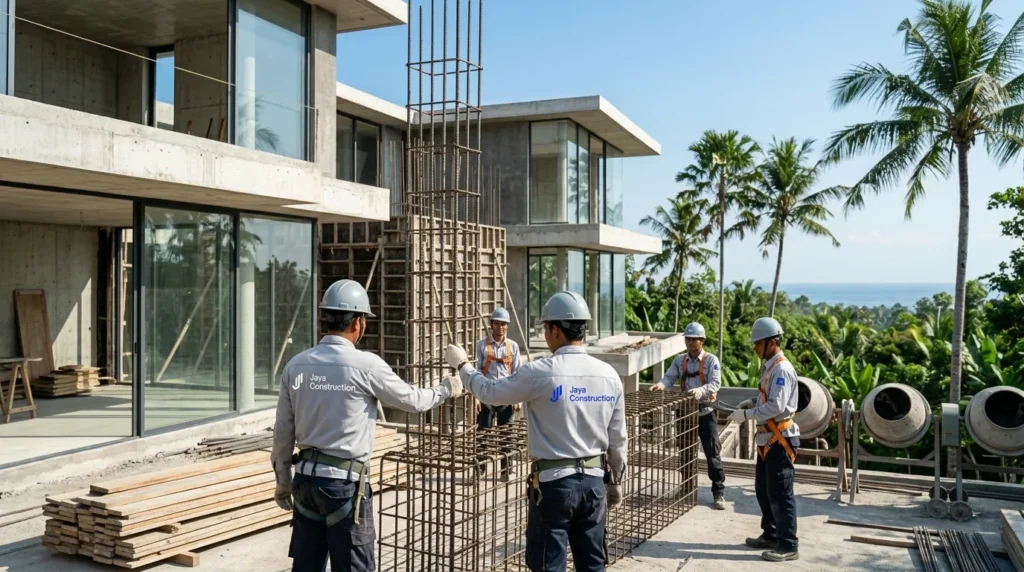
Foundations: Bali’s seismic activity necessitates robust, engineered foundations. The type depends on soil conditions and structural load.
Waterproofing: Superior waterproofing is critical for bathrooms, terraces, and roofs to prevent mould and structural damage during the heavy rainy season.
Ventilation and Drainage: Design for cross-ventilation to reduce reliance on air conditioning. Ensure proper site drainage to prevent flooding.
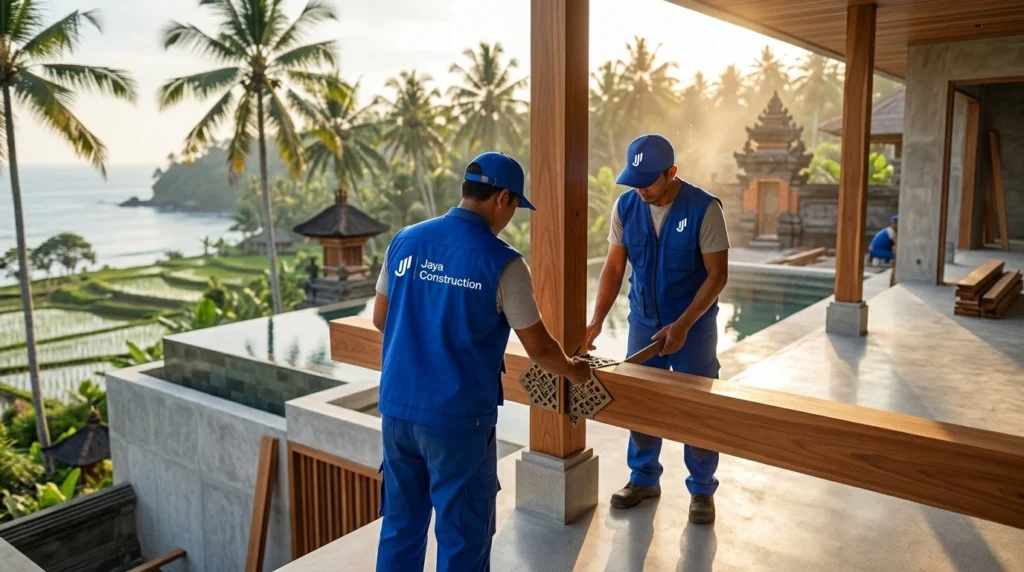
Skilled Labor: Bali has a pool of highly skilled artisans in stonework, woodcarving, and roofing. Utilize their talents to create authentic, high-quality finishes.
Supervision and Quality Control:
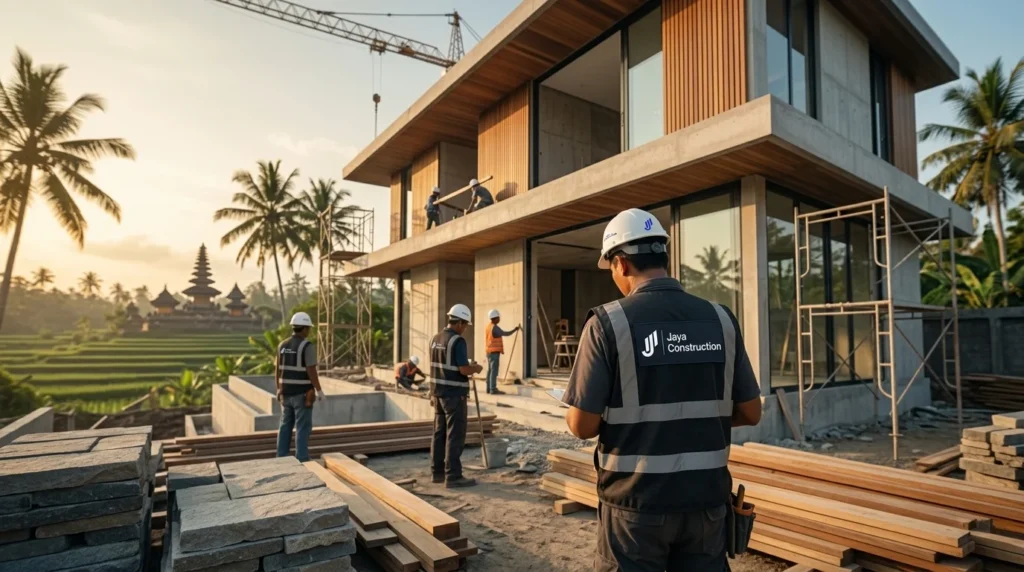
An on-site project manager or clerk of works is essential to ensure quality, adherence to plans, and that materials specified are actually used. Regular site meetings with the contractor and designer are vital to resolve issues quickly.
Phase Five: Operations, Sustainability, and Long-Term Success
Construction is just the beginning. The villa’s long-term success depends on its operational model and commitment to sustainability.
Staffing and Management:
A villa is only as good as its team. Hiring and training a dedicated villa manager, butler, housekeepers, and a gardener/pool attendant is critical. For individual villa owners, outsourcing management to a professional villa management company is a common and effective solution. They handle bookings, marketing, guest services, and maintenance for a percentage of revenue.
Sustainable Operations:
Integrate sustainability into daily operations. This includes waste management (composting, recycling, minimizing single-use plastics), energy-efficient appliances, greywater recycling systems, and sourcing food locally for any in-villa dining services. Eco-conscious practices are no longer a niche appeal but a core expectation for many travelers.
Marketing and Distribution:
Create a strong brand identity with professional photography and videography. List the villa on major online travel agencies (OTAs) like Airbnb, Booking.com, and specialized villa rental sites. A direct booking website is also valuable to avoid commission fees. Leverage social media to tell the story of the villa and the unique experiences it offers.
Conclusion: More Than a Structure
Constructing a guest villa for hospitality in Bali is a venture that promises both financial reward and creative fulfillment. It is, however, a complex undertaking that demands more than capital; it requires respect, patience, and a partnership with the island itself. The most successful villas are those that transcend being mere buildings. They become vessels for Balinese culture, examples of sustainable development, and, most importantly, places where guests forge unforgettable memories. By meticulously navigating the phases of planning, legal groundwork, culturally-sensitive design, quality construction, and mindful operation, you can build not just a property, but a little piece of paradise that contributes positively to the island’s future. The investment is in a product that, when done right, offers a timeless and deeply desirable form of modern hospitality.
 By Jaya Construction Bali October 25, 2026
8 min read