Back to the journal
Construction insights
How to Build a Digital Nomad Hub in Bali
 By Jaya Construction Bali October 24, 2026
7 min read
By Jaya Construction Bali October 24, 2026
7 min read
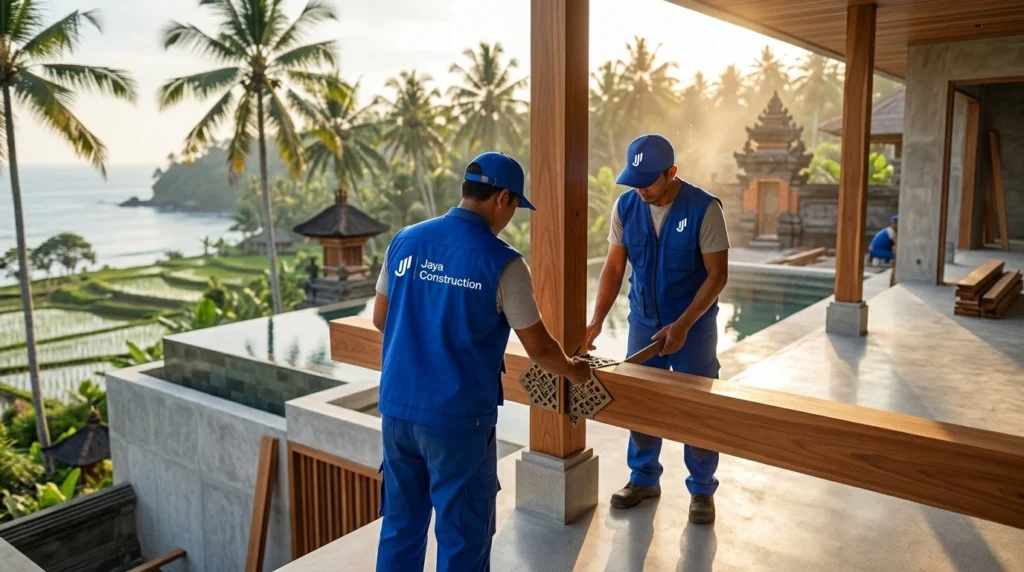
Bali has long transcended its reputation as merely a tropical paradise for surfers and spiritual seekers. In the last decade, it has firmly established itself as a global epicenter for the digital nomad movement, drawing a vibrant tapestry of remote workers, entrepreneurs, and creatives to its shores. The allure is undeniable: a low cost of living, a profound culture of hospitality, breathtaking natural landscapes, and an increasingly robust digital infrastructure. However, the surge in popularity has also led to saturation in popular areas like Canggu and Ubud, creating noise, congestion, and a sometimes-superficial social scene. The next evolution of Bali’s nomad story isn’t just about individual remote workers finding a spot; it’s about intentional communities and entrepreneurs building sustainable, value-driven digital nomad hubs. Building such a hub is a complex endeavor that blends real estate, community management, cultural sensitivity, and modern entrepreneurship. It requires moving beyond co-living and co-working to create an integrated ecosystem that supports professional productivity, personal growth, and genuine connection.
Before scouting locations or designing logos, a clear vision is paramount. The market is evolving. Today’s nomads are not a monolith; they are startups, established freelancers, tech employees, artists, and impact-driven professionals. A successful hub must define its niche. Will it cater to early-stage tech founders needing investor access? To wellness-focused freelancers seeking mindfulness integrated into their workday? Or to creative professionals looking for studio space and artistic inspiration? This core identity will inform every subsequent decision, from architectural design to the programming of community events. The “why” must extend beyond profit to creating a meaningful impact—for the members, for the local Balinese community, and for the sustainable evolution of the island’s digital economy. This philosophical bedrock is what will differentiate a transactional space from a transformative one.
The dream requires a detailed blueprint. A comprehensive business plan should outline financial projections, target demographics, revenue streams, and a unique value proposition.
Location is the most critical variable. While Canggu is famous, its infrastructure is strained. The future of intentional hubs may lie in emerging areas. Consider regions like:
Key location factors include:
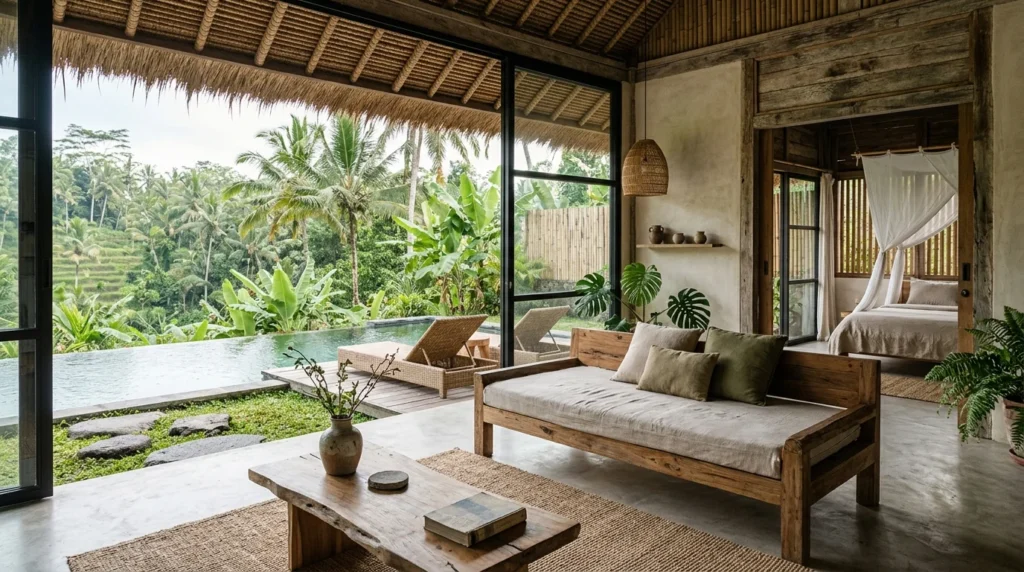
The physical space must be a catalyst for productivity and connection. It should be designed with input from the target community, blending Balinese aesthetics with modern functionality.
Incorporate open-air workspaces, private phone booths, dedicated meeting rooms, and various seating options (standing desks, ergonomic chairs, communal tables). Integrate nature seamlessly—living walls, courtyard gardens, and water features are not just decorative; they reduce stress and enhance creativity. Design for cross-pollination: strategically place the coffee bar and lounge areas to encourage spontaneous interactions. Consider mixed-use spaces that can host workshops, film screenings, or yoga classes after hours.
This is the backbone. Go beyond fast internet. Provide:
For a true hub, co-living is essential. Design private rooms and shared villas that foster community without sacrificing privacy. Create communal kitchens and living areas that encourage shared meals and conversation. The co-living space must feel like a sanctuary, a place to recharge after a day of work. Implement clear guidelines on cleaning, noise, and shared responsibilities to maintain harmony.
This is where most spaces fail or succeed. Community cannot be forced, but it can be thoughtfully facilitated. The role of a community manager is as vital as that of a property manager.
Create a rhythm for the hub. This includes:
A rigorous, values-based application process helps ensure members are aligned with the hub’s ethos. During onboarding, introduce new members to the space, its culture, and the team. Assign a “buddy” for the first week. The goal is to create a self-sustaining ecosystem where members actively contribute, leading initiatives, mentoring others, and hosting their own events.
Operating a business in Indonesia, particularly one catering to foreigners, requires navigating a complex legal landscape. Cultural and legal sensitivity is non-negotiable for long-term sustainability.
Establish a foreign-owned company (PT PMA) or work with a trusted local partner to set up a local entity. The choice affects everything from taxation to operational control. The 2022 introduction of the Second Home Visa (B211A) is a game-changer, allowing qualified remote workers to stay for up to five years. Your hub can become a resource, guiding members through the visa application process and connecting them with reputable agents.
The most successful hubs will be those that are seen as a benefit, not a burden, to the local community. This means:
A hub’s financial health depends on a diversified model. Relying solely on desk rentals is risky.
Building a digital nomad hub in Bali is an ambitious, multifaceted project that goes far beyond real estate and fast Wi-Fi. It is an exercise in community building, cultural diplomacy, and sustainable entrepreneurship. The hubs that will thrive in the coming years will be those that move beyond the commodification of the nomad lifestyle and instead offer a genuine platform for professional growth, personal transformation, and meaningful connection—both among its members and with the beautiful island that hosts them. By prioritizing intentional design, curated community, legal diligence, and deep respect for Balinese culture, an entrepreneur can build not just a profitable business, but a legacy project that positively shapes the future of remote work in Southeast Asia. The blueprint is complex, but for those willing to undertake it, the reward is creating a home and a launchpad for the next generation of global citizens.
Share your site, plans, priorities, or questions. Our team can help turn early information into a practical construction path.