Mastering the Stages: A Strategic Guide to Phasing a Multi-Villa Resort Build in Bali
By Jaya Construction BaliOctober 22, 20267 min read
In this article
The allure of building a multi-villa resort in Bali is undeniable. With its breathtaking landscapes, vibrant culture, and robust tourism industry, the island presents a compelling opportunity for hospitality investors. However, the path from a lush plot of land to a thriving resort is complex, capital-intensive, and fraught with unique challenges, from navigating intricate local regulations to managing terrain and ensuring environmental sensitivity. The most successful developers in this space understand that a phased approach to construction is not merely a convenience—it is a critical strategic necessity. Proper phasing mitigates financial risk, aligns with market demand, and allows for adaptive management, transforming a monumental project into a manageable, sequential series of steps.
This guide provides a comprehensive roadmap for developers and investors outlining how to strategically phase a multi-villa resort build in Bali, ensuring each stage lays a secure foundation for the next.
Why Phasing is Non-Negotiable for Bali Resort Development
Before diving into the specific phases, it’s crucial to understand the underlying rationale. Unlike a single-building project, a multi-villa resort involves significant infrastructure, diverse architectural components, and staggered revenue streams. Phasing addresses several core challenges:
Capital Expenditure Management: Spreading the massive initial outlay over multiple phases prevents overwhelming upfront costs and allows revenue from early phases to help fund subsequent ones.
Risk Mitigation: Testing the market with an initial phase of villas provides real-world data on pricing, occupancy, and guest preferences, which can inform design and amenity adjustments for later phases.
Regulatory Navigation: Bali’s land and building permit (IMB) process is complex. Phasing allows developers to secure permits and begin construction incrementally, often focusing initial efforts on areas with fewer bureaucratic hurdles.
Operational Integration: It enables the gradual scaling of the resort’s operational team, ensuring service quality is maintained as the property expands.
Environmental & Community Sensitivity: A staged approach minimizes the initial footprint on the environment and surrounding community, allowing for ongoing assessment and mitigation measures.
The Five Strategic Phases of a Multi-Villa Resort Build
A well-orchestrated phasing plan typically follows a logical, sequential progression from foundational work to full operational maturity.
This foundational phase sets the trajectory for the entire project and is where strategic decisions have the most profound impact.
Feasibility & Market Analysis: This initial step involves deep-dive research into the target location (e.g., Uluwatu for surfers, Ubud for wellness seekers, Canggu for a younger demographic). Analyze competition, identify a unique selling proposition (USP), and develop a realistic financial model covering projected construction costs, operational expenses, and revenue streams.
Land Acquisition & Due Diligence: Securing the right land is paramount. Engage a reputable local notary (notaris) and legal counsel to conduct thorough title searches (Hak Sewa or Hak Pakai are most common for foreigners), verify zoning and land use (Rencana Tata Ruang), and ensure no disputes. Understanding the topography and soil conditions at this stage informs the master plan.
Concept Design & Master Planning: Work with architects experienced in Balinese regulations and tropical design to create a master plan. This document is the project’s blueprint, detailing the layout of all villas, public facilities (lobby, restaurant, spa, pools), access roads, and utility corridors. Crucially, the master plan must be designed with phasing in mind, identifying the logical sequence of construction zones.
Secure Primary Permits: Obtain the initial, critical permits, which often include the Persetujuan Bangunan Gedung (PBG – building approval) and environmental permits (UKL-UPL). This process can be lengthy and requires meticulous documentation.
Phase 2: Site-Wide Infrastructure & Model Villas (6-12 Months)
With permits in hand, the project moves into its first physical stage. The goal here is to prepare the entire site and build a proof-of-concept.
Master Infrastructure Construction: This involves building the essential “backbone” that will serve all future phases. Work includes:
* Access Roads & Internal Pathways: Creating durable access to the site and the main circulation paths.
* Utility Networks: Laying the primary conduits for water, sewage (often via septic systems or bio-filters), electricity, and data/telecommunications. Building the main water tanks and transformer stations.
* Retaining Walls & Landscaping: Implementing necessary terracing and erosion control, especially on sloping sites common in Bali.
Construction of Model Villas (Phase 1A): Simultaneously, build the first cluster of 2-4 villas. These serve a triple purpose:
* Operational Prototype: They act as a physical showroom to attract early investors and guests.
* Construction Refinement: They allow the construction team and architect to finalize material specifications, detail fixes, and establish efficient building processes.
* Initial Revenue Stream: These villas can be completed, furnished, and begin generating rental income within this phase, contributing to the project’s cash flow.
Phase 3: Core Resort Development & Vertical Construction (12-24 Months)
This is the most capital-intensive phase where the resort’s core identity takes shape.
Construction of Main Public Facilities: Focus now shifts to building the heart of the resort. This includes the main lobby, reception, the primary restaurant and bar, central infinity pool, spa treatment rooms, and back-of-house facilities (staff areas, laundry, kitchens). Completing these first is a strategic decision; it provides a compelling experience for guests staying in the initial villas and establishes the resort’s brand.
Staggered Construction of Villa Clusters (Phase 1B & 1C): With infrastructure in place, villa construction proceeds in logical clusters. For example:
* Phase 1B (Concurrent with public facilities): Build the next 4-6 villas, often targeting a different market segment (e.g., a mix of one-bedroom and two-bedroom units).
* Phase 1C (Following completion of public facilities): Construct the subsequent cluster, potentially introducing a new villa category (e.g., premium cliff-edge or family villas).
Continuous Refinement: Lessons learned from the model villas and guest feedback are applied to each new cluster, improving efficiency and design.
This phase is not strictly about construction but about the critical transition to becoming a functioning business.
Staged Opening (Phased Launch): The resort does not wait until every villa is complete to open. The “soft opening” occurs when the main facilities and a significant portion of the villas (e.g., Phase 1B) are ready. This allows the operational team to train, refine service protocols, and build early reviews and a reputation.
Brand Building & Marketing Ramp-up: Use this period to generate buzz, secure media coverage, and refine marketing strategies based on real guest experiences.
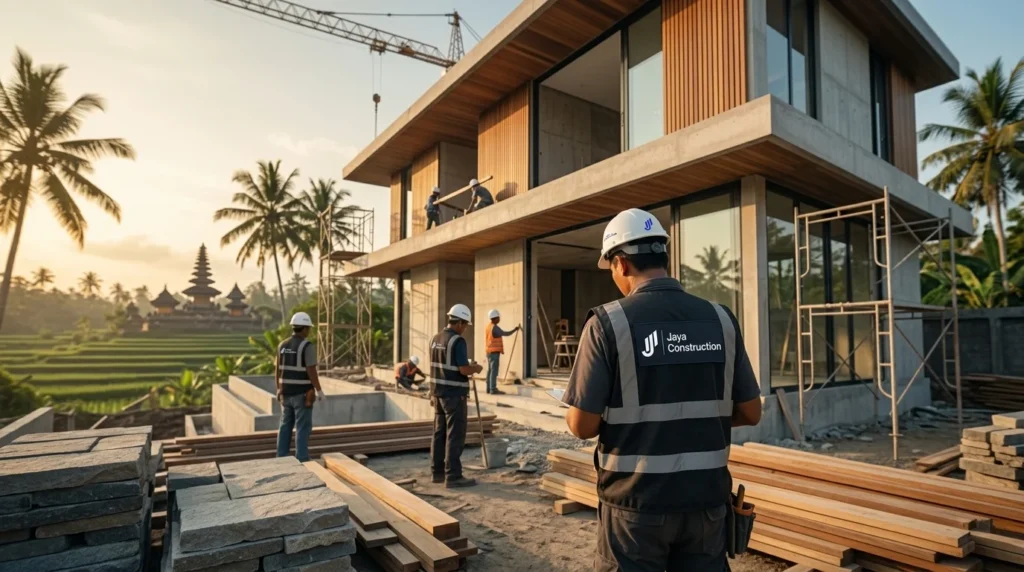
Continued Construction in a Live Environment: Construction of the remaining villas (Phase 1C and beyond) continues carefully, with strict protocols to minimize noise and disturbance to paying guests. Clear communication and visual barriers are essential.
Phase 5: Full Build-Out & Operational Optimization (Ongoing)
The final phase involves completing the last units and shifting the entire focus to perfecting operations.
Completion of Final Villa Clusters: All remaining villas are constructed, furnished, and integrated into the inventory.
Amenity Enhancement: With the full complement of villas, it may be time to add or enhance shared amenities based on aggregated guest feedback, such as adding a kids’ club, a second restaurant concept, or yoga pavilions.
Operational Systems Mastery: All systems—from reservation management to maintenance cycles to staff scheduling—are optimized for maximum efficiency and guest satisfaction across the entire property. The resort is now a complete, self-sustaining operation.
Key Considerations for Phasing Success in the Balinese Context
Local Partnerships: Engaging a competent local project management firm and construction contractor (pemborong) with experience in resort builds is invaluable for navigating labor, material sourcing, and community relations.
Supply Chain Management: Bali’s logistics can be challenging. Phasing allows you to better forecast and manage material deliveries, avoiding costly storage and reducing the risk of theft or damage.
Flexible Design: Ensure the architectural and engineering plans allow for future phases to be integrated seamlessly without requiring costly retrofits to the core infrastructure.
Community Relations: Involve the local Banjar (community council) early and maintain transparent communication. A phased approach demonstrates a long-term commitment that can foster positive relations and support.
Conclusion: Building Sustainably for Long-Term Success
Phasing a multi-villa resort in Bali is an exercise in disciplined vision. It acknowledges the complexity of the island’s development landscape while leveraging its immense potential. By methodically progressing through pre-development, infrastructure, core construction, soft opening, and full build-out, developers can transform a high-risk venture into a calculated, manageable, and ultimately more profitable endeavor.
This staged approach protects capital, allows for market responsiveness, and ensures operational quality is never sacrificed for speed. In the unique environment of Bali, where paradise must be built with respect for culture, nature, and pragmatism, a masterful phasing strategy is the single most important tool for ensuring your resort isn’t just built, but that it thrives for generations to come.
 By Jaya Construction Bali October 22, 2026
7 min read