How to Add a Swimming Pool to Your Existing Bali Villa: A Comprehensive Guide
By Jaya Construction BaliSeptember 16, 20267 min read
In this article
Adding a swimming pool to an existing villa in Bali is more than a construction project; it’s an enhancement of lifestyle, a boost to property value, and an embrace of the island’s quintessential indoor-outdoor living. Whether your property is a personal retreat or a rental investment, a well-designed pool transforms the space into a tropical oasis. However, the process involves careful planning, respect for local regulations, and an understanding of Balinese architecture and geology. This guide walks you through every critical step, ensuring your pool project is a resounding success.
The Initial Considerations: Planning and Feasibility
Before breaking ground, a thorough assessment is essential to avoid costly mistakes and ensure the project complements your existing villa.
1. Purpose and Lifestyle Fit: Define the pool’s primary role. Is it for family recreation, laps, aesthetic centerpiece, or to elevate a rental property’s appeal? The intended use dictates size, depth, and design. A shallow lounging pool with a built-in sun shelf serves different needs than a deeper, elongated pool for swimming.
2. Site Assessment and Soil Analysis: This is arguably the most crucial technical step. Bali’s terrain varies from flat coastal areas to hilly inland zones. You must consult a geotechnical expert to assess soil stability, bearing capacity, and groundwater level. Volcanic soil, common in Bali, can be excellent for drainage but may require specific engineering. High groundwater tables, especially in areas like Canggu or Seminyak, present significant challenges for construction and can increase costs due to the need for specialized dewatering techniques during excavation.
3. Design Harmony with Existing Architecture: The pool should feel like a natural extension of your villa, not an afterthought. Consider the Balinese Tri Hita Karana philosophy, which emphasizes harmony with God, people, and nature. Traditional designs often incorporate organic shapes, natural stone, and lush landscaping. Review sightlines from primary living areas and bedrooms. The goal is to create a serene vista from inside while ensuring privacy for those in the water.
4. Navigating Local Regulations and Permits (IMB): Construction in Bali requires a Izin Mendirikan Bangunan (IMB) or building permit. Adding a pool typically alters your property’s footprint and square meterage, necessitating an amendment to the existing IMB or a new permit altogether. Working with a local notary (Notaris) and a licensed architect (Arsitek) who understands the bureaucracy in your specific desa (village) and kabupaten (regency) is non-negotiable. Ignoring this step can lead to fines, forced demolition, or inability to transfer the property legally.
Design and Material Selection: Crafting Your Oasis
With feasibility confirmed, the creative phase begins. Bali offers a rich palette of materials and styles.
1. Pool Shapes and Styles:
Infinity Edge (Negative Edge): Particularly stunning for villas with a view, creating a seamless visual connection with the landscape or ocean.
Natural/Lagoon Style: Features irregular shapes, rock formations, and integrated plantings for a wild, organic feel.
Geometric & Modern: Clean lines and classic rectangles complement contemporary villa designs.
Lap Pool: Long and narrow, designed for exercise, often situated alongside the villa.
2. Material Choices for Durability and Aesthetics:
Coping and Decking: This is where Balinese craftsmanship shines. Paras Kerobokan, a cream-white limestone, is a classic choice for a bright, cool feel. Batu Candi, a dark grey volcanic stone, offers a dramatic, earthy contrast. For a warmer, timber-like look, quality teak or ironwood (Ulin) is used for decking.
Pool Finish: The interior surface impacts color, feel, and maintenance. Plaster is affordable but can stain. Quartz aggregates offer more durability and color options. Glass bead finishes create a sparkling, luxurious effect. For a natural look, pebble or stone finishes are popular.
Waterline Tile: A decorative band of tile protects the plaster and adds personality. Handmade Balinese ceramic tiles can incorporate traditional motifs for a unique touch.
3. Integrating Landscaping and Water Features: A pool in Bali is not just water in a hole; it’s part of a larger waterscape. Consider adding a bale bengong (a small thatched-roof pavilion) or a bedugul (a stone water spout) inspired by temple courtyards. Planting fragrant frangipani (Plumeria), towering traveler’s palms, and vibrant tropical flowers around the perimeter enhances privacy and ambiance. Strategic underwater lighting can turn the pool into a glowing centerpiece at night.
The Construction Process: From Excavation to Final Fill
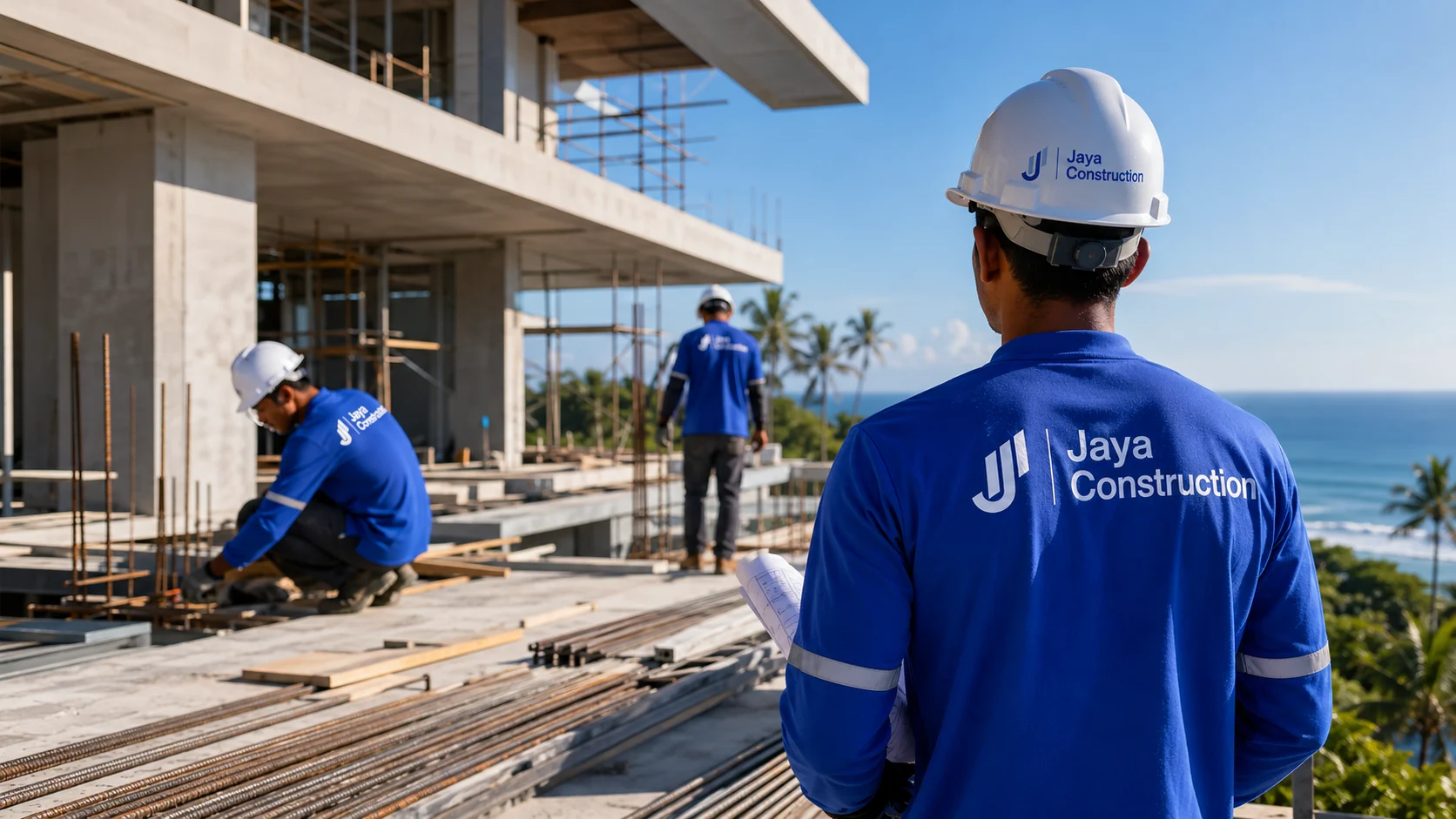
Construction typically follows a multi-phase process. Hiring a reputable, experienced contractor with a portfolio of Balinese pool projects is the single most important factor for a successful outcome.
Phase 1: Engineering and Permits. Finalizing detailed engineering drawings, structural calculations for the shell, and plumbing schematics. Submitting all documents to secure the IMB amendment.
Phase 2: Excavation and Earthwork. This involves marking the outline, digging the hole, and dealing with the spoil (excavated soil). As noted, dewatering systems may be needed. Proper compaction of the pool floor and sidewalls is critical to prevent future settling or cracks.
Phase 3: Structural Shell and Plumbing. The foundation is laid with a concrete base. Steel rebar is meticulously tied to form a cage, following the structural engineer’s specifications. The plumbing manifold, skimmers, main drains, and return jets are installed. This is a crucial step—improper rebar placement or plumbing leaks will cause catastrophic failure. Shotcrete or gunite is then pneumatically applied over the rebar cage to form the monolithic shell.
Phase 4: Waterproofing, Tiling, and Coping. After curing, the shell is thoroughly waterproofed. The coping stones are set, and the interior finish and waterline tile are installed. The deck or surrounding area is then constructed, ensuring it slopes away from the pool to prevent runoff.
Phase 5: Equipment, Filtration, and Landscaping. The pump, filter (sand or cartridge), chlorinator (or salt chlorination system), and optional heating are installed in an equipment area, preferably screened from view and noise. Landscaping and planting follow to soften the hardscape.
Phase 6: Filling, Balancing, and Final Inspection. The pool is filled with water. Chemicals are added to balance pH, alkalinity, and calcium hardness. The system is tested, and a final inspection by the contractor and owner is conducted.
Choosing the Right Team and Managing Costs
Your Project Team:
Architect/Designer: For design coherence with your villa.
Structural Engineer: For the shell’s integrity.
Main Contractor: The company executing the build. Vet them thoroughly—check references, visit past projects, and ensure they provide a clear, detailed contract and warranty.
Budgeting and Hidden Costs: Get detailed quotes (RAB – Rencana Anggaran Biaya) from at least three contractors. A basic pool might start around 150-250 million IDR, but complex designs, infinity edges, and high-end finishes can escalate costs to 500 million IDR or more. Always budget an additional 15-20% for unforeseen issues, such as hitting rock during excavation, high groundwater, or design changes mid-construction. Remember to include costs for the permit amendment, legal fees, and landscaping.
Maintenance and Long-Term Care
Once operational, consistent care is vital to protect your investment and ensure safe, sparkling water. The tropical climate accelerates algae growth and chemical consumption.
Filtration Cycle: Run the pump 6-8 hours daily, preferably during daylight hours.
Chemical Balance: Test water 2-3 times per week. Adjust pH (ideal range 7.2-7.6), total alkalinity, and chlorine levels. Consider a salt chlorine generator for a gentler feel and lower long-term chemical costs.
Physical Cleaning: Skim leaves and insects daily. Brush walls and tile weekly. Vacuum the floor bi-weekly or use an automatic cleaner.
Equipment Servicing: Have the pump, filter, and chlorinator serviced annually by a professional.
Rainwater Management: Heavy rains dilute chemicals and can overflow the pool. Ensure the deck drainage is effective and be prepared to rebalance the water chemistry after storms.
Conclusion: Creating a Lasting Tropical Legacy
Adding a pool to your Bali villa is a rewarding endeavor that pays dividends in daily enjoyment and enhanced property value. The key to success lies in meticulous planning, respecting the island’s unique environment and regulations, and partnering with skilled local professionals. By embracing Balinese design principles—harmony, natural materials, and thoughtful integration with nature—you create more than just a pool; you craft a central feature of your tropical living experience, a place for relaxation, entertainment, and making lasting memories under the Bali sun.
 By Jaya Construction Bali September 16, 2026
7 min read
By Jaya Construction Bali September 16, 2026
7 min read