Navigating the Allure and Logistics of Building a Villa in Bingin and the Bukit Peninsula
By Jaya Construction BaliAugust 29, 20267 min read
In this article
The Bukit Peninsula, the limestone headland forming Bali’s southernmost tip, has long captivated the imagination of travelers and investors alike. Its dramatic cliffs, world-class surf breaks, and iconic temple perches present a stunning contrast to the lush rice terraces of Ubud or the vibrant chaos of Seminyak. Within this region, the areas of Bingin, Uluwatu, Padang Padang, and their surroundings have evolved from hidden surfer enclaves into some of the most coveted and premium real estate markets on the island. The dream of building a private villa here—commanding panoramic ocean views, basking in the island’s golden sunsets, and tapping into a robust rental market—is a powerful one. However, transforming that dream into a structurally sound, legally compliant, and aesthetically stunning reality requires meticulous planning, local expertise, and a clear understanding of the unique challenges and rewards this landscape presents. This comprehensive guide delves into the critical considerations for anyone contemplating building a villa in Bingin and the broader Bukit Peninsula.
The Irresistible Appeal: Why the Bukit Peninsula?
Before a single foundation is dug, it’s crucial to understand what makes this location so special. The Bukit’s appeal is multifaceted. The primary draw is undoubtedly the unparalleled natural scenery. A cliffside or hillside property here offers permanent, breathtaking vistas of the Indian Ocean, with the possibility of watching world-class surfers ride the famous breaks below. The microclimate is another significant factor; the Bukit is drier and sunnier than much of Bali, which is ideal for a holiday home but also has implications for construction and landscaping.
Beyond nature, the area has developed a sophisticated yet laid-back infrastructure. While it maintains a sense of remoteness, it is no longer isolated. High-quality restaurants, boutique beach clubs (like Single Fin and Ulu Cliffhouse), yoga studios, and wellness centers are abundant. Furthermore, its proximity to the Ngurah Rai International Airport (typically a 30-45 minute drive) is a major logistical advantage for villa owners and their rental guests. This blend of rustic charm, natural beauty, and modern amenities creates a self-sustaining ecosystem that supports both personal enjoyment and lucrative short-term rental investments.
Pre-Construction Blueprint: Planning and Due Diligence
This is arguably the most critical phase. Rushing into construction without thorough preparation is the root of most problems.
Land Acquisition: The Foundation of Everything
The first and most substantial hurdle is securing a suitable plot. Foreigners cannot own freehold land (Hak Milik) in Indonesia. The most common and secure methods for foreigners are:
Leasehold (Hak Sewa): This is the standard route. You lease the land for a predetermined period, typically 25 years, with negotiable options to extend (often by 25 or 30 years). The lease agreement is your key asset and should be drafted or reviewed by a reputable notary (Notaris) and lawyer. It must be clear, specify the exact boundaries (with a certified map, or Surat Ukur), and outline the terms of any extension.
Nominee Agreement (Perjanjian Nama): While technically a legal grey area, it’s a practice where the foreigner enters into an agreement with an Indonesian nominee (often a trusted friend or hired professional) who holds the freehold title on your behalf. This method carries significant risk and is not officially recognized, leaving your investment vulnerable. Due to recent crackdowns and its inherent instability, leasehold is widely considered the safer and more transparent path.
Regardless of the method, extensive due diligence is non-negotiable. Verify the land’s Surat Tanah (land certificate) at the local land office (BPN – Badan Pertanahan Nasional) to confirm the owner’s identity, the exact plot boundaries, and crucially, that it is free from disputes, mortgages, or other encumbrances. A physical survey by a licensed surveyor is also essential to match the documents to the actual terrain.
Zoning and Building Permits (IMB/PBG)
Indonesia’s land is governed by a detailed zoning plan (Rencana Tata Ruang). Your intended use must align with the designated zone for that plot (e.g., tourism/residential, green zone). Building on zoned green/agricultural land is illegal and will lead to demolition. Once you have a clean and correctly zoned parcel, you must obtain the building permit, now known as the Persetujuan Bangunan Gedung (PBG), which replaced the older Izin Mendirikan Bangunan (IMB). This involves submitting detailed architectural and structural plans to the local district office (Dinas). A knowledgeable architect and project manager are vital to navigate this bureaucratic process.
Design and Architecture: Embracing the Environment
Building on the Bukit presents unique architectural opportunities and challenges dictated by the landscape.
Working with the Topography
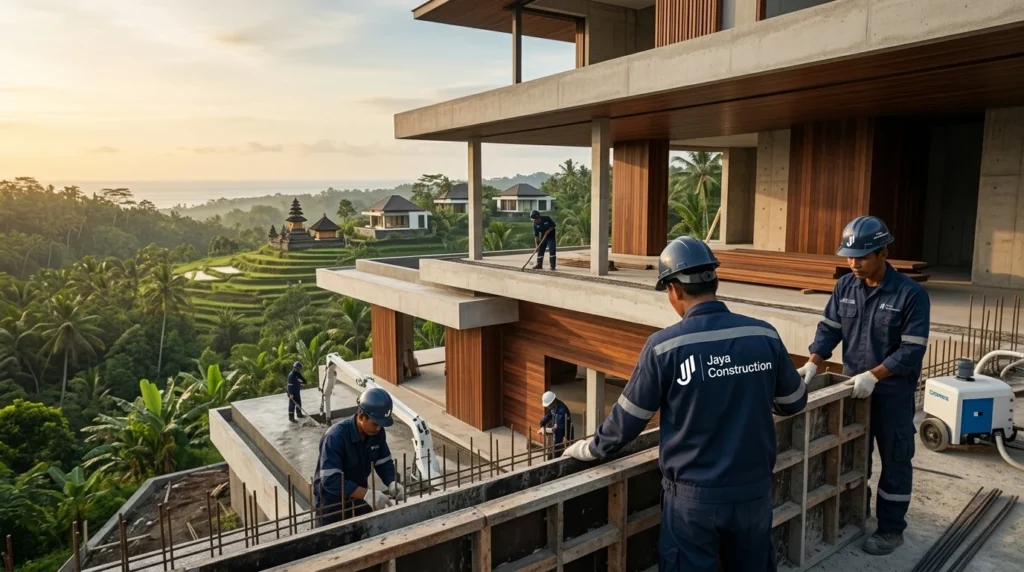
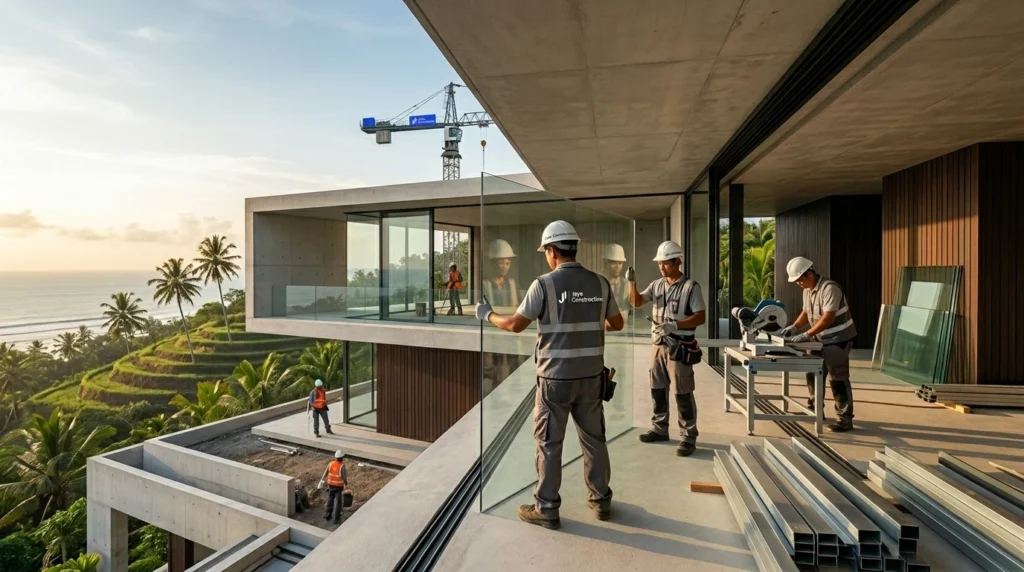
Unlike flat rice-field land, the Bukit is characterized by steep limestone cliffs and slopes. A talented architect will not fight this terrain but embrace it. The most sought-after villas are designed into the cliffside, utilizing split-levels and cantilevered structures to maximize views and create dramatic, gravity-defying spaces. This requires sophisticated structural engineering. Soil testing is mandatory to understand load-bearing capacity and the need for deep piling or reinforced foundations. Retaining walls are a fundamental and potentially costly component of most projects.
The Aesthetic: Modern Tropical Minimalism
The prevailing aesthetic blends modern design with Balinese tropical elements. Think clean lines, open-plan living spaces, and an emphasis on indoor-outdoor flow. Key features include:
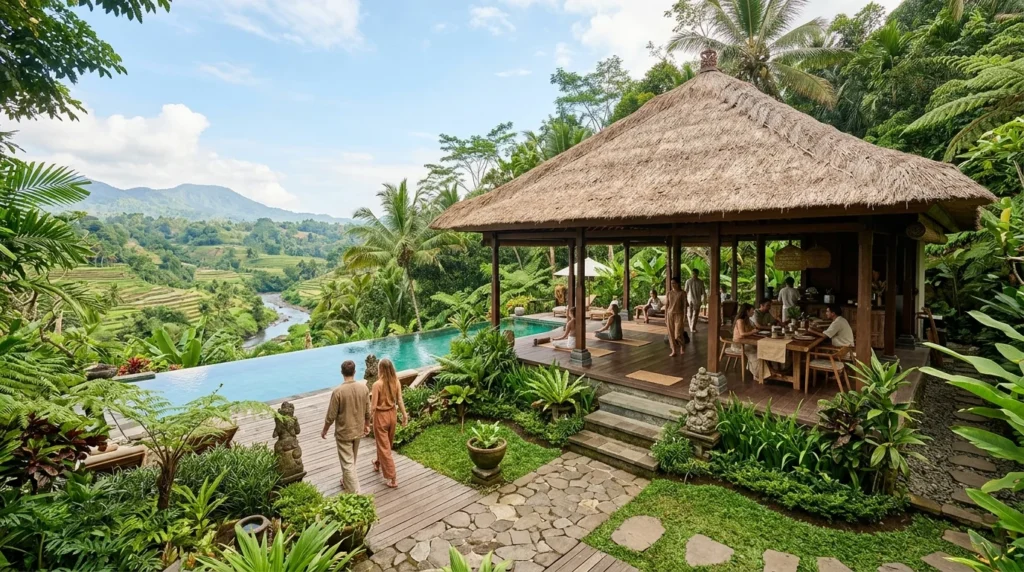
Infinity Pools: Often the centerpiece, designed to visually merge with the ocean horizon.
Open-Air Living: Large sliding doors, pavilion-style bedrooms (bale), and covered outdoor lounges (balé) are essential.
Natural Materials: Use of local limestone (paras), teak wood, bamboo, and thatch (alang-alang) for roofs integrates the structure with its environment.
Sustainability: Given the dry climate, incorporating rainwater harvesting, solar water heaters, and native, drought-resistant landscaping is both eco-conscious and practical.
The Construction Process: Realities on the Ground
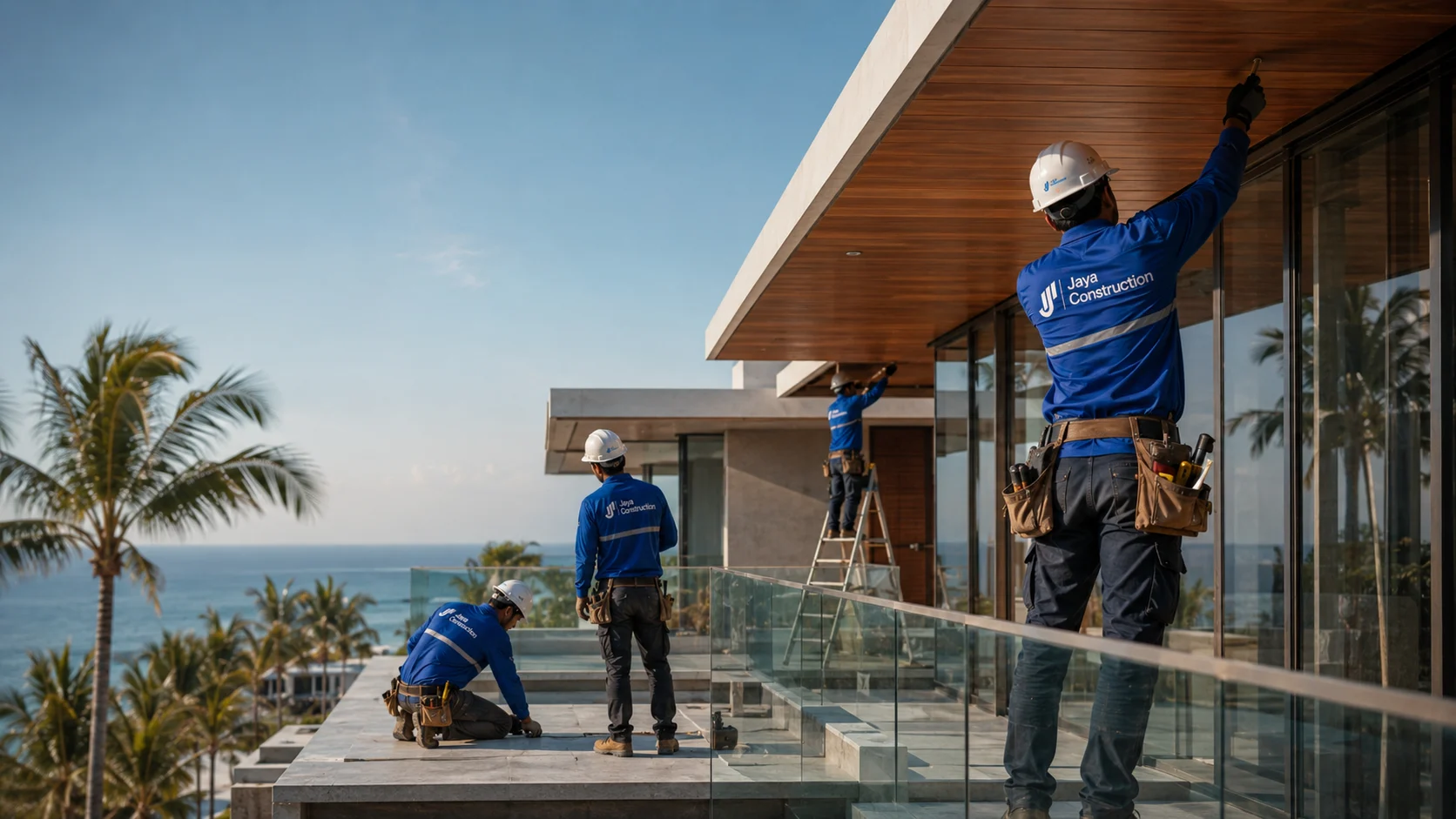
Once permits are in hand and designs are finalized, the physical build begins. This phase is where on-the-ground management is critical.
Selecting a Contractor
Vet contractors thoroughly. Do not base your decision solely on price. Ask for and visit previous projects in the area, speak to former clients, and check their reputation. Ensure they have a clear understanding of building on the Bukit’s challenging terrain. A detailed, legally binding contract that specifies materials, timelines, payment schedules (often tied to completion milestones), and penalties for delays is essential.
Logistics and Labor
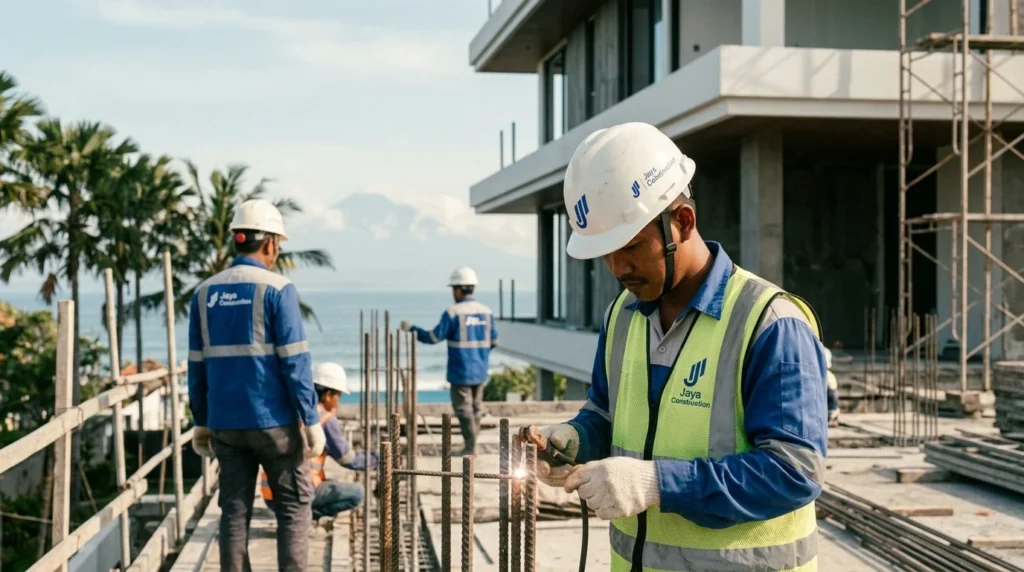
All materials, from cement to tiles, must be transported to often remote and difficult-to-access sites. This can significantly impact costs and timelines. The local workforce is skilled, but quality control requires constant supervision. Having a dedicated, bilingual project manager or a reliable construction management firm to oversee daily operations, quality checks, and material procurement is not a luxury—it’s a necessity for a successful outcome.
Timeline and Budget
Building in the Bukit typically takes longer than building on flat land due to the complexity of the terrain. A 12-18 month build time for a substantial villa is a realistic expectation. Create a comprehensive budget that includes not just construction costs, but also:
Land lease and legal fees
Architect, structural engineer, and surveyor fees
Permit costs
Furnishings and landscaping
Contingency fund (at least 15-20% of the total budget) for unforeseen issues, which are common.
Investment Potential and Rental Market Dynamics
For many, a villa in Bingin is both a personal retreat and a financial asset. The short-term rental market here is exceptionally strong. The profile of visitors—international tourists, surfers, yogis, and luxury seekers—means demand for high-quality private villas with pools and views is consistent year-round, with peak seasons aligning with European and Australian holidays.
Professional management is key to maximizing returns. This includes high-end marketing (via platforms like Airbnb Luxe, Vrbo, and specialized agencies), guest communication, housekeeping, pool and garden maintenance, and security. Properties that are impeccably designed, well-maintained, and professionally managed can command premium nightly rates and achieve high occupancy.
Conclusion: A Rewarding Venture with Prudent Planning
Building a villa in Bingin or on the Bukit Peninsula is more than a construction project; it is an entry into a unique lifestyle and a potentially rewarding investment. The journey is complex, fraught with bureaucratic, environmental, and logistical hurdles that are distinct from other parts of Bali. Success hinges on respecting the local legal framework, conducting exhaustive due diligence, assembling a trustworthy and skilled team of professionals (legal, architectural, and construction), and designing with sensitivity to the dramatic, challenging landscape. For those who navigate this path wisely, the reward is a stunning architectural gem that offers an unparalleled connection to Bali’s wild southern coast—a personal paradise and a valuable asset for years to come. The key is to approach the dream not with haste, but with meticulous, informed, and patient planning.
 By Jaya Construction Bali August 29, 2026
7 min read
By Jaya Construction Bali August 29, 2026
7 min read