Building a Villa in Tabanan: A Guide to Land, Lifestyle, and Legal Realities
By Jaya Construction BaliAugust 28, 20267 min read
In this article
The dream of building a private villa in Bali often conjures images of pristine beaches in Seminyak or terraced hillsides in Ubud. However, a quieter, more authentic vision of Balinese paradise is drawing discerning buyers and investors westward to the regency of Tabanan. Here, the island’s soul remains deeply rooted in rice paddies, sacred temples, and a slower pace of life. Building a villa in Tabanan is not merely a construction project; it’s an immersion into a lifestyle that balances serene natural beauty with the intricate realities of Balinese land ownership and development. This comprehensive guide explores the essential considerations, from securing the perfect plot to integrating seamlessly into the local community, ensuring your dream home becomes a sustainable and respectful reality.
The Allure of Tabanan: Beyond the Tourist Trail
Before discussing land and logistics, it’s crucial to understand what makes Tabanan a unique proposition. Unlike the bustling south, Tabanan is often called Bali’s “rice bowl.” Its landscape is dominated by the majestic Jatiluwih and Batukaru rice terraces, a UNESCO Cultural Landscape, offering breathtaking views that represent the island’s ancient Subak irrigation system. The region is also home to iconic cultural sites like the sea temple of Tanah Lot and the royal temple of Pura Luhur Batukaru. This setting provides a lifestyle rich in cultural immersion, natural tranquility, and a sense of being connected to the “real” Bali. For villa owners, this translates to a tranquil retreat, a strong connection to nature, and an opportunity to be part of a community where Balinese traditions and daily rhythms still hold sway. It is a place for those seeking more than just a property, but a genuine home.
Navigating the Land Acquisition Process
The first and most critical step in building your villa is acquiring land. This process in Bali, and Indonesia generally, is markedly different from Western systems and requires meticulous care.
Understanding Land Titles and Zoning
The most common form of ownership available to foreigners is the Right to Build (Hak Guna Bangunan or HGB), typically granted for an initial period of 30 years, extendable for another 20 and 30 years thereafter. This title is held under a foreigner’s name but is built upon land owned under a Freehold title (Hak Milik or HM), which can only be held by Indonesian citizens. Consequently, the standard model involves a long-term lease agreement (usually 25-30 years) or establishing a foreign-owned company (PT PMA) to hold the HGB title. Due diligence on the land’s underlying title and rightful owner is non-negotiable. Equally important is confirming the land’s zoning (peruntukan) with the local spatial planning office (Dinas PUPR Tabanan). Zoning dictates what can be built—residential, agricultural, or commercial—and its density. Building a villa on land zoned for agriculture is generally prohibited and can lead to legal complications.
The Search and Verification
Finding the right plot requires patience. While online listings exist, the most reliable way is often through a trusted local agent or notary (notaris/PPAT) with a strong reputation in Tabanan. They can provide access to off-market opportunities and guide you through community norms. Once a plot is identified, a thorough verification process must begin. This involves:
Title Search: Ensuring the certificate is authentic, free from disputes, liens, or encumbrances. This is done at the National Land Agency (BPN) office.
Boundary Verification: Physically measuring and confirming the plot’s boundaries with the owner and a licensed surveyor, often in the presence of the village chief (Kelian Banjar) and neighbors to prevent future boundary disputes.
Zoning & Building Permits: Verifying with the local government that you can build the intended structure, considering floor area ratio (FAR) and height restrictions.
The Legal Framework and Essential Documentation
Engaging a reputable legal professional, specifically a notary with expertise in property law, is not an expense but an essential investment. They will oversee the creation of a watertight contract and the issuance of key permits.
The Lease Agreement
For foreigners using the leasehold method, the agreement is paramount. It should clearly state:
The full details of the land owner(s).
The precise location and boundaries of the land.
The total lease period, renewal terms, and conditions.
The total lease price and payment schedule.
All rights and obligations of both parties, including the right to sell or transfer the lease.
Provisions for dispute resolution.
Key Permits Required
Before breaking ground, you must secure several permits. The main one is the Building Permit (IMB/Izin Mendirikan Bangunan), now part of the unified national licensing system (OSS). This permit requires submission of architectural plans, structural calculations, and environmental management documents. The process involves coordination between your architect, notary, and the Tabanan Regency’s investment and licensing office (DPMPTSP). Other necessary documents include the Pondok Wisata permit if you plan to rent your villa for short-term stays, which requires additional community (Banjar) approval.
Design, Construction, and Environmental Considerations
With land secured and permits in hand, the focus shifts to creating your sanctuary. Tabanan’s environment offers a unique canvas that demands thoughtful design.
Harmonizing with Nature and Culture
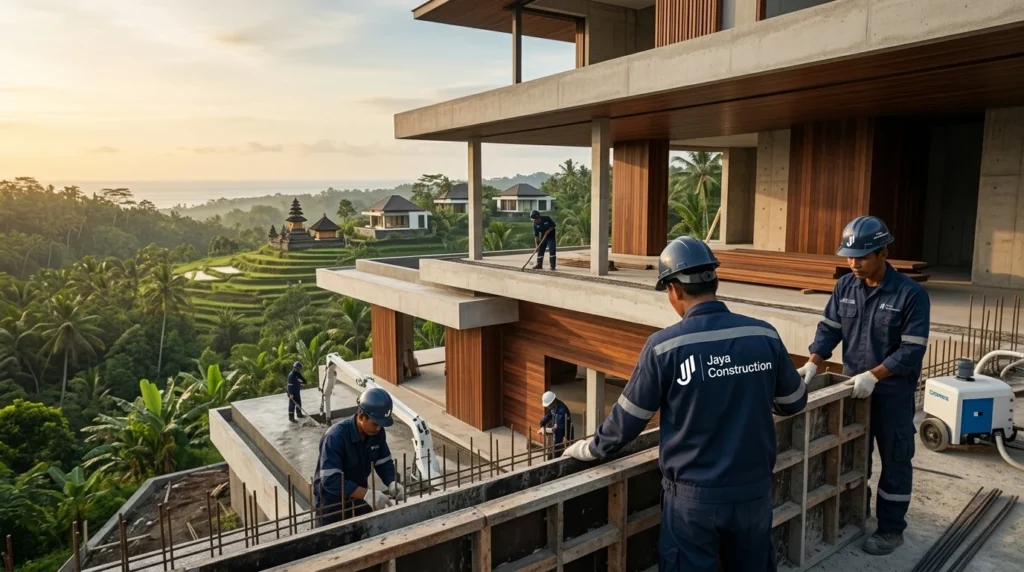
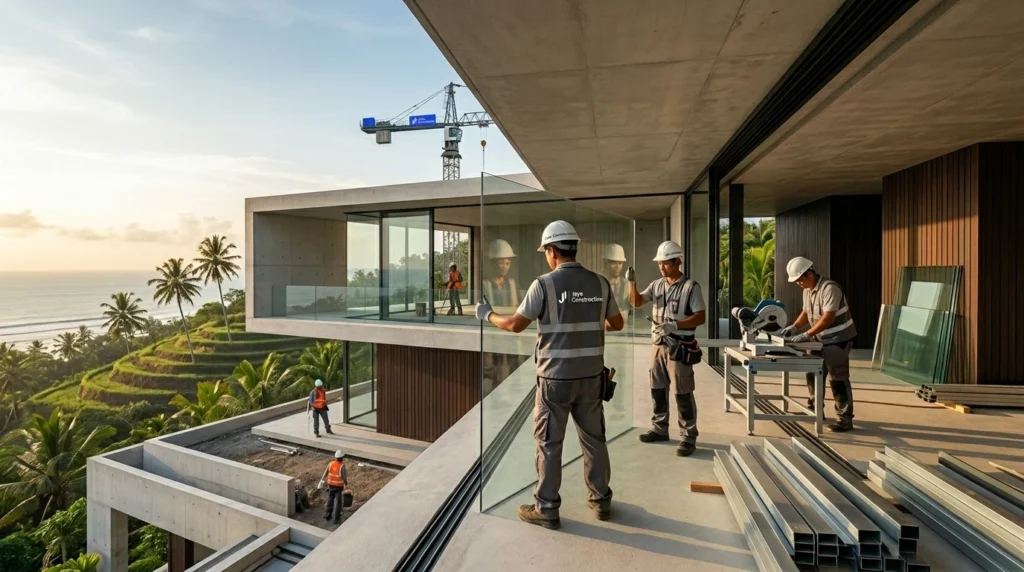
The most successful villas in Tabanan don’t fight the landscape; they embrace it. Architecture often incorporates traditional Balinese elements like open-air living areas (bale), thatched roofs (alang-alang), and natural stone while employing modern techniques for comfort and sustainability. The Tri Hita Karana philosophy—the Balinese concept of harmony with God, other people, and nature—should be a guiding principle. This means orienting buildings according to the Balinese cosmological axis (Asta Kosala Kosali), respecting sacred trees or rocks on the land, and using locally sourced materials like sandstone and teak. Sustainable design is also crucial; incorporating rainwater harvesting, solar panels, and passive cooling can reduce your environmental footprint and long-term costs.
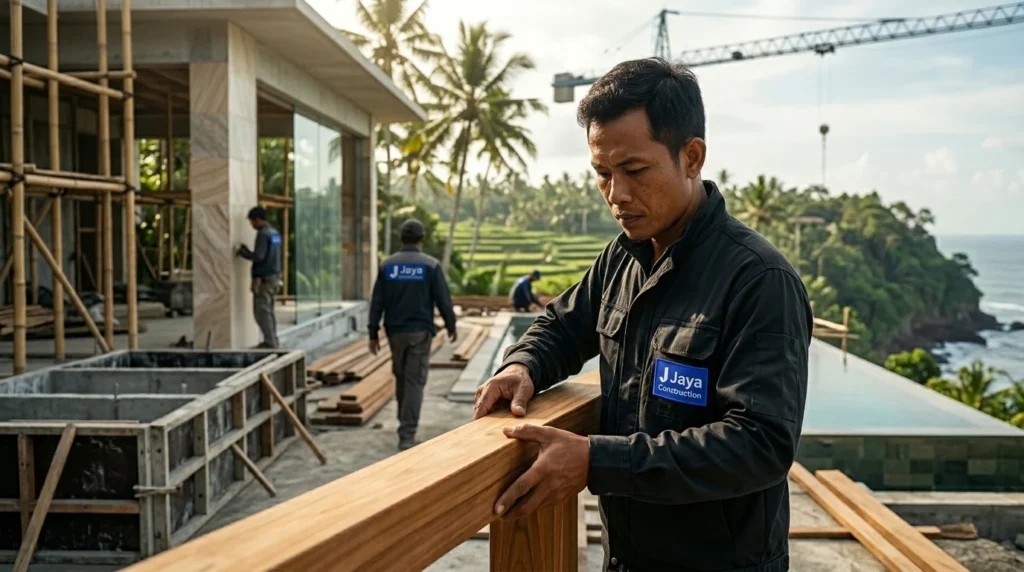
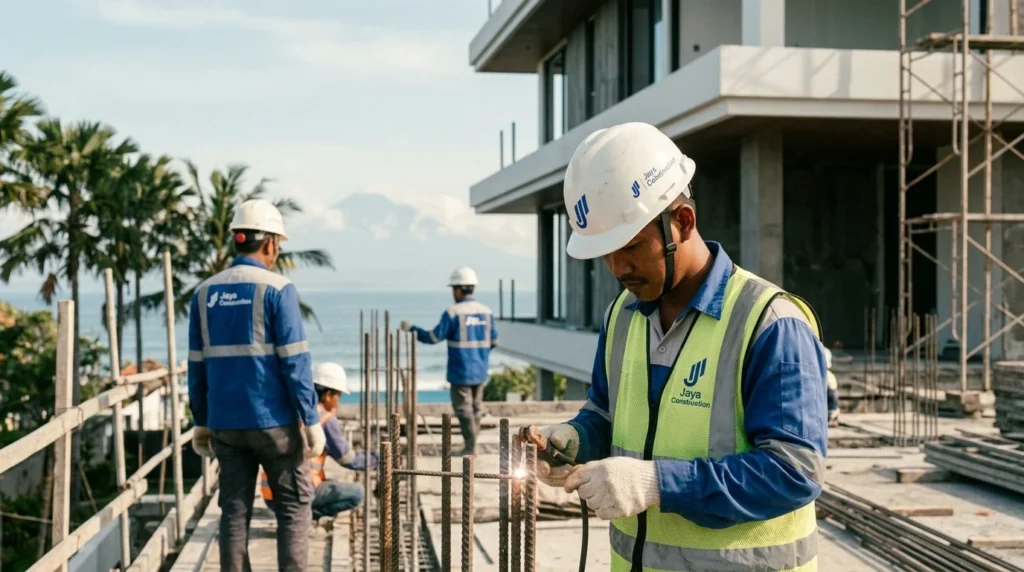
Selecting a Reputable Construction Team
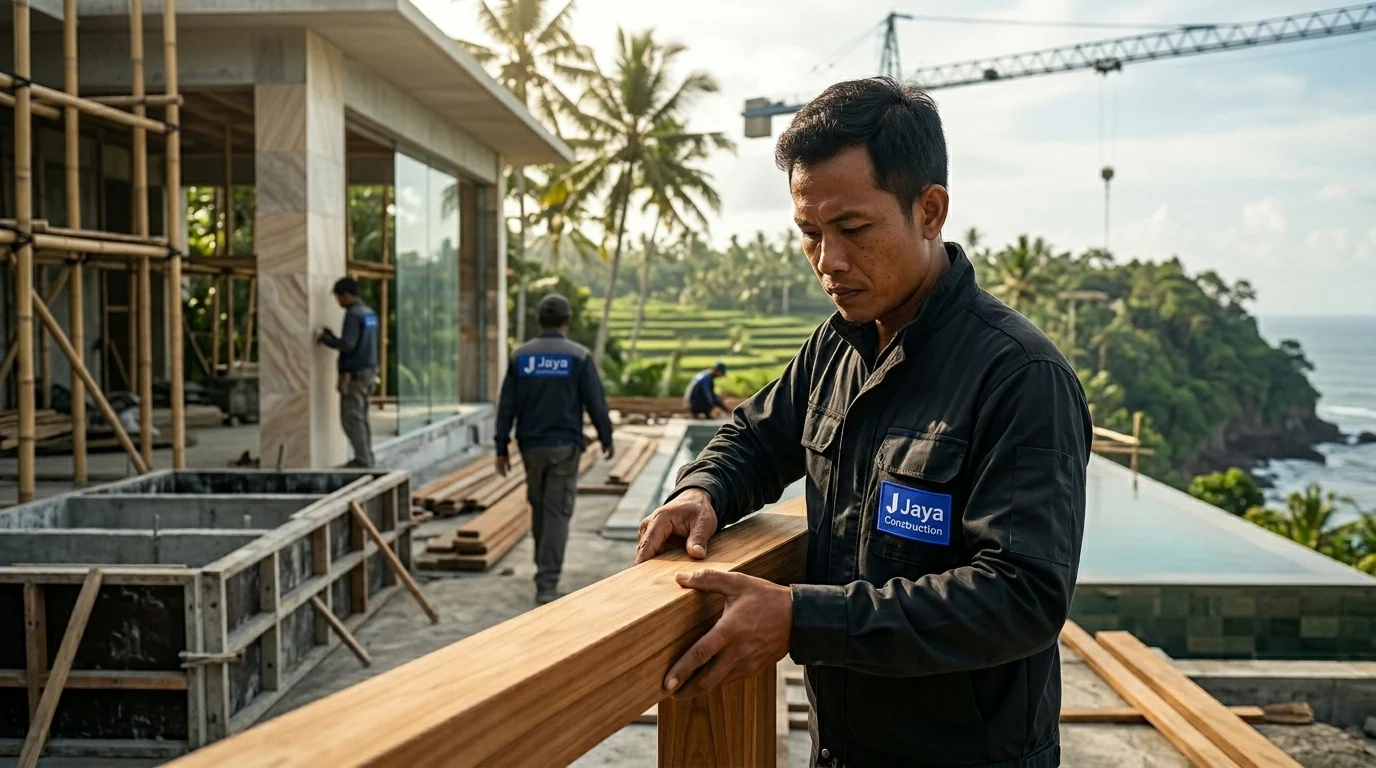
The quality of your build hinges on your construction team. It is highly advisable to hire a project manager or construction supervisor who acts as your representative on-site, ensuring quality, budget, and timeline adherence. You can choose between:
A design-build company that handles both architecture and construction, offering a streamlined process.
Separately hiring an architect to create the design and a local contractor (pemborong) to execute it, which can offer more cost flexibility but requires closer management.
Always request detailed portfolios, speak to previous clients, and ensure they have experience with the permits and building norms in Tabanan. A clear, detailed contract with milestones and payment schedules is essential.
Embracing the Tabanan Lifestyle: Integration and Stewardship
Building your villa is only the beginning. The true reward lies in living in and becoming part of Tabanan’s community. This is where the lifestyle aspect transcends mere property ownership.
Building Relationships with the Banjar
The Banjar, the traditional village council, is the heart of Balinese social and spiritual life. As a homeowner, you become a member. Introducing yourself, participating in communal activities (gotong royong), and attending ceremonies when invited demonstrates respect and fosters goodwill. Your Banjar can also be an invaluable source of help, from recommending local staff to providing security. Building a villa that employs local labor and engages local suppliers (warungs, farmers) further solidifies your positive integration.
Sustaining Your Property and the Environment
Long-term stewardship is vital. This involves hiring reliable local staff for gardening, pool maintenance, and security—again, often facilitated through the Banjar network. Environmentally, managing waste responsibly, using water judiciously (especially given Bali’s occasional water scarcity), and supporting organic farming in the area are ways to give back. Your villa should exist as a haven that contributes positively to the surrounding landscape, not as an isolated, resource-draining enclave.
Conclusion: A Rewarding Journey of Home and Heart
Building a villa in Tabanan is a profoundly rewarding endeavor that offers more than a stunning home; it offers a doorway into the spiritual and natural heart of Bali. The journey requires careful navigation of legal complexities, a commitment to cultural and environmental sensitivity, and a patient, respectful approach to land and community. By prioritizing thorough due diligence, engaging the right local expertise, and designing with sustainability and cultural harmony in mind, you can create a sanctuary that fulfills your dream while honoring the essence of this extraordinary place. The ultimate prize is not just a beautiful property, but a sustainable and enriching life woven into the very fabric of Tabanan’s timeless landscape. It is a path that demands diligence and respect, but one that yields a home and a lifestyle of unparalleled depth and serenity.
 By Jaya Construction Bali August 28, 2026
7 min read
By Jaya Construction Bali August 28, 2026
7 min read