Back to the journal
Construction insights
What a Trustworthy Bali Builder Actually Looks Like
 By Jaya Construction Bali August 25, 2026
8 min read
By Jaya Construction Bali August 25, 2026
8 min read
By Jaya Construction Bali August 25, 2026
8 min read
By Jaya Construction Bali August 25, 2026
8 min read
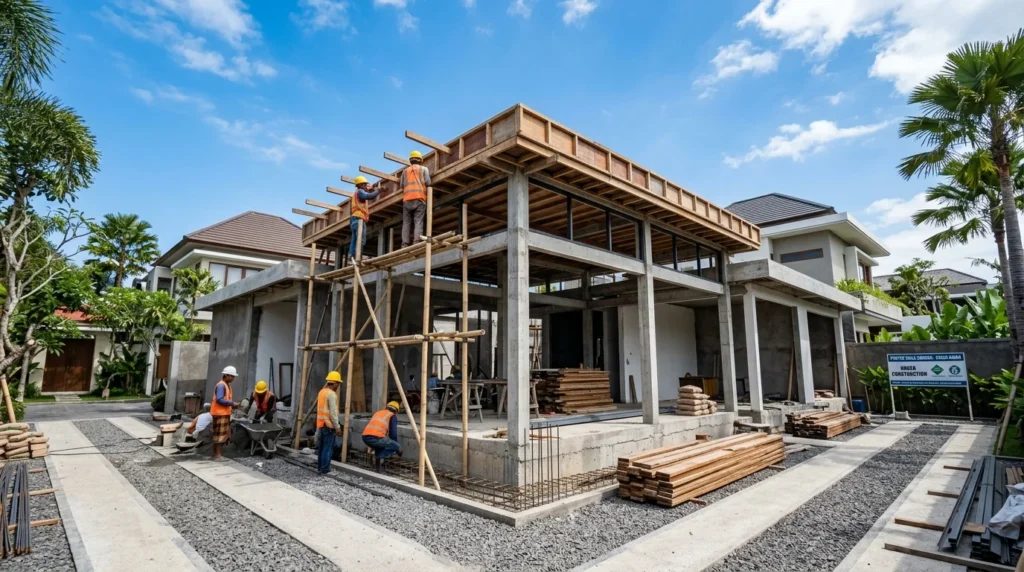
Investing in property or building a villa in Bali is a dream for many, blending tropical aesthetics with a promise of personal sanctuary or lucrative rental income. However, this dream is frequently shadowed by a pervasive trust deficit. Stories of projects stalling indefinitely, budgets spiraling wildly, materials being substituted with inferior products, and vanishing contractors are all too common. These narratives create a landscape of caution for anyone looking to build on the Island of the Gods.
Navigating this environment requires more than just a desire to build; it requires a keen eye for identifying true professionalism and integrity. A trustworthy Bali builder is not merely a contractor with a price list; they are a transparent partner, a cultural navigator, and a steward of your vision and investment. This article delves into the tangible qualities, processes, and red flags that distinguish a genuinely reliable builder from the rest, helping you make an informed decision that protects your project and your peace of mind.
Before examining their portfolio or discussing square meter costs, understanding the fundamental character of a builder is paramount. In Bali’s complex environment, where legal frameworks, local customs (adat), and construction practices differ significantly from Western standards, certain qualities are non-negotiable.
Transparency is their default setting. A trustworthy builder operates in the open. They don’t just present a polished final quote; they break it down meticulously. This includes a clear Bill of Quantities (BQ) that itemizes materials, labor, and fees. They proactively explain how their profit margin is calculated—whether it’s a fixed percentage or built into line items. They are forthcoming about potential challenges, such as difficult site access, seasonal weather delays, or necessary permit processes. This transparency extends to documentation: they readily provide copies of company registration (TDP), tax registration (NPWP), and proof of insurance, both for general liability and workers’ compensation (jaminan sosial).
Integrity is demonstrated, not declared. This is reflected in their commitment to doing the right thing, even when it’s inconvenient. It means using the exact brand and grade of cement, steel, or wood specified in the contract, without substitution. It involves paying their subcontractors and laborers fairly and on time, which directly impacts the quality and morale on your site. Integrity also means being honest when a mistake is made on their part and presenting a clear solution, rather than hiding flaws or blaming others.
Deep local knowledge is their indispensable tool. This goes beyond knowing good suppliers. A reliable builder understands the nuanced hierarchy within a Balinese village (banjar) and how to navigate local permissions and community relations respectfully. They know the quality variations between suppliers in Denpasar versus Singaraja. They have a proven network of trusted specialists—from skilled tukang kayu (woodworkers) for intricate carving to electricians and plumbers familiar with local codes. This knowledge prevents cultural missteps that can halt a project and ensures materials and labor are sourced responsibly and efficiently.
The true test of a builder’s trustworthiness lies in their process. A professional, structured approach is the best insurance against chaos and financial loss.
A Consultative Design and Planning Phase. The relationship shouldn’t start with a handshake and a deposit. A credible builder will invest significant time in the pre-construction phase. They will listen to your ideas, assess the feasibility of your design on your specific plot of land, and provide candid feedback. They will help you understand the practical implications of your architectural choices in Bali’s climate (e.g., the best roof pitch for heavy rain, optimal airflow design). They will produce or collaborate with your architect on detailed construction drawings, a structural plan, and a comprehensive timeline. This phase itself is a test of their patience and thoroughness.
A Detailed, Fair, and Fixed-Price Contract. The contract is your single most important document. A trustworthy builder provides a contract that is clear, detailed, and legally sound. It should specify:
Robust Project Management and Communication. Once building begins, you should not be left in the dark. Reputable builders assign a dedicated, English-speaking project manager (or ensure the boss himself is consistently available). They use a combination of regular site meetings, photo and video updates via a shared platform (like WhatsApp or a project management app), and formal weekly progress reports. They maintain a clean and organized site, a sign of respect for safety, efficiency, and the community. They manage waste disposal properly and ensure safety measures are in place for workers.
Financial Accountability and Paper Trails. Every payment is accompanied by a formal invoice and a receipt. They can provide evidence of material purchases that match the specifications in your contract. They manage the project budget carefully and will alert you immediately if an unforeseen issue arises that may impact cost, presenting options for resolution before proceeding.
Equally important to knowing what to look for is knowing what to avoid. The following are classic warning signs of a problematic builder.
In Bali, the “how” is often as important as the “what.” A truly trustworthy builder exhibits cultural competence and social responsibility.
They understand that maintaining harmonious relations with the local banjar is not just a nicety; it is essential for project security and community acceptance. They may facilitate or guide you on customary contributions (sumbangan) for community events or ceremonies that occur during the build, ensuring these are handled respectfully and transparently.
They treat their workforce with dignity. This means ensuring fair wages, providing necessary safety equipment, and accommodating for major religious ceremonies like Galungan and Kuningan. A happy, respected team is a productive and careful team. Furthermore, a forward-thinking builder might incorporate sustainable practices—using locally sourced, renewable materials where possible, implementing rainwater harvesting systems, or designing for natural cooling to reduce energy needs.
To synthesize the search, use this actionable checklist when interviewing prospective builders:
Finding a trustworthy builder in Bali requires diligence, patience, and a willingness to look beyond the surface. It means valuing transparency over the cheapest quote, process over promises, and demonstrated integrity over charismatic sales pitches.
The trustworthy Bali builder looks like a professional who operates with the clarity and accountability you would expect in your home country, yet is deeply fluent in the local language of construction, culture, and community. They are your advocate, your project manager, and your risk mitigator. They understand that their reputation is built one project at a time, and that your dream home is also their walking testimonial.
By prioritizing the core qualities of transparency, integrity, and local knowledge, and by rigorously vetting the process and track record of any prospective partner, you can shift the narrative. You can transform the daunting prospect of building in Bali into a rewarding journey of creation, culminating in a sanctuary that is not only beautiful and functional but also built on a foundation of trust and respect. Your due diligence today is the most important brick in the wall of your future Balinese dream.
Share your site, plans, priorities, or questions. Our team can help turn early information into a practical construction path.