Building a Villa in Pererenan: A Guide to Creating Your Dream Home in Bali’s Rising Star
By Jaya Construction BaliAugust 22, 20266 min read
In this article
Once a sleepy fishing village and quiet neighbor to the bustling tourist hub of Canggu, Pererenan has blossomed into Bali’s most compelling new hotspot for villa development. It strikes a rare and highly sought-after balance: the serene rice-field vistas and authentic Balinese village charm that many seek, combined with an emerging scene of stylish cafes, boutique shops, and world-class surf breaks. For investors and dreamers alike, building a custom villa here represents not just a real estate venture, but a lifestyle investment. This comprehensive guide will navigate you through the entire process, from the initial spark of an idea to the moment you step into your completed island home.
The Allure of Pererenan: Why Build Here?
Before diving into the logistics of construction, it’s essential to understand what makes Pererenan so special. Unlike some more saturated areas of Bali, Pererenan retains a palpable sense of place. The landscape is still dominated by lush, terraced rice paddies that glow emerald green under the tropical sun. The iconic black-sand beaches, such as Pererenan Beach and Seseh Beach, are renowned for their powerful surf and breathtaking sunsets, often with fewer crowds than neighboring Canggu.
This unique blend of tranquility and trendiness has fueled rapid development, but in a way that feels more organic and curated. The area is attracting a discerning crowd of digital nomads, expat families, and wellness enthusiasts who value design, community, and proximity to nature. Building a villa here means positioning yourself at the heart of a vibrant, evolving community, with easy access to both the spiritual heart of Ubud and the social energy of Seminyak and Canggu.
Laying the Foundation: The Pre-Construction Phase
The journey to your Pererenan villa begins long before the first stone is laid. This phase is arguably the most critical, involving due diligence, planning, and assembling your local team.
1. The Search for the Perfect Plot
The first step is acquiring land. In Bali, foreigners cannot directly own freehold land (Hak Milik). The most common and secure route for foreign investors is through a long-term lease (Hak Sewa), typically for 25-30 years, with options to extend. This process is facilitated by establishing a foreign-owned company (PT PMA) or, more commonly for villa projects, through a robust lease agreement with the Balinese landowner.
Key considerations for land in Pererenan:
Location & Aspect: Do you want uninterrupted rice field views, proximity to the beach (a 5-10 minute walk/drive), or easy main road access? Each comes with its own price point and lifestyle implications.
Zoning (Kawasan): Pererenan has different zones (residential, commercial, tourism). Ensure the land’s zoning aligns with your villa’s intended use, especially if you plan to rent it out commercially.
Access & Infrastructure: Confirm clear legal access to the property. Check availability of water (well or PDAM city water), electricity, and road quality.
Topography & Soil: A slight slope is desirable for drainage and views but may increase foundation costs. A geotechnical survey is highly recommended.
Engaging a reputable local notaris (notary) or real estate lawyer is non-negotiable to conduct thorough due diligence on the land title, check for any liens or disputes, and draft a legally binding lease agreement.
2. Assembling Your Professional Team
You cannot build a quality villa in Bali remotely or without skilled professionals. Your core team will consist of:
Architect: Essential for translating your vision into a buildable design that complies with local regulations (like the maximum height limit of 15 meters) and harnesses Bali’s tropical climate through intelligent passive cooling and spatial planning.
Project Manager: Your representative on the ground. A good project manager coordinates between you (the client), the architect, the contractor, and the suppliers, ensuring the project stays on schedule and budget.
Contractor (Pemborong): The company or team responsible for the physical construction. Vet them thoroughly by visiting completed projects, speaking with previous clients, and verifying their resources and sub-contractor network.
The Design Philosophy: Embracing Tropical Modernism
Pererenan’s architectural language is a confident blend of traditional Balinese elements and clean, contemporary lines—a style often termed “Tropical Modernism.” Your architect should design with the environment in mind.
Indoor-Outdoor Flow: The core of Balinese living. Open-plan layouts, expansive sliding or folding glass doors, and covered terraces (balés) seamlessly merge interior living spaces with gardens, pools, and the surrounding landscape.
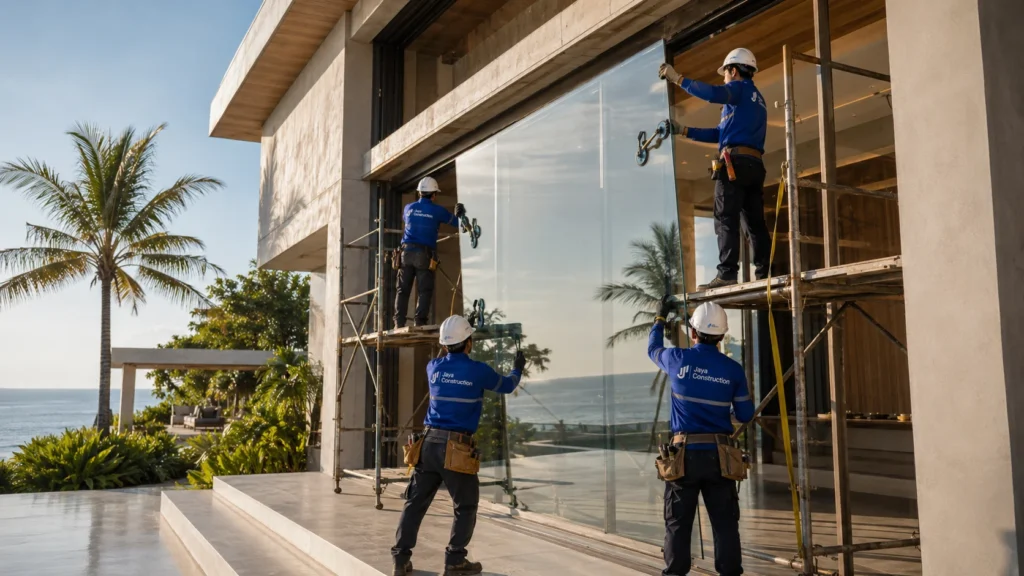
Materiality: Use of local materials like paras (volcanic stone), teak wood, bamboo, and alang-alang (thatched roofing) can root the building in its context. These are often juxtaposed with modern elements like polished concrete, steel, and large glass panels.
Sustainability & Comfort: Design for passive ventilation and cooling. High ceilings, strategic window placement for cross-breezes, green roofs, and proper orientation to minimize direct sun exposure are vital. Integrating solar panels, rainwater harvesting, and efficient water fixtures is increasingly standard for new builds.
Landscaping: The garden is an extension of the villa. Landscaping with native, drought-tolerant plants, creating private courtyards, and designing a pool that feels like a natural lagoon are integral to the overall design and value.
Navigating the Construction Process
Once designs are finalized and permits (including the crucial PBG – Persetujuan Bangunan Gedung or building approval) are secured, construction begins. A typical timeline for a mid-to-high-end villa in Pererenan is 12-18 months.
The process generally follows these stages:
Site Clearing & Foundation: Preparing the plot and laying the structural base.
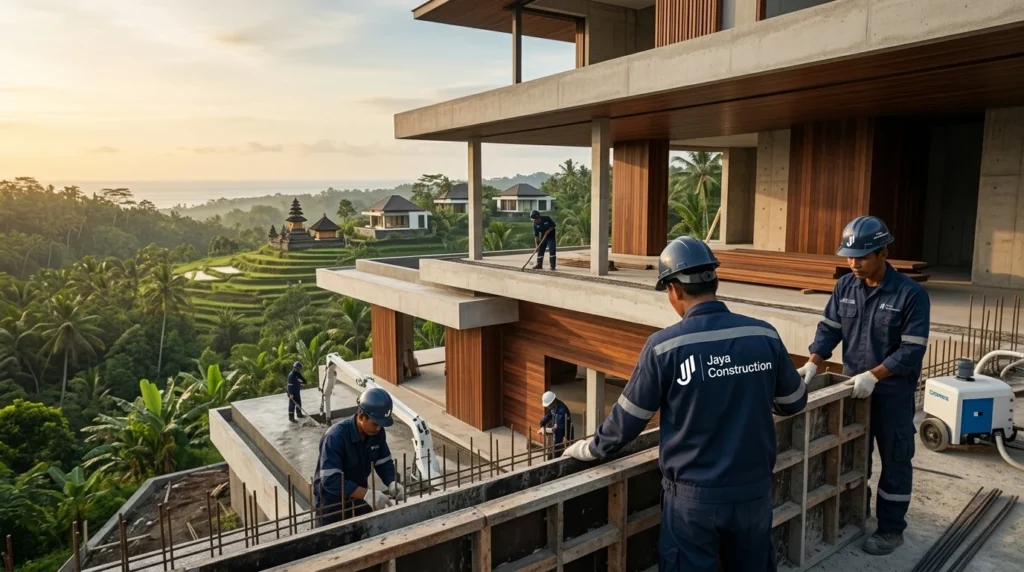
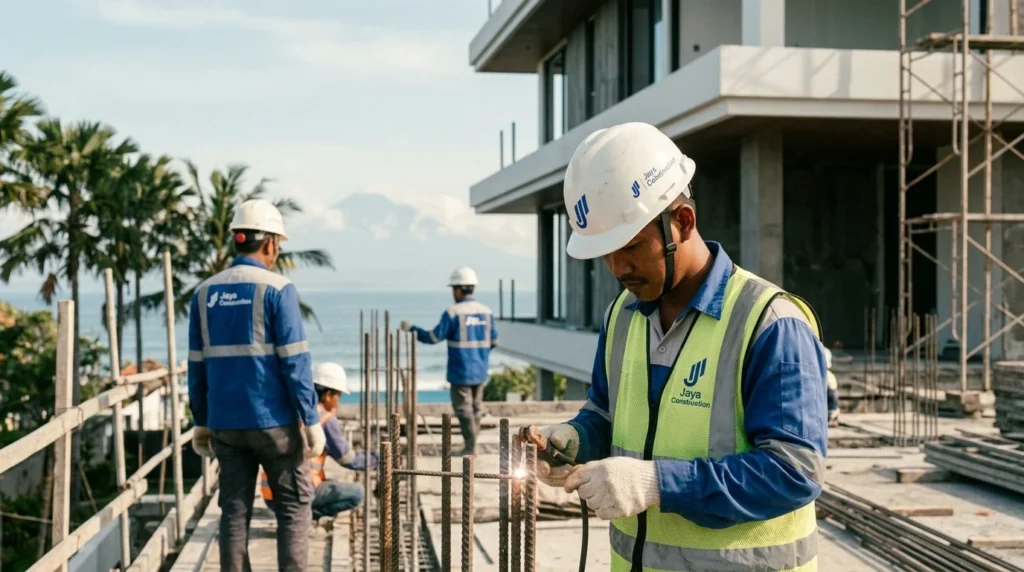
Structural Framework: Erection of the main skeleton—columns, beams, and slabs.
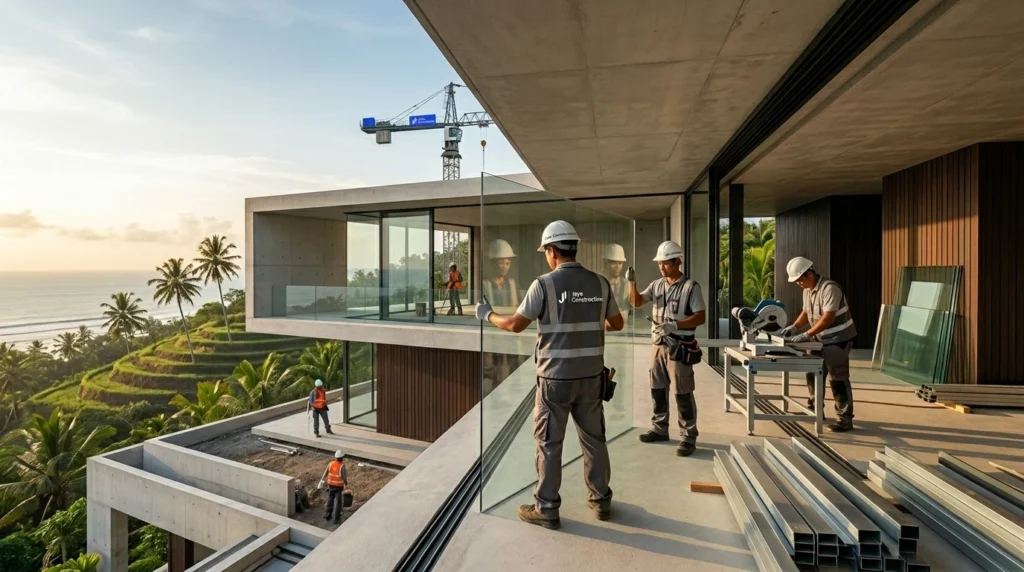
Roofing and Envelope: Installing the roof structure and completing the walls, including window and door openings.
MEP (Mechanical, Electrical, Plumbing): The critical “invisible” infrastructure—wiring, piping, AC ducting, and plumbing is laid in.
Finishing: This is where the vision comes to life. Tiling, carpentry (doors, cabinets, built-in furniture), painting, installation of fixtures (lights, taps, appliances), and kitchen/bathroom fitting.
External Works & Landscaping: Construction of pool, decking, garden walls, pathways, and planting.
Final Punch List & Handover: A thorough inspection to identify any defects or incomplete items, followed by official handover.
Throughout this process, regular, documented communication and site meetings facilitated by your project manager are essential to ensure quality control and address any issues promptly.
Financial Considerations and Real Estate Value
Building a villa in Pererenan is a significant investment, and costs can vary widely. As a rough guide, construction costs (excluding land and professional fees) can range from USD $600 to $1,500+ per square meter, depending entirely on the quality of materials, complexity of design, and level of fixtures and fittings.
Key budget items include:
Land lease cost (often the largest single outlay)
Architect and design fees (typically 10-15% of construction cost)
Project management fee (5-10%)
Construction cost (materials and labor)
Contingency fund (crucial—set aside at least 10-15% of the construction budget for unforeseen expenses)
The return on this investment is twofold. Primarily, it offers a unique and unparalleled quality of life in one of the world’s most desirable destinations. Secondly, the rental market in Pererenan is exceptionally strong. A well-designed and managed villa can command premium nightly rates from the growing tourist market seeking authentic, design-forward stays, providing a substantial passive income stream. Property values in Pererenan have shown consistent upward trajectory, reflecting its increasing desirability.
Conclusion: Building Your Legacy in the Making
Pererenan offers a rare canvas—a place where the timeless beauty of Bali’s landscape meets contemporary comfort and style. Building a villa here is more than a construction project; it’s a chance to create a personal sanctuary and a lasting asset. The process requires patience, diligent planning, and unwavering trust in your local team. By embracing the principles of thoughtful design, rigorous due diligence, and deep respect for the local culture and environment, you can ensure your Pererenan villa is not just a house, but a home that embodies the best of modern island living. It is an investment in a lifestyle that is increasingly hard to find, making your journey from blueprint to breathtaking reality a truly worthwhile endeavor.
 By Jaya Construction Bali August 22, 2026
6 min read
By Jaya Construction Bali August 22, 2026
6 min read