Building a Villa in Nusa Dua: Navigating Luxury and Legal Frameworks
By Jaya Construction BaliAugust 20, 20268 min read
In this article
Nestled on the southeastern peninsula of Bali, Indonesia, Nusa Dua stands as a pinnacle of exclusive tropical living. Known for its pristine white-sand beaches, crystal-clear lagoons, and world-class international resorts, the area has long been a magnet for luxury tourism. For an increasing number of discerning investors and lifestyle seekers, the dream extends beyond a holiday stay to owning a piece of this paradise through a private villa. However, building a villa in Nusa Dua is not simply a matter of hiring an architect and breaking ground. It is a complex endeavor that marries the pursuit of unparalleled luxury with the necessity of navigating a strict regulatory landscape. This guide provides a comprehensive overview of what it truly takes to construct your dream villa in this prestigious Balinese enclave, balancing opulent design with meticulous legal compliance.
The Allure of Nusa Dua: Why Build Here?
Before delving into the complexities of construction, it’s essential to understand the unique appeal of Nusa Dua that drives this investment. Unlike the bustling, culturally immersive towns of Ubud or the surf-centric vibes of Canggu, Nusa Dua is a master-planned tourism complex (ITDC – Indonesia Tourism Development Corporation). This distinction is key.
The area offers a level of infrastructure, security, and cleanliness that is rare elsewhere in Bali. Roads are well-maintained, utilities are reliable, and a dedicated security patrol maintains a peaceful atmosphere. The “Bali Tourism Development Corporation” (ITDC) model ensures a consistent, high-end experience. For villa owners, this translates to a serene environment with immediate access to five-star amenities, international dining, and a protected marine ecosystem. The proximity to Ngurah Rai International Airport (just a 15-20 minute drive) adds a layer of convenience that is highly attractive to international buyers and vacation renters.
The Legal Terrain: Navigating Ownership and Zoning
This is arguably the most critical phase of the project. Indonesian property laws are complex, especially for foreign nationals. A misstep here can jeopardize your entire investment.
Foreign Ownership Structures: Direct freehold land ownership (Hak Milik) is not available to foreigners. Instead, investors must use one of several permissible legal structures:
PT PMA (Foreign-Owned Limited Liability Company): This is the most common and secure structure for foreign investors building a villa for commercial rental purposes. The company can hold a Hak Guna Bangunan (Right to Build) title, typically valid for 30 years and extendable for another 20, over land held under a Hak Sewa (Right to Lease) or Hak Pakai (Right to Use) by the company. This requires establishing a company with minimum capital investment and appointing a local director.
Long-Term Lease (Hak Sewa): A foreigner can lease land directly from an Indonesian landowner for a period up to 25 years, with a guaranteed extension clause. This is simpler than forming a PT PMA but offers less security and control over the asset in the long term.
Nominee Arrangements (Not Recommended): Using an Indonesian “nominee” to hold the freehold title in their name while a foreigner funds the purchase through a private agreement is highly risky, legally unenforceable, and contrary to Indonesian law. It is strongly advised to avoid this path.
Nusa Dua-Specific Zoning (ITDC Regulations): Beyond national law, Nusa Dua falls under the jurisdiction of the ITDC. Any development must comply with their master plan. This includes strict rules on building heights (often limited to 15 meters, or roughly 4 stories, to preserve the skyline and views), architectural design (to maintain aesthetic harmony), density, and green space requirements. You cannot simply build to your own specifications; your villa design must be approved by the ITDC’s architectural review committee to ensure it complements the area’s luxury resort character.
The Development Blueprint: From Vision to Approved Plan
Once you have secured the land through a proper legal vehicle and confirmed the plot’s eligibility for a private villa within the ITDC masterplan, the design and permitting process begins.
Assembling Your Team: You will need a team of local experts:
Notary (Notaris): To draft and authenticate all legal documents related to land and company.
Architect: Essential for creating a design that is both stunning and compliant with ITDC and local building codes (Bangunan Gedung).
Licensed Builder/Contractor: Must have experience building in Nusa Dua and be familiar with the stringent environmental and construction regulations.
Environmental Consultant: Often required for the Environmental Impact Analysis (AMDAL) or the simpler Environmental Management Effort (UKL) and Environmental Monitoring Effort (UPL) documents, which assess the project’s impact on the local ecosystem.
The Permitting Gauntlet: Obtaining building permits (Izin Mendirikan Bangunan – IMB, now often integrated into the Persetujuan Bangunan Gedung – PBG) in Nusa Dua is a multi-stage process involving several government and ITDC departments. Key permits include:
ITDC Development Approval: The first hurdle, assessing conformity with the masterplan.
Spatial Planning Permit (Izin Lokasi): From the local regency (Badung) or provincial government.
Building Approval (Persetujuan Bangunan Gedung – PBG): The technical approval for the detailed building plans.
Environmental Permits: As mentioned above.
Utility Connections: Formal applications to PLN (electricity) and the local water utility (PDAM).
The timeline for this process can range from six months to over a year. Patience and your local team’s relationships are invaluable.
Designing the Dream: Architectural Philosophy in Nusa Dua
With permits in hand, the architectural vision can be finalized. The luxury villa market in Nusa Dua is sophisticated, and design must be exceptional.
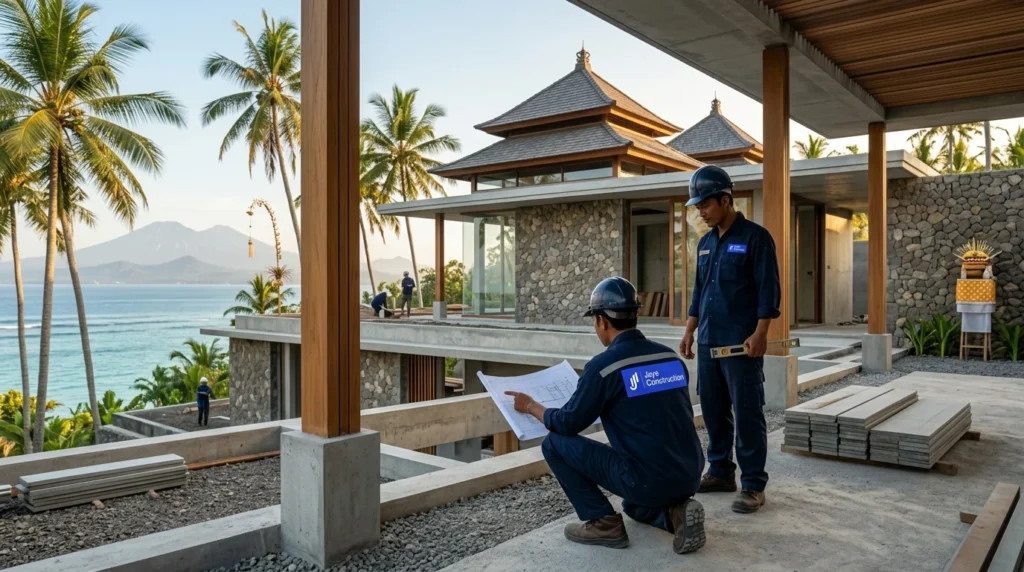
Blending Aesthetics: While contemporary minimalist designs with clean lines, vast glass walls, and infinity pools are popular, there is a growing trend of integrating traditional Balinese architectural elements in a modern context. This can include the use of locally sourced stone, intricately carved wooden details (ukiran), open-air pavilions (bale bengong), and courtyard gardens that create a sense of place and tranquility. The goal is to design a villa that feels both luxuriously international and authentically Balinese.
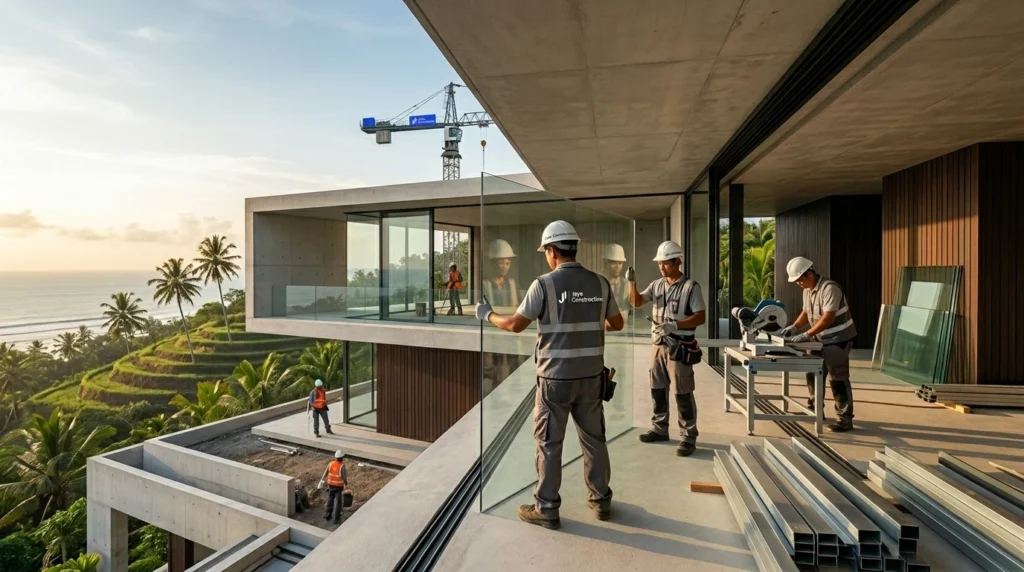
Emphasizing Indoor-Outdoor Living: The tropical climate demands a seamless flow between interior and exterior spaces. This is achieved through retractable glass walls, covered terraces (bale), and strategically placed water features that provide cooling breezes and a serene soundscape. Masterful landscaping is not an afterthought but an integral part of the design, creating private, lush sanctuaries that enhance privacy and aesthetic appeal.
Sustainability and Smart Integration: Forward-thinking villas now incorporate sustainable features like rainwater harvesting, solar water heating, energy-efficient appliances, and native, low-maintenance plants. Smart home systems that control lighting, climate, security, and entertainment are no longer a luxury but an expectation in this market segment.
The Construction Process: Managing Quality and Timeline
Construction in Nusa Dua, while benefiting from good infrastructure, presents its own challenges.
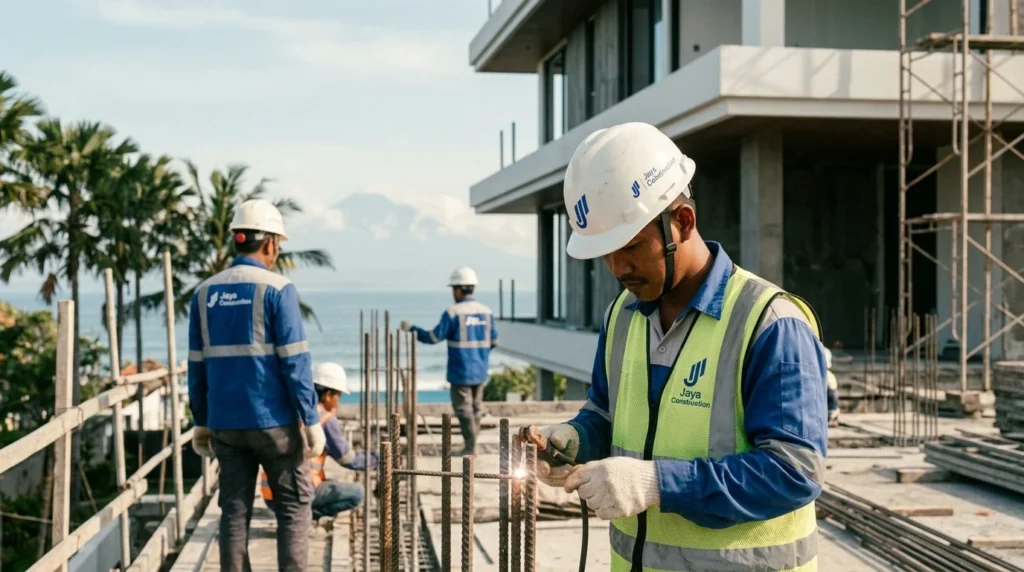
Material and Labor Sourcing: High-quality materials, especially imported fixtures, fittings, and furniture, may need to be sourced from Jakarta or abroad, requiring careful logistics planning to avoid delays. The local workforce is skilled in traditional construction methods, but for cutting-edge contemporary designs, you may need a contractor with experience in modern techniques.
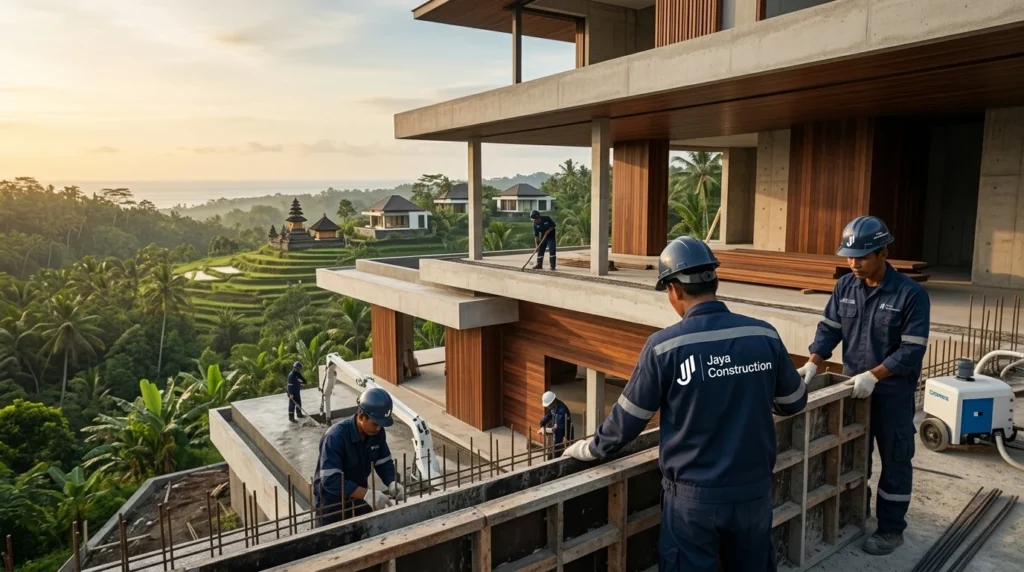
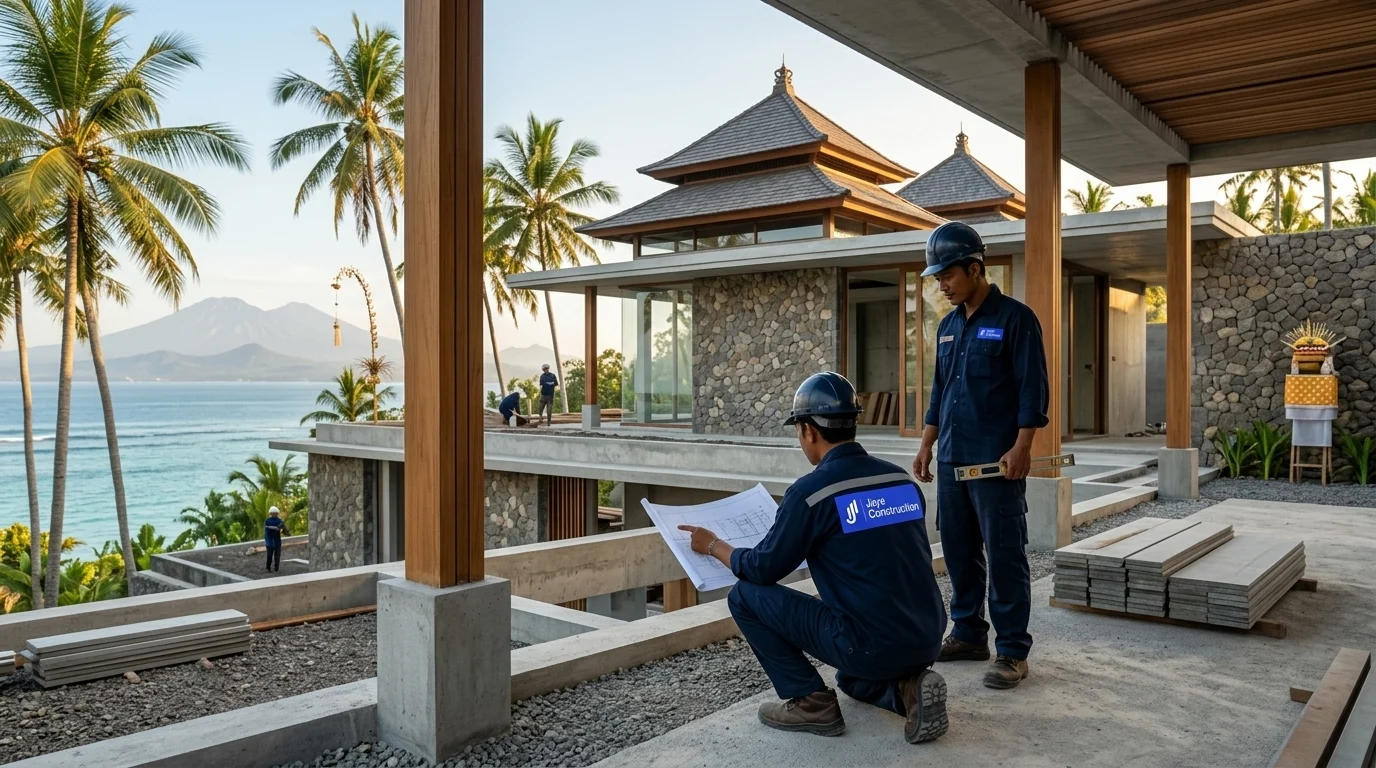
Site Supervision is Paramount: The owner or a trusted project manager must maintain a consistent presence on-site. This ensures that the architectural plans are followed precisely, materials are of the specified quality, and the workmanship meets luxury standards. Regular, detailed progress reports with photographic documentation are essential.
Budget and Contingencies: A comprehensive budget must include not only construction costs but also all professional fees, permits, taxes, and landscaping. It is prudent to allocate a contingency fund of 15-20% of the total budget to cover unexpected costs, material price fluctuations, or minor design modifications during construction. The total cost can vary widely based on finishes, but a luxury villa in Nusa Dua is a significant investment, often starting from several hundred thousand US dollars and reaching into the millions.
Post-Completion: Operations, Marketing, and Community
Building the villa is only half the journey. Turning it into a successful investment or a seamless personal retreat requires ongoing management.
Operational Management: Unless you reside in Bali full-time, you will need a professional villa management company. They handle everything: guest bookings and inquiries, check-in/check-out, daily housekeeping, laundry, maintenance of the pool and garden, and overseeing repairs. Their fee is typically a percentage of the rental income.
Marketing and Rental Strategy: To generate income, your villa must be marketed effectively on global platforms like Airbnb, Booking.com, and specialized luxury villa rental websites. Professional photography, compelling descriptions, and managing guest reviews are critical. Understanding the seasonal peaks and setting competitive yet premium pricing is key to maximizing occupancy and revenue.
Being a Good Neighbor: Finally, becoming part of the Nusa Dua community, even as an absentee owner, is important. Respecting noise regulations, ensuring your guests adhere to community rules, and engaging positively with the ITDC management and local residents contribute to the area’s harmony and protect the value of your investment.
Conclusion: A Rewarding Journey of Diligence and Vision
Building a villa in Nusa Dua is unequivocally a path to acquiring a world-class asset in one of Asia’s most desirable locations. It offers the promise of both an extraordinary personal sanctuary and a potentially lucrative investment. However, this path is paved with rigorous legal procedures, stringent design codes, and complex project management challenges. Success is not found in shortcuts but in diligent preparation, assembling a trustworthy local team, respecting the unique regulatory framework of the ITDC, and investing in timeless, high-quality design. By fully embracing both the pursuit of luxury and the imperative to adhere to the rules, you can successfully navigate the journey from vision to reality, building not just a villa, but a lasting legacy in the heart of Bali’s premier coastal enclave.
 By Jaya Construction Bali August 20, 2026
8 min read
By Jaya Construction Bali August 20, 2026
8 min read