Back to the journal
Construction insights
Building a Villa in Sanur: A Calmer Investment
 By Jaya Construction Bali August 16, 2026
7 min read
By Jaya Construction Bali August 16, 2026
7 min read
By Jaya Construction Bali August 16, 2026
7 min read
By Jaya Construction Bali August 16, 2026
7 min read
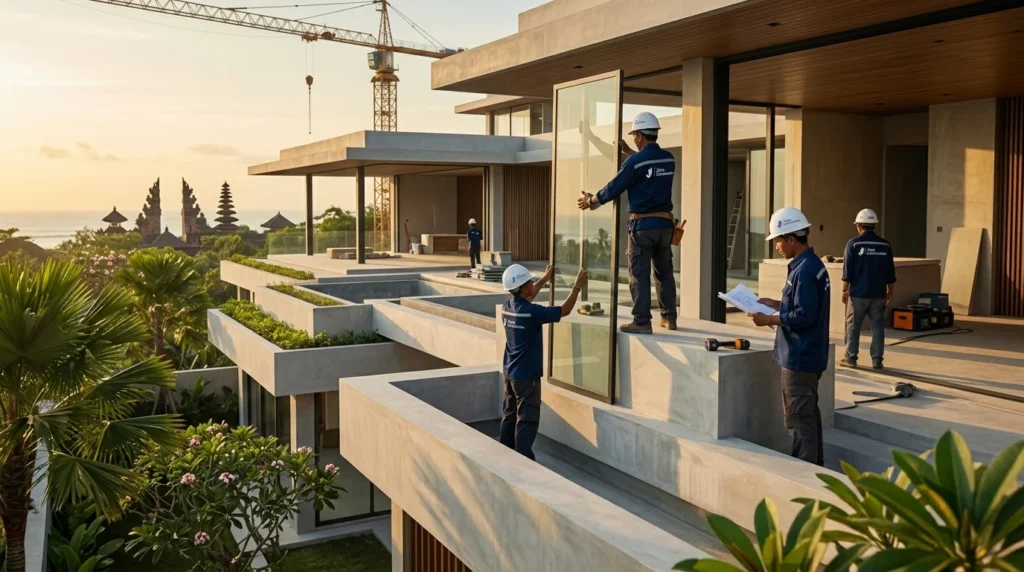
When considering property investment in Bali, the mind often drifts to the vibrant, buzzing scenes of Seminyak or the trendy surf breaks of Canggu. However, a more discerning and sustainable approach points to Sanur, a coastal area that has long been cherished for its serene atmosphere, established infrastructure, and unique cultural charm. Building a villa in Sanur represents not just a financial venture, but a commitment to a calmer, more integrated way of living and investing. This article explores the multifaceted appeal of Sanur, providing a comprehensive guide to navigating the process of creating your own villa in this tranquil corner of the Island of the Gods.
Sanur is often described as Bali’s “old soul.” It was one of the first areas developed for tourism, yet it has steadfastly maintained a laid-back, family-friendly character. Unlike its western counterparts, the coastline here is protected by a reef, creating calm lagoon-like waters perfect for swimming and kayaking. The main Jalan Danau Tamblingan is a pleasant, tree-lined avenue dotted with cafes, local warungs, and boutique shops, offering a more relaxed pace than the bustling streets elsewhere. This established community feel, combined with stunning sunrise views over the sea, forms the foundational appeal for those seeking an investment that aligns with a serene lifestyle.
The decision to build rather than buy an existing property is significant, offering control over design, quality, and functionality. When this decision is paired with the Sanur location, it unlocks a specific set of advantages.
A Lifestyle-Driven Value Proposition: The primary draw of Sanur is its intrinsic quality of life. Investors are often future residents or frequent visitors themselves, meaning the property serves a dual purpose: a personal retreat and a rental asset. The demographic attracted to Sanur—families, mature travelers, and long-term expats—tends to seek stability and comfort over nightlife and novelty. This creates a reliable, year-round rental market less susceptible to the extreme peak-and-trough seasons seen in other areas. Your investment is backed by a consistent demand for peaceful, high-quality accommodations.
Cultural and Natural Integration: Sanur maintains a strong connection to Balinese traditions. The Le Mayeur Museum, the Blanjong Temple with its ancient inscription, and regular cultural ceremonies are woven into the fabric of daily life. Building a villa here allows for designs that respectfully incorporate traditional architectural elements—such as open-air living pavilions (bale), intricately carved stone walls, and tropical garden courtyards—while providing all modern comforts. This synergy between old and new is a unique selling point that discerning renters and buyers appreciate.
Strategic Infrastructure and Accessibility: Despite its calm demeanor, Sanur is exceptionally well-connected. It is a mere 20-30 minute drive from Ngurah Rai International Airport. It is also the main gateway to the neighboring islands of Nusa Lembongan, Nusa Ceningan, and Nusa Penida, with many fast boats departing from its harbor daily. The area boasts reputable international schools, hospitals, and modern supermarkets, making it practical for long-term living. This blend of accessibility and convenience significantly enhances both the livability and the rental appeal of any property.
Embarking on a construction project in a foreign country requires meticulous planning and local expertise. The process in Bali, while rewarding, has its own set of protocols and considerations.
Securing the Right Land: The first and most critical step is land acquisition. Foreigners cannot own freehold (hak milik) land in Indonesia. The most common and legally secure method for foreign investors is through a leasehold (hak sewa) agreement, typically for 25-30 years with options to extend. Another increasingly popular route is establishing a foreign-owned company (PT PMA) which can hold hak pakai (right to use) title. It is imperative to engage a reputable notary (notaris) and a knowledgeable legal consultant to conduct thorough due diligence on the land’s certificate, zoning, and ownership chain. In Sanur, desirable plots may be more limited and carry a premium, so patience and local connections are valuable.
Assembling Your Team: Your next step is to build a professional team. This should include:
The Design and Permitting Process: With your team in place, the design phase begins. This is where you translate your vision into blueprints. You must consider not just the villa itself but also the landscape, drainage, and integration with the surrounding environment. Once the design is finalized, the construction permit (Izin Mendirikan Bangunan or IMB) must be secured from the local authorities. Your architect and project manager typically handle this submission. The process can take several months and requires patience. Building without the correct permits can lead to severe penalties, including demolition.
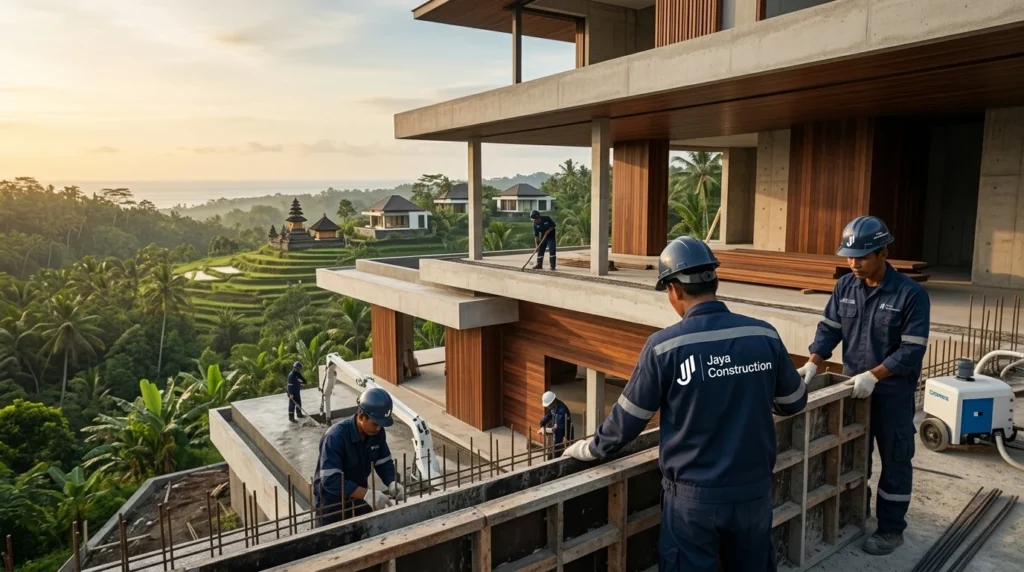
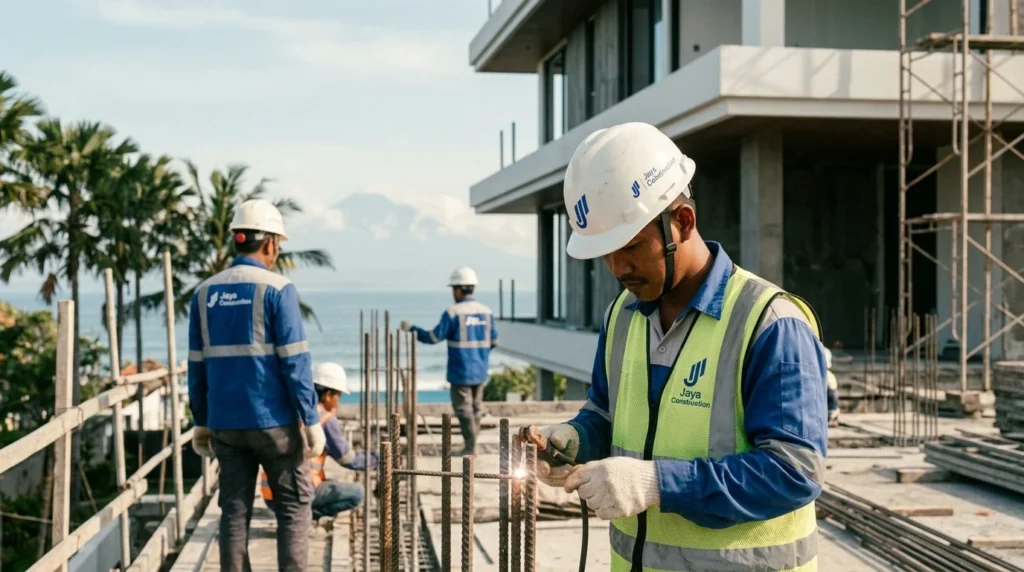
Construction and Oversight: Construction in Bali often uses a combination of local skilled labor (tukang) and imported materials for fixtures and finishes. Regular site visits, or at least very frequent communication with your project manager, are vital. Be prepared for the “Bali time” factor, where progress may be slower than in Western countries. Quality control is your primary concern; ensure materials meet the specified standards and that workmanship is of a high grade. Using a milestone-based payment system tied to verified progress is a standard practice to protect your investment.
A clear understanding of the financial outlay and potential returns is essential for a calmer investment mindset.
Cost Breakdown: The total cost of building a villa in Sanur comprises several key components:
Rental Potential and Management: Sanur’s steady demand means that well-managed villas can achieve strong occupancy rates. Annual net yields for well-located, quality properties typically range from 5-8%, which is competitive for a lifestyle market. To achieve this, professional management is key. A reputable villa management company will handle marketing, guest communications, bookings, cleaning, maintenance, and staff (like a villa manager, maid, and gardener). Their fee is usually a percentage of the rental income. For a “calmer” investment, this hands-off approach is ideal, allowing you to enjoy the returns without the daily operational stress.
Investing in a Sanur villa is a long-term commitment that pays dividends beyond monetary returns. The leasehold structure inherently encourages a forward-thinking mindset. While the initial lease is for a set period, renewals are commonly arranged, and the value of a well-maintained property within a desirable compound or location tends to appreciate over the lease term, especially with inflation and increasing development costs.
Furthermore, the true value lies in the lifestyle asset you create. It is a place for family holidays, a serene retirement haven, and a home base from which to explore the deeper culture of Bali. The community in Sanur is strong, with a mix of long-term locals and foreigners who value a quieter pace of life. This sense of belonging is a priceless component of the investment.
In the dynamic and often frenetic world of property investment, choosing to build a villa in Sanur is a statement of wisdom. It is an investment in stability over speculation, in culture over commercialization, and in long-term satisfaction over short-term hype. The process requires diligence, the right partners, and a respectful approach to the local environment and laws. However, the reward is a tangible asset that generates consistent returns while serving as a personal sanctuary. Sanur does not promise the wildest parties or the trendiest beach clubs; instead, it offers a timeless quality of life. For the investor seeking a portfolio that includes peace of mind, a calmer investment in a Sanur villa is, ultimately, a profound investment in a better way of living.
Share your site, plans, priorities, or questions. Our team can help turn early information into a practical construction path.