Back to the journal
Construction insights
Understanding the Full Cost to Build a 2-Bedroom Villa in Bali
 By Jaya Construction Bali July 6, 2026
7 min read
By Jaya Construction Bali July 6, 2026
7 min read
By Jaya Construction Bali July 6, 2026
7 min read
By Jaya Construction Bali July 6, 2026
7 min read
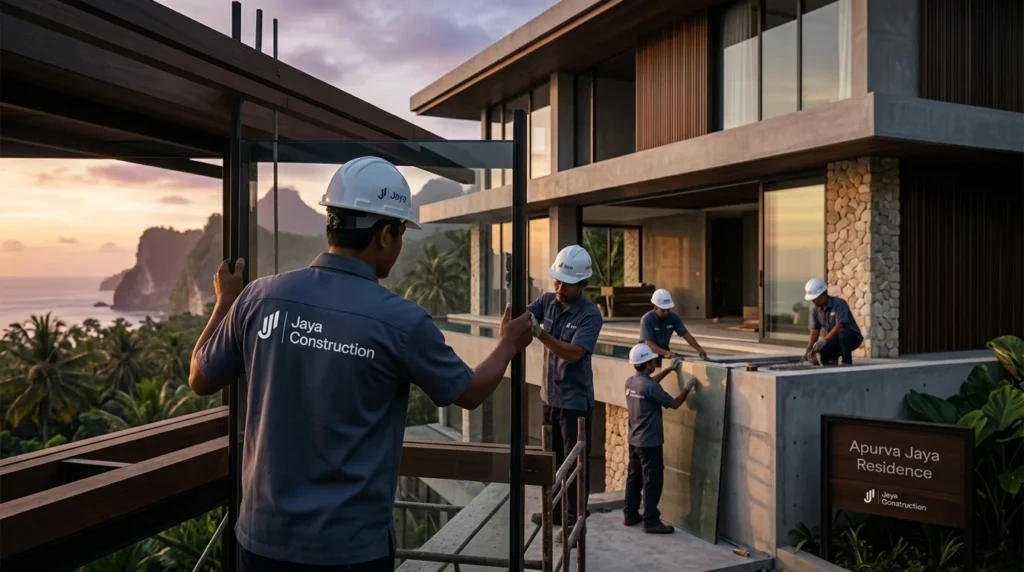
Building a villa in Bali is a dream for many, offering a blend of tropical lifestyle and potential investment returns. However, transitioning from dream to blueprint requires a clear and realistic understanding of the associated costs. The island’s unique charm comes with its own set of construction considerations, from local building customs to material availability. This article provides a comprehensive breakdown of the expenses involved in building a 2-bedroom villa in Bali, offering prospective builders a detailed financial roadmap.
Bali’s allure as a global destination for tourism, remote work, and serene living continues to drive demand for private villas. A 2-bedroom villa represents a perfect balance—intimate enough for a couple or small family, yet spacious enough for comfortable living or generating rental income. However, the perceived affordability of building in Bali can be misleading. Costs are influenced by numerous variables including location, design complexity, material choices, and the level of luxury desired. Failing to account for every line item can lead to budget overruns and project delays. Therefore, a meticulous approach to financial planning is not just advisable; it is essential.
The first and often most significant variable is the cost of land. Prices vary dramatically across the island, forming the foundation of your total budget.
Location is the primary driver. Prime areas in South Bali, such as Canggu, Seminyak, and Uluwatu, command premium prices due to their proximity to beaches, cafes, and expat communities. Here, land can range from $150 to over $400 per square meter. In contrast, more rural or emerging areas in Tabanan, Gianyar, or North Bali offer land at a fraction of the cost, sometimes as low as $30 to $80 per square meter.
For a comfortable 2-bedroom villa, you will likely require a plot of 200 to 400 square meters. Therefore, land costs alone can range from $6,000 for a basic plot in a remote area to over $160,000 for a desirable piece in a popular tourist hub. It is crucial to perform thorough due diligence on land titles, zoning regulations, and access rights before any purchase.
This is the most variable and detailed part of the project. Construction costs in Bali are typically quoted on a per-square-meter basis and can be segmented into three broad tiers:
For a 2-bedroom villa, a reasonable total building area (including living spaces, kitchen, bathrooms, and a small storage area) might be between 150 and 200 square meters. Using the mid-range quality as a benchmark, the construction cost alone would be between $97,500 and $220,000.
To move from a per-square-meter estimate to a realistic budget, you need to itemize the major components.
Structural Work & Foundations: This includes excavation, footings, and the concrete frame. For a two-story villa, this is critical. Costs are influenced by soil condition (rocky vs. sandy) and design. This can account for 20-30% of the total construction cost.
Roofing: Traditional Balinese-style roofs using sirap (wooden shingles) are beautiful but expensive. More common and cost-effective are clay roof tiles or concrete tiles. The roof design (complex vs. simple hip roof) heavily influences the price.
Wall Systems and Finishes: Most villas use a combination of load-bearing concrete block walls and lighter partition walls for interiors. The exterior finish—whether simple plaster and paint, natural stone cladding, or wood—adds significant cost.
Flooring: Options range from locally made ceramic tiles to imported marble, granite, or hardwood flooring. This is a major area for aesthetic impact and cost variation.
Doors and Windows: High-quality, custom-made wooden doors and window frames are a hallmark of Balinese villas. Aluminum-framed glass is a more affordable alternative, but wooden frames with large, custom shapes are standard for a villa aesthetic.
Mechanical, Electrical, and Plumbing (MEP): This is often underestimated. It includes all wiring, light fixtures, power outlets, water supply, drainage, water heaters, and septic systems. Using substandard materials here is a false economy.
Kitchen and Bathroom Fit-Out: These are the most expensive rooms per square meter. Costs depend entirely on cabinetry, countertops (granite vs. laminate), and sanitaryware (toilet, sink, shower, bathtub).
Swimming Pool: A private pool is almost expected in a villa rental market. A standard 8×4 meter plunge pool with basic tiling and filtration system starts from around $15,000 and can go upwards of $30,000 or more for a larger, more elaborate design with infinity edges.
Landscaping and Garden: Creating the tropical oasis—stone pathways, lush planting, grass lawns, and boundary walls—is a separate and substantial line item.
You cannot build a villa in Bali alone. Professional fees are a necessary and valuable part of the budget.
Navigating Bali’s bureaucratic landscape is a cost in itself.
Several expenses often catch first-time builders off guard.
Let’s synthesize these numbers for a mid-range 2-bedroom villa in a desirable but not top-tier location like Canggu.
Total Estimated Project Cost: Approximately $329,320
This estimate highlights that the construction cost is only one piece of the puzzle. The total investment required to go from an empty plot to a fully operational, furnished 2-bedroom villa is substantially higher.
Building a 2-bedroom villa in Bali is a rewarding endeavor, but it is a complex construction project in a foreign environment. The total cost is highly personalized, hinging on your choices regarding location, quality, and design. The key takeaway is that thorough planning and professional guidance are the best defenses against budget disasters.
Engage a reputable architect and project manager early. Visit the island, talk to other expat villa owners, and get multiple detailed quotes. Ensure your contract with a builder is clear, outlining payment schedules tied to completed milestones. By respecting the local construction process, understanding all cost components, and maintaining a healthy contingency fund, you can transform your vision of a Balinese sanctuary into a tangible and financially sound reality. Your dream villa awaits, but its foundation is built on a well-researched and detailed financial plan.
Share your site, plans, priorities, or questions. Our team can help turn early information into a practical construction path.