Build-to-Rent in Bali: A Beginner’s Guide to Paradise Property Investment
By Jaya Construction BaliJuly 7, 20267 min read
In this article
For decades, Bali has captivated the world with its stunning landscapes, vibrant culture, and unique spiritual energy. While many come to visit, a growing number of savvy investors are looking to own a piece of the island, not for personal holiday homes, but as a stable income-generating asset. Enter Build-to-Rent (BTR), an investment model that is rapidly reshaping Bali’s property market. This comprehensive guide is designed for beginners, demystifying the concept of BTR, exploring its mechanics, outlining the legal landscape, and providing a clear roadmap for your investment journey in the Island of the Gods.
What Exactly is Build-to-Rent?
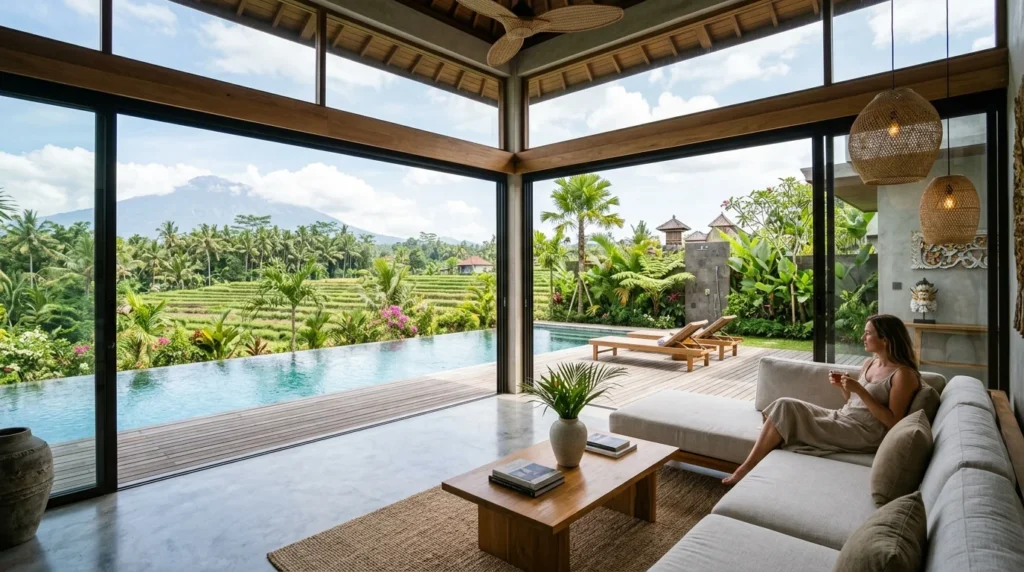
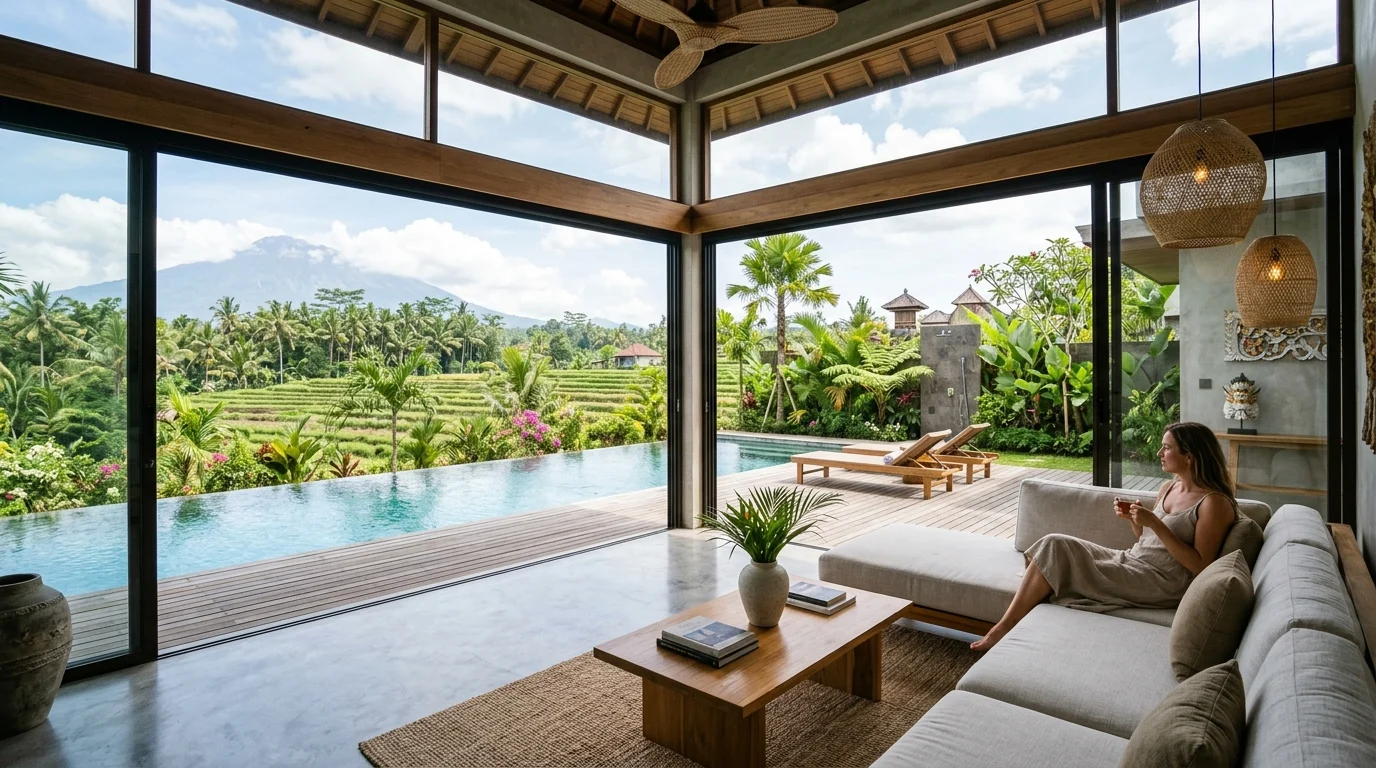
At its core, Build-to-Rent is a real estate development strategy where a property is designed, constructed, and marketed specifically for the long-term rental market, rather than for immediate sale to owner-occupiers. Unlike buying an existing villa, an investor partners with a developer to create a new, purpose-built asset tailored to the demands of today’s tenants. In Bali, this often means a modern, well-designed villa or apartment complex in a high-demand tourist or digital nomad area, complete with amenities that ensure high occupancy and premium rental rates.
The model differs fundamentally from traditional “buy-to-let” or “off-plan” purchases. With BTR, the focus is on the entire lifecycle of the investment: from market-informed design to professional management, all geared toward maximizing long-term rental yield and capital appreciation. It’s a hands-off approach that appeals to international investors who want exposure to Bali’s booming property market without the day-to-day headaches of property management.
Why is Build-to-Rent Booming in Bali?
Several powerful forces converge to make Bali a prime location for BTR investment:
Insatiable Demand: Bali’s tourism industry has rebounded powerfully, and its reputation as a hub for remote workers has created a year-round demand for quality rental properties. Locations like Canggu, Seminyak, Ubud, and Sanur are consistently booked, offering investors the prospect of high annual yields that often outperform traditional real estate markets in the West.
The Digital Nomad & Expat Wave: Beyond short-term tourists, a significant portion of Bali’s rental demand comes from long-stay digital nomads, retirees, and expatriates. This demographic seeks more than a hotel room; they desire comfortable, fully-serviced homes with reliable Wi-Fi, dedicated workspaces, and community amenities—a perfect fit for the BTR model.
Professionalization of the Market: As the market matures, the old model of individual villas managed by part-time agents is giving way to professionally managed portfolios. Investors increasingly prefer the reliability, transparency, and scale offered by professional BTR developers and management companies.
A Path to Secure Ownership: For many foreigners, direct freehold land ownership (Hak Milik) in Indonesia is not possible. The BTR model often operates within the legally secure framework of long-term leasehold (Hak Sewa) or the right-to-use (Hak Pakai) title, structured by reputable legal entities (PT PMA), providing a clear and enforceable path to ownership for 25-30 years, with guaranteed extension options.
Navigating the Legal Landscape: Foreign Ownership in Bali
Understanding the legal framework is non-negotiable for any foreign investor. The good news is that Indonesia has created pathways to secure property ownership for foreigners, which are perfectly suited to the BTR model.
The Key Legal Vehicle: PT PMA: The most common and recommended structure for foreign investors is to establish a foreign-owned limited liability company (Penanaman Modal Asing or PT PMA). This company can then legally hold a property under a right-to-use title (Hak Pakai), which is valid for an initial 30 years, extendable for a further 20 years, and then another 30 years, offering up to 80 years of secure tenure. A reputable BTR developer will guide you through this entire process.
Leasehold Agreements: Another popular method is a straightforward long-term leasehold (Hak Sewa), typically for 25-30 years, with pre-agreed options to extend. Contracts are meticulously drawn up to protect the lessee’s rights.
Due Diligence is Paramount: The cardinal rule is to never bypass professional legal counsel. Engaging an independent notary (PPAT) and a reputable lawyer specializing in Indonesian real estate is essential. They will verify land titles, ensure all permits are in order, and structure the transaction in full compliance with Indonesian law.
The Anatomy of a Build-to-Rent Investment: A Step-by-Step Walkthrough
Embarking on a BTR investment involves a clear, structured process.
Step 1: Market Research and Location Selection
This is the foundation. You must analyze rental demand, tenant demographics, and future development plans. Key questions include: Is the area popular with long-term renters? What is the average occupancy rate? What are the competing properties? Developers will present locations, but conducting your own research on areas like Canggu (for digital nomads), Ubud (for wellness and culture), or Jimbaran (for families) is crucial.
Step 2: Choosing a Reputable Developer
This is the most critical partnership you will form. Look for a developer with a strong track record, transparent communication, and a portfolio of completed and tenanted projects. They should offer a turnkey solution: legal setup assistance, construction, furnishing, and ongoing property management.
Step 3: Legal Structure and Contract Signing
You will establish your PT PMA (or choose a leasehold structure) with the help of your legal team. You’ll then sign a construction and sales agreement with the developer, which details every specification—down to the materials, furnishings, appliances, and even the brand of the pool pump. Payment is typically milestone-based, tied to construction progress.
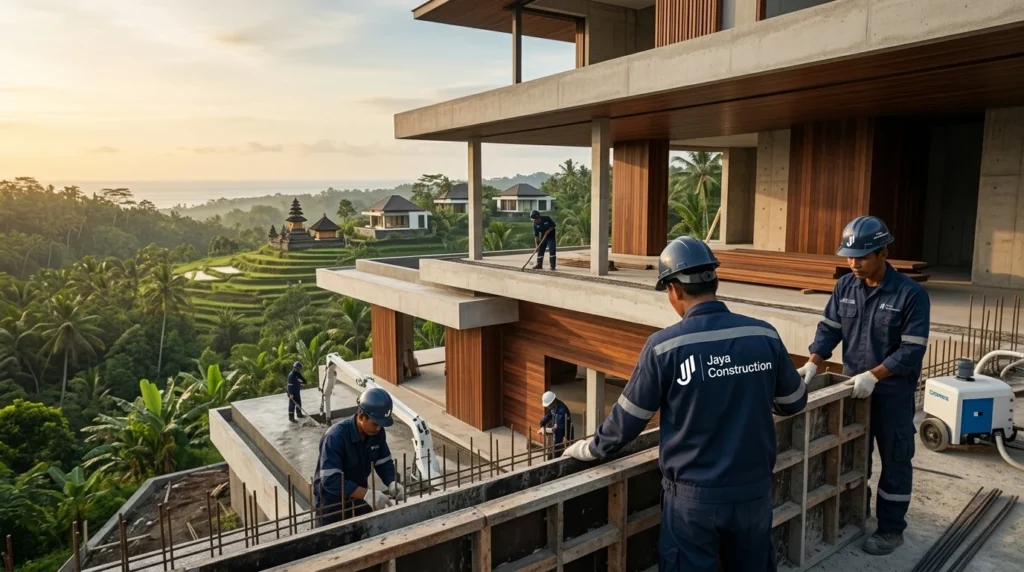
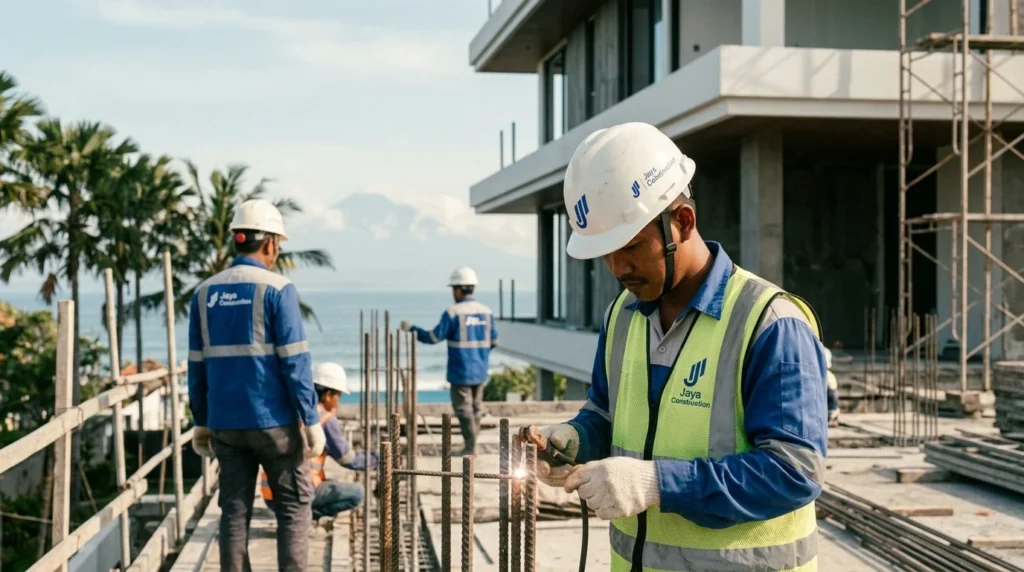
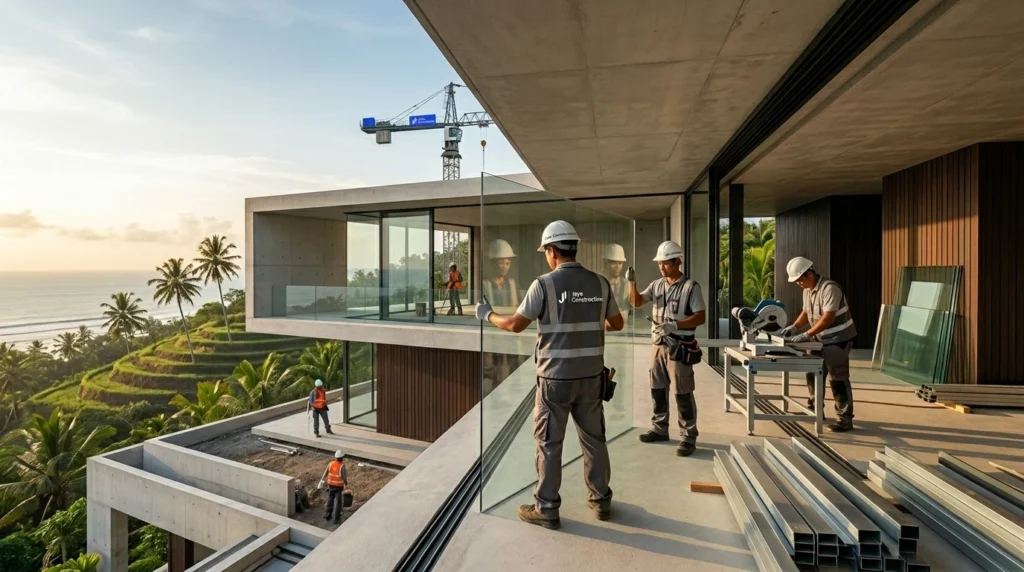
Step 4: Construction and Oversight
Construction timelines in Bali can vary. A good developer will provide regular updates (photos, reports) and site visits if you wish. Modern BTR developments often prioritize quality construction and contemporary designs that appeal to the target market.
Step 5: Handover, Furnishing, and Management Onboarding
Upon completion, you take legal handover of the unit. The developer or a partnered management company will then fully furnish it to a high standard. This is also when you engage a professional property management firm. Their services typically include marketing, guest vetting, booking management, cleaning, maintenance, and financial reporting.
Step 6: Operation and Profit
Your property goes live on booking platforms (like Airbnb, Booking.com, and specialized long-term rental sites). The management company handles everything, depositing your net rental income into your designated account. Your primary role becomes reviewing monthly statements and enjoying your returns.
Financial Considerations: Costs, Returns, and Risks
A clear-eyed view of the finances is essential.
Entry Costs: Beyond the property price itself, budget for establishment fees (PT PMA, legal, notary), furnishing, and initial management setup fees. There are also ongoing taxes (land & building tax), management fees (typically 15-25% of gross revenue), and maintenance reserves.
Return on Investment (ROI): The allure of BTR lies in its potential returns. Gross rental yields in prime Bali locations can range from 8% to 12% annually. After accounting for all costs, net yields commonly fall between 5% and 8%, which is highly competitive globally. Capital appreciation on well-located land in Bali has also shown strong historical growth.
Key Risks to Mitigate:
* Regulatory Risk: Laws can change. However, established structures like PT PMA offer stability.
* Market Saturation: Oversupply in popular areas is a real risk. Thorough location analysis and unique property features are key defenses.
* Management Risk: A poor property manager can sink your investment. Vet them as thoroughly as you do the developer.
* Operational Risk: Natural disasters, unexpected repairs, or periods of low tourism are inherent to property investment. A robust financial buffer is advised.
The Sustainability Angle: Aligning with *Ajeg Bali*
Modern BTR developments are increasingly aware of their impact. There is a growing demand for properties that respect Bali’s environment and culture. This includes:
Eco-Design: Using sustainable materials, implementing rainwater harvesting, solar energy, and waste management systems.
Cultural Integration: Architectural designs that honor Balinese aesthetics (Tri Hita Karana – the harmony between human, nature, and spirit) and provide employment opportunities for the local community.
Supporting the Ajeg Bali Movement: This philosophy of preserving Balinese cultural identity can be supported by investors through mindful development and business practices.
Is Build-to-Rent in Bali Right for You?
Build-to-Rent in Bali is not a passive, hands-off “buy and forget” investment, nor is it a path to guaranteed overnight riches. It is a structured, professional, and potentially very rewarding venture best suited for investors who:
Seek a tangible asset in a high-growth tourism market.
Value strong, consistent rental yields over speculative flipping.
Prefer a hands-off, managed approach to property investment.
Have the patience to navigate Indonesian legal frameworks with professional help.
Are committed to a medium to long-term investment horizon (5+ years).
Conclusion: Building Your Piece of Paradise
Build-to-Rent represents the maturation of Bali’s property investment market, moving it towards a more sustainable, professional, and investor-friendly model. It offers a compelling blend of lifestyle appeal and financial logic, allowing you to participate in one of the world’s most dynamic real estate markets from anywhere in the world. By prioritizing due diligence, partnering with reputable experts, and aligning with ethical practices, you can build not just a property, but a resilient and profitable asset in the heart of paradise. The key is to approach it as a serious business, informed by data and guided by local expertise, ensuring your dream of a Bali investment becomes a well-managed reality.
 By Jaya Construction Bali July 7, 2026
7 min read
By Jaya Construction Bali July 7, 2026
7 min read