The Art of Designing a Bali Villa for Maximum Short-Term Rental Appeal
By Jaya Construction BaliSeptember 23, 20267 min read
In this article
The island of Bali, Indonesia, continues to be a magnet for global travelers seeking culture, nature, and unparalleled relaxation. This sustained popularity presents a lucrative opportunity for property investors in the short-term rental market. However, in a saturated field, simply owning a property in a desirable location is no longer a guarantee of success. The key differentiator lies in intentional, guest-centric design that transforms a mere structure into an unforgettable experience. Designing a Bali villa for short-term rental appeal is a strategic blend of local authenticity, universal comfort, and intelligent functionality. It’s about creating a space that not only photographs beautifully but also lives even better, compelling guests to book, then rebook, and leave glowing reviews.
Understanding the Target Audience
Before a single tile is laid or a piece of furniture is selected, the most crucial step is to define the target guest. Are you catering to couples seeking a romantic escape, families needing space and safety, digital nomads requiring strong connectivity and workspaces, or groups of friends looking for a social hub? Each demographic has distinct needs and desires.
For couples, privacy, luxurious bathrooms, and intimate outdoor spaces are paramount. Families will prioritize secure pool fencing, multiple bedrooms, and entertainment options. Digital nomads demand a dedicated, quiet workspace with ergonomic seating and high-speed, reliable internet. By profiling your ideal guest, every subsequent design decision can be made with their comfort and convenience in mind, ensuring the villa feels custom-made for them.
Architectural and Spatial Design Principles
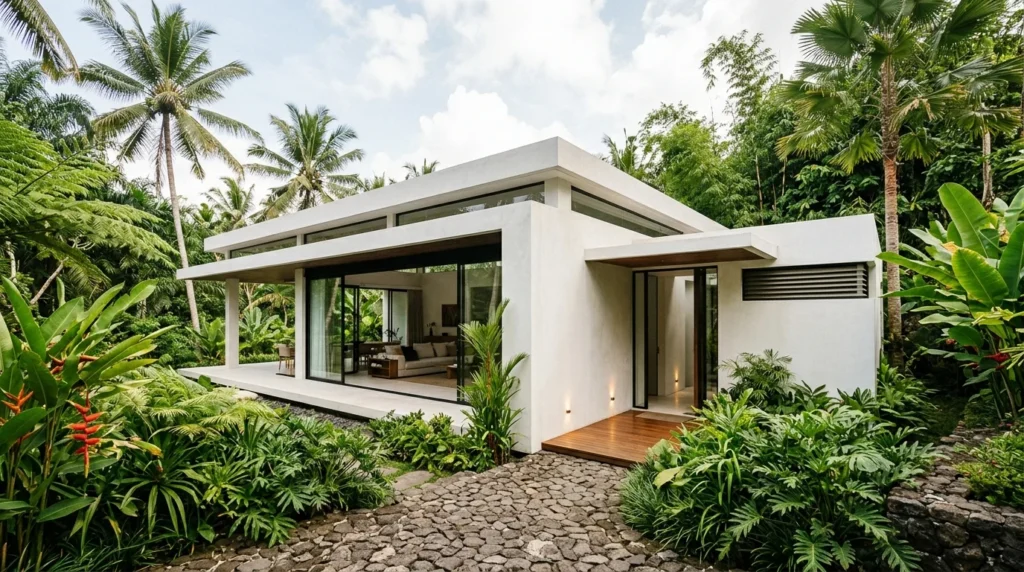
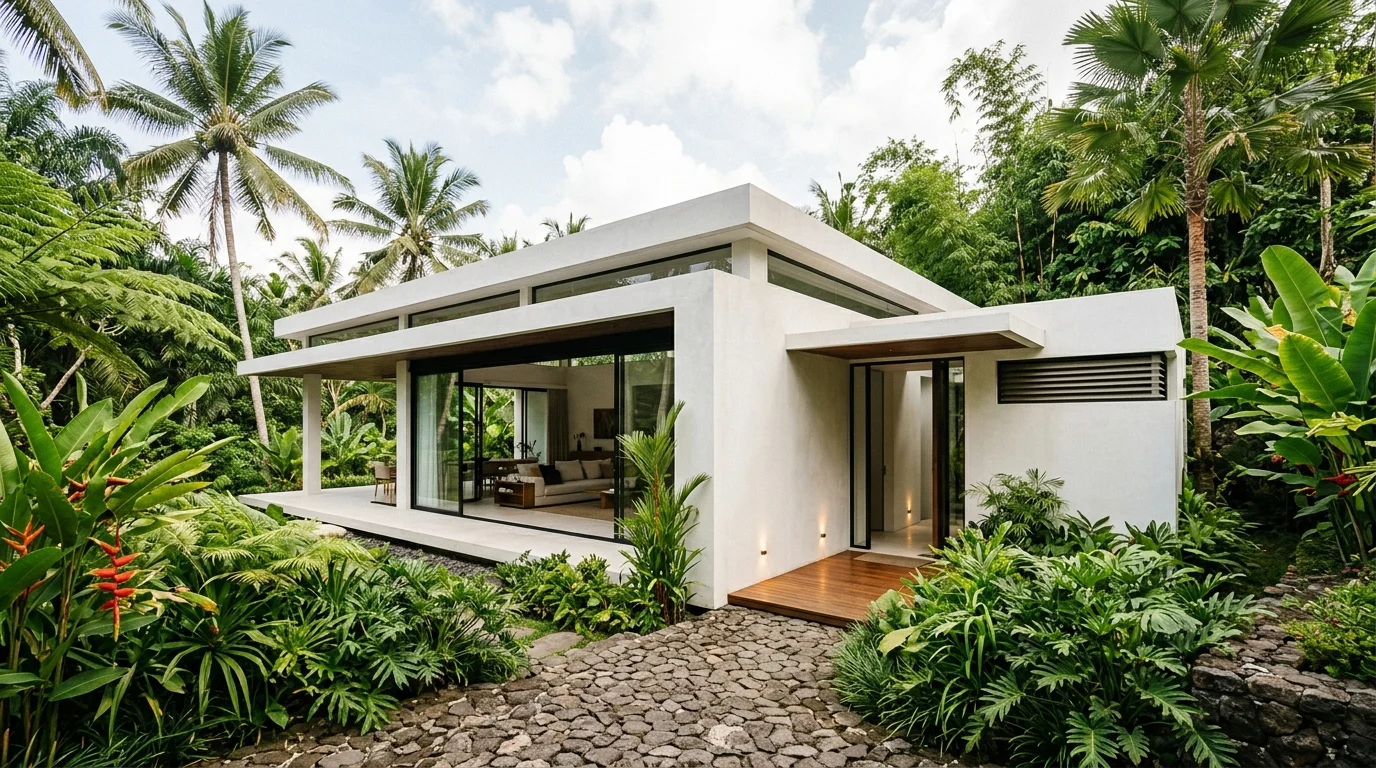
The architecture of the villa should strike a harmonious balance between contemporary comforts and the timeless aesthetic of Balinese design. The goal is to create an environment that feels both exotic and familiar.
Embracing the Tropical Lifestyle: The core principle is the seamless indoor-outdoor flow. Open-plan living areas that dissolve into expansive terraces and lush gardens are non-negotiable. Large sliding or folding doors, such as those made from teak or aluminum, allow living spaces to extend naturally to the exterior. This design maximizes the sense of space, encourages natural ventilation, and allows guests to immerse themselves in the tropical climate and views. The use of traditional materials like alang-alang (thatched roofing for pavilions), stone walls, and wooden carvings reinforces a sense of place, while modern engineering ensures durability and low maintenance.
Layout and Privacy: The villa’s layout should intuitively guide guests through spaces of gathering and solitude. The main living pavilion acts as the social heart, connecting to the kitchen and dining area. Bedrooms, however, should be positioned to ensure acoustic and visual privacy, often in separate pavilions or on different floors. Each bedroom should ideally be a self-contained retreat with its own balcony or terrace and an en-suite bathroom that feels like a spa, perhaps featuring an outdoor shower or a stone tub.
The Power of the Arrival Sequence: The guest’s experience begins the moment they pass through the villa gate. The arrival sequence is a critical design narrative. A well-designed pathway, perhaps flanked by tropical plants, water features, and subtle lighting, should build anticipation. The first view of the living area and the pool should deliver a “wow” moment—a visual payoff that immediately communicates the villa’s value and character. This moment is often what first appears in reviews and listing photos.
Interior Design: Curated Comfort and Authentic Details
The interior design of a rental villa must withstand high turnover while maintaining a pristine, hotel-like feel. It requires a strategy that is both durable and deeply atmospheric.
Furnishing for Function and Style: Select furniture that is robust, easy to clean, and timelessly stylish. Avoid overly delicate or trendy pieces that may show wear quickly or date the property. Deep, comfortable sofas with removable, washable covers, solid wood dining tables, and minimalist bed frames are wise choices. However, style should not be sacrificed. Incorporate locally crafted furniture, such as daybeds (kursi malas), intricate woven lamps, and hand-carved decorative items. These pieces provide authentic character and support local artisans, which resonates with many travelers.
Color Palette and Lighting: A neutral color palette of whites, creams, and warm wood tones creates a serene backdrop that allows the vibrant greens of the garden and the blue of the pool to stand out. Accents can be introduced through textiles—think colorful cushions, throws, and rugs featuring traditional Balinese motifs like endek or geringsing. Layered lighting is essential for creating ambiance. Combine bright task lighting in kitchens and workspaces with dimmable ambient lighting in living areas and bedrooms. Outdoor lighting should be strategic, highlighting garden features and pathways while maintaining a magical, intimate glow after dark.
Art and Cultural Narrative: Art should be more than decoration; it should tell a story. Source pieces from local galleries or commission work from Balinese artists. A large, striking painting or a collection of black-and-white photography depicting local life can serve as a powerful focal point. The goal is to create a curated gallery feel that feels personal and reflective of the island’s culture, not a generic hotel chain.
Outdoor Spaces: The Heart of the Villa Experience
In Bali, the outdoor space often holds more appeal than the indoor one. This area must be meticulously designed to be a destination in itself.
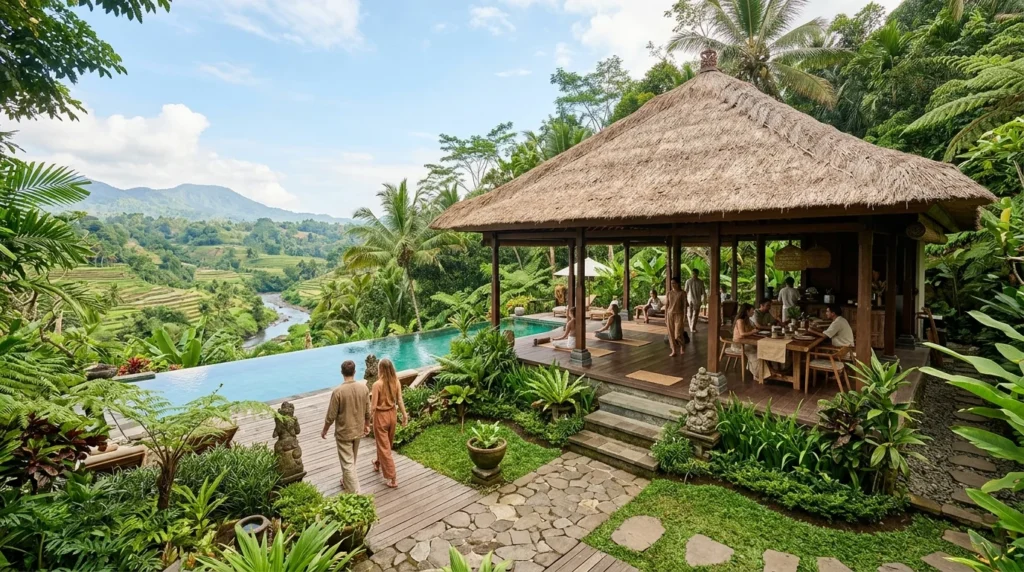
The Pool as the Centerpiece: The swimming pool is the star feature for most guests. Its design should be both beautiful and functional. A classic rectangular infinity pool offers sleek lines and the illusion of merging with the horizon (if the view allows). A more organic, lagoon-style pool with natural stone edges creates a jungle oasis feel. Ensure the pool is large enough for the villa’s capacity, includes a shallow wading area for children if targeting families, and has ample submerged seating or a swim-up bar area for socializing. Sun loungers should be high-quality, comfortable, and placed for both sun and shade.
Creating Multiple Outdoor “Rooms”: A single terrace is not enough. Design the landscape to include distinct outdoor zones: a shaded alfresco dining pavilion with a ceiling fan, a cozy sunken lounge (bale bengong) with plush cushions for reading, a dedicated sunbathing deck, and perhaps a secluded daybed tucked in a garden corner. Each space should offer a different perspective and use-case, encouraging guests to spend the entire day outside.
Lush, Low-Maintenance Landscaping: The garden should feel like a private tropical paradise. Use a mix of large leafy plants (like banana and palm trees) for structure, flowering plants for color, and ground cover to soften edges. However, maintenance is key. The design must allow for easy gardening access, and an automatic irrigation system is highly recommended to keep the landscape vibrant without excessive labor. The sound of running water from a small fountain or a decorative petirtaan (water feature) adds a soothing, sensory layer.
Operational Considerations and “Must-Have” Amenities
Behind the beautiful design, flawless operation and a comprehensive list of amenities are what secure five-star reviews.
Technology and Connectivity: High-speed, reliable Wi-Fi is as essential as running water. Provide clear information about the connection speed. Install a smart TV with access to popular streaming services (Netflix, Disney+). Ensure power outlets and USB charging ports are conveniently located, especially near beds and in workspace areas.
Kitchen and Utility: The kitchen should be fully equipped to a high standard, including quality cookware, knives, a coffee machine (with a starter pack of local coffee), a blender, and ample counter space. A washing machine and iron/ironing board are essential, particularly for longer stays. Provide a detailed, digital guidebook via QR code with appliance instructions, local recommendations, and emergency contacts.
Guest Comfort and Safety: Invest in premium mattresses, high-thread-count linens, and a variety of pillow types. Bathrooms should have excellent water pressure, large mirrors, ample lighting, and quality toiletries. From a safety perspective, ensure clear compliance with local regulations, including a securely fenced pool, smoke detectors, fire extinguishers, and a first-aid kit. A safe for valuables in each bedroom is a standard expectation.
The Final Layer: Marketing Through Design
The design process itself is your first and most powerful marketing tool. Every design choice should be made with the listing in mind. That stunning arrival sequence, the perfectly styled master bathroom, the inviting pool at golden hour—these are the images that will sell the villa. Work with a professional photographer who can capture the lifestyle, not just the rooms. The design narrative you create must be compellingly translated into the listing description, highlighting unique features like “a private yoga pavilion,” “an outdoor cinema under the stars,” or “a chef’s kitchen designed for entertaining.”
Conclusion
Designing a Bali villa for short-term rental appeal is an exercise in empathy, creativity, and strategic planning. It moves far beyond interior decoration to encompass architecture, landscape, operational logistics, and guest psychology. Success lies in creating a holistic environment where every detail, from the intuitive layout and the cultural authenticity of the art to the strength of the Wi-Fi and the comfort of the mattress, works in concert. The ultimate goal is to craft a space that not only attracts bookings through captivating imagery but also delivers an experience so seamless, comfortable, and memorable that guests feel compelled to become repeat visitors and vocal advocates. In the competitive Bali market, this thoughtful, guest-obsessed design philosophy is what will elevate a property from a simple rental to a highly sought-after destination.
 By Jaya Construction Bali September 23, 2026
7 min read
By Jaya Construction Bali September 23, 2026
7 min read