Back to the journal Construction insights

How to Build a Shophouse (Ruko) in Bali: A Comprehensive Guide

In this article

    Bali’s vibrant economy, fueled by tourism and a growing expatriate and digital nomad community, presents a unique opportunity for entrepreneurs and investors. One of the most versatile and potentially profitable property types on the island is the Ruko, or shophouse. A Ruko is a hybrid building, typically two or three stories, with a commercial space on the ground floor and residential quarters above. This model caters perfectly to the Balinese market, allowing owners to live where they work, rent out the commercial unit, or combine both for integrated living. However, building one in Bali is a complex process that differs significantly from Western construction projects. This guide provides a step-by-step overview of the legal, design, construction, and financial considerations involved in bringing a Balinese Ruko to life.

    Understanding the Ruko Concept and Its Appeal in Bali

    Before breaking ground, it’s essential to grasp why the Ruko is so well-suited to Bali. Unlike a standalone villa or a pure retail space, the Ruko offers inherent flexibility. The ground floor can host a café, boutique, co-working space, surf school office, or beauty salon, while the upper floors provide a comfortable home or income-generating rental apartment. This dual-use maximizes the value of often limited and expensive land, particularly in popular areas like Canggu, Seminyak, Ubud, and Sanur.

    The design philosophy often blends modern tropical architecture with Balinese aesthetic principles. Think open-plan living, natural ventilation, lush courtyard gardens, and the use of local materials like paras (volcanic stone), alang-alang (grass thatch), and bamboo. A successful Ruko doesn’t just provide space; it creates an experience that aligns with the island’s lifestyle, which is a major selling point for both commercial and residential tenants.

    Navigating the Legal Framework for Foreigners

    The most critical hurdle for foreign investors is understanding Indonesian property law. The principle of “Hak Milik” (Freehold) is exclusively for Indonesian citizens. Foreigners cannot own land outright. However, there are secure legal avenues to control property, which are essential for a project as significant as construction.

    The primary method is establishing a “PT PMA” (Penanaman Modal Asing), or a Foreign-Owned Limited Liability Company. This company can hold the land under a “Hak Guna Bangunan” (Right to Build) title, typically granted for 30 years and extendable for another 30. The PT PMA allows the foreigner to legally lease the land, build the Ruko, operate a business, and generate income. The process involves obtaining a principle license, registering the company, and securing the necessary land certificates through a notary.

    Alternatively, for simpler arrangements, long-term leasehold agreements (“Hak Sewa”) are common. A foreigner can lease land for 25 to 30 years with a legal guarantee of extension. A competent notary (notaris) or pupuk (legal consultant) is non-negotiable in this process to ensure all contracts are airtight, especially regarding renewal clauses and inheritance rights. Engaging a trusted legal professional is your first and most important step.

    Pre-Construction: Planning, Zoning, and Permits

    With legal control of the land secured, the practical planning phase begins. Bali has stringent zoning regulations (Rencana Tata Ruang) that dictate what can be built and where.

    • Zoning Verification: Confirm the land’s zoning designation. Commercial zones (“Kom”) are ideal for a Ruko. Mixed zones may also permit it. Agricultural or green zones (“Hijau”) are strictly off-limits for commercial development. Your legal consultant or architect can help verify this with the local village (desa) and regency (kabupaten) offices.
    • Acquiring the IMB (Building Permit): The Izin Mendirikan Bangunan is mandatory. The application requires detailed architectural drawings, structural engineering plans, and documentation proving your right to build. The IMB process also includes environmental checks and alignment with local spatial plans. Be prepared for this to be a lengthy process involving multiple government departments.
    • Design and Architectural Planning: Hire an architect experienced in Balinese construction. They will be invaluable in navigating local aesthetics, climate-responsive design (managing heat, humidity, and rainfall), and structural requirements. Your brief should clearly separate the commercial and residential zones, plan for utility access (water, electricity, internet), and incorporate space for a small temple (sanggah) if your Balinese staff or family requires one.

    The Construction Process: Choosing Your Path

    You have two main approaches for the physical build:

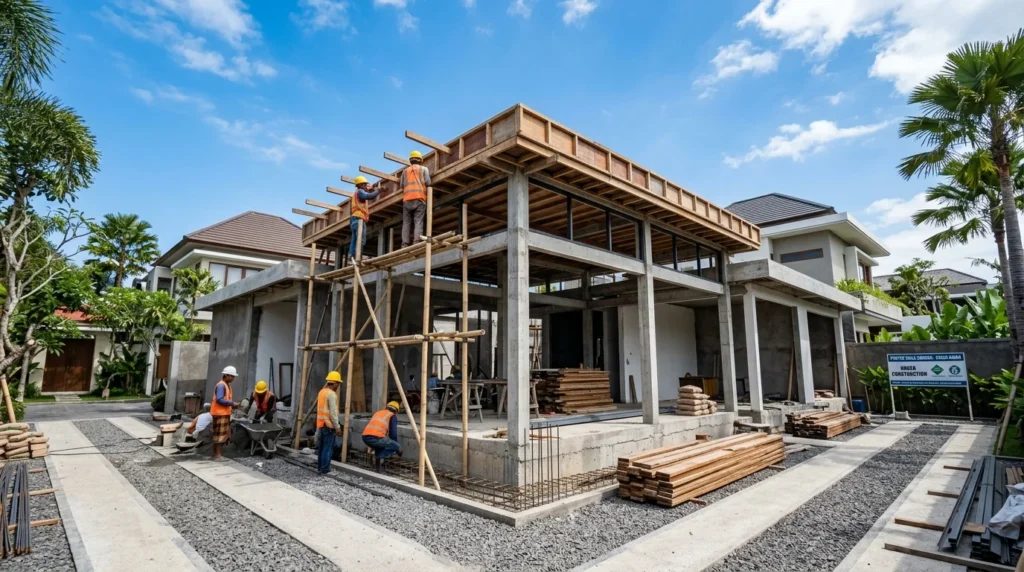
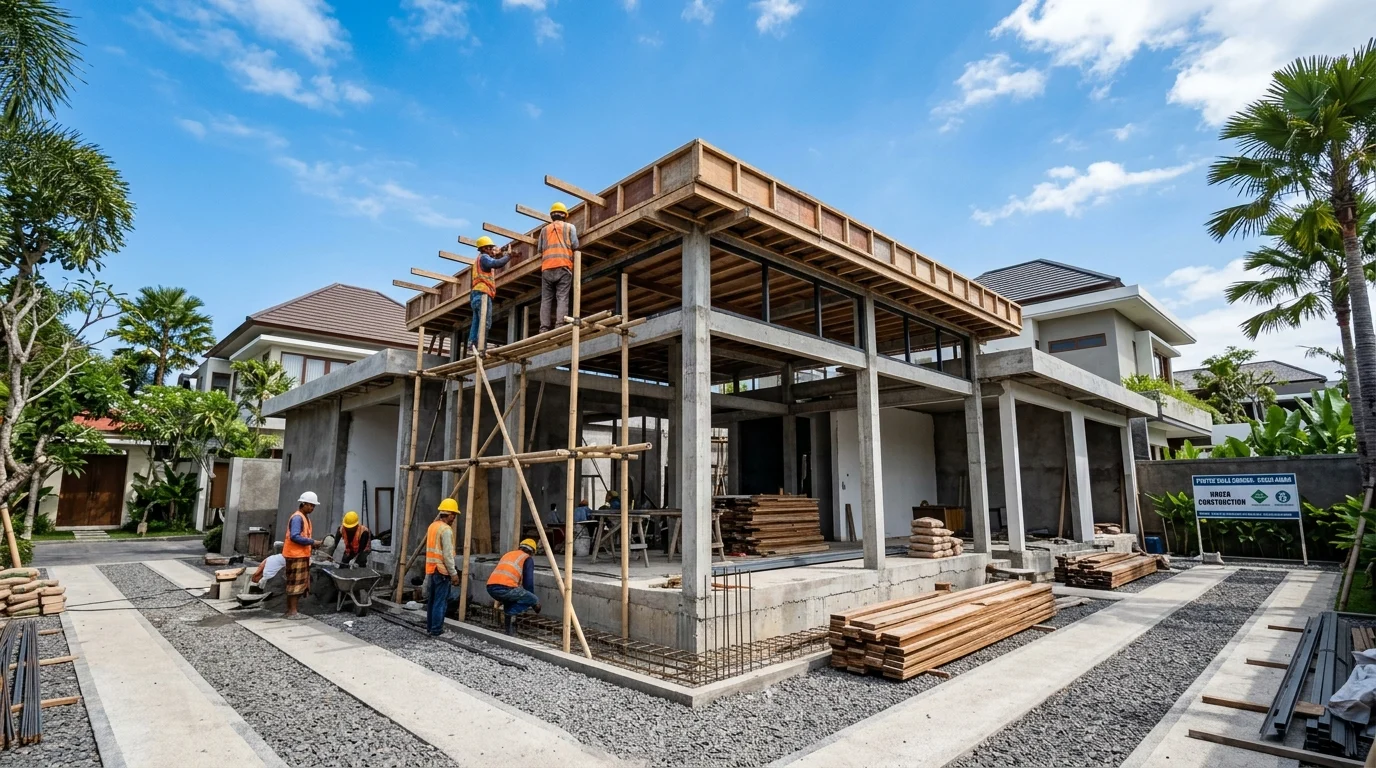
    • Full Management by a Contractor: This is the most common route for foreigners. You hire a licensed construction company (kontraktor) who manages the entire project, from sourcing materials and hiring labor to day-to-day site supervision. They work from your architect’s plans and provide a quote, often structured as a lump sum or cost-plus agreement. While this is less hands-on, it requires diligent vetting. Check references, visit their previous projects, and ensure they have experience with commercial properties. A clear contract outlining scope, timelines, payment schedules, and penalties for delays is critical.
    • Owner-Build with a Project Manager: For those with more experience or local connections, you can act as the owner-builder, hiring individual crews (tukang) for different tasks (masonry, plumbing, electrical) under the guidance of a project manager. This can offer more control and potential cost savings but is far more time-consuming and risky. The project manager, often a trusted local with construction knowledge, becomes essential to coordinate workers, manage the budget, and ensure quality.

    Key Construction Considerations in Bali:

  1. Foundation: Depending on soil conditions, especially in areas with rice paddy history, deep piles (tiang pancang) may be necessary to ensure stability.
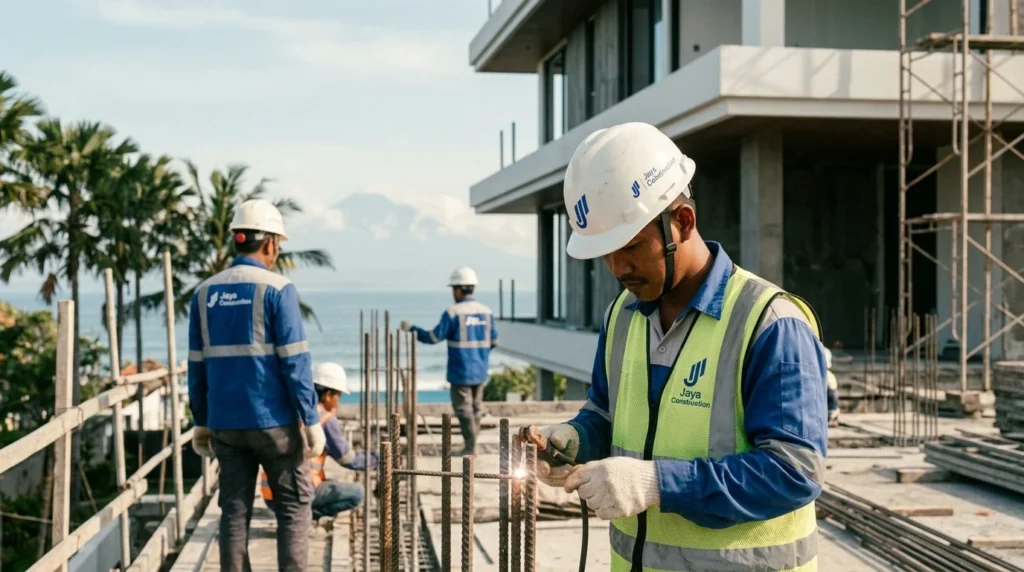
  2. Structure: Reinforced concrete frames are standard. Steel reinforcement must be high-quality to combat the salty, humid air.
  3. Utilities: Ensure the property has access to government water (PDAM) or plan for a deep well and filtration system. Electrical capacity is a common bottleneck; you may need to apply for a power upgrade from PLN (the state electricity company) early.
  4. Materials: Source materials locally when possible for ease of replacement and cost. However, for critical elements like bathroom fixtures, air conditioning units, and kitchen appliances, importing specific brands may be worth the investment for quality and longevity.
  5. Financial Planning and Budgeting

    Building a Ruko is a significant financial undertaking. Your budget must be realistic and comprehensive.

  6. Land Cost: This will be your largest initial expense, varying dramatically by location.
  7. Legal Fees: Notary fees, PT PMA establishment costs, and lease agreement costs can amount to 10-15% of the land price.
  8. Design and Permit Fees: Architect and engineer fees, plus IMB processing costs.
  9. Construction Cost: Typically quoted in USD or IDR per square meter. Rates vary based on quality (standard, luxury, or high-spec) and location. Always add a contingency buffer of 15-20% for unforeseen issues like material price hikes or design changes.
  10. Furnishing and Fit-out: Budget for furniture, appliances, signage, and initial stock for the commercial unit.
  11. Operational Setup: Costs for company registration, obtaining business licenses (Izin Usaha), and initial staffing.
  12. Explore financing options carefully. While local bank mortgages for foreigners are rare and complex, some developers offer payment plans, or financing might be sourced from your home country.

    From Completion to Profit: Operation and Management

    Once construction is complete and the final IMB and occupancy permits are issued, the focus shifts to operation.

  13. Business Licensing: The commercial unit will need a NIB (Nomor Induk Berusaha) from the Online Single Submission (OSS) system and may require specific licenses depending on the business type (e.g., food handling certificate for a café).
  14. Rental Management: If you are renting out the residential or commercial space, decide whether to manage it yourself or hire a professional property management company. They handle tenant sourcing, contracts, maintenance, and rent collection, typically for a 10-15% fee.
  15. Maintenance: Bali’s climate is harsh on buildings. Schedule regular maintenance for roofing, painting, air conditioning units, and termite prevention to protect your asset.
  16. Conclusion: A Rewarding but Complex Venture

    Building a shophouse (Ruko) in Bali is a compelling strategy to participate in the island’s dynamic economy. It offers a blend of investment return and lifestyle integration that few other property types can match. However, the journey is fraught with legal complexities, bureaucratic processes, and construction challenges unique to the Indonesian context. Success hinges on meticulous planning, assembling a trustworthy local team of legal and construction professionals, and maintaining a flexible, patient mindset.

    By thoroughly understanding the path from legal entity setup to final fit-out, and by respecting both the business regulations and the cultural landscape, you can navigate the complexities. The result can be a thriving, profitable, and personally rewarding piece of Bali—a true testament to your entrepreneurial spirit and a valuable asset for years to come.

    Related insights

    View all articles
    Construction insights

    The Essential Guide to Avoiding Cost Overruns on Your Bali Villa Project

    Construction insights

    The Definitive Guide: What Truly Adds the Most Value to Your Bali Villa

    Construction insights

    The Realities of Building Your First Villa in Bali

    Planning a construction project in Bali?

    Share your site, plans, priorities, or questions. Our team can help turn early information into a practical construction path.
    Discuss your project