Back to the journal
Construction insights
How to Build a Retail Unit That Attracts Customers in Bali
 By Jaya Construction Bali October 2, 2026
13 min read
By Jaya Construction Bali October 2, 2026
13 min read
By Jaya Construction Bali October 2, 2026
13 min read
By Jaya Construction Bali October 2, 2026
13 min read
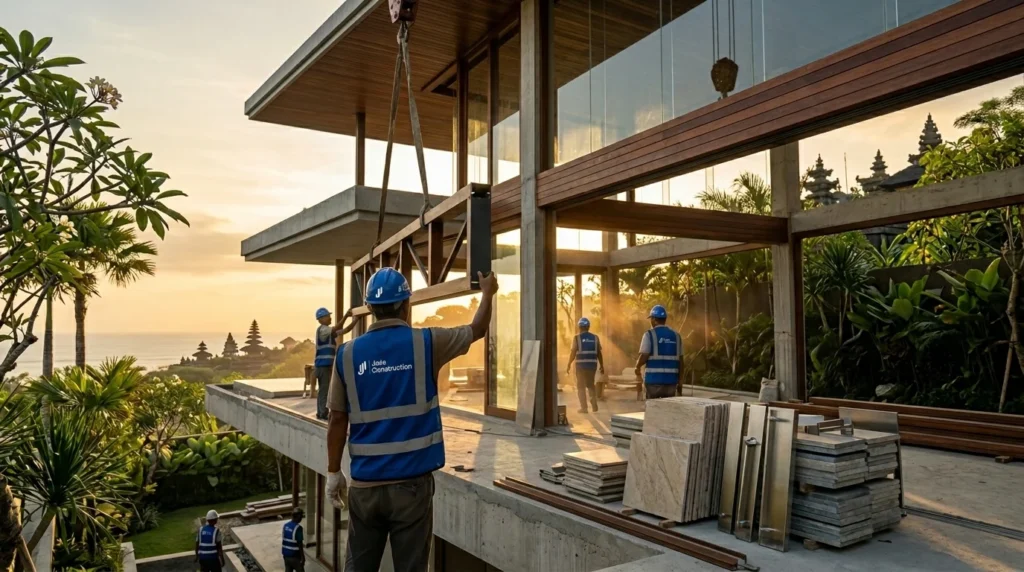
Bali has long been one of the most visited islands in the world, drawing millions of tourists, digital nomads, expatriates, and local shoppers each year. Its unique blend of Hindu-Balinese culture, tropical beauty, and cosmopolitan energy creates a retail environment unlike anywhere else on the planet. For entrepreneurs and business owners, setting up a retail unit in Bali represents an exciting opportunity — but it also comes with distinct challenges that require careful planning, cultural sensitivity, and creative vision.
Building a retail space that consistently draws customers in Bali is not simply about opening a shop and waiting for foot traffic. It involves a deep understanding of the local market, thoughtful design that honors Balinese traditions, strategic location choices, and an ongoing commitment to delivering memorable experiences. This article provides a detailed guide on how to build a retail unit that not only opens its doors but truly attracts and retains customers in Bali’s competitive and dynamic marketplace.
Before investing a single rupiah into construction or interior design, it is essential to understand the unique characteristics of the retail environment in Bali. The island’s economy is heavily driven by tourism, which means consumer behavior fluctuates significantly between peak and off-peak seasons. The high season typically runs from April to October, while the wet season from November to March sees a dip in international visitors — though domestic tourism helps sustain business year-round.
Bali’s shoppers can be broadly categorized into three groups: international tourists seeking unique souvenirs, artisan goods, and branded fashion; expatriates and long-term residents who need everyday products and curated lifestyle items; and local Balinese consumers who value affordability and practicality. A successful retail unit must identify which of these audiences it primarily serves and design every aspect of the business around their preferences and purchasing habits.
Additionally, the retail culture in Bali is deeply experiential. Shoppers are not merely looking for products — they want stories, authenticity, and an atmosphere that makes them feel connected to the island. This cultural dimension is what separates thriving retail units from those that struggle to gain traction.
Location is arguably the most critical decision you will make when building a retail unit in Bali. The island offers several distinct zones, each with its own character, customer demographics, and foot traffic patterns.
Seminyak is known for its upscale boutiques, beach clubs, and sophisticated dining scene. It attracts affluent tourists and expatriates who are willing to spend on premium products. A retail unit here benefits from high foot traffic and an audience with strong purchasing power, but competition is fierce and rental costs are among the highest on the island.
Ubud appeals to a more culturally oriented crowd — wellness enthusiasts, yoga practitioners, and travelers interested in art and spirituality. Retail spaces here thrive when they offer handmade goods, organic products, or items with a strong artistic and cultural narrative.
Canggu has rapidly evolved into a hub for digital nomads, surfers, and young travelers. It has a relaxed, bohemian atmosphere and a growing demand for streetwear, sustainable fashion, specialty coffee accessories, and lifestyle products.
Kuta and Legian remain popular with budget-conscious tourists and package holiday visitors. Retail units in this area tend to perform well with affordable souvenirs, beachwear, and mass-market goods.
Sanur offers a quieter, more family-oriented market with a loyal expatriate community, making it suitable for boutique homeware stores, artisan food shops, and wellness-related retail.
When evaluating potential locations, consider not only the current foot traffic but also the trajectory of development in the area. Emerging neighborhoods can offer lower rental costs with the potential for significant growth. Visit the area at different times of day and on different days of the week to get an accurate picture of customer flow. Speak with neighboring business owners to learn about seasonal patterns and any challenges they face.
The physical design of your retail unit plays a massive role in attracting customers. Bali is renowned for its architectural beauty, and shoppers expect a level of aesthetic sophistication that reflects the island’s identity. A generic, uninspired shopfront will simply be overlooked in a landscape filled with beautifully designed spaces.
Incorporate natural materials such as teak wood, bamboo, volcanic stone, and woven rattan into your design. These materials are not only visually appealing but also connect your space to the local environment and craftsmanship traditions. Many successful retail units in Bali feature open-air or semi-open layouts that blur the boundary between indoor and outdoor spaces, creating a relaxed and inviting atmosphere that encourages browsing.
Lighting deserves special attention. Soft, warm lighting creates an intimate shopping experience, while strategic spotlighting can draw attention to featured products or display areas. During the evening hours, lantern-style lighting or traditional Balinese oil lamps can add an enchanting ambiance that stops passersby in their tracks.
Water features, such as small fountains or reflecting pools, are a hallmark of Balinese design and can add a sense of tranquility to your retail space. Even a modest water element near the entrance can make a significant difference in how customers perceive and remember your store.
Greenery is another essential element. Tropical plants, hanging gardens, and living walls not only enhance the visual appeal but also contribute to the fresh, natural atmosphere that Bali is known for. Consider working with a local landscape designer who understands which plants thrive in the tropical climate and how to integrate them seamlessly into your retail environment.
Your shopfront — the exterior facade, signage, and window displays — is the first point of contact with potential customers. Invest in a striking but authentic design that communicates your brand identity at a glance. Use high-quality signage that is legible from a distance, and consider incorporating Balinese script or artistic motifs as a nod to local culture, as long as it is done respectfully and with proper understanding.
The products you stock are the heart of your retail unit, and in Bali, curation matters more than volume. Customers are drawn to stores that offer carefully selected items with a clear narrative — whether it is the story of the artisan who made them, the sustainable materials used, or the cultural tradition they represent.
If you are selling handcrafted goods, establish direct relationships with local artisans and communities. This not only ensures authenticity but also allows you to share genuine stories with your customers, which adds emotional value to every purchase. Shoppers in Bali are increasingly interested in knowing where their products come from and the impact their purchase has on local livelihoods.
For fashion and apparel, consider incorporating batik, ikat, and hand-dyed textiles into your collections. These traditional techniques have deep roots in Indonesian culture and appeal to both tourists seeking unique pieces and local consumers who take pride in their heritage.
If your retail concept focuses on lifestyle products, wellness items, or specialty goods, ensure that your range is cohesive and well-organized. A cluttered store with too many unrelated products can overwhelm customers and dilute your brand identity. Instead, aim for a curated selection where each item complements the others and contributes to a unified shopping experience.
Pricing strategy also plays a role in attraction. While Bali’s tourist areas support premium pricing for high-quality, unique items, it is important to offer a range of price points so that customers with different budgets can find something within reach. Offering an entry-level product — such as a small accessory, sample-sized item, or branded merchandise — can serve as a gateway purchase that introduces new customers to your brand.
In a market as competitive as Bali, the customer experience you provide can be the single most important factor that sets you apart. The goal is to create an experience so memorable that customers not only make a purchase but also share their experience with others — whether through word of mouth, social media, or online reviews.
Start with sensory engagement. The moment a customer steps into your store, they should be enveloped by a carefully crafted atmosphere. The scent of frangipani or sandalwood incense, the sound of gentle gamelan music or nature sounds, the tactile pleasure of handling beautifully crafted products — all of these sensory elements work together to create an immersive experience.
Offer complimentary refreshments such as chilled water infused with tropical fruits, local herbal teas, or Balinese coffee. This small gesture creates a warm, hospitable atmosphere and encourages customers to linger longer, which increases the likelihood of a purchase.
Interactive elements can also elevate the experience. Consider offering live demonstrations of traditional crafts, workshops where customers can create their own products, or guided tastings if you sell food or beverages. These activities transform your retail unit from a place of transaction into a place of engagement and learning.
Exceptional customer service is non-negotiable. Train your staff to be genuinely warm, knowledgeable about your products, and attentive without being pushy. In Balinese culture, hospitality is deeply ingrained, and customers respond positively to staff who embody the spirit of Tri Hita Karana — harmony with God, other people, and nature. Multilingual staff who can communicate comfortably in English, Indonesian, and ideally other languages such as Japanese, Korean, or Mandarin can significantly broaden your customer base.
Even the most beautifully designed retail unit in Bali needs a strong digital presence to attract customers in today’s marketplace. The majority of tourists plan their itineraries and discover new shops through social media platforms, travel blogs, and review sites before they even arrive on the island.
Instagram remains the dominant platform for retail marketing in Bali. Invest in professional photography that showcases your store’s design, products, and atmosphere. Create content that tells the story behind your brand — the artisans, the design process, the inspiration — and post consistently. Use location tags, relevant hashtags, and collaborate with local influencers and travel bloggers to expand your reach.
Google My Business is another essential tool. Ensure your retail unit has a complete and optimized listing with accurate operating hours, location, photos, and contact information. Encourage satisfied customers to leave reviews, as positive ratings significantly influence the decisions of prospective visitors.
Consider creating a simple but attractive website that serves as a digital storefront. Include an online catalog, your brand story, directions to your physical location, and links to your social media profiles. If feasible, adding an e-commerce component can generate additional revenue from customers who want to purchase your products after they have left Bali.
Email marketing can also be effective for building a loyal customer base. Collect email addresses through a sign-up book at your register or a digital form, and send periodic newsletters featuring new products, upcoming events, or behind-the-scenes stories.
Setting up a retail unit in Bali requires navigating Indonesia’s regulatory framework, which can be complex for foreign investors. Understanding the legal landscape from the outset can save you significant time, money, and frustration.
Foreign investors typically need to establish a Perseroan Terbatas Penanaman Modal Asing (PT PMA), which is a foreign-owned limited liability company. This structure allows you to legally operate a business in Indonesia and is required for most commercial activities. The process involves obtaining a business identification number (NIB), registering with the Ministry of Law and Human Rights, and securing the appropriate licenses and permits.
Zoning regulations in Bali are strict, particularly in areas of cultural and religious significance. Before signing a lease or purchasing property, verify that the intended use of the space is permitted under local zoning laws. Engaging a reputable local lawyer and a notary who specializes in business setup in Bali is highly recommended to ensure full compliance.
Tax obligations, including value-added tax (VAT) and income tax, must be properly managed from the start. Working with a qualified accountant who understands Indonesian tax law will help you avoid penalties and maintain good standing with local authorities.
Building permits and environmental clearances may also be required, especially if you are constructing a new structure or making significant modifications to an existing one. Bali has increasing regulations around environmental sustainability, and demonstrating compliance can also serve as a positive marketing point for environmentally conscious customers.
Sustainability is no longer a niche concern — it is a mainstream expectation, especially among the international travelers and expatriates who make up a significant portion of Bali’s retail customers. Incorporating sustainable practices into your retail unit is not only ethically responsible but also a powerful marketing tool.
Start with the physical environment. Use reclaimed and locally sourced materials for construction and interior design. Install energy-efficient lighting and ventilation systems to reduce your carbon footprint. Minimize plastic use in packaging and shopping bags, opting instead for reusable, biodegradable, or recycled alternatives.
Source your products responsibly. Prioritize suppliers and artisans who use sustainable materials, practice fair trade, and treat their workers ethically. Being transparent about your supply chain builds trust with customers and strengthens your brand’s reputation.
Waste management is a significant issue in Bali, and customers increasingly notice how businesses handle it. Implement recycling and composting systems within your retail unit, and consider partnering with local environmental organizations or participating in community clean-up initiatives.
Displaying your sustainability commitments visibly within your store — through signage, product tags, or a dedicated information area — helps customers understand and appreciate the effort behind your practices. Many customers are willing to pay a premium for products and experiences that align with their values.
A retail unit that is deeply connected to its local community is far more resilient and attractive than one that operates in isolation. Bali’s communities are tightly knit, and businesses that earn genuine respect and support from local residents and fellow business owners benefit from word-of-mouth referrals, collaborative opportunities, and a stronger social license to operate.
Participate in local events, festivals, and markets. Collaborate with neighboring businesses on joint promotions or events that draw shared foot traffic. Support local schools, temples, or community organizations through donations or volunteer efforts.
Hiring locally is one of the most impactful ways to build community connections. Balinese employees bring invaluable cultural knowledge, language skills, and community relationships that can enrich your business in ways that are difficult to replicate otherwise. Invest in training and development for your local staff, and create a work environment that respects Balinese customs, religious observances, and family obligations.
Building a retail unit that attracts customers in Bali is not a one-time achievement — it requires ongoing adaptation and improvement. Consumer preferences evolve, new competitors enter the market, and seasonal fluctuations demand flexible strategies.
Regularly refresh your product offerings to keep the shopping experience exciting for repeat visitors. Update your visual merchandising and displays to reflect seasonal themes, holidays, or trending styles. Monitor customer feedback closely — both in person and through online reviews — and use it to make meaningful improvements.
Stay informed about developments in Bali’s tourism industry, infrastructure projects, and regulatory changes that could affect your business. Attend industry events, join local business associations, and network with other retail operators to share insights and best practices.
Building a retail unit that attracts customers in Bali is a multifaceted endeavor that blends strategic planning with cultural sensitivity and creative vision. From selecting the right location and designing a space that honors Balinese aesthetics, to curating products with authentic stories, delivering exceptional customer experiences, and maintaining a strong digital presence, every element must work in harmony to create a destination that customers seek out and remember.
The Balinese retail market rewards authenticity, hospitality, and beauty. Businesses that respect the island’s cultural heritage, embrace sustainability, and genuinely connect with their community are the ones that thrive — not just in the short term, but for years and even decades. By approaching your retail venture with patience, diligence, and a deep appreciation for what makes Bali extraordinary, you can build a business that not only attracts customers but becomes an integral part of the island’s vibrant commercial tapestry.
Share your site, plans, priorities, or questions. Our team can help turn early information into a practical construction path.