Beyond the Basics: Captivating Shopfront Design Ideas for Bali Businesses
By Jaya Construction BaliOctober 3, 20267 min read
In this article
In the vibrant, competitive landscape of Bali, where every street is a potential stage for commerce and culture, your shopfront is your most critical piece of silent salesmanship. It’s far more than just a door and a window; it’s the first impression, the narrative hook, and a physical embodiment of your brand’s promise. For businesses in Bali—from bustling Seminyak boutiques and serene Ubud galleries to coastal beach cafes and innovative Canggu co-working spaces—a thoughtfully designed shopfront can mean the difference between a fleeting glance and a committed customer. This article explores a comprehensive range of design ideas that respect Bali’s unique aesthetic while helping your business stand out, connect, and thrive.
Understanding the Balinese Context: More Than Just Aesthetics
Before selecting materials or color palettes, successful shopfront design in Bali must be rooted in an understanding of the local environment, both physical and cultural. The island’s climate, with its intense sun, heavy rains, and salty coastal air, dictates durable material choices. Culturally, the principles of *Tri Hita Karana*—harmony with God, other people, and nature—can profoundly influence design, moving it from mere decoration to meaningful expression.
Respecting the Climate and Environment
Bali’s tropical climate is both an inspiration and a challenge. Design must promote airflow, provide shade, and withstand humidity. This means prioritizing:
Natural Ventilation: Incorporating louvered shutters, perforated screens (sasak motifs), or strategically placed transom windows to encourage cross-ventilation, reducing reliance on air conditioning and creating a pleasant, natural ambiance.
Weather-Resistant Materials: Choosing teak, ironwood, bamboo (properly treated), natural stone, and high-quality, marine-grade metals ensures longevity. Avoid untreated steel or certain softwoods that will warp or rust.
Shade and Shelter: Generous overhangs, *bale*-inspired canopies, or large umbrellas protect the shopfront and potential customers from sun and sudden downpours, extending the usable space of your entrance.
Integrating Cultural and Spiritual Elements
Balinese culture is deeply woven into the fabric of daily life and, by extension, commerce. Thoughtful integration shows respect and resonates with both local and discerning international visitors.
Sacred Geometry and Motifs: Subtle use of traditional carvings, stone reliefs, or patterned tiles inspired by poleng (checkerboard) cloth, endek weaving, or temple gates can add authentic depth without resorting to cliché.
The Role of Greenery: Incorporating living plants—towering frangipani, lush ferns, hanging orchids, or potted palms—is not just decorative. It reflects the Balinese reverence for nature (Tri Hita Karana), softens architectural lines, and improves air quality.
Ritual Spaces: Designating a small, clean, and respected space for the daily canang sari offering is a beautiful, authentic touch. It demonstrates cultural participation and can be a subtle design feature with its intricate basketry and flowers.
Core Design Principles for an Effective Shopfront
With context in mind, we can explore foundational design principles that apply universally but have special relevance in Bali.
Creating a Clear and Compelling Narrative
Your shopfront should tell a story in an instant. What is your business? Who is it for?
Theme and Branding: Is your business rustic and artisanal? Sleek and modern? Bohemian and eclectic? The materials, colors, and signage should all communicate this consistently. A surf shop might use reclaimed wood and rope details; a high-end spa could employ polished stone and minimalist water features.
Signage as Art: In Bali, signage can be a major design element. Consider hand-carved wooden signs, elegant forged iron lettering, or illuminated bamboo frames. Ensure the business name is highly legible from a distance, day and night.
The Power of Color: Color psychology is key. Earthy tones (terracotta, ochre, sand) blend with the landscape and evoke a sense of place. Vibrant accents (Indigo, saffron, tropical green) can be used strategically to attract the eye and reflect brand energy.
Mastering the Art of the Threshold
The transition from the public street to your private interior is a sacred space in design. It should be inviting, intuitive, and immersive.
Layering for Depth: Avoid a flat, single-plane facade. Use steps, changes in flooring material, planters, and varying roof heights to create a sense of arrival and progression. A small courtyard or angkul-angkul (traditional Balinese gate) can dramatically enhance this effect.
Framing the View: Use your doorway and windows like a picture frame. Curate what is visible from outside—a beautiful display, a glimpse of an artistic interior, a tranquil garden. This curated view should entice and intrigue.
Sensory Engagement: Design engages more than just sight. The sound of a small water feature, the scent of frangipani or brewing coffee, the tactile quality of a carved wooden door handle—these elements create a memorable, multi-sensory first impression.
Innovative Material and Structural Ideas
Moving beyond principle, here are specific material and structural ideas that can set your shopfront apart.
The Beauty of Natural and Local Materials
Using locally sourced materials supports the community and ensures your design is contextually appropriate.
Bamboo Revolution: Modern treatments have made bamboo a durable, versatile, and stunning material for entire structures, lattice screens, lighting fixtures, and furniture. Its rapid renewability makes it a sustainable choice.
Teak and Reclaimed Wood: Teak’s natural oils make it perfect for Bali’s climate. Reclaimed wood from old boats or buildings adds history, texture, and an eco-friendly story. Use it for cladding, beams, shutters, or signage.
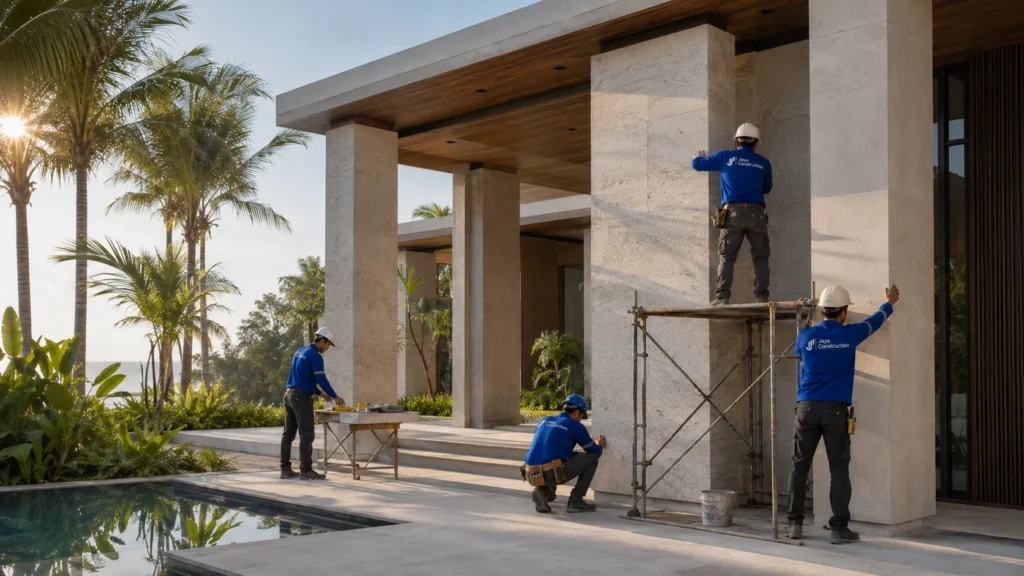
Stone and Coral: Paras stone (a soft, volcanic rock) is traditional and can be intricately carved. River stones, slate, or coral-inspired textures can create beautiful accent walls or pathways, connecting the building to the land.
Modern and Minimalist Interpretations
For brands aiming for a contemporary edge, modern design can still honor Balinese principles.
Clean Lines with Local Touches: A sleek, plastered facade can be softened with a single large carved panel, a green wall, or a blackened steel frame reminiscent of traditional timber construction. Contrast is key.
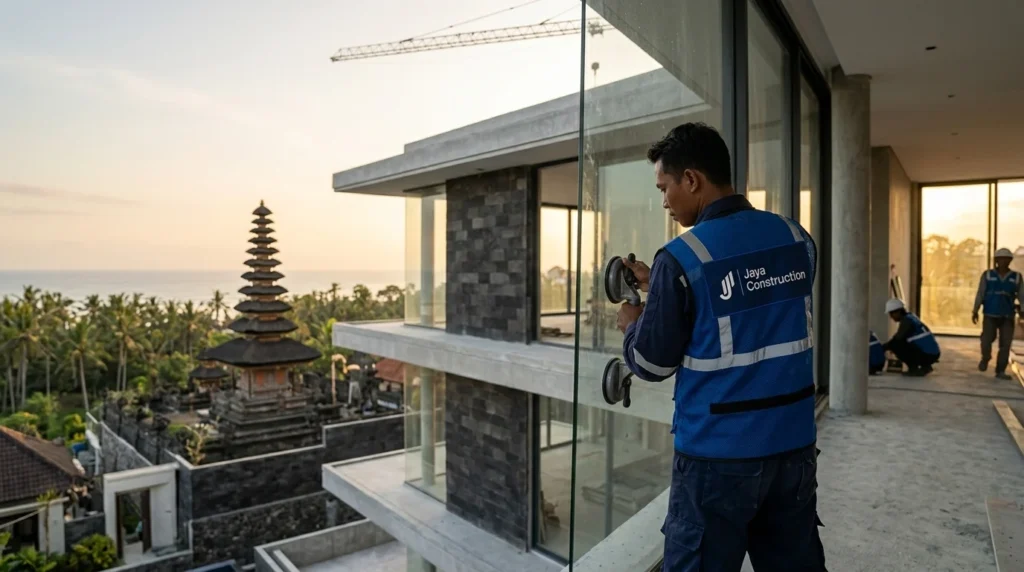
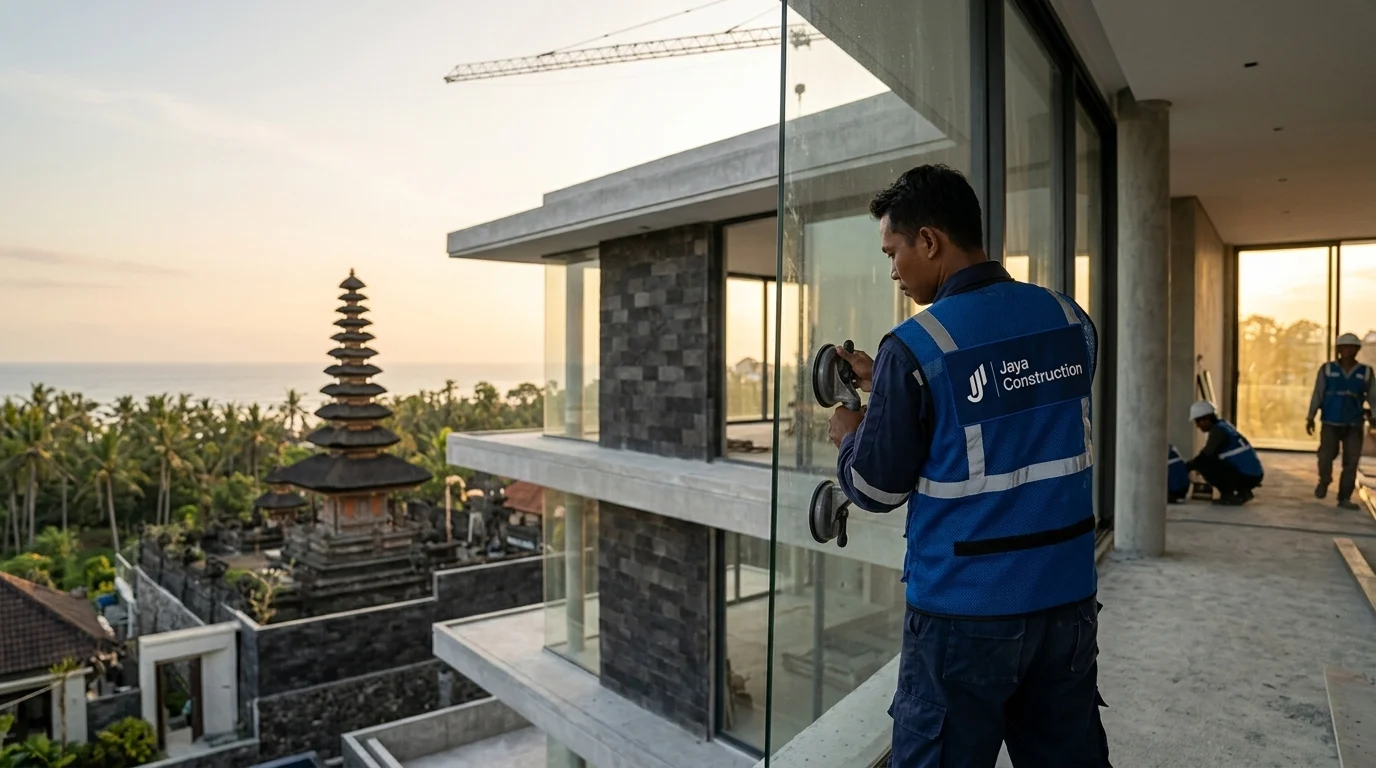
Glass and Transparency: Large, floor-to-ceiling glass panels (with UV protection) erase the boundary between inside and outside, perfect for showcasing merchandise or a view. This works especially well for cafes, galleries, and modern retail.
Industrial Edge: The use of concrete, exposed steel, and minimalist lighting can be balanced with abundant tropical greenery and woven textile elements to avoid feeling cold or out of place.
Lighting: The 24-Hour Shopfront
In Bali, where evening commerce and nightlife are vital, lighting is not an afterthought; it’s a core design component.
Functional and Atmospheric Lighting
Highlighting Architecture: Use uplighting to wash facade textures in a warm glow, downlighting from eaves to create pools of light, and spotlighting for signage or key features.
Creating Ambiance: Lanterns (especially in hand-blown glass or woven rattan), Edison-style bulbs in clusters, and LED strips hidden under ledges or within ceiling recesses can create a warm, inviting atmosphere that beckons from the street.
Respecting the Night: Avoid harsh, glaring white lights that contribute to light pollution and disrupt the relaxed Balinese vibe. Opt for warm-toned LEDs (2700K-3000K) that mimic candlelight or incandescent glow.
Practical Considerations for the Bali Business Owner
A beautiful design must also be functional, secure, and compliant.
Security and Durability
Integrated Security: Beautiful wrought iron roller shutters can be designed as part of the aesthetic. Strong, elegant wooden shutters that lock securely are both a traditional and practical solution.
Material Maintenance: Choose finishes and materials that can be easily maintained—sealed wood, marine-grade paint, and stone that weathers gracefully. The tropical environment accelerates wear and tear.
Leveraging Your Unique Location
Street-Facing Design: On a narrow lane in Ubud, your design must work at close range, focusing on fine details, textures, and human-scale elements. On a wide road in Kuta, bold signage, larger structures, and clear sightlines are more important.
Zoning and Regulations: Always consult local regulations (desa adat and perijinan) regarding overhangs, signage height, and facade materials to ensure your design is both legal and respectful of community standards.
Conclusion: Your Shopfront as a Living Story
Designing a shopfront for a Bali business is an exercise in balancing art, culture, climate, and commerce. It’s about creating a powerful connection before a single word is spoken or a product is touched. The most successful designs do not impose a foreign idea onto the landscape but draw inspiration from it, using local materials, respecting the environment, and weaving in cultural narratives. Whether you choose a fully traditional aesthetic with intricate carvings and a thatched alang-alang roof, a sleek minimalist interpretation with steel and glass, or a vibrant fusion of both, the key is intentionality.
Your shopfront should be a honest and inviting prologue to the experience inside. It should answer the questions: What is this place? Who is it for? Why should I come in? In the dynamic and visually rich tapestry of Bali, a well-designed shopfront doesn’t just attract customers—it builds a landmark, fosters community, and contributes to the unique character of the island itself. Invest in this silent salesperson, and it will work tirelessly for your success, from sunrise to well into the tropical night.
 By Jaya Construction Bali October 3, 2026
7 min read
By Jaya Construction Bali October 3, 2026
7 min read