How to Build a Glamping Site in Bali: A Complete Guide to Luxury Camping in Paradise
By Jaya Construction BaliNovember 5, 202611 min read
In this article
Bali, Indonesia’s famed Island of the Gods, has long captivated travelers with its lush rice terraces, sacred temples, and vibrant cultural traditions. In recent years, a new trend has emerged that blends the island’s natural beauty with modern luxury: glamping. Short for “glamorous camping,” glamping offers guests an immersive outdoor experience without sacrificing comfort, and Bali provides an ideal backdrop for this growing hospitality concept. Whether you are an entrepreneur looking to invest in the tourism sector or a landowner exploring alternative uses for your property, building a glamping site in Bali can be a rewarding venture — but it requires careful planning, cultural sensitivity, and a deep understanding of local regulations.
This comprehensive guide will walk you through every major step involved in creating a successful glamping site on the island, from initial research and legal considerations to design, construction, staffing, and marketing.
Understanding the Glamping Market in Bali
Before committing resources to a glamping project, it is essential to understand the market landscape. Bali’s tourism industry is one of the most robust in Southeast Asia, attracting millions of international and domestic visitors each year. While traditional resorts and villas continue to dominate the accommodation sector, there is a growing segment of travelers who seek unique, nature-based experiences that go beyond the conventional hotel stay.
Glamping appeals to a broad demographic, including millennials and Gen Z travelers who prioritize experiences over material goods, eco-conscious tourists who want to minimize their environmental footprint, honeymooners and couples seeking romantic getaways, and families who want to introduce their children to outdoor living without the inconveniences of traditional camping. In Bali specifically, glamping sites often capitalize on the island’s diverse geography — from the volcanic highlands around Mount Batur to the coastal cliffs of Uluwatu and the jungles of Ubud.
Conduct thorough market research before proceeding. Analyze existing glamping operations on the island to identify gaps in the market. Study occupancy rates, pricing structures, guest reviews, and the types of experiences offered by competitors. Understanding what already exists will help you carve out a unique niche and avoid oversaturated segments.
Securing the Right Location
Location is arguably the single most important decision you will make when building a glamping site. Bali offers a remarkable range of environments, each with its own appeal and set of challenges.
Popular Regions for Glamping
Ubud remains one of the most sought-after destinations for glamping due to its serene rice paddy landscapes, river valleys, and proximity to cultural attractions. The Sidemen region in East Bali offers a quieter alternative with stunning views of Mount Agung. The northern coast around Munduk and Lovina is known for waterfalls, coffee plantations, and cooler temperatures, while areas near Amed and Candidasa appeal to diving enthusiasts.
Land Access and Leasehold Agreements
Indonesian land ownership laws are complex, and foreign nationals cannot directly own freehold land (hak milik) in Indonesia. However, foreigners can acquire land through a hak pakai (right to use) arrangement or, more commonly for commercial ventures, through a foreign-owned company (PT PMA) that holds the land under a hak guna bangunan (right to build) certificate. Many glamping operators in Bali work with leasehold agreements, typically ranging from 25 to 30 years, with options for extension.
Engage a reputable local lawyer who specializes in property and investment law to navigate these arrangements. Ensure that the land you select is zoned appropriately for tourism or hospitality use and that there are no disputes or encumbrances on the title.
Evaluating the Land
Beyond legal considerations, evaluate the physical characteristics of the land. Assess the topography, drainage patterns, soil stability, and exposure to natural hazards such as flooding or landslides. Consider accessibility — while a remote location may be part of the appeal, guests still need a reasonable way to reach the site. Proximity to paved roads, airports, and popular tourist attractions will influence your marketing potential and operational logistics.
Navigating Legal and Regulatory Requirements
Building a glamping site in Bali involves compliance with multiple layers of Indonesian law, from national investment regulations to local village ordinances. Failure to secure the proper permits can result in costly delays, fines, or even forced closure.
Business Entity Setup
Most foreign investors establish a PT PMA (Penanaman Modal Asing), which is a foreign-owned limited liability company. This entity allows you to legally conduct business in Indonesia, hire employees, sign contracts, and hold land rights. The registration process involves obtaining approval from the Investment Coordinating Board (BKPM), registering with the Ministry of Law and Human Rights, and obtaining a tax identification number (NPWP).
Tourism and Hospitality Permits
Depending on the scale and nature of your glamping operation, you may need several permits:
Location Permit (Izin Lokasi): Authorizes you to use the land for a specific purpose.
Environmental Impact Assessment (AMDAL or UKL-UPL): Required for projects that may affect the surrounding environment. Smaller projects may only need a simpler environmental management statement.
Building Permit (IMB/PBG): Required for any construction on the property. The process involves submitting architectural plans for review by local authorities.
Tourism Operating License (TDUP): Required for accommodation businesses.
Fire Safety Certificate and Sanitary Permit: Additional compliance requirements for hospitality operations.
Engaging with the Local Community
In Bali, the banjar (traditional village council) plays a significant role in local governance and community life. Establishing a positive relationship with the banjar is not just a legal necessity but a cultural one. Before starting construction, hold meetings with banjar leaders to explain your plans, address concerns, and discuss how your project will benefit the community. Offering employment opportunities to local residents, sourcing materials locally, and contributing to village ceremonies or infrastructure projects can go a long way in building goodwill.
Designing Your Glamping Site
The design phase is where your vision begins to take shape. Successful glamping sites in Bali strike a careful balance between luxury and authenticity, blending high-end amenities with the island’s natural beauty and cultural heritage.
Choosing Accommodation Types
Glamping accommodations come in many forms, and your choice will depend on your target market, budget, and site characteristics. Popular options include:
Safari Tents: Spacious canvas tents with wooden frames, often featuring en-suite bathrooms, king-sized beds, and private decks. These are versatile and relatively easy to install.
Bell Tents: A simpler, more affordable option that appeals to budget-conscious glampers. Typically circular with a single central pole, bell tents can be dressed up with rugs, lighting, and furnishings.
Geodesic Domes: Increasingly popular for their striking visual appeal and structural efficiency. Domes offer excellent wind resistance and can be fitted with transparent panels for stargazing.
Treehouses and Elevated Pods: Ideal for sites with mature trees or dramatic elevation changes. These structures create a sense of adventure while minimizing the ground-level footprint.
Eco-Cabins and Bamboo Structures: Bali is renowned for its bamboo architecture, and incorporating locally sourced bamboo into your designs can create a unique aesthetic that resonates with eco-conscious travelers.
Site Layout and Planning
Work with an experienced architect or designer who understands tropical construction and landscape integration. The layout of your glamping site should maximize privacy for each unit while maintaining a sense of community in shared spaces. Consider sight lines, noise management, and the natural flow of the landscape. Position accommodations to take advantage of views, prevailing breezes, and natural shade.
Designate areas for communal activities such as a reception area, restaurant or dining pavilion, swimming pool, yoga deck, spa or wellness area, and fire pit or outdoor lounge. These shared facilities are important revenue generators and guest experience enhancers.
Sustainability as a Core Principle
Sustainability should be woven into every aspect of your design, both because it aligns with the values of your target market and because it reduces long-term operating costs. Consider the following strategies:
Solar power: Bali receives abundant sunlight, making solar panels a viable energy source for many operations.
Rainwater harvesting and water recycling: Collect and filter rainwater for non-potable uses, and implement greywater recycling systems for irrigation.
Natural ventilation: Design structures to maximize airflow and reduce reliance on air conditioning.
Waste management: Implement composting, recycling, and waste reduction programs from the outset.
Native landscaping: Use indigenous plants in your landscaping to support local ecosystems and reduce water consumption.
Construction and Project Management
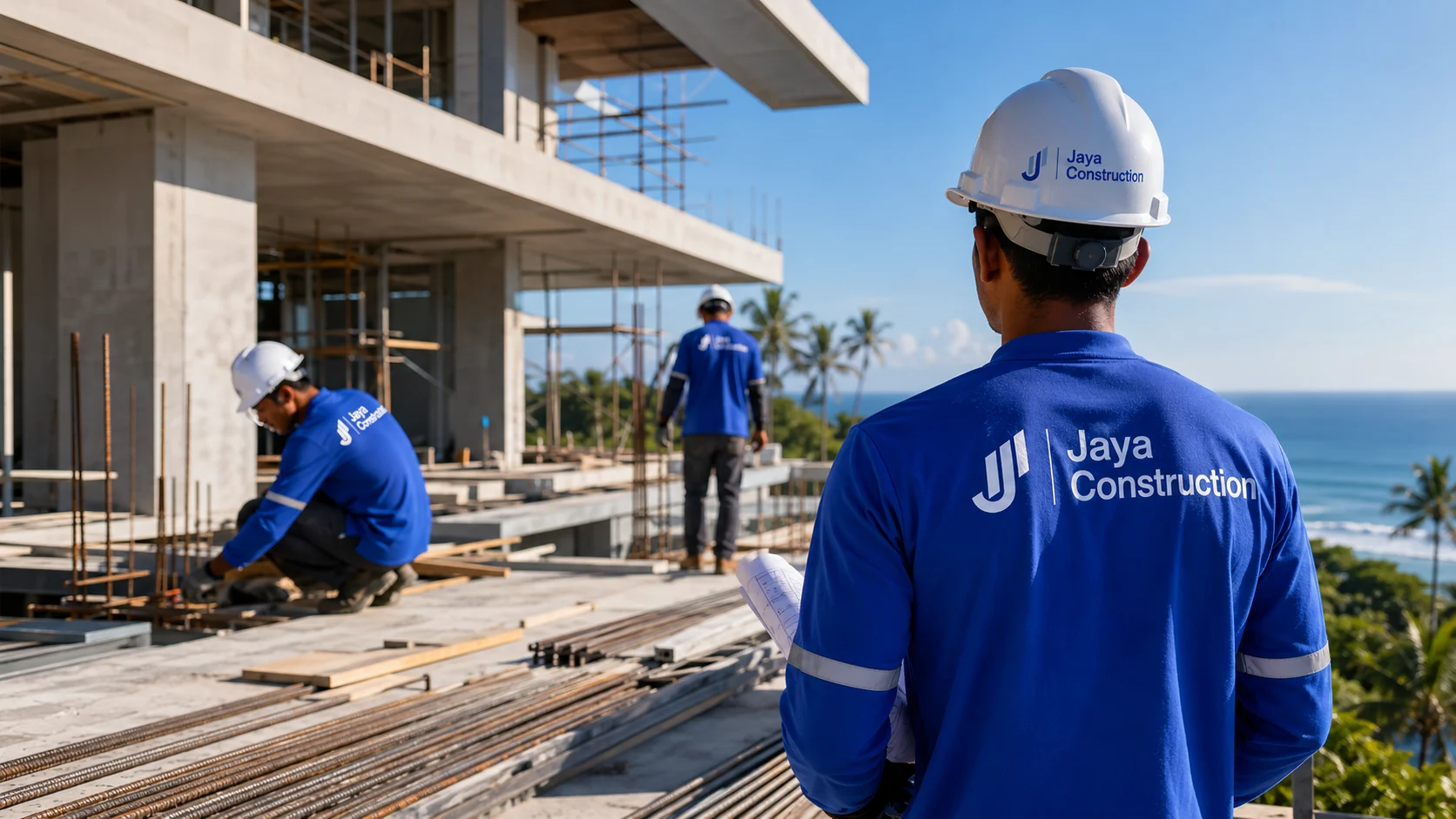
Once your designs are finalized and permits secured, construction can begin. Building in Bali presents unique challenges that require careful project management.
Hiring a Construction Team
Select a contractor with experience in hospitality or resort construction in Bali. Ask for references, visit completed projects, and verify their licensing and insurance. It is often wise to hire an independent project manager or construction consultant to oversee the work on your behalf, especially if you are not based on the island full-time.
Material Sourcing
Bali has a robust supply chain for construction materials, from locally produced bamboo and volcanic stone to imported fixtures and fittings. Sourcing locally where possible reduces transportation costs, supports the local economy, and often produces a more authentic aesthetic. For specialty items such as high-end bathroom fixtures, glamping-specific tent structures, or solar panel systems, you may need to import from Java, other parts of Asia, or Europe.
Managing the Construction Timeline
Construction timelines in Bali can be unpredictable due to factors such as the wet season (November to March), religious holidays like Nyepi (the Day of Silence, when all activity ceases), and occasional supply chain disruptions. Build buffer time into your project schedule and maintain open communication with your contractor to address delays promptly.
Operations and Staffing
The operational phase begins once construction is complete and your site is ready to receive guests. Effective operations are the foundation of a successful glamping business.
Recruitment and Training
Hire staff who embody the warmth and hospitality that Bali is known for. Key positions include a site manager or general manager, front desk or guest relations staff, housekeeping and maintenance personnel, kitchen staff (if you offer meals), activity coordinators or guides, and security. Many glamping sites also employ specialists such as yoga instructors, spa therapists, or cultural experience facilitators.
Invest in comprehensive training that covers not only job-specific skills but also customer service excellence, health and safety protocols, and environmental stewardship. Staff should be knowledgeable about the local area and able to recommend activities, restaurants, and cultural experiences.
Guest Experience and Activities
What sets glamping apart from traditional accommodation is the curated experience. Develop a menu of activities and services that enhance your guests’ stay and reflect the unique character of your location. Options might include guided rice terrace walks, Balinese cooking classes, traditional purification ceremonies (melukat), waterfall excursions, stargazing sessions, surf lessons, or wellness retreats. These experiences not only generate additional revenue but also create memorable moments that guests will share through word of mouth and social media.
Health, Safety, and Insurance
Establish robust health and safety procedures, including fire evacuation plans, first aid training for staff, food safety protocols, and regular maintenance checks on structures and equipment. Obtain comprehensive insurance coverage that includes property insurance, public liability insurance, and employer’s liability insurance. Given Bali’s seismic activity, ensure that your structures are built to withstand earthquakes, and have contingency plans in place.
Marketing and Revenue Strategy
A beautiful glamping site is of little value if potential guests don’t know about it. Develop a multi-channel marketing strategy to build awareness, attract bookings, and generate revenue.
Building Your Brand
Your brand identity should communicate the essence of your glamping experience. Develop a compelling name, logo, visual style, and brand story that resonate with your target audience. Emphasize what makes your site unique — whether it is the location, the design, the sustainability ethos, or the curated experiences.
Online Presence
Create a professional, visually stunning website with high-quality photography, virtual tours, and detailed descriptions of your accommodations and experiences. Optimize the site for search engines (SEO) to capture organic traffic from travelers searching for glamping in Bali. List your property on major booking platforms such as Booking.com, Airbnb, Glamping Hub, and Agoda, but also drive direct bookings through your own website to avoid commission fees.
Leverage social media platforms, particularly Instagram and TikTok, where visually rich content thrives. Partner with travel influencers and bloggers to amplify your reach. Encourage guests to share their experiences online by creating photogenic spaces and branded hashtags.
Pricing and Revenue Diversification
Set your pricing based on market research, competitor analysis, and your cost structure. Consider offering tiered pricing with different accommodation levels to appeal to a broader range of budgets. Diversify your revenue streams by offering add-on experiences, food and beverage packages, wellness services, merchandise, and event hosting (such as weddings, corporate retreats, or wellness workshops).
Financial Planning and Investment
Building a glamping site requires significant upfront capital, and it is essential to develop a detailed financial plan before breaking ground. Your plan should include startup costs (land acquisition or lease, design and architecture fees, permits, construction, furnishing, and initial marketing), operating costs (staff salaries, utilities, maintenance, insurance, marketing, and supplies), revenue projections based on realistic occupancy rates and average daily rates, and a break-even analysis.
Seek professional financial advice and consider engaging a business consultant who understands the Bali hospitality market. Depending on the scale of your project, you may need to secure financing through banks, private investors, or a combination of both. Some investors are drawn to the unique appeal of glamping and the growing demand for experiential travel, making it a relatively attractive niche within the hospitality sector.
Conclusion
Building a glamping site in Bali is a multifaceted endeavor that demands creativity, cultural awareness, business acumen, and a genuine commitment to sustainability and guest satisfaction. The island’s extraordinary natural beauty, rich cultural heritage, and well-established tourism infrastructure provide a remarkable canvas for creating a world-class glamping destination. However, success depends on thorough preparation — from understanding the legal landscape and engaging with local communities to designing thoughtful accommodations and crafting unforgettable guest experiences.
By approaching the process with patience, respect for Balinese culture and environment, and a clear vision for what you want to create, you can build a glamping site that not only generates healthy returns but also contributes positively to the local community and sets a benchmark for sustainable tourism in one of the world’s most beloved destinations. The glamping trend shows no signs of slowing down, and Bali, with its unparalleled charm, remains one of the most exciting places in the world to bring such a vision to life.
 By Jaya Construction Bali November 5, 2026
11 min read