Comprehensive Guide to Preventing Algae and Mould on Bali Exteriors
By Jaya Construction BaliJune 16, 20267 min read
In this article
Bali’s enchanting beauty is characterized by lush landscapes, vibrant culture, and a tropical paradise climate. However, this very environment, with its high humidity, frequent rainfall, and warm temperatures, creates ideal conditions for unsightly and potentially damaging algae and mould growth on building exteriors. From private villas to commercial resorts, uncontrolled biological growth can quickly degrade aesthetics, compromise material integrity, and create health concerns. A proactive and consistent maintenance approach is not merely about aesthetics; it’s essential for preserving property value, structural health, and creating a welcoming environment. This guide provides a comprehensive strategy tailored to Bali’s unique challenges, helping property owners and managers protect their investments effectively.
Understanding the Bali Environment and its Challenges
Before implementing solutions, it’s crucial to understand why Bali exteriors are particularly susceptible. The island’s climate is typically tropical, with average humidity levels often exceeding 80%, especially during the wet season from November to March. This constant moisture in the air and on surfaces provides the perfect breeding ground for algae, mould, lichen, and moss. These organisms thrive on moisture and microscopic nutrients carried in the air and rainwater. Surfaces that remain damp for extended periods—such as shaded walls, north-facing facades, or areas with poor drainage—are prime targets. Furthermore, Bali’s lush vegetation contributes to higher levels of organic spores in the air, increasing the likelihood of colonization on any suitable surface.
The materials commonly used in Balinese architecture, such as natural stone (andesite, paras, limestone), rendered concrete, terracotta tiles, and wood, all have varying degrees of porosity. This permeability allows moisture to be absorbed, creating a subsurface environment where biological growth can establish roots, making it harder to remove and more likely to recur quickly after cleaning. Without intervention, a small patch of algae can rapidly spread across an entire wall or roof, leading to discolouration, slippery surfaces, and long-term degradation as the organisms penetrate and weaken the material.
The Core Strategy: A Multi-Layered Preventive Approach
Relying solely on reactive cleaning is a futile and costly cycle. The most effective strategy is a multi-layered approach that combines thoughtful design, appropriate material selection, protective treatments, and disciplined routine maintenance. Prevention is fundamentally more cost-effective and sustainable than remediation.
1. Design and Material Selection for Long-Term Resistance
The fight against biological growth begins at the planning and construction phase. Intelligent design choices can dramatically reduce susceptibility.
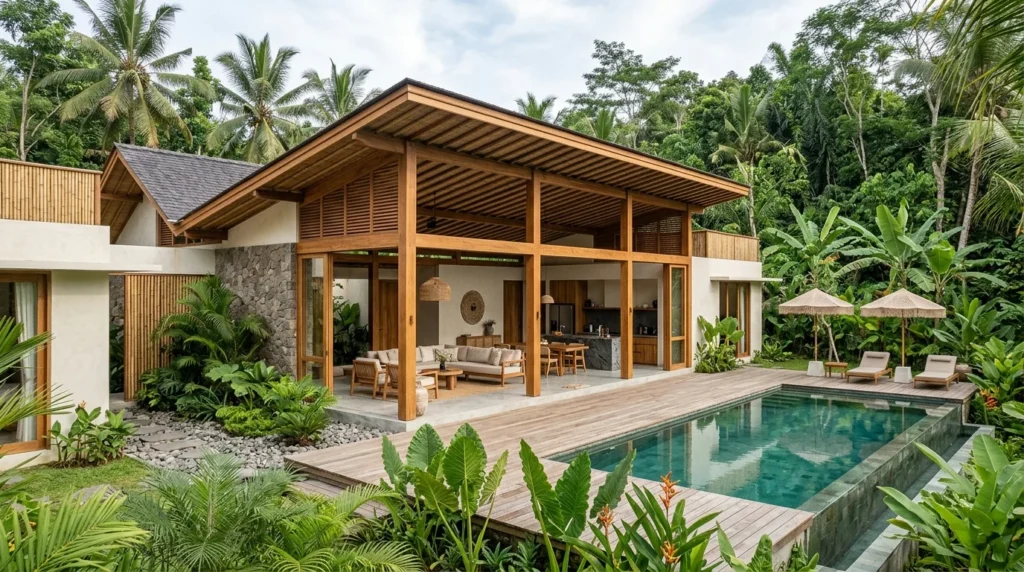
Promote Water Runoff and Air Circulation: Architectural design should ensure that water drains away quickly from walls and roofs. This includes proper roof overhangs, adequately sloped surfaces, functional guttering and downpipes, and landscaping that prevents soil from splashing onto walls. Encourage airflow around buildings; stagnant, damp air is a growth accelerator. Avoid design features that trap moisture or create persistent shadows.
Choose Resilient Building Materials: While aesthetic is important, material resilience should be a key consideration.
* Roofing: Glazed ceramic tiles or high-quality metal roofing with anti-fungal coatings are less hospitable to growth than porous concrete or terracotta tiles. Ensure tiles are well-seated and underlayment is intact to prevent internal moisture problems that can manifest externally.
* Walls and Render: Smooth, low-porosity renders are preferable to highly textured or sandy finishes that trap dirt and moisture. For natural stone, consider denser varieties or sealants that reduce water absorption without compromising the stone’s ability to breathe.
* Wooden Elements: Use treated hardwoods (e.g., teak, bangkirai) or certified durable softwoods. All wood should be properly sealed with high-quality, penetrating oil or stain products that contain mould and algae inhibitors. Regular re-treatment is non-negotiable.
2. The Critical Role of Protective Coatings and Treatments
This is the most direct and powerful method of prevention. Applying specialized coatings creates a hostile environment for algae and mould spores.
Anti-Fungal Paints and Masonry Coatings: When painting exterior walls, specify premium quality paints formulated for tropical climates. These products contain biocides that inhibit the germination of spores and the growth of mould and algae on the paint film itself. Look for brands that offer specific “anti-mould” or “algaecide” exterior formulations. For rendered or concrete surfaces, consider applying a separate, breathable masonry water repellent. These treatments allow water vapour from inside the wall to escape but prevent liquid water from being absorbed, thus starving the biological growth of its essential moisture source.
Sealants for Porous Materials: For natural stone, exposed aggregate, or unglazed tiles, applying a high-quality impregnating sealer is essential. These sealers penetrate the surface, reducing the material’s porosity and water absorption rate without creating a glossy, plastic-looking film. This allows the stone to maintain its natural appearance while gaining significant protection. Reapplication is typically needed every 1-5 years, depending on the product and exposure.
Algae-Resistant Roof Tile Treatments: Specialized transparent coatings can be applied to roof tiles that photocatalytically break down organic matter upon exposure to sunlight, preventing the establishment of growth.
3. Implementing a Rigorous and Regular Cleaning Routine
Even with the best preventative coatings, a regular cleaning schedule is vital. It removes the nutrient layer (dust, dirt, organic particles) that spores need to take hold and cleans away early-stage growth before it becomes established.
Frequency: In Bali’s climate, a bi-annual professional clean is the minimum recommendation. For properties in heavily shaded or coastal areas, quarterly cleaning may be necessary. Spot-checking monthly for early signs of growth is a good practice.
Methods:
* Soft Washing: This is the industry-standard and safest method for most exterior surfaces. It uses low-pressure water combined with specialized cleaning solutions—typically a blend of water, surfactants, and eco-friendly biocides (like quaternary ammonium compounds or hydrogen peroxide-based solutions). The solution is applied, allowed to dwell to break down the growth, and then gently rinsed away. It avoids the surface damage and forced water intrusion that high-pressure washing can cause.
* Manual Cleaning: For delicate areas like ornamental carvings or specific stains, careful manual scrubbing with appropriate brushes and cleaning agents may be required.
* Avoid High-Pressure Washing: While tempting for its speed, high-pressure washing can erode mortar joints, damage soft stone or wood, and drive moisture deep into substrates, exacerbating the problem in the long term.
4. Proactive Environmental and Maintenance Management
The immediate environment around the property plays a significant role.
Landscaping Management: Keep vegetation, especially large trees and dense shrubs, trimmed back from walls and roofs. This increases sunlight exposure (which naturally inhibits growth) and improves air circulation. Ensure irrigation sprinklers are not directed towards walls.
Gutter and Drainage Upkeep: Clogged gutters are a primary source of water overflow and splashing onto walls. Clean gutters and downpipes at least twice a year (before and after the wet season) to ensure water is channeled away from the building efficiently. Check for and repair any blocked perimeter drains.
Ventilation Enhancement: In enclosed spaces like balconies, terraces, or courtyard walls, consider installing passive ventilation solutions to improve airflow and reduce humidity levels.
Dealing with Existing Infestations: Remediation Steps
If growth has already taken hold, a more aggressive initial intervention is needed before transitioning to a preventive maintenance plan.
Assessment: Identify the type and extent of growth. Is it green algae, black mould, or a combination? This can influence the cleaning solution used.
Professional Cleaning: Engage a reputable exterior cleaning company that uses the soft wash method. They will have the equipment, eco-friendly biocides, and expertise to safely and effectively remove the existing growth without damaging the substrate.
Post-Cleaning Treatment: Once the surface is clean and dry, apply the appropriate protective coating or sealer as described earlier. This is a critical step to prevent rapid regrowth.
Establish a New Routine: Immediately implement the regular cleaning and environmental management schedule to protect your investment.
When to Call in the Professionals
While some maintenance can be managed in-house, certain situations warrant professional expertise:
For the initial treatment of large, established infestations.
For the application of specialized sealants and coatings, which require proper surface preparation and technique to be effective.
For multi-story buildings or complex architectural features.
For safety reasons, especially when working at height or using chemical treatments.
A professional service provides not only the labor but also valuable advice on products and a tailored maintenance plan for your specific property.
Conclusion: An Investment in Preservation and Beauty
Preventing algae and mould on Bali exteriors is an ongoing battle against the island’s climate, but it is a winnable one with the right strategy. By moving from a reactive to a proactive stance, property owners can safeguard their assets. The cornerstone of success is a holistic plan that integrates intelligent design, the use of resistant materials and advanced protective treatments, and a disciplined schedule of environmental management and gentle cleaning. This approach does more than just maintain appearances; it preserves the structural integrity of the building, protects the health of its occupants, and ensures that the property remains a beautiful and valuable asset for years to come. Embracing this comprehensive care regimen is an essential aspect of responsible property ownership in Bali’s magnificent but demanding tropical environment.
 By Jaya Construction Bali June 16, 2026
7 min read
By Jaya Construction Bali June 16, 2026
7 min read