Building for Flavor: A Guide to Commercial Kitchen Construction in Bali
By Jaya Construction BaliOctober 27, 20266 min read
In this article
Bali, the Island of the Gods, is not only a paradise for tourists but also a thriving epicenter for culinary innovation. From the warungs serving timeless Balinese delicacies to the high-end restaurants redefining modern Asian cuisine, the island’s food scene is explosive and dynamic. Behind every successful food establishment, however, lies a foundation that is often unseen but critically important: the commercial kitchen. Constructing a kitchen in Bali presents a unique set of challenges and opportunities that blend international standards with local realities. This guide delves into the essential considerations for building a functional, efficient, and compliant commercial kitchen on the island, ensuring your culinary vision has the infrastructure to succeed.
The Foundation: Design and Layout Principles
The first step in any commercial kitchen construction project is meticulous planning and design. A well-designed kitchen is not just a room with appliances; it’s a highly efficient workflow engine that minimizes movement, reduces waste, and enhances safety. The classic “work triangle” concept—optimizing the distance between the sink, refrigerator, and cooking range—remains a solid starting point. However, in a commercial setting, this expands into defined zones: receiving, storage (dry, cold, and freezer), preparation, cooking, plating, dishwashing, and waste management. In Bali’s often compact urban or resort spaces, maximizing every square meter is paramount. Hiring a designer or consultant experienced in commercial kitchen layouts is a worthwhile investment. They can create a plan that ensures a smooth flow from delivery to service, prevents cross-contamination, and accommodates the specific menu and volume of your establishment. Considerations must include the height and ergonomics for staff, easy access for cleaning, and logical placement of utilities.
Navigating Local Regulations and Permits
Unlike constructing a private villa, building a commercial kitchen in Bali requires navigating a specific set of regulations and obtaining the correct permits. The primary governing body is the Dinas Kesehatan (Health Department), which enforces standards related to sanitation, food safety, and hygiene. Your kitchen plans will likely need approval to ensure they meet criteria for materials (non-porous, easy-to-clean surfaces), ventilation, pest control measures, and waste disposal systems. Furthermore, you must obtain a Izin Mendirikan Bangunan (IMB) or its newer equivalent, a Persetujuan Bangunan Gedung (PBG), which is a building permit from the local authorities. This process can be bureaucratic and time-consuming. Engaging a local architect or construction manager with a proven track record in commercial projects is essential for navigating this regulatory landscape efficiently. They will understand the nuances, maintain relationships with local officials, and ensure your project doesn’t stall due to paperwork issues.
Selecting the Right Equipment: Balancing Quality and Climate
The heart of any commercial kitchen is its equipment. Sourcing and installing the right appliances is a major decision that impacts functionality, energy consumption, and longevity. You have two primary options: importing international brands or purchasing locally sourced or regional equipment. International brands (from Europe, the US, or Japan) are often renowned for their durability, precise temperature control, and advanced features. However, they come with high import taxes, shipping costs, and potentially challenging warranty service. Locally available equipment, often from China or other Southeast Asian countries, can be significantly more affordable and easier to source and service. The key is to find a balance. Prioritize commercial-grade equipment for high-use items like ovens, grills, and refrigeration. For smaller tools, local options may suffice. Special attention must be paid to refrigeration systems, as Bali’s tropical climate and high humidity demand robust and energy-efficient units to maintain food safety and combat compressor overload. Stainless steel (preferably Grade 304) is the gold standard for work surfaces, shelving, and sinks due to its corrosion resistance and ease of cleaning.
Ventilation, Exhaust, and Fire Safety: Critical Systems
In a hot, humid climate like Bali’s, a powerful and well-designed ventilation system is non-negotiable. This system has two critical functions: removing heat, smoke, grease, and odors from the kitchen, and providing fresh air to replace what is exhausted. A professional-grade exhaust hood with proper make-up air units is fundamental. The design must consider the types of cooking being done (high-heat wok cooking requires more powerful extraction than baking). The ductwork must be properly sized, sealed, and routed to an external vent, often to the roof. Regular cleaning of these grease-laden ducts is a major fire prevention requirement.
Fire safety is paramount. A commercial kitchen in Bali must be equipped with an automatic fire suppression system, typically integrated into the hood, that can quickly extinguish grease fires. This is usually a requirement for licensing. Additionally, strategically placed fire extinguishers (Class K for kitchen fires) and clear emergency exit routes are mandatory. All electrical and gas installations must be done by certified professionals to prevent leaks and electrical hazards.
Sustainability and Water Management
Bali is increasingly focused on sustainability, and a commercial kitchen can have a significant environmental footprint. Thoughtful construction can mitigate this. Consider energy-efficient appliances, LED lighting, and perhaps solar water heating for dishwashing. Water management is particularly crucial. Commercial kitchens are high water consumers, and in areas with limited water infrastructure, this can be a challenge. Installing water-saving pre-rinse sprayers for dishwashers, efficient fixtures, and even greywater systems for non-potable uses like garden irrigation can reduce your impact and operational costs. Waste management is another key area. Plan for easy separation of organic waste (which can be composted), recyclables, and general waste. Collaborating with local waste management services that follow sustainable practices aligns with the eco-conscious values of many modern consumers and resort guests.
The Construction Process: Local Materials and Artisan Collaboration
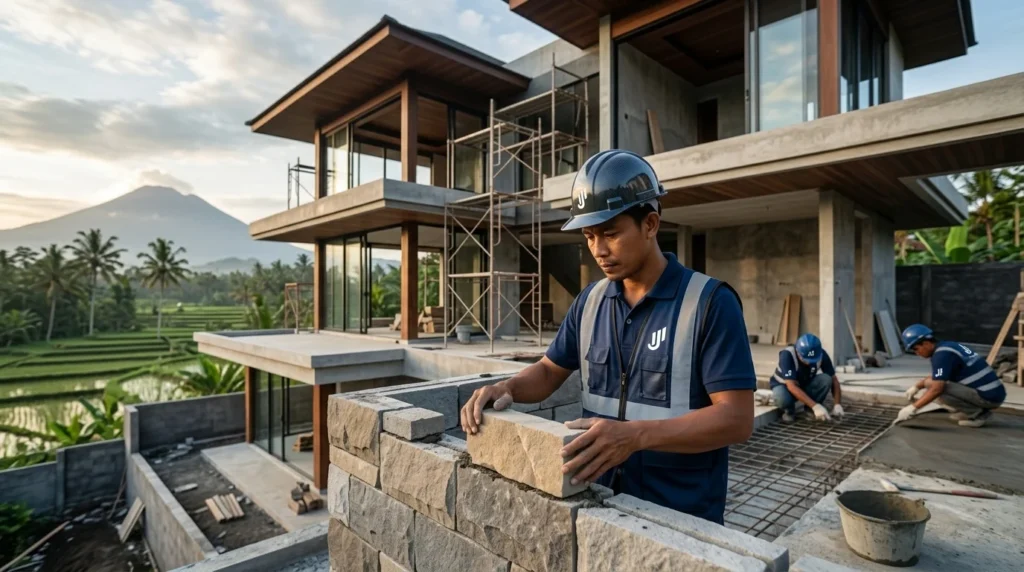
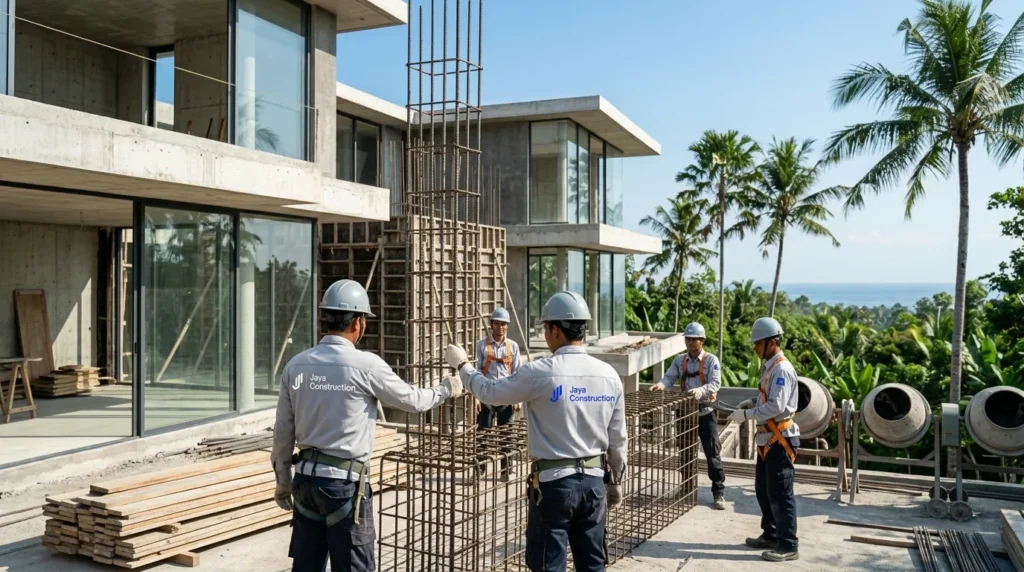
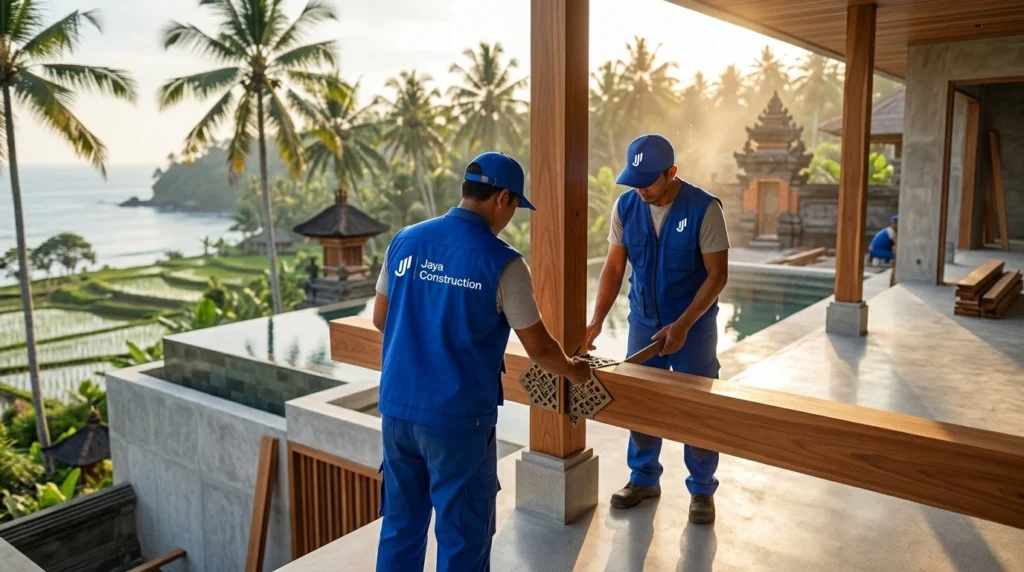
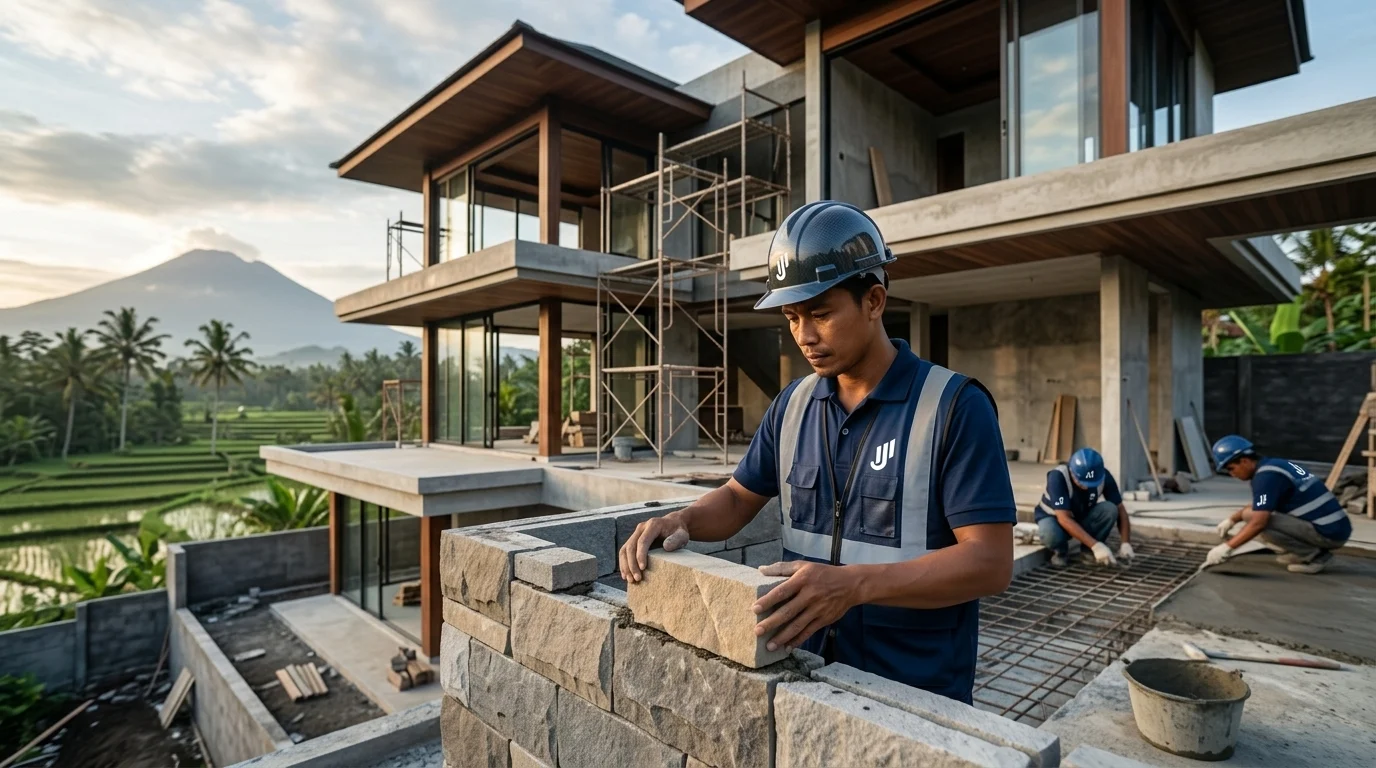
The actual construction phase is where local knowledge truly pays off. While the design may be international, the building materials and labor are local. Bali has a wealth of skilled tradespeople—carpenters, masons, metalworkers—whose craftsmanship is renowned. Integrating local materials like kerobokan stone or recycled teak for non-critical structural or aesthetic elements can add character and reduce costs. However, for the core “wet kitchen” areas, functionality must dictate material choice. The construction manager’s role is to ensure the design specifications are followed precisely, particularly regarding waterproofing, slope for drainage, and the installation of utility lines (gas, water, electricity). The build quality of walls, floors, and ceilings determines the kitchen’s durability and ease of maintenance for years to come. This phase requires constant supervision and communication to address on-site challenges that inevitably arise.
Project Management: The Linchpin of Success
Overseeing a commercial kitchen construction in Bali, especially for an overseas investor, is a complex project management task. It involves coordinating between the designer, the permit agents, the equipment suppliers, and the construction crew. Delays can be costly. Hiring a reputable, independent project manager who represents your interests is arguably the most important investment you can make. This individual or firm will be your boots on the ground, conducting regular site inspections, verifying the quality of work and materials, managing the budget and timeline, and serving as your single point of communication. They troubleshoot problems, make day-to-day decisions based on your guidelines, and ensure the final product matches the approved plans. Without this oversight, projects can easily go over budget, fall behind schedule, or be completed with substandard workmanship.
Conclusion: More Than Just a Room
Building a commercial kitchen in Bali is a multifaceted endeavor that extends far beyond simply installing stoves and sinks. It is a strategic investment that requires a deep understanding of workflow design, stringent local health and safety regulations, climate-appropriate technology, and sustainable practices. The process demands a collaborative effort between visionary owners, experienced international designers, savvy local consultants, and skilled Balinese artisans. By prioritizing a professional design, navigating the permit process diligently, investing in quality ventilation and refrigeration, and engaging in rigorous project management, you can create a kitchen that is not only a compliant and efficient workspace but also a sustainable asset. Ultimately, a well-constructed kitchen becomes the reliable engine of your culinary business, allowing chefs to create their magic consistently and safely, ensuring your establishment thrives in Bali’s vibrant and competitive food landscape.
 By Jaya Construction Bali October 27, 2026
6 min read