Navigating Paradise: Essential First Steps Before Building Your Dream in Bali
By Jaya Construction BaliJune 16, 20269 min read
In this article
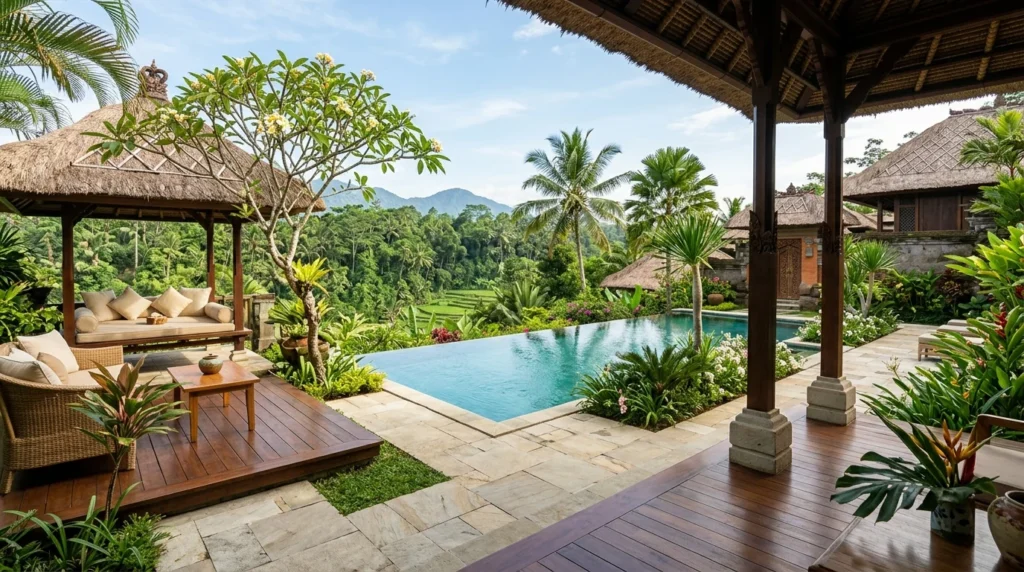
Bali, the famed “Island of the Gods,” captivates with its lush landscapes, vibrant culture, and serene spiritual energy. It’s no wonder that many dream of owning a piece of this paradise, whether as a private retreat, a rental investment, or a commercial venture. However, translating that dream into a physical structure requires navigating a unique and sometimes complex landscape of regulations, culture, and practicalities. Rushing into construction without proper groundwork is a recipe for costly delays, legal headaches, and immense frustration. The most critical phase of your Bali building project isn’t laying the foundation—it’s the meticulous planning that precedes it. This comprehensive guide outlines the non-negotiable first steps you must take to ensure your project is built on solid ground, both literally and figuratively.
Introduction: The Allure and the Reality
Building in Bali offers an unparalleled opportunity to create a sanctuary harmonized with nature. The island’s architectural ethos, which emphasizes natural materials, open-air living, and integration with the spiritual landscape, allows for the creation of truly unique properties. However, this idyllic vision coexists with a reality of intricate land ownership laws, bureaucratic processes, and environmental considerations. Foreign investors, in particular, face a legal framework that prohibits direct freehold ownership, making the initial stages fundamentally different from those in many Western countries.
Success hinges on respecting the local system, engaging the right professionals, and investing significant time in due diligence. The steps that follow are your essential roadmap. They are designed to protect your investment, align your project with Balinese and Indonesian law, and foster a positive relationship with the local community (banjar), which is as important as any building permit.
Step 1: Define Your Vision and Purpose with Crystal Clarity
Before you even look at a single plot of land, you must answer fundamental questions about your project’s purpose. This clarity will dictate every subsequent decision, from location and land type to scale and design.
Personal Residence: Is this a forever home, a vacation home, or a retirement property? Your occupancy patterns will influence design (e.g., storage needs, low-maintenance features) and location (proximity to amenities vs. ultimate privacy).
Investment Property: Are you building villas for the rental market? If so, your focus will shift to locations with high tourist demand, amenities that appeal to guests (like private pools, Instagrammable spaces), and designs that maximize rental yield and operational efficiency.
Commercial Venture: Is it a boutique hotel, a yoga retreat, a co-working space, or a restaurant? Commercial projects have entirely separate zoning, licensing, and safety requirements. Community impact and traffic considerations become paramount.
Documenting this vision in a detailed brief is your first tangible deliverable. It will become the guiding document for your architect, lawyer, and construction manager.
Step 2: Assemble Your Professional Team Early
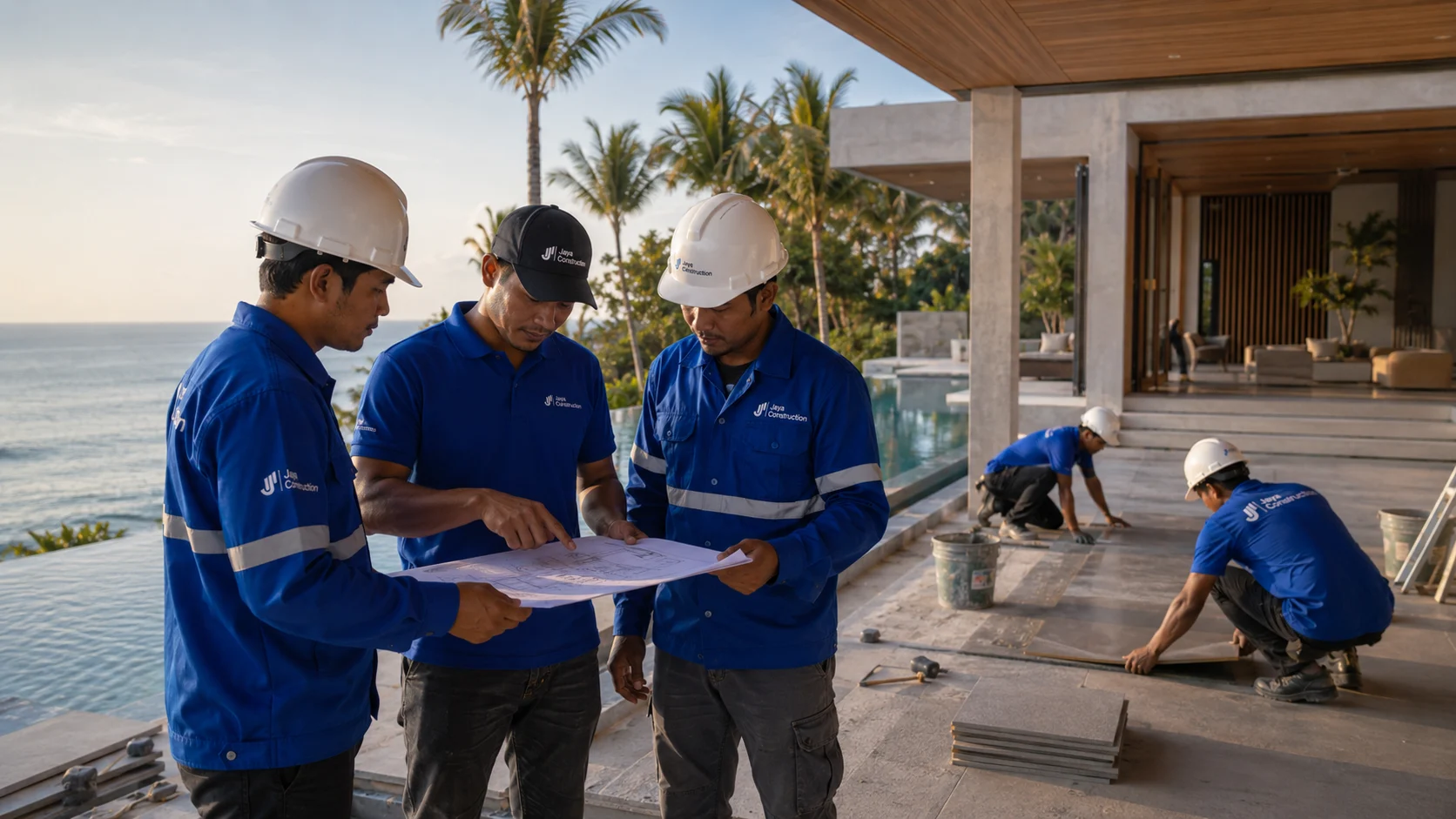
In Bali, “Do-It-Yourself” is a dangerous concept for foreigners. The cornerstone of a successful project is a team of trusted, reputable local professionals. Engaging the right experts is your most important investment.
A Specialized Real Estate Lawyer: This is non-negotiable. Your lawyer must be fluent in Indonesian property law and experienced in transactions involving foreign investors (penanaman modal asing). They will be your guide through the entire legal and bureaucratic maze.
A Knowledgeable Real Estate Agent or Consultant: Find an agent who specializes in the type of property you seek and the area you desire. A good agent does more than show properties; they understand market values, local regulations, and can often connect you with other professionals.
An Architect with Local Experience: Your architect must not only understand your aesthetic vision but also be deeply familiar with Balinese spatial planning (Asta Kosala Kosali), local materials, tropical climate design principles (ventilation, sun shading, waterproofing), and the permit application process. Their drawings must comply with strict local regulations.
A Reputable Project Manager or Construction Consultant: Unless you plan to be on-site full-time and speak fluent Indonesian, a project manager is essential. They will oversee the tender process, manage the contractor, ensure quality control, handle procurement, and provide you with regular updates.
Take your time with this step. Conduct interviews, check references, and visit previous projects. The strength of your team will determine the strength of your project.
Step 3: Conduct Impeccable Legal Due Diligence on Land
This is the stage where many projects succeed or fail. Land in Bali is a beautiful but complex asset. Foreigners cannot hold freehold title (Hak Milik). You will be acquiring usage rights under several possible structures:
Hak Guna Bangunan (HGB): Right to Build. This is a leasehold right granted to an Indonesian legal entity (like a PT PMA, a foreign-owned company) for a specific period (typically 30 years, extendable). This is the most common and secure method for foreign investors developing property.
Hak Sewa: Leasehold. A direct lease of the land from the owner for a set number of years (e.g., 25-30 years, with options to extend). This is simpler than forming a PT PMA but offers less long-term security and control.
Nominee Arrangement (Using a Local Agent): This is a highly risky, legally grey area where you pay a local Indonesian to hold the Hak Milik title on your behalf through a private agreement. This offers no legal protection and is not recommended, as the nominal owner has ultimate legal control.
Your lawyer’s primary task is to verify the land:
Title Search: Confirm the current legal owner and the type of title (Sertifikat Hak Milik for freehold, etc.). Check for any liens, disputes, or claims on the land.
Zoning Verification (Peruntukan Lahan): This is critical. Obtain the Surat Pernyataan Kesanggupan Pengelolaan dan Pemantauan Lingkungan Hidup (SPPL) from the local village office and cross-check with the Badung or provincial planning office. Land is zoned for specific uses (residential, commercial, agricultural, greenbelt). Building a commercial villa on agricultural land is illegal and will result in permits being denied or demolition orders.
Boundaries and Access: Have the land physically surveyed by a licensed surveyor (not just a tape measure from the seller) to confirm boundaries and ensure legal access to a public road.
Step 4: Understand the Permitting and Approval Process
Building in Bali requires a stack of permits. The process is sequential and can take 6-12 months or more. Your architect and project manager will handle the submissions, but you must understand the key stages:
Izin Lokasi (Location Permit): Obtained from the local regency (Bupati). This confirms the land can be used for your intended purpose based on its zoning.
Persetujuan Bangunan Gedung (PBG – Building Approval): This replaced the older IMB (Izin Mendirikan Bangunan). This is the core construction permit issued by the Dinas Pekerjaan Umum (Public Works Office). It requires detailed architectural drawings, structural plans, and site plans that comply with all building codes, including those related to height, setbacks from boundaries, and green space ratios.
Environmental Permits: For larger projects, an Environmental Impact Assessment (AMDAL) or a simpler Environmental Management Efforts and Environmental Monitoring Efforts (UKL-UPL) may be required.
Additional Permits: Depending on your project, you may need permits from other agencies (e.g., Department of Tourism for a hotel, Fire Department, Department of Health for a spa).
Never purchase land or begin construction without the relevant permits in hand. Building without permits (bangunan liar) risks heavy fines, forced demolition, and being blacklisted.
Step 5: Financial Planning and Budgeting Beyond the Obvious
Creating a realistic budget is crucial. Many first-time builders underestimate costs. Your budget should account for:
Land Acquisition Cost: The purchase price itself, plus taxes (Buyer’s Tax of 5% of the transaction value).
Professional Fees: Lawyer, architect, structural engineer, surveyor, project manager (typically 15-20% of construction cost total).
Permit and Tax Fees: Government fees for permits, environmental statements, and land and building taxes (PBB) during the construction phase.
Construction Cost: The main build, which varies wildly based on location, materials, and finish level. Costs are often quoted per square meter. Get detailed quotations from at least three reputable contractors.
Contingency Fund:This is absolutely essential. Allocate a minimum of 15-20% of your total project budget for unexpected costs, material price fluctuations, design changes, and delays.
Infrastructure Costs: Connecting to water (PDAM or a well), electricity (PLN), and internet. This can be surprisingly expensive, especially in remote areas.
Landscaping and Furnishing: Often a separate and significant cost.
Funding can be complex. Indonesian banks do not typically offer mortgages to foreign individuals for land. Financing usually comes from offshore or through the corporate structure of a PT PMA.
Step 6: Cultivate Community and Cultural Integration
In Bali, your neighbors and the local banjar (community council) are not just passive observers; they are active stakeholders. Their support is vital for a smooth project.
Introduce Yourself Early: Before breaking ground, introduce yourself and your project to the Kepala Desa (village chief) and the banjar leader. Explain the nature of your build, the expected timeline, and the number of workers. This demonstrates respect.
Hire Locally: Whenever possible, hire workers and source materials from the local area. This provides economic benefit to the community and fosters goodwill.
Respect Cultural Norms: Be mindful of temple ceremonies (odalan), processions, and sacred days (Nyepi, the Day of Silence). Construction may need to pause. Your project manager should be well-versed in these matters.
Environmental Responsibility: Bali is grappling with waste and water issues. Implement sustainable practices: proper waste management during construction, rainwater harvesting, and using water-efficient fixtures.
Step 7: Selecting the Right Contractor and Negotiating a Contract
Your contractor will bring the architect’s plans to life. Do not choose based on the lowest bid alone.
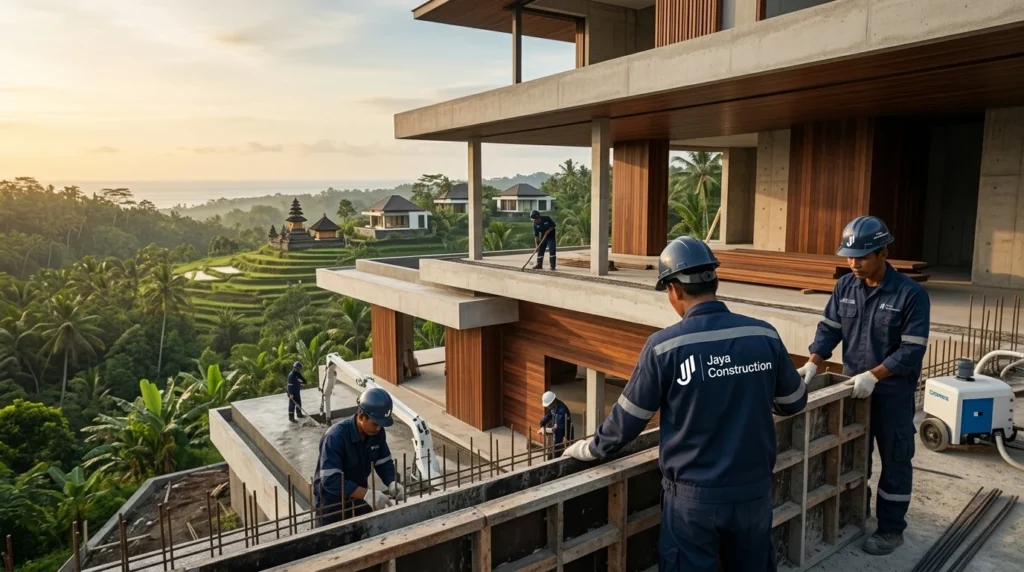
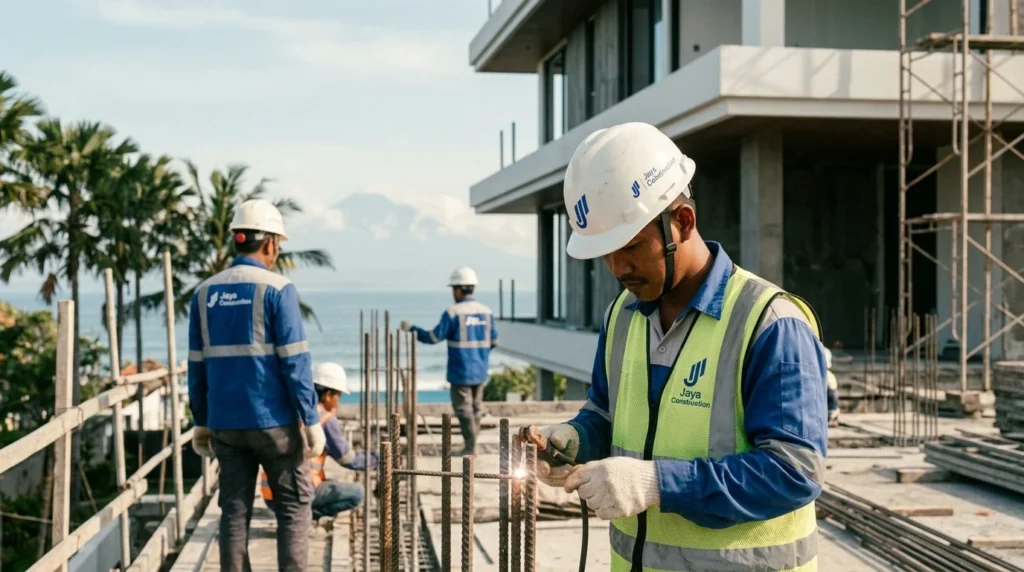
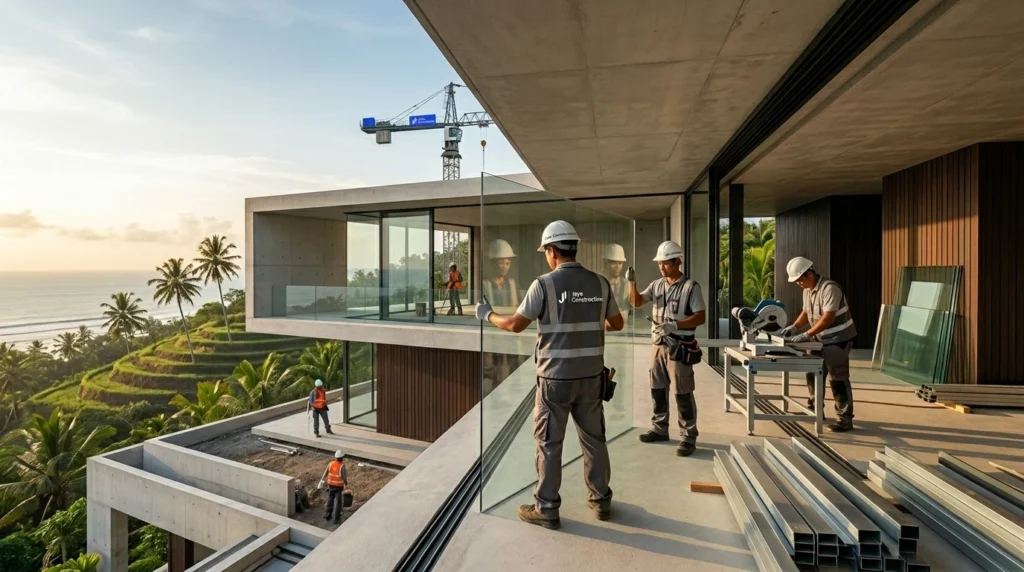
Vet Thoroughly: Ask for a portfolio of completed projects, speak to past clients, and visit active sites to check for organization, safety standards, and workmanship.
Clear Contract: Your lawyer should draft a detailed construction contract. It must specify:
* A fixed price or a detailed bill of quantities with clear rates.
* A payment schedule tied to verified completion milestones (e.g., foundation complete, walls up, roof on, finishing complete).
* A clear timeline with penalties for unreasonable delays.
* Specifications of all materials (brand, type, quality).
* Warranty periods for workmanship and materials.
* Process for change orders (which will inevitably happen).
Conclusion: Patience and Preparation are Your Best Materials
Building in Bali is an immensely rewarding endeavor, but it is not a get-rich-quick scheme or a casual DIY project. It is a complex integration of international investment law, local bureaucracy, cultural sensitivity, and project management. The initial steps of visioning, team building, and rigorous due diligence may seem slow and daunting, but they are the very actions that prevent the vast majority of catastrophic failures.
Think of this preparatory phase as constructing an invisible but foundational structure—one made of legal certainty, financial prudence, and community respect. By meticulously following these first steps, you transform from a hopeful dreamer into an informed investor. You lay the groundwork not just for a building, but for a successful and sustainable presence on this magical island. With patience, the right team, and deep respect for the process, your Balinese dream can rise from the rice paddies, strong, serene, and perfectly suited to the paradise that inspired it.
 By Jaya Construction Bali June 16, 2026
9 min read
By Jaya Construction Bali June 16, 2026
9 min read