Building in Bali as an Expat: A Realistic Guide to Creating Your Island Home
By Jaya Construction BaliJune 16, 20267 min read
In this article
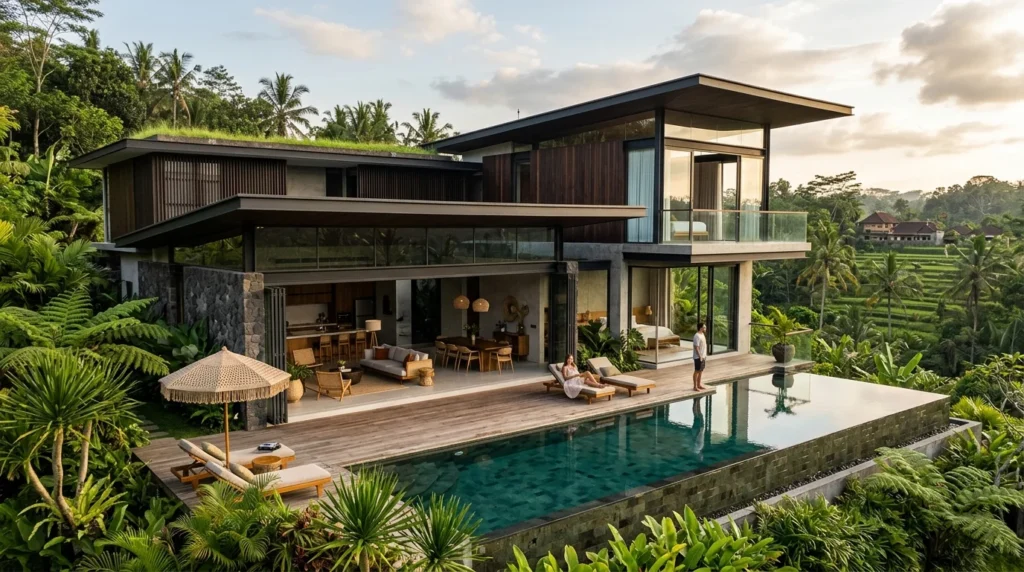
The dream of building a custom villa in Bali, surrounded by lush rice terraces or perched above a sparkling ocean, is a powerful one. It represents the ultimate escape and a permanent piece of paradise. However, translating this dream into reality as an expatriate is a complex undertaking, fraught with unique legal, cultural, and logistical challenges that differ vastly from building in your home country. This guide aims to strip away the romantic veneer and provide a structured, realistic roadmap for navigating the process of building in Bali, ensuring your investment is sound and your experience is as smooth as possible.
Introduction: More Than Just a Construction Project
Building in Bali is not merely a construction project; it is a deep dive into local bureaucracy, a test of cross-cultural communication, and an exercise in profound patience. The island’s building landscape is governed by a mix of national law, provincial regulations, and, most powerfully, traditional village (adat) customs. For the unprepared expat, this can lead to costly delays, legal nightmares, and unfinished dreams. Success hinges on thorough preparation, assembling the right team, and, above all, respecting the local way of doing things. This article will walk you through the critical phases, from securing legal land rights to handing over the final key.
The Foundational Pillar: Understanding the Legal Framework
Before you even look at a plot of land, you must understand the fundamental legal principle that governs foreign ownership in Indonesia: foreigners cannot own freehold land (hak milik). This is the most crucial fact to internalize. Attempting to circumvent this law through nominee arrangements or complicated corporate structures is highly risky and can result in the total loss of your investment.
Instead, the secure and legal pathway for expats is through a leasehold agreement (hak sewa) or by establishing a foreign-owned company, known as a Penanaman Modal Asing (PMA). A PMA allows for more complex structures like a Right to Build (Hak Guna Bangunan – HGB) for commercial projects. For a personal villa, a long-term leasehold (often 25 or 30 years, with options to extend) is the most common and straightforward route. This lease is a legally binding contract with the landowner, granting you exclusive rights to use and build upon the land for its duration.
Your first non-negotiable step is to hire a reputable, independent Indonesian lawyer. This lawyer will conduct due diligence on the land certificate to ensure it is clean, free of disputes, and has the correct zoning for building. They will also draft and review your lease agreement to protect your interests.
Acquiring the Land: Navigating the Nuances
With legal advice in hand, the search for land begins. Location is everything, but each comes with its own rules. Land in “green zones” (agricultural) is often off-limits for building, while “yellow zones” (residential) and “red zones” (commercial) are permissible. Your lawyer and a knowledgeable notary (PPAT) can verify the land’s status.
Beyond zoning, you must engage with the local community. In Bali, land is often communal in spirit. The banjar (traditional village council) holds significant social and, at times, practical authority. Introducing yourself, stating your intentions respectfully, and seeking their informal blessing can prevent immense problems later. They may also provide insights on local building customs or assist in mediating with neighbors.
The purchase or lease process typically involves:
Memorandum of Understanding (MoU): A preliminary agreement outlining price and terms.
Due Diligence: Your lawyer’s deep check of the land title (Sertifikat).
Sale and Purchase Agreement (Akta Jual Beli) or Lease Agreement: The final contract signed before a notary, upon which taxes are paid.
Issuance of New Certificate: For a lease, this might be a statement from the PPAT acknowledging the lease agreement on the original certificate.
Assembling Your Team: The Make-or-Break Decision
Your choice of architect and builder will determine the quality, cost, and timeline of your project. Do not rush this phase.
Architect: Seek an architect with significant experience in Bali, particularly in the style you desire (e.g., traditional Balinese, modern minimalist, tropical contemporary). They must understand local materials, climate-responsive design (to manage heat and humidity), and the practicalities of building on the island. Review their portfolio, visit completed projects, and talk to past clients. A good architect will be your creative partner and project guide.
Builder (Contractor): This is arguably the most critical hire. Avoid hiring a builder solely based on the cheapest quote. Look for:
A Registered Company (PT): Provides some legal recourse.
A Strong Portfolio of Completed Projects: Visit them in person if possible.
Positive References from Other Expats: Speak directly with former clients about their experience regarding budget adherence, timeline, and communication.
A Transparent Quotation: A detailed bill of quantities (BoQ) that breaks down material and labor costs is essential.
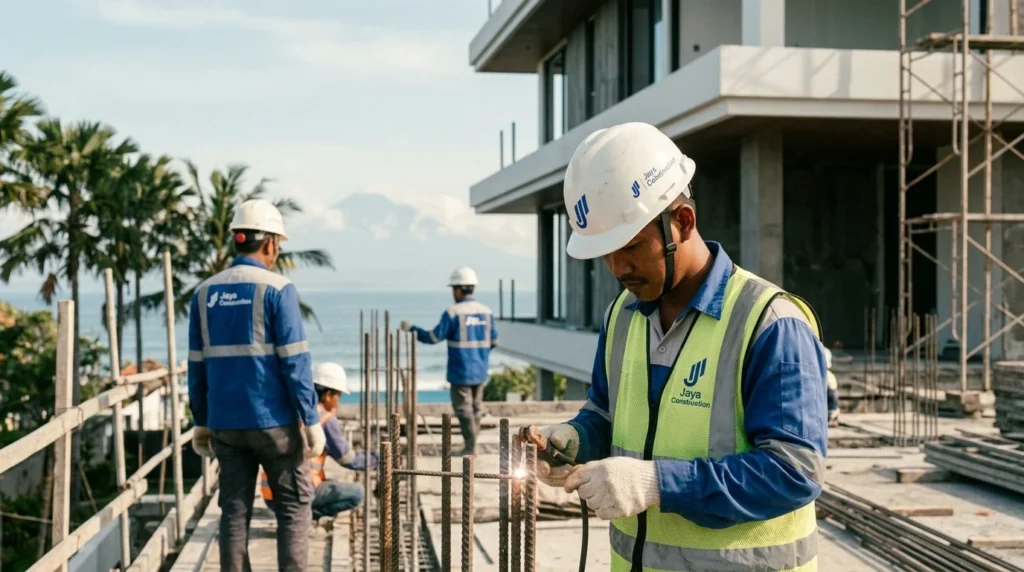
The relationship with your builder is a partnership. Visit the site regularly, maintain open communication channels, and establish a clear payment schedule tied to the completion of specific milestones (e.g., foundation completion, roof on, etc.). Never pay a large sum upfront.
The Design and Permit Process: Blending Beauty with Bureaucracy
With your team in place, the design phase begins. Work closely with your architect to create plans that meet your vision while being practical and cost-effective. Consider incorporating sustainable elements like rainwater harvesting, natural ventilation, and solar panels, which are increasingly popular and sensible in the tropics.
Before construction can start, you must obtain the necessary building permit, known as the Izin Mendirikan Bangunan (IMB) or its newer equivalent under the OSS (Online Single Submission) system. Your architect and builder typically handle this process, which involves submitting your detailed construction drawings to the local district (Kecamatan) and village offices. This process can be time-consuming and opaque, often requiring negotiation and patience. Factor several months into your project timeline for this. Additionally, if your land is in a tourist area, you may need a Pondok Wisata (homestay) license if you plan to rent out the property, which has its own set of requirements.
Managing the Build: Timeline, Costs, and On-Site Realities
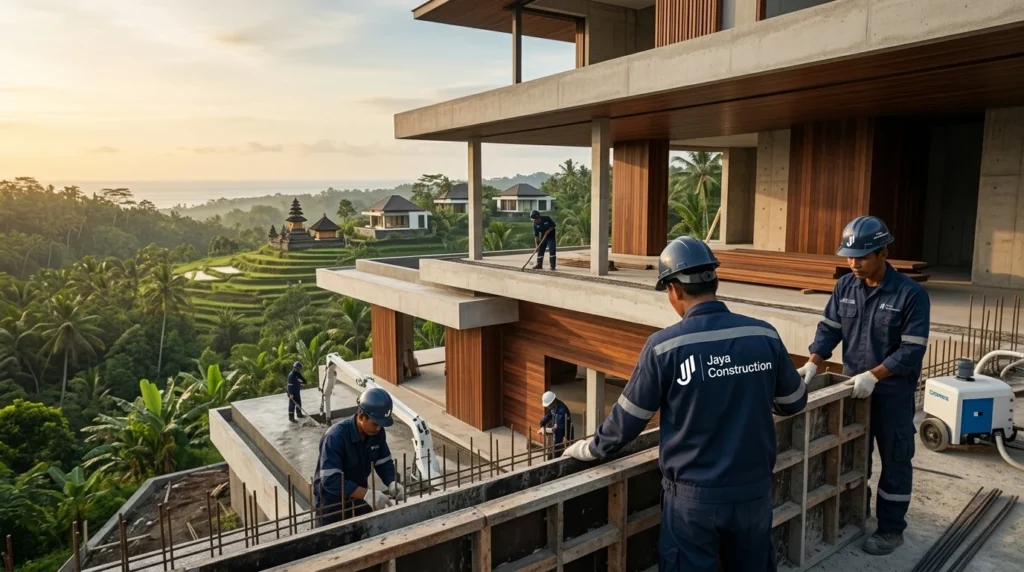
Construction in Bali operates at its own pace, often influenced by religious ceremonies, weather, and material availability. A realistic timeline for building a standard 2-3 bedroom villa is 12 to 18 months, including the design and permitting phase. Be prepared for delays.
Cost Structure: A typical build cost can range from $800 to $1,500+ per square meter, depending heavily on quality, specifications, and location. This usually includes:
Contingency:This is non-negotiable. Allocate at least 10-15% of your total budget for unforeseen expenses, price fluctuations, and changes.
Your builder will provide a quote based on a detailed bill of materials. It is your right to understand this breakdown completely. Material quality varies wildly in Bali; your builder’s integrity in sourcing good materials is paramount.
Cultural Integration and Project Management
The most successful expat builders are those who integrate respectfully. This means understanding that your construction site is part of a community. Hosting a simple ceremonial blessing (melaspas or pecaruan) before breaking ground, organized with your builder and local priest, is a powerful gesture of respect that can smooth relations.
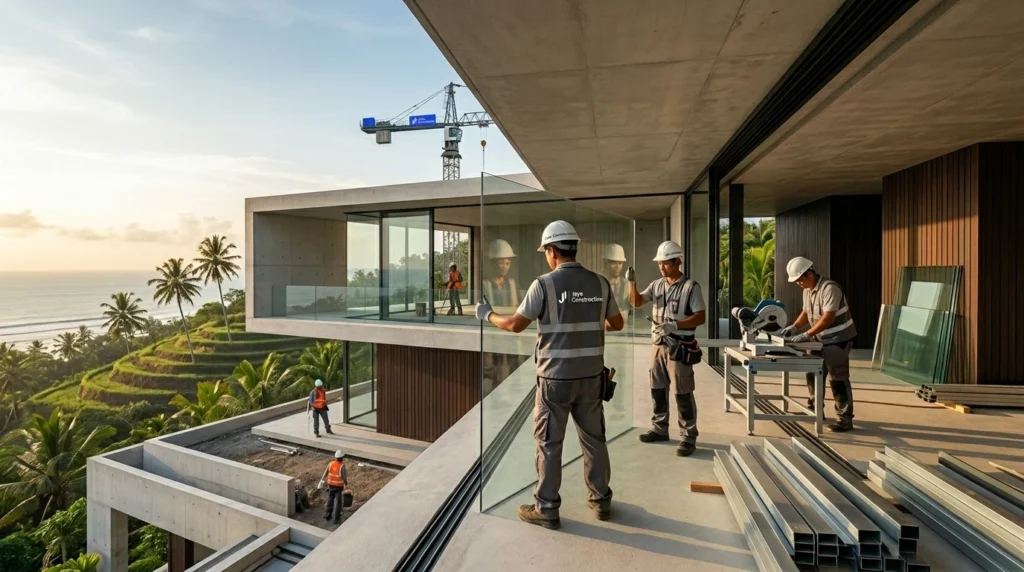
Appoint a single point of contact—a project manager. This can be you, if you are resident and knowledgeable, but for most, hiring a professional project manager or relying heavily on your trusted architect/builder is advisable. They will be your eyes and ears, making daily decisions, solving problems, and ensuring quality control.
Conclusion: Patience, Respect, and Diligence are Your Best Tools
Building a home in Bali is one of the most rewarding and challenging endeavors an expat can undertake. It is a journey that demands more than just financial investment; it requires a significant investment of time, emotional energy, and cultural sensitivity. The path is lined with potential pitfalls, from legal misunderstandings to construction delays.
By arming yourself with knowledge, securing impeccable legal and professional representation, respecting local traditions and authorities, and maintaining vigilant yet patient oversight, you can navigate this path successfully. The result—a unique home crafted in one of the world’s most beautiful locations, built on a foundation of legitimate rights and community respect—is an unparalleled achievement. Proceed with your eyes wide open, and your dream of a Balinese sanctuary can become a secure and wonderful reality.
 By Jaya Construction Bali June 16, 2026
7 min read
By Jaya Construction Bali June 16, 2026
7 min read