Back to the journal
Construction insights
Hard-Won Wisdom: Key Lessons from Building a Villa in Bali
 By Jaya Construction Bali June 16, 2026
7 min read
By Jaya Construction Bali June 16, 2026
7 min read
By Jaya Construction Bali June 16, 2026
7 min read
By Jaya Construction Bali June 16, 2026
7 min read
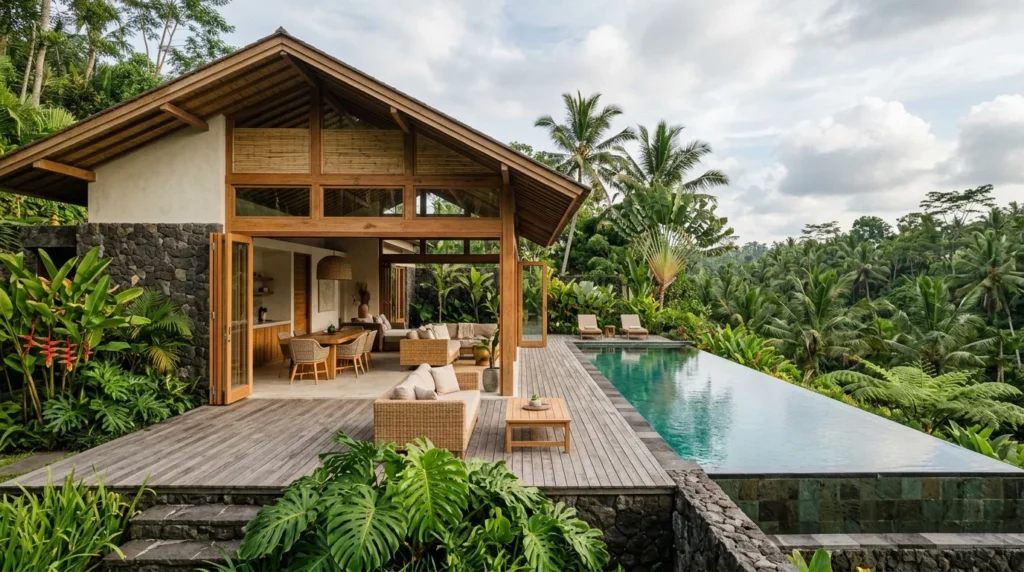
The dream is vivid and universally appealing: waking up to the gentle rustle of palm leaves, stepping onto a sun-drenched terrace overlooking rice paddies or the Indian Ocean, and living in a custom-designed sanctuary built specifically for your comfort and aesthetic taste. For many, this dream crystallizes into the ambitious project of building a villa in Bali. The island’s magnetic energy, breathtaking landscapes, and relatively lower cost of living can make the prospect seem both irresistible and straightforward. However, the journey from fantasy to finished foundation is a complex undertaking filled with unexpected detours, profound learning, and invaluable rewards. Building in Bali is less of a linear construction project and more of a cultural and logistical odyssey that will test your patience, flexibility, and problem-solving skills. This article distills the essential, hard-won lessons from the process, offering a roadmap for those who dare to turn their Balinese dream into a tangible reality.
Before a single brick is laid, the most critical decisions are made. Errors at this stage will echo through every phase of the build, causing delays, cost overruns, and immense frustration.
The paramount importance of securing clear legal ground. Bali’s land ownership laws are famously complex, prohibiting direct freehold ownership (Hak Milik) by foreigners. Navigating this requires impeccable due diligence. The most common pathways are a long-term leasehold (Hak Sewa) or establishing a foreign-owned company (PT PMA) to hold a right to use (Hak Pakai) title. Rushing this step, relying on informal agreements, or failing to engage a reputable, independent notary (notaris) and legal counsel is the single greatest mistake you can make. Your land title must be verifiably clean, free from disputes, and correctly zoned for residential construction. Treat this legal groundwork with the seriousness of a corporate merger, as it forms the bedrock of your investment.
Next, your vision must meet reality through a partnership with the right architect and contractor. The allure of cheap, fast work is a siren song that leads to poor quality. Seek professionals with proven experience in building for foreigners, a portfolio of completed projects you can visit, and strong references. Communication is key; ensure they understand your design brief and budget constraints clearly from the outset. A detailed, fixed-price contract with a clear timeline and penalty clauses for delays is not an expression of distrust—it is a necessary framework for a healthy professional relationship. Beware of the contractor who offers an unrealistically low quote; this almost always leads to requests for more money (a practice known as “mid-project renegotiation”) once you are committed and have no alternative.
Your design concept is where personal fantasy meets the physical and cultural reality of the island. This is a stage that demands both creativity and humility.
Successful design in Bali is a dialogue with the environment, not a monologue imposed upon it. While a sprawling glass-walled minimalist cube might look stunning in an architectural magazine, it may be profoundly impractical in the tropics. Effective villa design prioritizes natural ventilation, shade, and the management of Bali’s heavy rainfall. Incorporate traditional elements not as a cliché, but as functional wisdom: high ceilings, open-air living areas, and the strategic use of water features for natural cooling. Engage with your architect about passive design principles that reduce long-term reliance on air conditioning, thereby lowering energy costs and environmental impact.
Furthermore, your relationship with the local community, or banjar, begins here. Respectful engagement can smooth the entire process. While not always legally required, discussing your plans with the head of the local banjar is a gesture of respect that can preempt issues related to noise, traffic, or cultural sensitivities during construction. They can also be a valuable source of labor and suppliers. This initial investment in goodwill is intangible but immensely valuable.
Once construction begins, the theoretical lessons become a daily, tangible grind. This phase is defined by problem-solving on the fly.
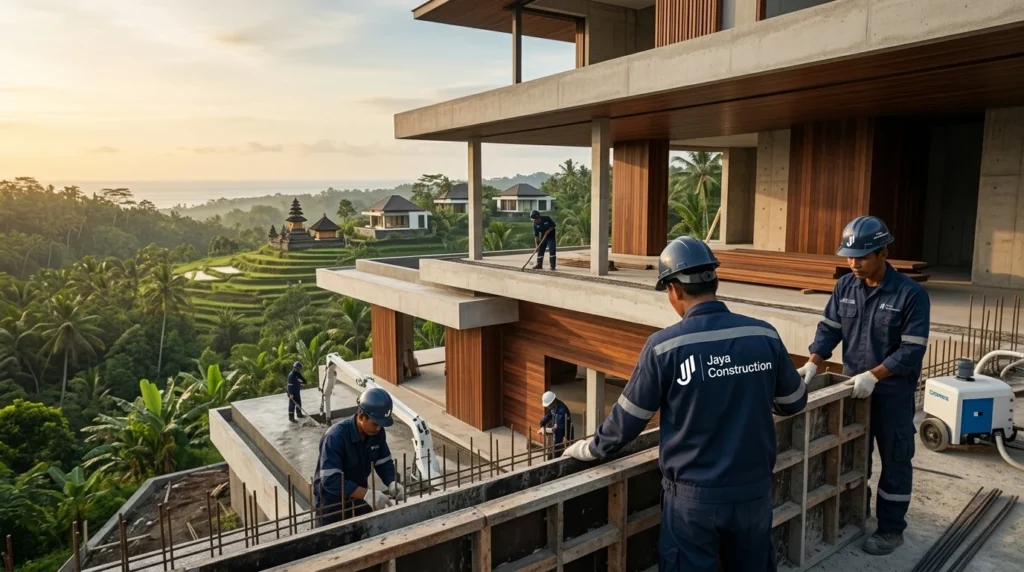
The Western concept of a rigid, minute-by-minute construction schedule is a fantasy in Bali. Delays are not a possibility; they are a certainty. Cement might not arrive for days. A ceremony might halt work. Weather can bring everything to a standstill. The key lesson is to adopt a mindset of flexible project management. Build generous buffers into your timeline—typically adding 50-100% to the initial estimate is prudent. Visit the site regularly, if not daily. Your presence is a powerful motivator and allows you to catch small misunderstandings before they become costly mistakes. Document everything with photos and written communication (even if just over WhatsApp) to create a clear record.
Your initial quote covers the structure, but the final price tag is almost always higher. The true cost of a villa is revealed in the finishes, fixtures, and the “hidden” logistical costs. Import taxes on high-quality materials from Europe or America can be staggering. Sourcing local teak, sandstone, and volcanic rock (paras) is not only more cost-effective but also supports the local economy and results in a more authentic aesthetic. Budget separately for:
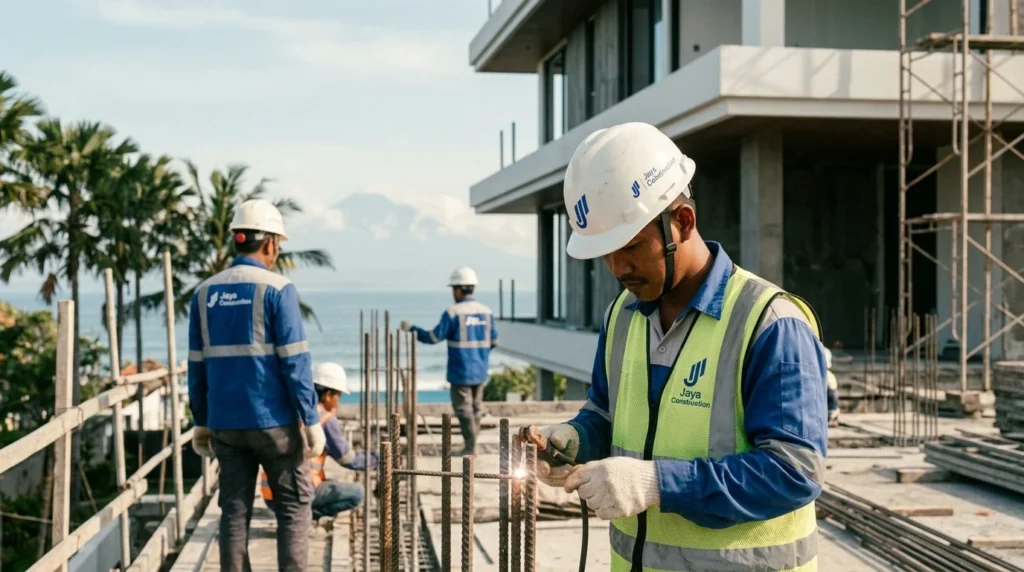
Your construction team—foreman (mandor), masons, carpenters, plumbers, and electricians—are the heart of the project. Managing them effectively requires a blend of firmness, respect, and cultural understanding. Balinese culture is non-confrontational, so direct, public criticism is counterproductive. Instead, establish clear, daily communication with your mandor, who will then relay instructions to his team. Provide regular, modest refreshments and acknowledge holidays and ceremonies. A well-fed and respected team works with greater care and loyalty. Remember, you are not just building a house; you are collaborating with skilled artisans on their home turf.
As the structure nears completion, a new set of challenges emerges.
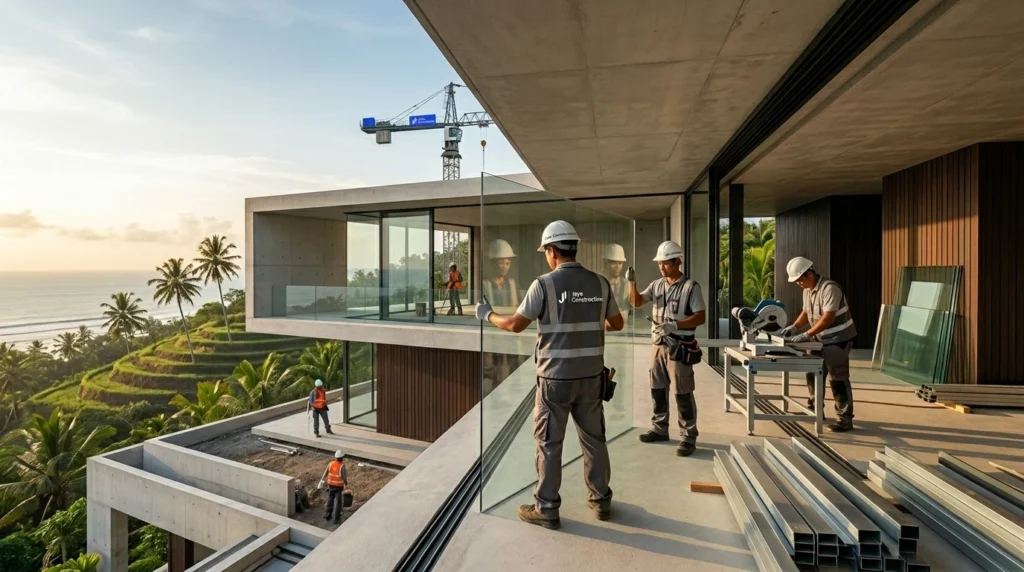
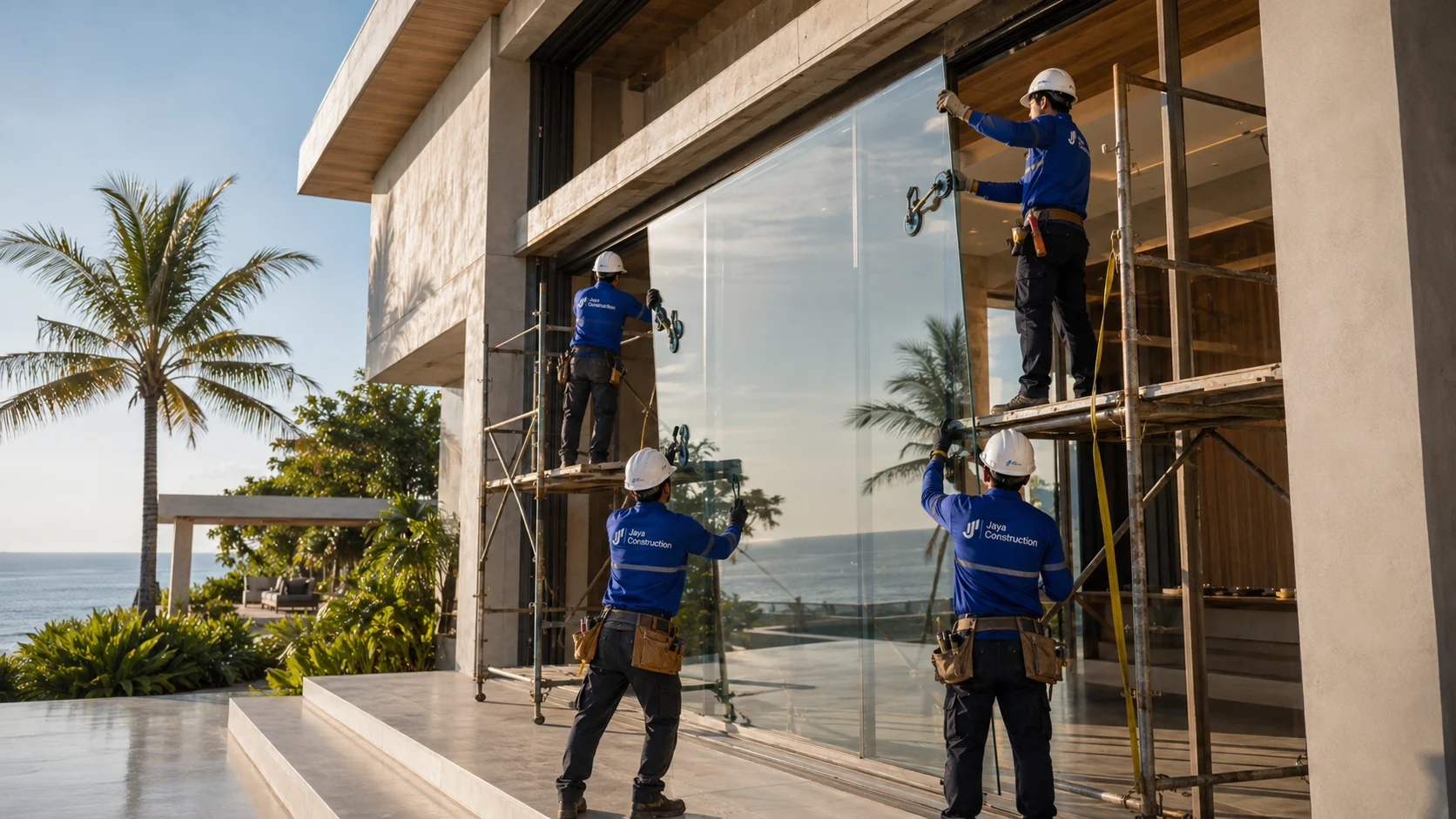
The final 10% of the project can feel like it takes 50% of the total time. This is the “punch list” phase, where you identify and rectify every imperfection—a poorly fitted window, a tile that isn’t level, a paint drip. This requires painstaking attention to detail and tenacious follow-up with your contractor. Do not make the final payment until you are satisfied that all items on the punch list have been addressed to your standard.
Operating a villa in Bali requires various permits. You will need a building permit (PBG, formerly IMB), a certificate of function (Sertifikat Laik Fungsi), and if you plan to rent it out, a rental license (TDUP) and compliance with tourism tax regulations. This process can be bewildering and slow. It is highly advisable to hire a local fixer or agency (biro jasa) who specializes in navigating these bureaucratic waters. They know the officials, the procedures, and the unspoken requirements, saving you months of frustration.
Finally, there is the profound, often overlooked, shift from seeing the site as a chaotic construction project to inhabiting it as a peaceful home. Once the workers leave, the dust settles, and the last invoice is paid, you are left with silence and space. It is in this moment that the rewards of your perseverance become tangible. The lessons learned—about patience, about cross-cultural communication, about the resilience required to see a dream through—transform from stressful necessities into empowering life skills.
Building a villa in Bali is, in many ways, a metaphor for life on the island itself: a beautiful, messy, unpredictable, and ultimately deeply rewarding experience. The finished structure is more than mortar and mahogany; it is a physical testament to your journey. The lessons extend far beyond construction logistics. You learn the value of relentless adaptability—the ability to pivot when your plans inevitably collide with reality. You learn the power of respectful integration into a community that operates on a different cultural and temporal frequency. Most importantly, you learn that the truest “luxury” in Bali is not in the infinity pool or the imported marble, but in the profound connection you forge with the land and its people through the very act of creation.
For those who undertake this path, the advice is simple: do your homework, hire experts, respect the culture, embrace the chaos, and keep your eye on the extraordinary prize. The villa you build will not only be a place to live but a lifelong teacher of some of the most valuable lessons you will ever learn.
Share your site, plans, priorities, or questions. Our team can help turn early information into a practical construction path.