The Essential Guide to Annual Building Maintenance for Bali Properties
By Jaya Construction BaliJune 16, 20267 min read
In this article
Owning property in Bali is a dream for many, but the idyllic image of tropical paradise belies a critical responsibility: rigorous and consistent building maintenance. The island’s unique combination of intense sun, heavy monsoons, high humidity, and pervasive salt air creates one of the most challenging environments for structures worldwide. For villa owners, investors, and property managers, adopting a proactive, annual maintenance schedule is not merely advisable—it is absolutely essential for preserving asset value, ensuring guest or tenant satisfaction, and preventing catastrophic, costly failures.
This guide delves into the why, what, and how of annual building maintenance for Bali properties, providing a structured blueprint to protect your investment against the relentless forces of nature.
Why Annual Maintenance is Non-Negotiable in Bali
Understanding the specific environmental stressors is the first step toward developing an effective maintenance strategy.
The Climate Assault: Bali’s climate is a relentless cycle of wet and dry that attacks buildings on all fronts. The dry season (April-October) brings intense, UV-rich sunlight that degrades paint, causes wood to warp and crack, and accelerates the wear on roofing materials. Conversely, the wet season (November-March) delivers torrential rains, often driving sideways, which test every seal, gutter, and drainage system. The resulting high humidity and constant moisture create the perfect breeding ground for mold, mildew, and rot, particularly in poorly ventilated areas.
Biological and Insect Warfare: The tropical ecosystem is vibrant and aggressive. Termites (rayap) are a pervasive threat, capable of silently destroying wooden structures from the inside out. Wood-boring beetles, fungal decay, and invasive root systems can compromise foundations and walls. Meanwhile, mold and algae are not just aesthetic issues; they indicate moisture problems that can lead to structural damage and health hazards for occupants.
The Cost of Neglect vs. Proactive Care: Many owners adopt a reactive “fix it when it breaks” approach. This is a false economy. A minor, undetected roof leak can, within one wet season, lead to rotten roof timbers, damaged ceilings, ruined interior furnishings, and dangerous electrical faults—repairs that could cost tens of thousands of dollars. Annual maintenance is a strategic investment in preventative care, where small, regular expenditures avoid catastrophic, budget-breaking emergencies.
The Comprehensive Annual Maintenance Checklist
A successful program requires a systematic, seasonal approach. The following checklist is organized by priority and timing.
Pre-Monsoon Preparation (Before October)
This is the most critical period. All efforts should focus on fortifying the property against the impending heavy rains.
Roof and Gutters:
* Inspection: Carefully check for cracked, missing, or displaced tiles or shingles. Examine all flashing (metal seals around chimneys, vents, and roof joins) for rust or separation.
* Cleaning: Remove all leaves, debris, and sediment from gutters and downspouts. Test water flow by running a hose down the roof to ensure gutters drain freely and water is channeled away from the foundation. Blocked gutters are a primary cause of water ingress and fascia board rot.
Exterior and Envelope:
* Walls and Foundations: Look for cracks in render or masonry. Pay special attention to the cokrol (plinth) at the base of walls, which is highly susceptible to rising damp and splash-back. Seal any gaps where pipes or cables penetrate walls.
* Paint and Woodwork: Assess the condition of exterior paint. Peeling or chalky paint exposes surfaces to moisture. Treat and seal any external wood elements (decks, railings, window frames) with appropriate preservatives.
Landscaping and Drainage:
* Trim trees and large shrubs away from the building to prevent physical damage and reduce debris. Clear all drainage channels, ditches, and soakaways around the property to ensure rapid water dispersion and prevent pooling near foundations.
Post-Monsoon Assessment and Deep Cleaning (After March)
Once the rains subside, conduct a thorough assessment of the damage sustained and address any issues before the dry season intensifies.
Interior Inspection:
* Check ceilings and upper walls for water stains, bubbles, or peeling paint, which indicate leaks. Inspect window and door frames for swelling or sticking, a sign of moisture absorption. Open all cabinets and closets to check for mold or musty odors.
Plumbing and Water Systems:
* Inspect all water heaters, pumps, and filtration systems. Descale pumps and check pressure settings. Flush the entire system to clear any sediment buildup. Service septic systems if applicable.
Pest Control:
* This is a critical, non-negotiable annual task. Hire a reputable, licensed pest control company to perform a comprehensive termite and wood-boring insect treatment. This should include both a soil treatment around the perimeter and a targeted treatment of all structural wood. Look for signs of active infestation: mud tubes on walls, hollow-sounding wood, or frass (insect droppings).
Core Maintenance Activities (Year-Round or Biannual)
These tasks are ongoing but are often consolidated into the annual schedule.
Electrical Safety:
* Have a certified electrician inspect the main distribution board, test all safety switches (RCDs/ELCBs), and check for any rodent damage to wiring. Faulty wiring is a major fire risk, especially during storms.
Ventilation and AC Systems:
* In Bali’s humidity, air conditioning units work overtime. Service all units: clean filters, check refrigerant levels, and ensure condensate drains are clear. Clean ceiling fans and inspect ductwork for mold. Proper ventilation is your first defense against internal dampness.
Pool and Water Features:
* Beyond weekly chemical checks, the pool shell, tiles, and surrounding deck need annual inspection for cracks, leaks, and algae penetration. Service pumps, filters, and heaters. Ensure all drainage systems for overflow and deck wash are functional.
Cultural and Aesthetic Upkeep:
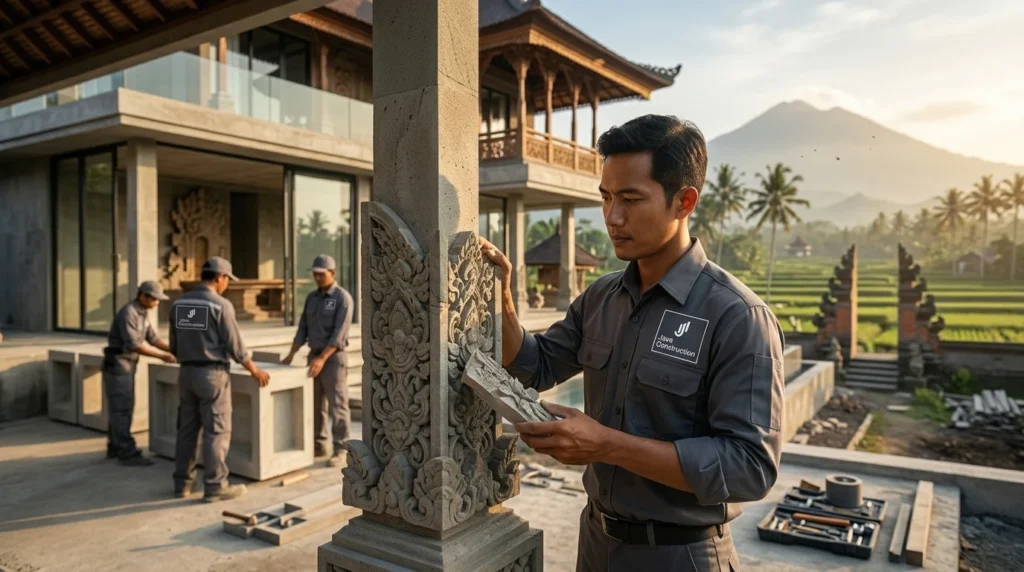
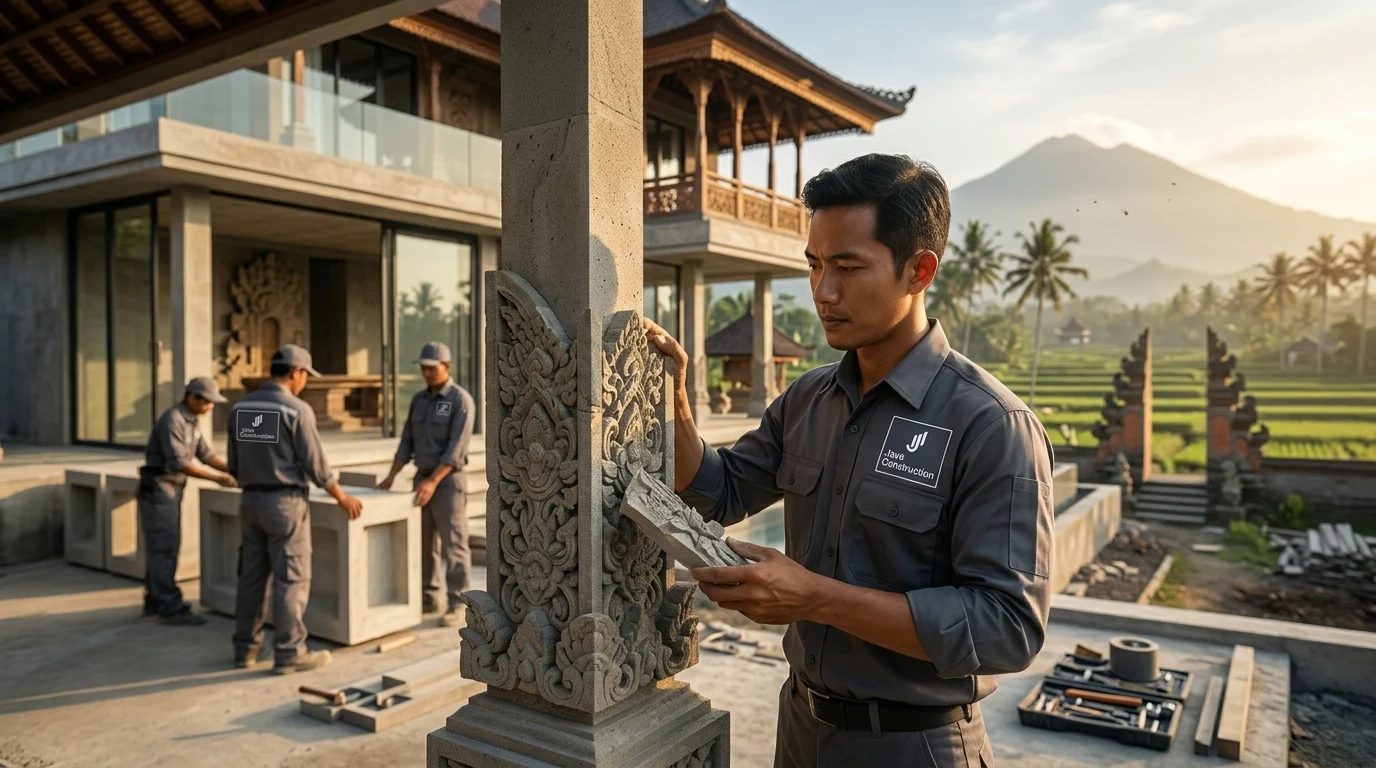
* In Bali, the spirit of a place is important. Maintain gardens and sanggah (family shrines) immaculately. Repair any stone carvings or decorative elements. A well-maintained property is not only more valuable but also more harmonious, aligning with the local philosophy of *Tri Hita Karana*—harmony with God, people, and nature.
Hiring Professionals vs. DIY: A Practical Approach
While some tasks can be handled by a diligent owner or tenant, many require specialist skills.
DIY-Friendly Tasks: Basic gutter cleaning, visual inspections, simple gardening, cleaning AC filters, and minor caulking. These are essential for a hands-on owner to stay connected to the property’s condition.
Professional Essential Services:
* Licensed Pest Control: Non-negotiable. The chemical knowledge and application techniques are specific and vital.
* Qualified Electrician: For safety and compliance. Electrical work in Bali’s damp conditions is high-risk.
* Certified Plumber/Water Specialist: For septic systems, water pumps, and complex leak detection.
* Roofing Specialist: For safe and thorough roof inspections and repairs, especially on high or complex structures.
* Contractor for Major Repairs: For structural issues, significant waterproofing, or large-scale repaints.
Building a local team is arguably your most important investment. A trusted, English-speaking property manager, a reliable builder who understands Balinese construction methods, and a certified electrician and plumber should form your core network. Personal recommendations from other long-term owners are invaluable.
Financial Planning and Documentation
Effective maintenance is also a financial discipline.
Create an Annual Maintenance Budget: As a rule of thumb, budgeting 1-2% of the property’s replacement value per year for maintenance is a prudent starting point. This fund should cover routine services, materials, and labor. A separate, smaller contingency fund (0.5-1%) should be held for unexpected emergencies.
Maintain a Detailed Log: Keep a digital and physical log of all maintenance activities. Record dates, contractors used, work performed, costs incurred, and any before/after photos. This log is crucial for tracking the property’s health, planning future work, and demonstrating diligent care to potential buyers or insurers.
Warranties and Guarantees: Keep all warranties for new installations (roofs, appliances, pools) in a safe place. Ensure any professional work carried out comes with a written guarantee.
Conclusion: Maintenance as a Philosophy of Ownership
In Bali, where nature is both the greatest asset and the most formidable adversary, annual building maintenance transcends mere upkeep. It is a philosophy of responsible stewardship. It is the tangible commitment to preserving not just bricks and mortar, but the comfort, safety, and enjoyment of all who inhabit the space.
By adopting a disciplined, seasonal, and professional approach to maintenance, you do more than just prevent decay. You ensure your property remains a safe, beautiful, and profitable asset. You respect the Balinese environment by working in harmony with its cycles rather than against them. Ultimately, you transform your property from a passive investment into a resilient, living space that can be enjoyed for generations to come. The peace of mind that comes from knowing your villa is secure against the coming monsoon is, in itself, an invaluable return on your annual maintenance investment.
 By Jaya Construction Bali June 16, 2026
7 min read
By Jaya Construction Bali June 16, 2026
7 min read