How to Develop a Small Villa Complex in Bali: A Comprehensive Guide
By Jaya Construction BaliJune 16, 20266 min read
In this article
Bali, the Island of the Gods, has long captivated the world with its stunning landscapes, rich culture, and spiritual ambiance. For entrepreneurs and investors, this allure translates into a booming hospitality market, particularly in the luxury villa sector. Developing a small villa complex—a boutique collection of private, high-end rental properties—presents a compelling opportunity. It offers a more intimate, profitable, and manageable alternative to large-scale hotel development. However, navigating this venture requires meticulous planning, deep cultural understanding, and strategic execution. This guide walks you through the essential phases of turning your Balinese villa complex dream into a successful reality.
Introduction: The Balinese Opportunity
The demand for private villa accommodation in Bali has surged, driven by travelers seeking privacy, personalized service, and authentic local experiences. A small complex, typically ranging from 2 to 10 villas, allows developers to capitalize on this trend while maintaining high quality and a unique guest experience. Unlike a single property, a complex offers economies of scale in management and marketing. Unlike a large resort, it preserves exclusivity and charm. However, success is not guaranteed. It hinges on a professional approach that respects local laws, prioritizes sustainable design, and aligns with the island’s unique cultural fabric. This article provides a structured roadmap, covering everything from initial legal due diligence to final operational launch.
Phase 1: Preliminary Research & Legal Framework
This foundational phase is the most critical. Mistakes here can lead to costly delays, legal disputes, or project failure.
Market Analysis and Location Strategy
Before any purchase, conduct thorough market research. Analyze the saturated areas like Seminyak and Canggu versus emerging markets in Sidemen or Amed. Study your target demographic: are you aiming for honeymooners, families, or wellness tourists? Your location must align with this niche. Proximity to beaches, rice paddies, or cultural sites dictates appeal. Investigate infrastructure—reliable water, electricity, and road access are non-negotiable. Engaging a reputable local real estate consultant is invaluable for on-the-ground insights that online research cannot provide.
Understanding Land Ownership and Legal Structures
This is the most complex aspect for foreign investors. Indonesian law restricts direct land ownership (Hak Milik) by foreigners. The most common and secure method for a villa business is to acquire long-term leasehold rights (Hak Sewa) or a right-to-build (Hak Guna Bangunan or HGB) title. Typically, this involves a lease agreement of 25-30 years with options to extend.
Your business must operate through a foreign-owned limited liability company (PT PMA). This entity allows you to obtain the necessary business licenses (NIB), lease land, and legally operate. The PT PMA can hold the HGB title. The entire process involves notaries, land offices, and investment coordinating boards. Hiring a trusted, independent Indonesian lawyer with experience in property and foreign investment is absolutely essential to structure agreements, perform due diligence on land certificates, and ensure compliance.
Feasibility Study and Financial Planning
Develop a comprehensive business plan. This includes:
Capital Expenditure (CAPEX): Land lease, construction, design, permits, furnishings, and landscaping.
Revenue Projections: Based on seasonal occupancy rates, average daily rates (ADR), and revenue per available room (RevPAR).
Return on Investment (ROI) Timeline: Typically, a well-managed villa complex in a good location can expect a ROI period of 4-6 years.
Secure financing. While some investors use personal capital, others seek local or international partners. A solid feasibility study is your tool for attracting investment.
Phase 2: Design, Permitting, and Construction
With legal and financial groundwork laid, the project moves into its creative and physical phase.
The Architectural and Design Concept
Your design is a core selling point. It should blend contemporary luxury with Balinese aesthetics. Key principles include:
Harmony with Nature (Tri Hita Karana): Incorporate open-air living spaces, tropical gardens, water features, and use natural materials like stone, wood, and thatch.
Private Sanctuaries: Each villa must be a self-contained haven with private pools and outdoor areas, carefully oriented to ensure guest privacy.
Sustainable Features: Integrate solar panels, rainwater harvesting systems, and natural ventilation. Sustainability is not just ethical; it’s a marketable asset that reduces long-term OPEX.
Work with an architect who understands Balinese spatial planning (Asta Kosala Kosali) and modern building codes. The design must also consider practical aspects like service areas, staff movement, and future maintenance.
Navigating the Permitting Process (IMB)
Obtaining a building permit (Izin Mendirikan Bangunan or IMB, now part of the broader PBG system) is a multi-step bureaucratic process. Your architect and legal team will manage this. It requires detailed architectural drawings, environmental impact assessments, and alignment with local zoning laws (Rencana Tata Ruang). The permit dictates building height, density, and setbacks. Patience and professional management are vital here.
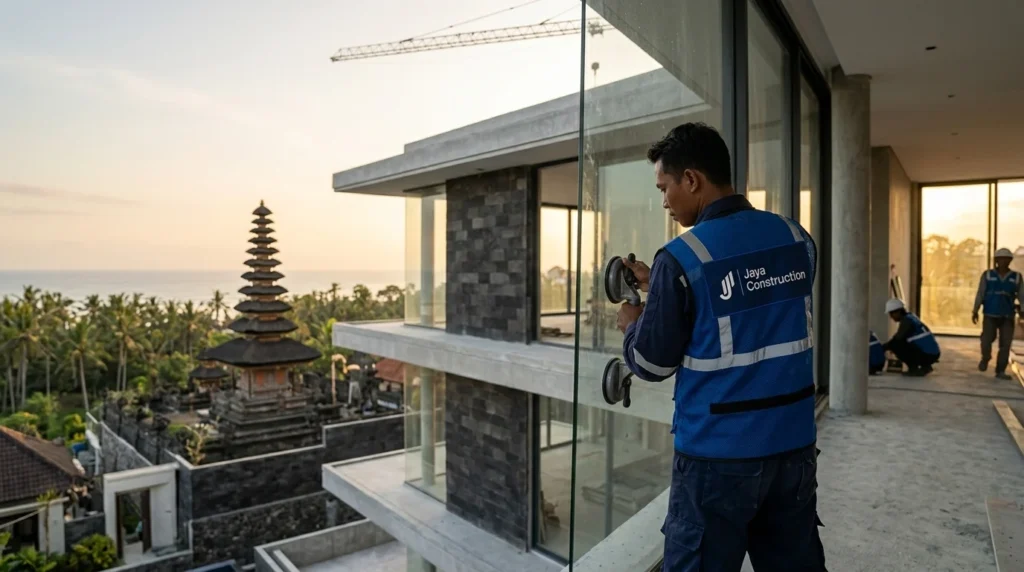
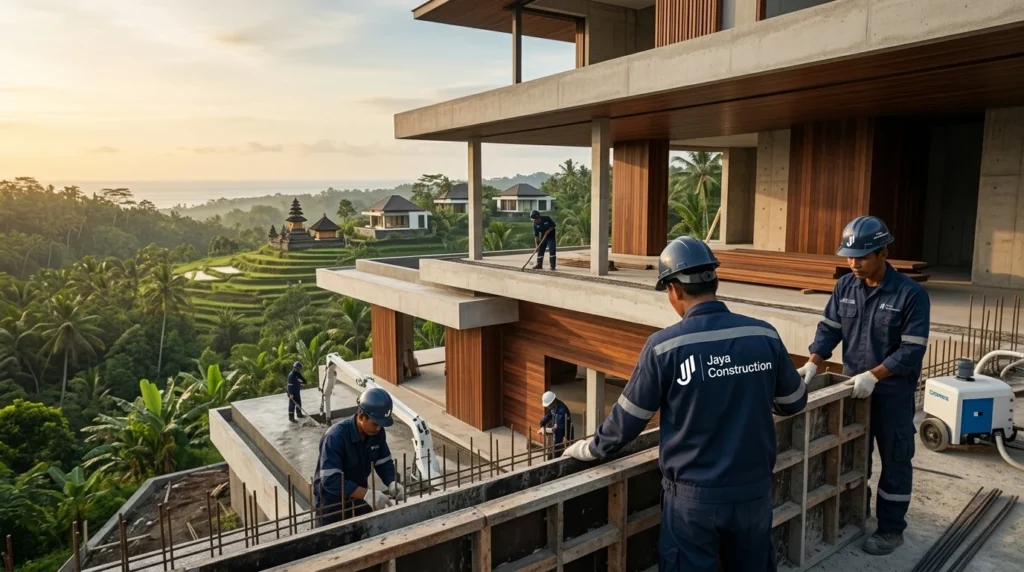
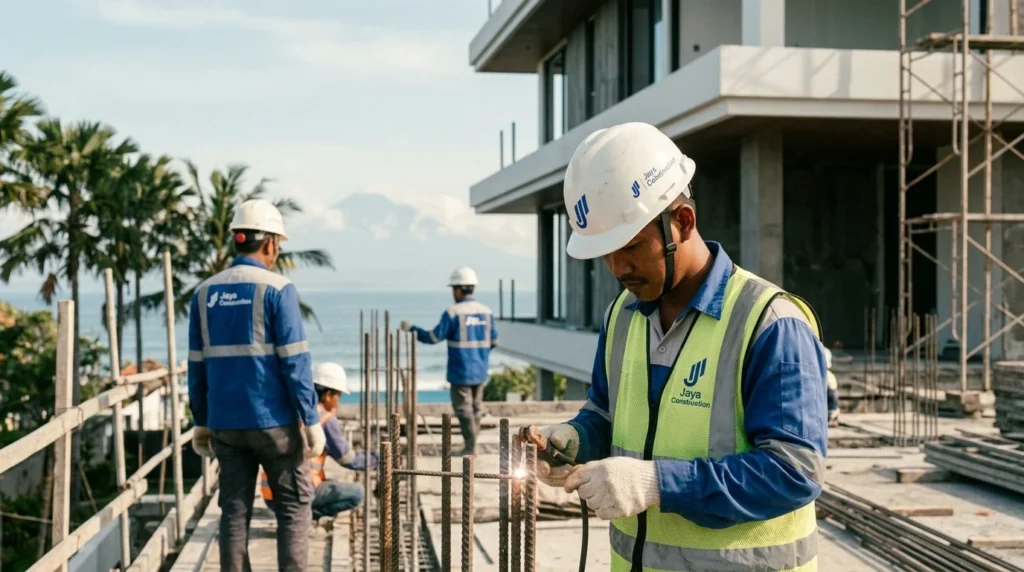
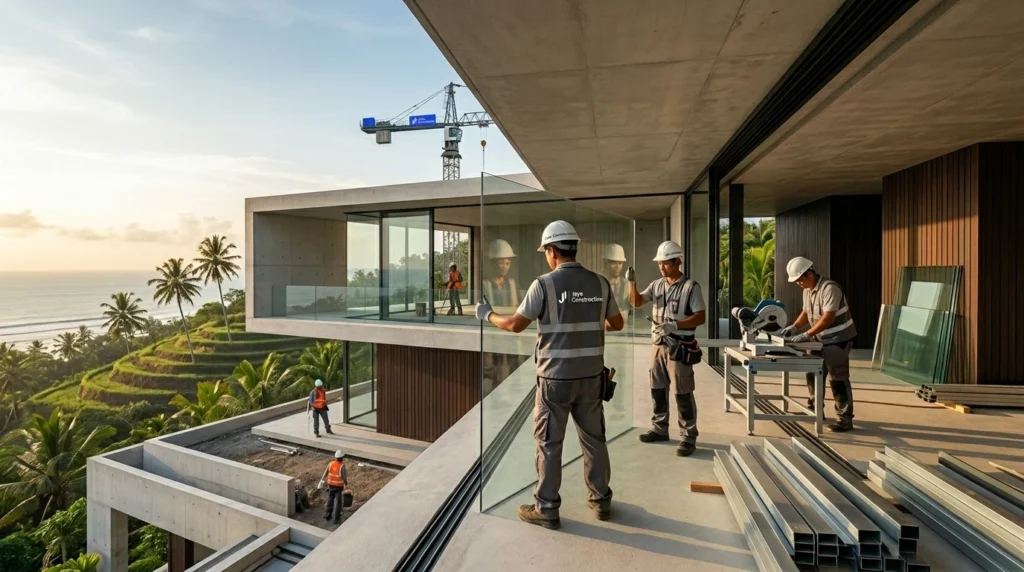
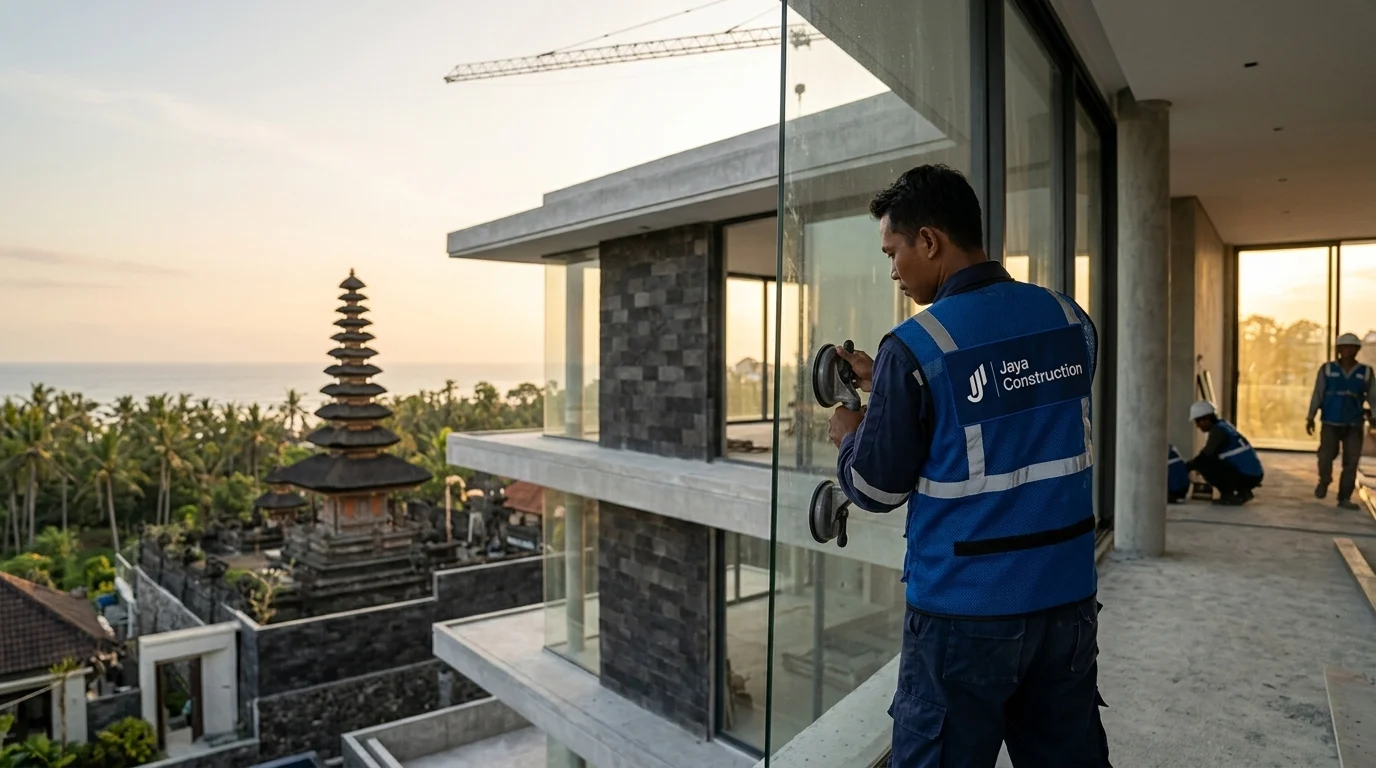
Construction and Project Management
Hire a reputable construction contractor with a proven portfolio of villa projects in Bali. Critical considerations include:
Contract Type: Use a fixed-price contract to avoid cost overruns.
Supervision: Employ an independent project manager or site supervisor to monitor quality, timeline, and budgets. This person acts as your eyes and ears on the ground.
Material Sourcing: Balance quality, cost, and availability. The “Bali price” for materials can vary, so having local expertise prevents overcharging.
Timeline: A typical 4-villa complex can take 12-18 months from breaking ground to completion. Account for rainy seasons and potential delays.
Phase 3: Operations, Marketing, and Launch
The construction finish line is just the beginning. The operational phase determines profitability and reputation.
Assembling Your Team and Operational Infrastructure
Your staff are your greatest asset. Key hires include:
Villa Manager: Oversees daily operations, guest relations, and staff.
Marketing and Reservations Manager: Drives bookings and manages online travel agency (OTA) listings.
Housekeeping and Maintenance Teams: Ensure pristine property condition.
Spa Therapists and Chefs: If offering in-house services.
Establish robust operational systems for bookings, check-in/check-out, housekeeping schedules, and financial accounting. Utilize professional property management software.
Building a Brand and Marketing Strategy
In a crowded market, a strong brand identity is crucial. Develop a compelling narrative around your complex—whether it’s focused on wellness, cultural immersion, or architectural design. Your marketing toolkit should include:
A Stunning, Functional Website: With professional photography, virtual tours, and direct booking capability.
Dynamic Social Media Presence: On Instagram, Facebook, and Pinterest to showcase the lifestyle.
Partnerships with OTAs: Like Booking.com and Agoda, but manage them strategically to avoid over-reliance and high commissions.
Public Relations: Targeted outreach to travel bloggers, influencers, and niche publications.
Financial Management and Sustainability
Implement rigorous financial controls. Monitor key performance indicators (KPIs) like occupancy rate, ADR, and guest satisfaction scores daily. Manage cash flow carefully, accounting for the seasonality of Balinese tourism. Uphold corporate social responsibility: hire locally, source from local suppliers, support community projects, and implement eco-friendly practices. This strengthens your brand and fosters positive community relations, which is critical for long-term operational harmony.
Conclusion: A Rewarding Yet Demanding Endeavor
Developing a small villa complex in Bali is a sophisticated venture that blends investment, creativity, and cultural stewardship. The journey from concept to successful operation is demanding, filled with regulatory hurdles and the need for constant adaptation. However, the rewards are substantial: a profitable business in paradise, the joy of creating beautiful spaces, and the privilege of introducing guests to the magic of Bali.
Success ultimately rests on three pillars: meticulous legal and financial preparation, culturally intelligent design and execution, and professional, guest-centric operations. By respecting the local laws, investing in quality at every stage, and building a dedicated team, your villa complex can become not just a commercial success, but a cherished destination that honors the spirit of Bali. Begin with patience, partner with the right experts, and your vision of a Balinese villa haven can absolutely become a thriving reality.
 By Jaya Construction Bali June 16, 2026
6 min read
By Jaya Construction Bali June 16, 2026
6 min read