Building a Bar or Lounge in Bali: A Comprehensive Guide to Navigating Paradise
By Jaya Construction BaliOctober 28, 20267 min read
In this article
Bali, the Island of the Gods, is more than just a tropical paradise for tourists; it’s a vibrant, ever-evolving hub for entrepreneurs, particularly in the hospitality sector. The allure of opening a bar or lounge here—where the sun sets over the Indian Ocean, the culture is rich, and the international crowd is endless—is undeniable. However, transforming this dream into a sustainable, profitable reality requires navigating a complex landscape of local regulations, cultural nuances, and fierce competition. This guide provides a thorough roadmap for aspiring bar owners, covering every critical step from initial concept to grand opening and beyond.
The Allure and the Reality: Understanding the Bali Market
Before signing a lease or finalizing a cocktail menu, a deep dive into the Balinese market is essential. Bali’s demographic is not monolithic; it consists of distinct areas with different clientele. Seminyak and Petitenget are known for upscale beach clubs and sophisticated cocktail lounges catering to a well-heeled crowd. Canggu has a more relaxed, surfer-yoga-digital nomad vibe with a strong demand for coworking-friendly cafes by day and lively bars by night. Ubud offers a more cultural, wellness-oriented audience, where venues might focus on organic ingredients and tranquil atmospheres. Meanwhile, Kuta and Legian remain high-volume tourist hotspots.
The competition is intense. You are not just competing with other bars but with world-class establishments, hotel lounges, and the simple pleasure of a Bintang on the beach. Your unique selling proposition (USP) must be crystal clear. Are you a speakeasy with a hidden entrance? A rooftop bar with panoramic rice paddy views? A live music venue focusing on local Indonesian talent? A sound location strategy aligned with your target concept is the first non-negotiable step.
Furthermore, understanding the seasonality of tourism is crucial. High season (July-August, December-January) can see occupancy and spending soar, while the low season (February-June, September-November) tests your business model’s resilience. Successful operators plan their cash flow and marketing campaigns around these cycles.
The Legal Labyrinth: Licenses, Permits, and Regulations
The most critical and often most challenging phase of building a bar in Bali is navigating the legal framework. Indonesia has stringent foreign ownership laws, and the hospitality sector is heavily regulated.
Business Entity and Ownership: A foreigner cannot own a bar outright in their name. The most common structure is to establish a Perseroan Terbatas Penanaman Modal Asing (PT PMA), a limited liability company with foreign investment. This requires a local partner (nominee) to hold the majority of shares (typically 51%) in certain sectors, though bar/restaurant ownership can sometimes allow for higher foreign ownership under specific conditions. Engaging a reputable local lawyer and a notary is not an expense; it’s an absolute necessity to protect your investment.
The “IMB” and Zoning: You need an Izin Mendirikan Bangunan (IMB), a building permit that confirms the structure is safe and compliant. More importantly, you must secure an Izin Lokasi or zoning permit that confirms your chosen location is designated for commercial use, specifically food and beverage. Attempting to operate in a residential or religious zoning area is a recipe for swift closure by authorities.
The Holy Grail: The Liquor License (HAR): The Hak Atas Reklame is the license to sell alcohol. It is expensive, complex to obtain, and subject to quotas. It must be renewed annually and is often the biggest hurdle. The cost can run into the tens of thousands of dollars, and delays of six months to a year are common. Your lawyer must handle this application process.
Other Essential Permits: You will also need a business license (Izin Usaha), a tourism business registration (TDUP), environmental management permits, and regular health and hygiene certificates. Failure to display any of these can result in fines or temporary closure.
The Blueprint: Location, Design, and Construction
With legal frameworks in place, you can focus on the physical creation of your space.
Finding the Right Space:
Negotiate a lease carefully. Standard terms are 5-10 years with an upfront deposit (often 1-2 years’ rent paid in advance). Ensure the lease explicitly allows for bar/nightclub operations. Conduct a thorough check on the land and building certificate (Sertifikat Hak Guna Bangunan – SHGB) to avoid disputes with the landowner.
Designing for Atmosphere and Function:
Your design must be Instagram-worthy to attract the modern traveler, but also functional for staff. Consider:
Flow: The layout should facilitate smooth movement from entrance to seating to the bar and bathrooms.
Acoustics: In a party-centric venue, sound containment is vital to avoid complaints from neighbors.
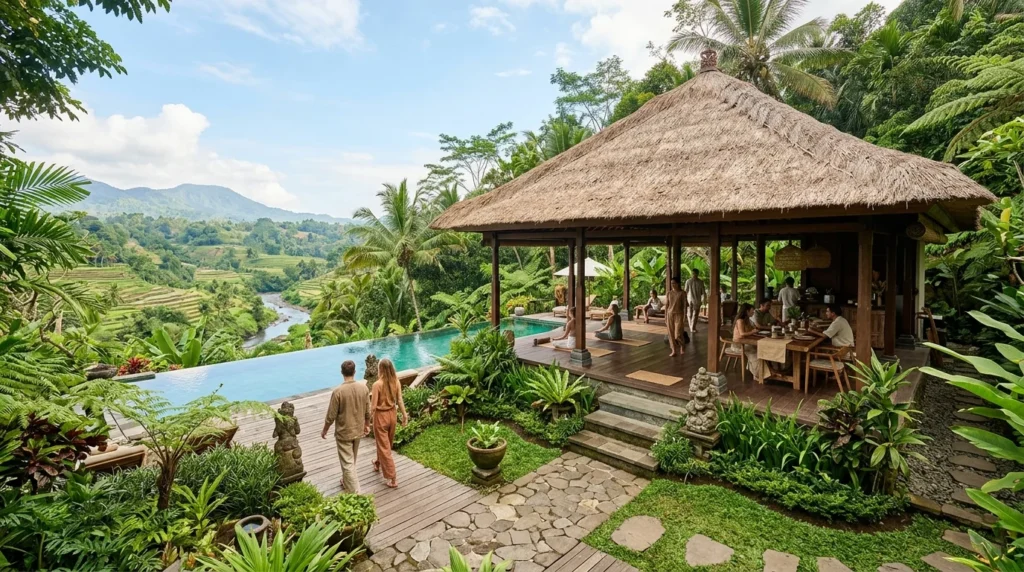
Ventilation: Bali is hot. Open-air designs are popular, but good airflow and strategic use of fans or discreet air-conditioning are key.
Materials: Use durable, easy-to-clean materials that can withstand humidity and a high volume of guests.
Navigating Construction:
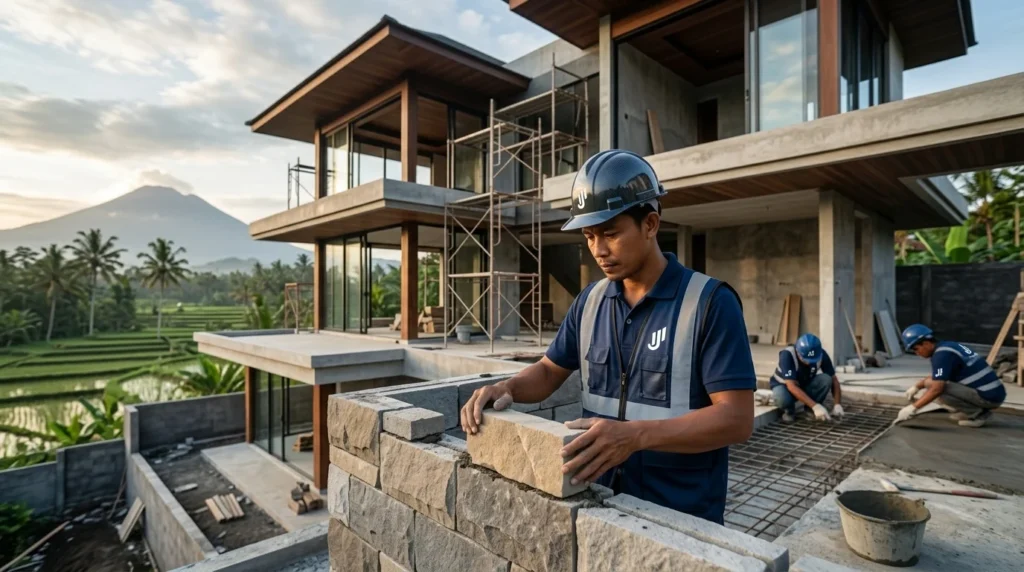
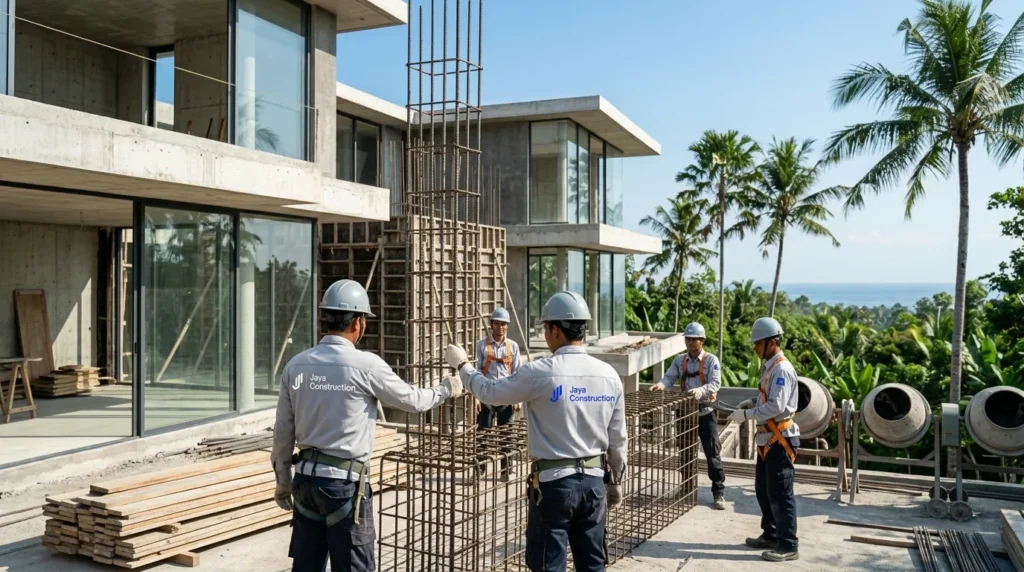
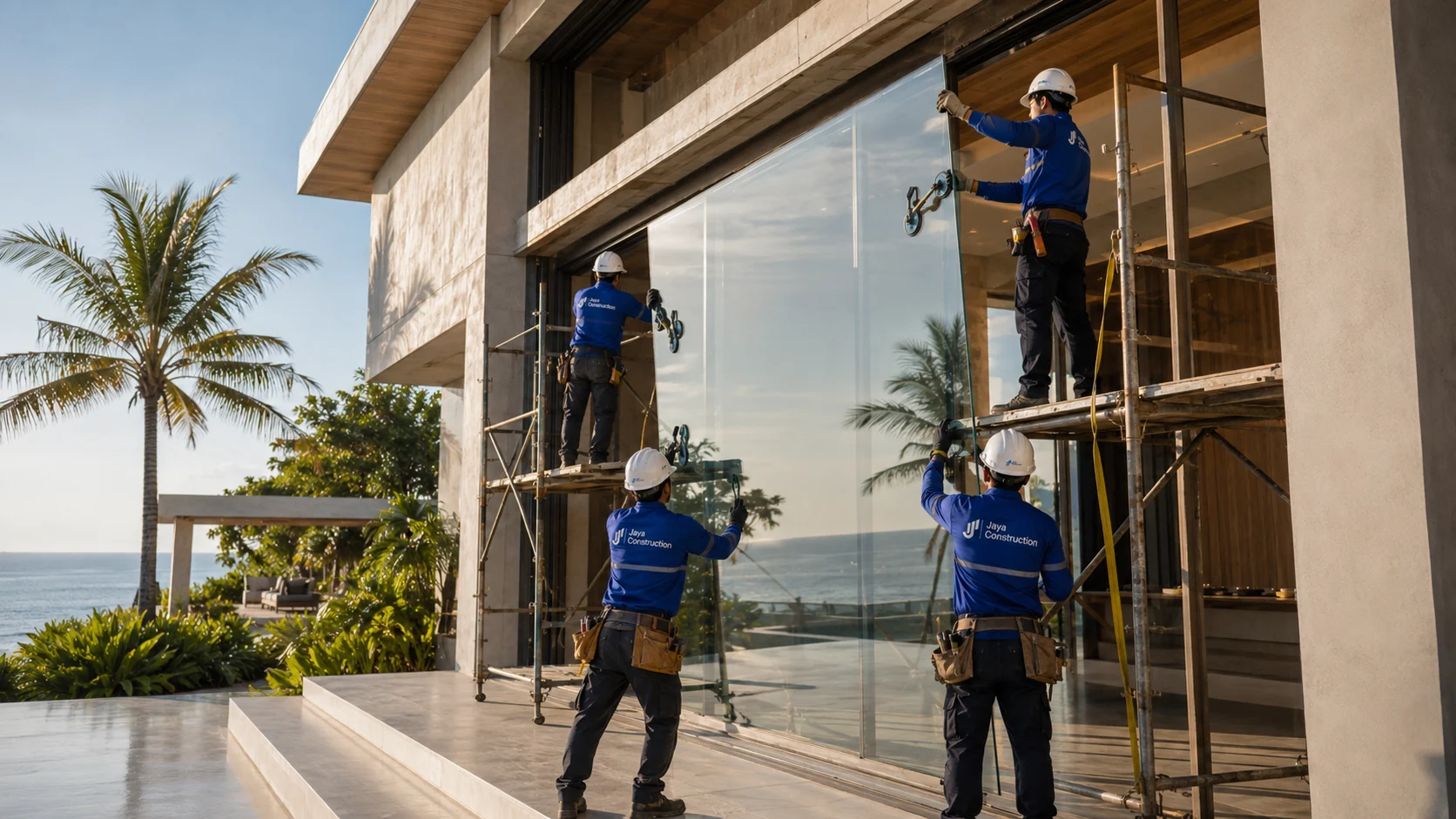
Hiring a local contractor with experience in hospitality projects is essential. Understand that timelines are fluid. Budget for at least a 20-30% contingency fund, as material costs and labor delays are common. All construction must adhere to the plans approved in your IMB.
Crafting the Experience: Menu, Staffing, and Service
The soul of your bar is the experience you provide.
Developing a Compelling Menu:
Your menu is a core part of your brand. Balance between offering familiar favorites and unique signatures. Use local ingredients—Arak (a local spirit), tropical fruits, Balinese spices—to create a distinctive identity. Pricing must be competitive but reflective of your venue’s positioning and quality. Don’t forget a solid food menu; it increases average spend per customer and can be a significant revenue driver.
Building a Team:
Staff are your most important asset. Balinese people are renowned for their hospitality, but targeted training is needed. Your head bartender should be skilled in mixology and cost control. All staff should undergo training in customer service, product knowledge, responsible alcohol service (RSA), and basic health and safety. Clear management structures, fair wages, and a positive work culture are crucial for staff retention in a competitive market.
Operational Systems:
Implement a robust Point of Sale (POS) system to track sales, inventory, and staff performance. Establish strict inventory management to minimize waste and theft. Create standard operating procedures (SOPs) for opening, closing, and handling common situations.
Marketing and Launch: Creating the Buzz
In Bali’s saturated market, “if you build it, they will come” does not apply. A strategic marketing plan is essential.
Pre-Launch:
Build anticipation months in advance. Use Instagram and TikTok to share behind-the-scenes construction snippets, introduce your team, and tease your menu and vibe. Collaborate with local influencers and travel bloggers for soft launches and reviews.
Grand Opening:
Make it an event. Invite press, influencers, industry figures, and potential partners. Offer special promotions to encourage word-of-mouth.
Ongoing Marketing:
Maintain a vibrant social media presence. Utilize Instagram for visual storytelling—sunsets, cocktails, happy crowds. List your venue on TripAdvisor, Google My Business, and local guides. Consider partnerships with hotels, villas, and tour operators for referral commissions. Implement loyalty programs and host regular events (DJ nights, live acoustic sessions, themed parties) to keep the calendar fresh.
Sustainability and Community: The Balinese Way
Operating successfully in Bali means being a responsible member of the community.
Environmental Impact: Implement sustainable practices. Reduce single-use plastics (use metal straws, glassware), manage waste responsibly, and conserve water and energy. This is not only ethical but increasingly expected by discerning customers.
Cultural Respect: Acknowledge and respect Balinese Hindu traditions. Observe the island-wide Nyepi (Day of Silence) by closing your venue. Be sensitive to temple ceremonies that may occur in your vicinity. Deep immersion in the local ecosystem—supporting local suppliers, employing from the community, and giving back—is what separates a fleeting business from an enduring institution.
Community Relations: Maintain a good relationship with your Banjar (local community council). They are influential and can either be your ally or your obstacle.
Conclusion: The Rewarding Challenge
Building a bar or lounge in Bali is a journey of passion, patience, and pragmatism. It is a venture that offers incredible rewards—the chance to create a magical space in a beautiful setting, to connect with people from around the world, and to build a life in a tropical haven. However, it is not a shortcut to easy profits. The path is fraught with bureaucratic hurdles, financial risks, and operational challenges.
Success hinges on meticulous preparation, unwavering respect for local laws and culture, a unique and well-executed concept, and relentless marketing. By investing in the right legal advice, designing a functional and atmospheric space, curating a memorable guest experience, and engaging responsibly with the island, you can turn the dream of a Balinese bar into a thriving, sustainable business. Embrace the process, respect the island, and your venue can become not just a place to grab a drink, but a beloved landmark in Bali’s legendary hospitality landscape.
 By Jaya Construction Bali October 28, 2026
7 min read