A Strategic Guide to Establishing a Medical Clinic or Practice in Bali
By Jaya Construction BaliOctober 10, 20267 min read
In this article
The Island of the Gods, renowned for its breathtaking landscapes, spiritual culture, and thriving tourism industry, is increasingly drawing attention for a different reason: the growth of its healthcare sector. While Bali has long been a destination for wellness retreats, the establishment of formal, licensed medical clinics and practices represents a significant evolution. For healthcare professionals, entrepreneurs, and investors, building a medical clinic in Bali presents a unique opportunity at the intersection of high demand, a growing expatriate and affluent tourist population, and the development of medical tourism. However, this venture is not as straightforward as opening a business in many Western countries. It requires navigating a complex regulatory environment, understanding deep cultural nuances, and meticulously planning every aspect from location to patient experience. This guide provides a comprehensive roadmap for successfully establishing a medical clinic or practice in Bali, transforming a visionary idea into a compliant and thriving healthcare facility.
Understanding the Regulatory and Legal Landscape
The foundational step, and arguably the most critical, is navigating Indonesia’s stringent regulatory framework for healthcare. The process is overseen by the Ministry of Health (Kemenkes) and the local Dinas Kesehatan (Provincial Health Office). Foreigners cannot own a clinic outright; instead, you must establish a foreign investment company (Penanaman Modal Asing or PMA). This PMA must be structured with a specific business license (Izin Usaha) in the healthcare sector.
The central requirement is obtaining a Izin Operasional (Operational License). This is not a single document but a culmination of multiple permits and standards. The clinic itself must adhere to strict architectural and safety standards, often requiring detailed blueprints for approval. Furthermore, every medical practitioner, whether foreign or local, must hold a Surat Tanda Registrasi (STR) and a Surat Izin Praktik (SIP) issued by the Indonesian Medical Council (KKI). For foreign doctors, the process is particularly arduous, often requiring recognition of their qualifications and passing local competency assessments. Engaging a reputable local legal consultant with specific experience in healthcare licensing is not just advisable—it is essential for navigating this bureaucratic labyrinth without costly delays or missteps.
Defining Your Clinic’s Vision and Niche
Before finalizing any legal paperwork, a clear business and medical vision must be established. Bali’s market has specific demands. You must ask: Who is your primary clientele? Is it targeting high-end tourists, long-term expatriates, the local Balinese population, or a mix? Your answer will dictate your entire operational model.
A niche strategy is often the most successful. Consider specializing in:
Medical Tourism Services: Combining a holiday with procedures like cosmetic surgery, dental care, fertility treatments, or orthopedic check-ups. This requires partnerships with hotels, travel agencies, and a robust international marketing strategy.
Premium Primary & Emergency Care for Expatriates: Providing English-speaking doctors, international treatment protocols, and guaranteed 24/7 service for the growing community of foreign residents.
Specialized Holistic and Integrative Medicine: Blending evidence-based Western medicine with traditional Balinese healing and wellness practices, capitalizing on the island’s spiritual reputation.
Niche Specialist Care: Focusing on dermatology, sports medicine (catering to surfers and athletes), or pediatric care for families.
This strategic focus will inform everything from the required medical equipment and specialist hiring to your clinic’s interior design and marketing language.
Location, Infrastructure, and Design
Choosing the right location is a multifaceted decision involving visibility, accessibility, and infrastructure. The most common areas are:
Seminyak/Kuta/Denpasar: High tourist traffic, good infrastructure, but also high competition and rental costs.
Canggu/Ubud: Popular with digital nomads and health-conscious expatriates; requires ensuring reliable transport links.
Sanur/Nusa Dua: Established expatriate and resort communities with steady demand.
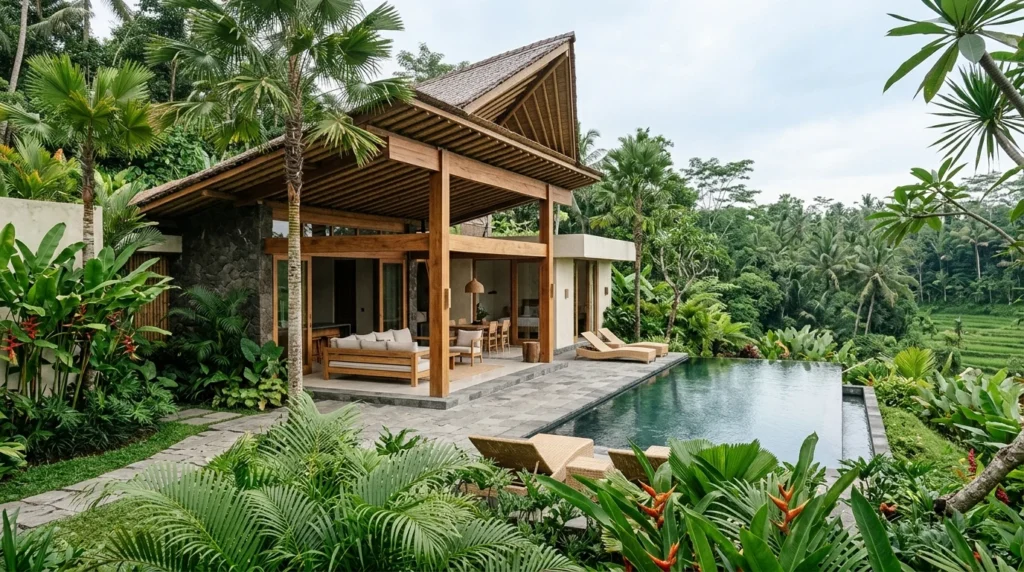
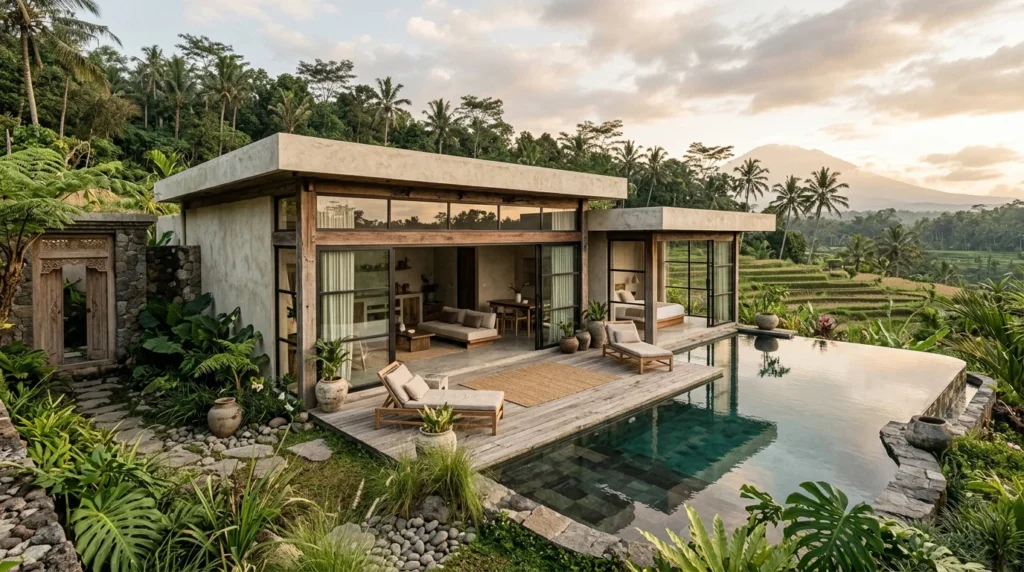
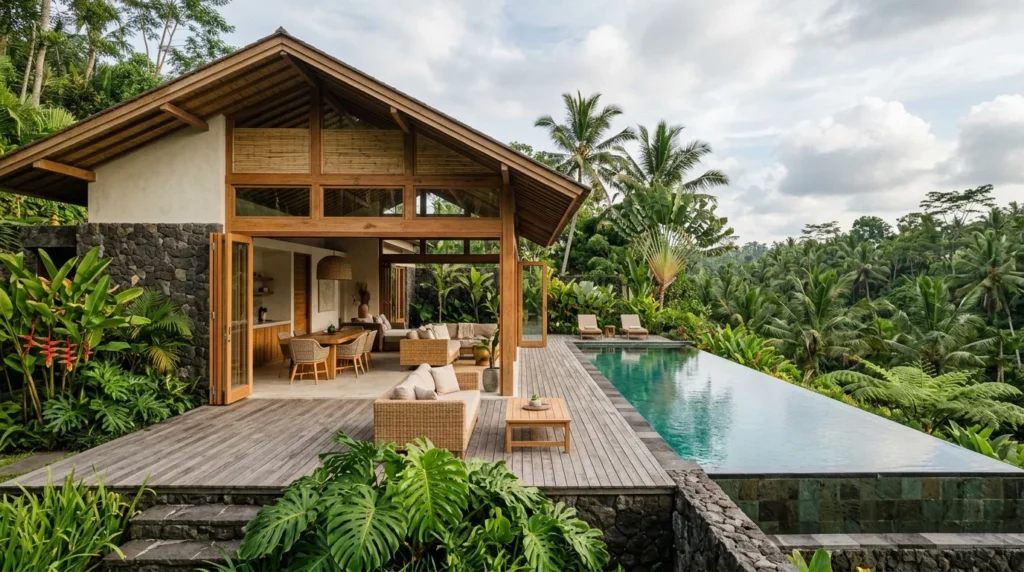
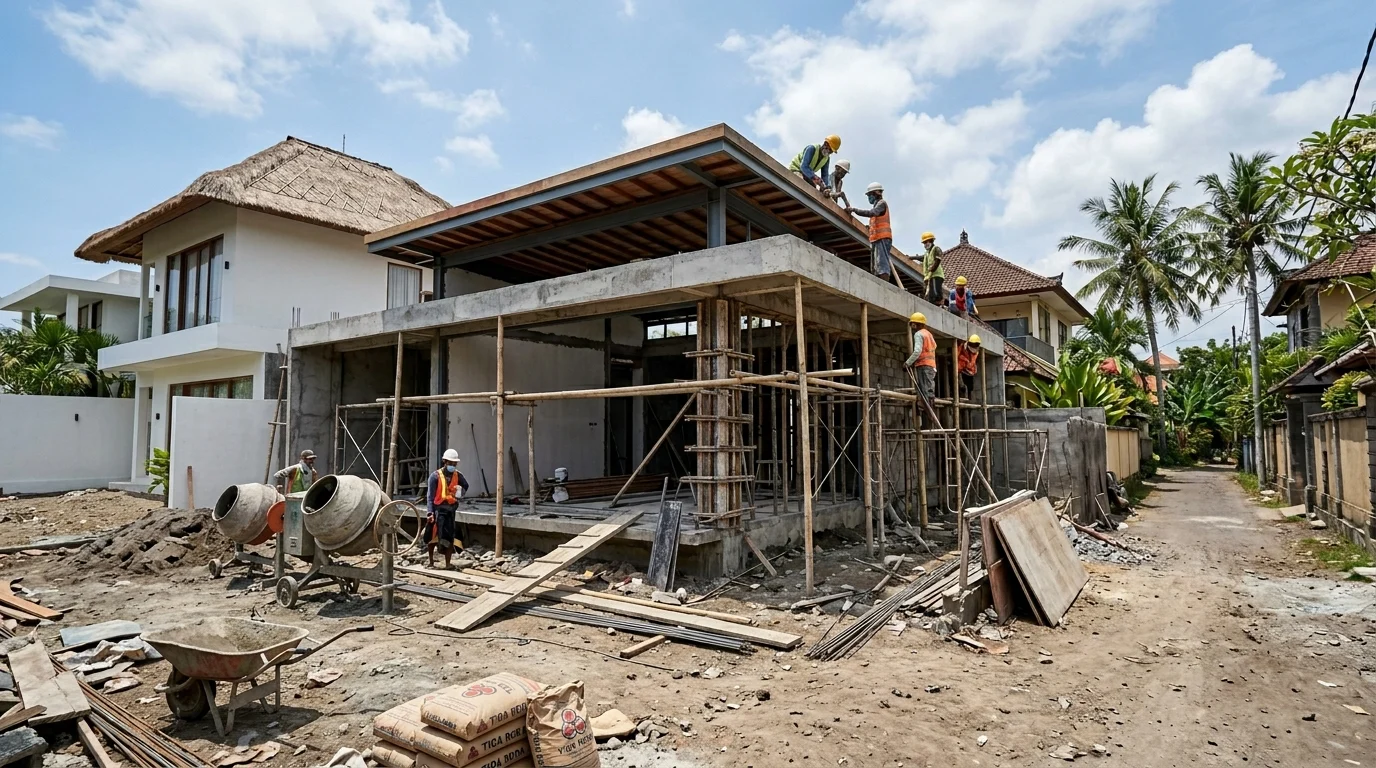
The physical building must meet national health service standards (Standar Pelayanan Kesehatan). This includes specific requirements for patient flow, separation of clean and contaminated areas, emergency exits, and ventilation. Electrical and water supply must be highly reliable; a backup generator and water purification system are non-negotiable investments given the island’s occasional utility challenges. The design should balance professional medical aesthetics with a calming, patient-friendly atmosphere that reduces anxiety. Integrating natural light, greenery, and Balinese architectural elements can create a healing environment that is both compliant and culturally resonant.
Building Your Team: The Human Resource Challenge
A clinic is only as good as its team. Staffing in Bali presents unique challenges and opportunities. While there is a pool of qualified local nurses, midwives, and medical staff, finding and retaining highly specialized physicians or technicians can be difficult. Compensation packages need to be competitive not only with local hospitals but also with the broader, more lucrative private sector.
For foreign medical professionals, the licensing process (as mentioned) is lengthy. Often, the more pragmatic approach is to hire expatriate doctors who are already licensed and working in Indonesia, perhaps from Jakarta or Surabaya, while simultaneously developing local talent. For non-medical staff (administrators, receptionists, community liaisons), fluency in English and Bahasa Indonesia is vital. Cultural sensitivity training is crucial for all staff, as the approach to patient communication, privacy, and decision-making can differ significantly from Western norms. Investing in continuous training for your team is key to maintaining international service standards.
Operations, Equipment, and Supply Chains
Setting up daily operations requires careful planning. You need robust clinic management software for appointments, electronic medical records (EMR), and billing. Billing practices must be transparent, catering to direct pay patients (common with tourists) and establishing relationships with international health insurance companies popular among expatriates (like Allianz, Cigna, or APRIL).
Medical equipment procurement is a major capital expenditure. Importing high-quality medical devices involves navigating customs, potential import duties, and ensuring you have certified technicians for installation and maintenance. Establishing a reliable supply chain for pharmaceuticals and consumables is another critical task. While many drugs are available locally, some specialized medicines may need to be imported, requiring permits from the Badan Pengawas Obat dan Makanan (BPOM). Forming partnerships with reputable local distributors is essential.
Marketing and Building Trust
Marketing a medical clinic in Bali requires a dual approach: digital outreach and community trust-building. A professional, multilingual website is your global storefront, detailing services, doctor profiles, and transparent pricing. Search Engine Optimization (SEO) for terms like “clinic in Bali” or “English doctor Bali” is crucial. Social media should showcase the facility, patient testimonials (with consent), and health education content.
However, beyond digital, integrating into the community is paramount. Hosting health seminars, offering corporate health packages for local businesses, and building relationships with hotels, villas, and insurance brokers are powerful strategies. In a society where word-of-mouth carries immense weight, providing exceptional, compassionate care will be your most effective marketing tool.
Financial Planning and Sustainability
The financial model must account for high initial setup costs (legal, construction, equipment) and potentially slower revenue ramp-up periods. Pricing strategy is delicate; it must be competitive with Jakarta-based private hospitals yet reflect the quality and convenience offered. Developing revenue streams beyond direct consultation—such as health check-up packages, corporate services, wellness programs, and telemedicine follow-ups for international patients—can enhance stability.
Understanding the local economic context is also important. While there is a segment of the population with high purchasing power, balancing your services to include affordable options for the local community (perhaps through separate wings or time slots) can build tremendous goodwill and long-term patient loyalty.
Conclusion: A Journey of Compliance and Cultural Integration
Building a medical clinic in Bali is a complex but potentially rewarding endeavor that merges healthcare expertise with entrepreneurial spirit. The path is defined by rigorous adherence to Indonesia’s comprehensive regulatory framework and a profound respect for the island’s unique cultural fabric. Success does not solely depend on having the best medical equipment or the most qualified doctors, although these are vital. It hinges on your ability to strategically align your clinic’s offerings with the specific needs of the diverse Bali community, while seamlessly navigating the legal and operational hurdles.
By prioritizing meticulous legal planning, defining a clear niche, investing in your physical space and team, and engaging in culturally intelligent marketing, you can establish a healthcare facility that is not only profitable but also genuinely integrated into the community. The ultimate goal is to create a trusted institution that enhances Bali’s healthcare landscape, providing a vital service for residents and visitors alike, and contributing positively to the island’s continued development as a world-class destination for living, working, and wellness.
 By Jaya Construction Bali October 10, 2026
7 min read
By Jaya Construction Bali October 10, 2026
7 min read