Building a Sanctuary: A Comprehensive Guide to Establishing Your Salon or Spa in Bali
By Jaya Construction BaliSeptember 29, 20267 min read
In this article
Bali, the Island of the Gods, is more than just a tropical paradise for tourists; it’s a thriving global hub for wellness, beauty, and holistic living. The island’s unique blend of spiritual tradition, natural beauty, and a sophisticated international clientele creates a fertile ground for entrepreneurs looking to establish a beauty or wellness business. Building a salon or spa premises here is not just a commercial venture; it’s an opportunity to create a sanctuary that embodies the Balinese ethos of harmony and care. However, transforming this dream into a reality requires navigating a distinct set of cultural, legal, and operational landscapes. This guide provides a comprehensive roadmap for successfully building your salon or spa in Bali.
The Allure: Why Bali is the Ultimate Location
The decision to build in Bali is underpinned by powerful market forces. The island welcomes millions of visitors annually, a significant portion of whom are wellness-focused tourists seeking premium treatments. Beyond tourism, Bali boasts a large, affluent expatriate community and a growing local middle class with increasing disposable income for self-care services. This creates a diverse and sustainable customer base year-round. Furthermore, Bali’s global reputation as a wellness epicenter lends immediate credibility to your brand. The island’s creative energy and artisanal culture also provide endless inspiration for unique design, treatments, and branding that can set your establishment apart in a crowded global market.
Phase 1: Laying the Legal and Strategic Foundation
Before you scout locations or sketch designs, the initial phase is critical and entirely administrative. Rushing this step is the most common cause of failure.
Understanding the Legal Framework for Foreign Investment
Foreigners cannot directly own freehold property (Hak Milik) in Indonesia. Therefore, your primary vehicle for establishing a business will be a foreign investment limited liability company, known as a PT PMA. This legal entity allows you to lease land and buildings, hire staff, and operate your business legally. The process involves obtaining approval from the Investment Coordinating Board (BKPM), securing a Deed of Establishment, and registering for tax numbers. It is imperative to partner with a reputable local consultant or law firm specializing in Indonesian corporate law to navigate this bureaucracy, which can be opaque and time-consuming.
Crafting a Robust Business Plan
Your business plan must be tailored to the Balinese context. It should include:
Market Analysis: Define your niche (e.g., luxury spa, trendy blow-dry bar, holistic healing center) and analyze local competition.
Financial Projections: Account for all costs, including the significant upfront investment in build-out, licensing, and imported equipment. Factor in seasonal fluctuations in tourist traffic.
Operational Plan: Detail your service menu, staffing structure (local vs. expat), supplier sourcing, and daily management protocols.
Marketing Strategy: Outline how you will attract both tourists and locals, leveraging digital marketing, partnerships with hotels/villas, and local networks.
Phase 2: Securing and Designing Your Physical Premises
This phase is where your vision begins to take tangible shape, blending functionality with the unique aesthetic of Bali.
Location Scouting: The Golden Rule
Location is paramount. Consider these key areas:
Seminyak & Canggu: These trendy, upscale areas are saturated with tourists and expats. Competition is high, but so is foot traffic and spending power. Ideal for contemporary, Instagrammable concepts.
Ubud: The cultural and yoga heart of Bali. The clientele here is more wellness and spirituality-oriented. A perfect fit for a spa offering traditional Balinese treatments, yoga, and meditation.
Uluwatu & Nusa Dua: Catering to the high-end resort and villa market. Requires a strong focus on luxury, exclusivity, and possibly mobile or in-villa services.
Sanur: A more relaxed, established area popular with long-term expats and families. Offers a steady, loyal customer base.
Prioritize locations with high visibility and easy accessibility. Proximity to hotels, villas, or shopping centers can provide a constant stream of potential clients. Ensure the premises has adequate parking and complies with local zoning for commercial beauty/wellness services.
Architectural Design and Build-Out
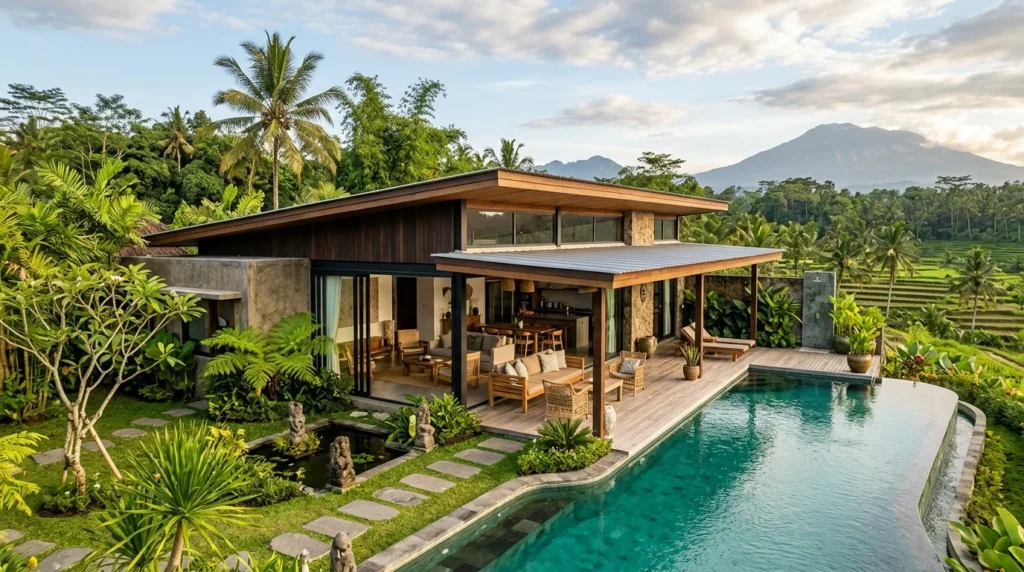
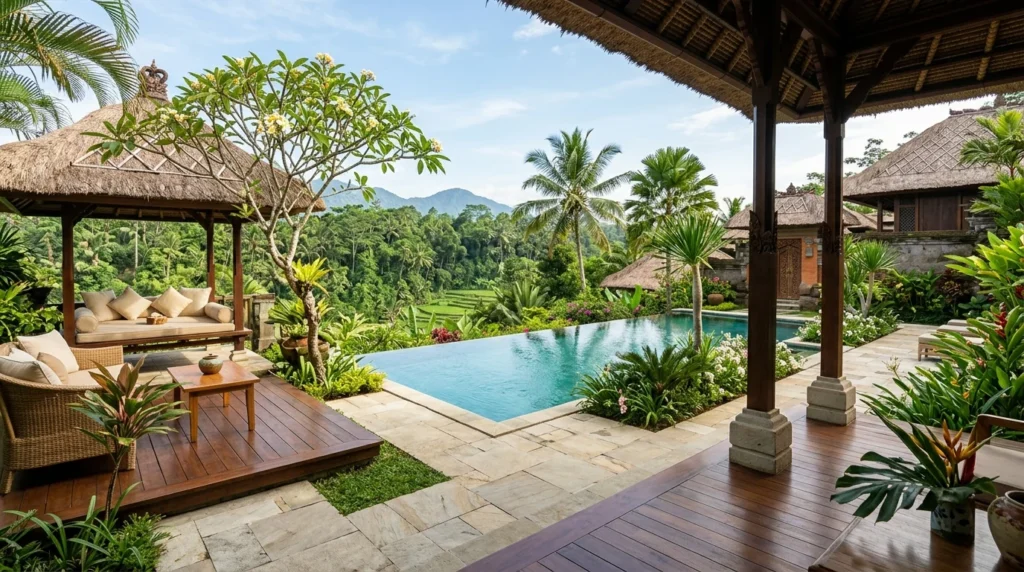
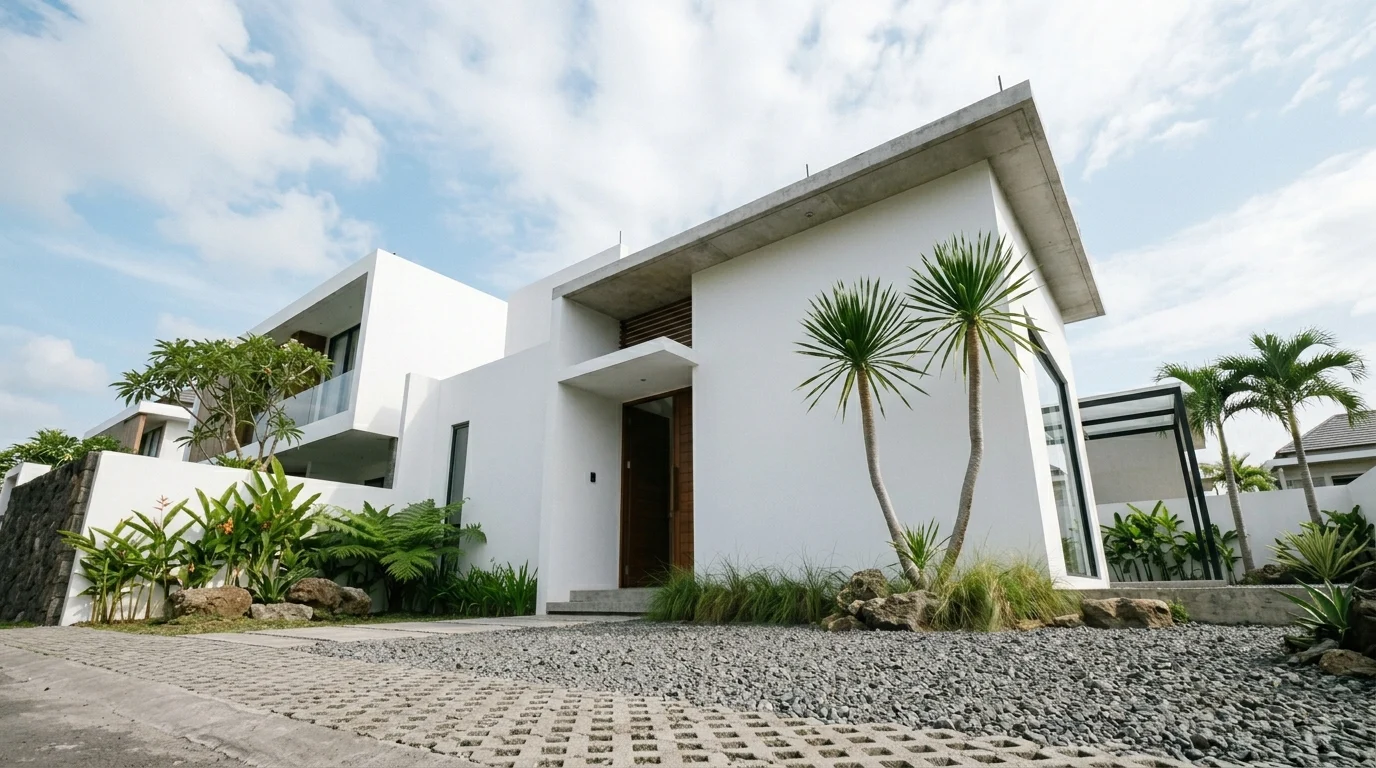
Balinese design philosophy, which emphasizes harmony with nature (Tri Hita Karana), can be your greatest asset. Incorporate elements like open-air pavilions (bale), lush tropical gardens, water features, and the use of natural materials such as teak wood, bamboo, and volcanic stone. Your design should:
Flow Logically: Create a clear journey from reception to treatment rooms, with separate wet and dry areas, a staff kitchen, and storage.
Prioritize Ambiance: Soundproofing, lighting, and ventilation are non-negotiable. The environment must be serene, clean, and comfortable.
Meet Technical Specifications: Treatment rooms need proper plumbing for wet treatments (showers, steam, hydrotherapy), robust electrical systems for equipment, and ample storage. All finishes must be durable, water-resistant, and easy to maintain in a tropical climate.
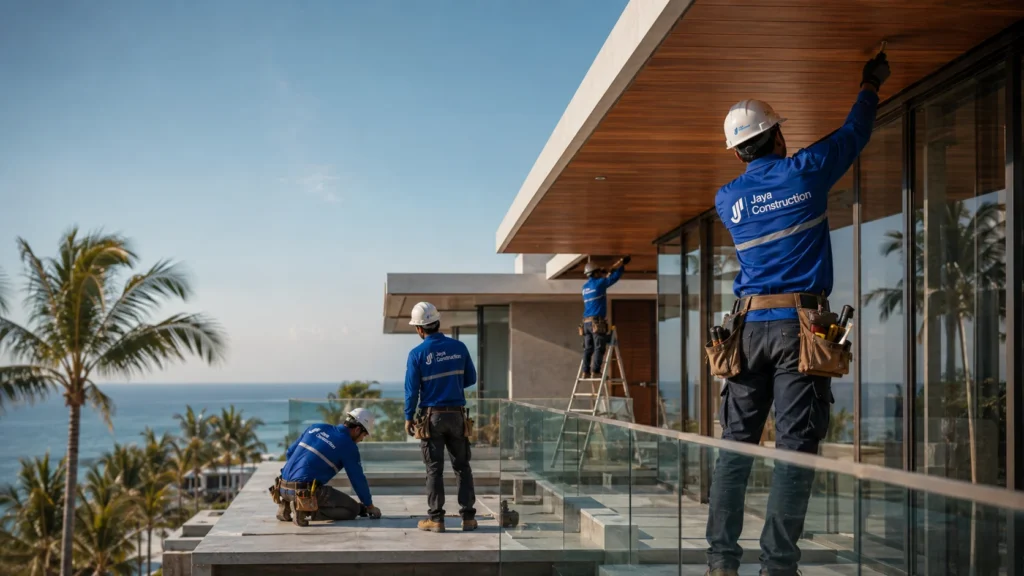
Engage an architect and contractor with proven experience in commercial hospitality projects in Bali. They will understand local building codes, material sourcing, and how to manage labor effectively.
Sourcing Equipment and Furnishings
You have two main options:
Importing: For specialized, high-end equipment (specific laser machines, hydraulic beds, etc.), importing from Europe or the US ensures quality but involves high costs, long lead times, and complex customs clearance.
Local Sourcing: Bali has a thriving furniture and craft industry. You can have bespoke chairs, beds, mirrors, and décor made to your specifications at a competitive price. For basic supplies (linens, disposables), local markets and suppliers are abundant.
A blended approach often works best—importing critical technology while supporting local artisans for furniture and décor, which adds authenticity and a story to your space.
Phase 3: Operations, Staffing, and Launch
The operational machinery is what brings the beautiful space to life.
Building Your Dream Team: Staffing in Bali
Your staff are your brand ambassadors. The Balinese workforce is known for its innate warmth, hospitality, and gentle nature—qualities perfect for the wellness industry.
Therapists and Stylists: Hire locally and invest heavily in training. While you may bring in a foreign specialist for a signature treatment or to train your team, the core of your workforce should be Balinese. Partner with local hospitality schools or conduct your own certified training programs.
Front Desk & Management: Hire staff with excellent English and organizational skills. They are the crucial link between international guests and your service team.
Cultural Sensitivity: Understand local customs, religious holidays (Nyepi, Galungan), and employment laws regarding salaries, BPJS (social security), and leave. Fostering a respectful and supportive work environment leads to exceptional loyalty.
Curating Your Menu and Pricing Strategy
Your menu should reflect your niche and location. Balance international demand (e.g., deep tissue massage, balayage, manicures) with unique local offerings (e.g., traditional Balinese Lulur body scrub, floral bath rituals, Boreh spice wrap). Use locally sourced ingredients like virgin coconut oil, frangipani, sea salt, and volcanic clay to enhance authenticity and control costs.
Pricing: Conduct a competitive analysis. Your pricing should reflect your quality and location but also consider the purchasing power of your target segments (tourist vs. local). Offer clear packages and memberships to encourage repeat business and ensure revenue stability beyond the tourist season.
Marketing and Establishing Your Brand
In Bali’s digital-savvy market, a strong online presence is everything.
Visual Identity: Your website and social media (especially Instagram) must be visually stunning, showcasing your space, your team, and the transformative experience you offer.
Strategic Partnerships: Collaborate with luxury hotels, private villas, wedding planners, and influencer agencies. Offer commission for referrals.
Guest Experience: From the first digital interaction to the farewell gift, every touchpoint must be seamless and memorable. Encourage reviews on Google and TripAdvisor. The power of word-of-mouth in Bali’s tight-knit expat and visitor communities cannot be overstated.
Sustainability and Community Integration
Modern consumers, especially in a conscious destination like Bali, favor businesses with ethical practices. Implement sustainable initiatives:
Minimize plastic use; opt for glass, bamboo, or refillable containers.
Use eco-friendly cleaning products.
Conserve water and energy where possible.
Source products from ethical Balinese suppliers.
Engage with the local community through job creation, fair wages, and supporting local charities or environmental causes. This builds genuine goodwill and brand loyalty.
Conclusion: Weaving Your Dream into the Fabric of Bali
Building a salon or spa in Bali is a complex but profoundly rewarding endeavor. It demands patience with bureaucratic processes, respect for local culture and customs, and a deep commitment to quality and guest experience. The journey requires significant capital, strategic planning, and hands-on management. Yet, the reward is unparalleled: owning a business in one of the world’s most beautiful locations, contributing to the local economy, and creating a space that promotes beauty, health, and tranquility. By meticulously navigating the legalities, investing in thoughtful design, empowering a local team, and marketing with authenticity, you can build more than just a premises—you can build a sanctuary that resonates with the timeless spirit of Bali and secures a prosperous place within its vibrant future.
 By Jaya Construction Bali September 29, 2026
7 min read
By Jaya Construction Bali September 29, 2026
7 min read