How to Future-Proof Your Bali Villa Investment: A Strategic Guide for Long-Term Success
By Jaya Construction BaliSeptember 30, 20268 min read
In this article
Investing in a Bali villa is more than a financial transaction; it’s an entry into a dynamic, culturally rich, and rapidly evolving market. The island’s allure as a global tourist destination and a haven for digital nomads ensures persistent demand, but the landscape is not without its challenges. From shifting government regulations and environmental pressures to evolving traveler preferences and economic fluctuations, the path to a successful, long-term return on investment requires more than just purchasing a beautiful property. It demands a proactive, strategic approach to future-proofing your asset. This article provides a comprehensive roadmap for safeguarding and enhancing the value and profitability of your Bali villa investment for years to come.
Understanding the Bali Villa Investment Landscape
Before delving into protective strategies, it is crucial to grasp the unique dynamics of the Balinese property market. Unlike many Western countries, foreign individuals cannot directly own freehold land (Hak Milik) in Indonesia. The most common legal vehicle for foreign investors is the Hak Pakai (Right to Use) title, which is valid for an initial 80 years, with renewals, or through establishing a foreign-owned company (PT PMA) which can hold a Hak Guna Bangunan (Right to Build) title. This legal framework is the bedrock of your investment, and understanding it is the first step in future-proofing.
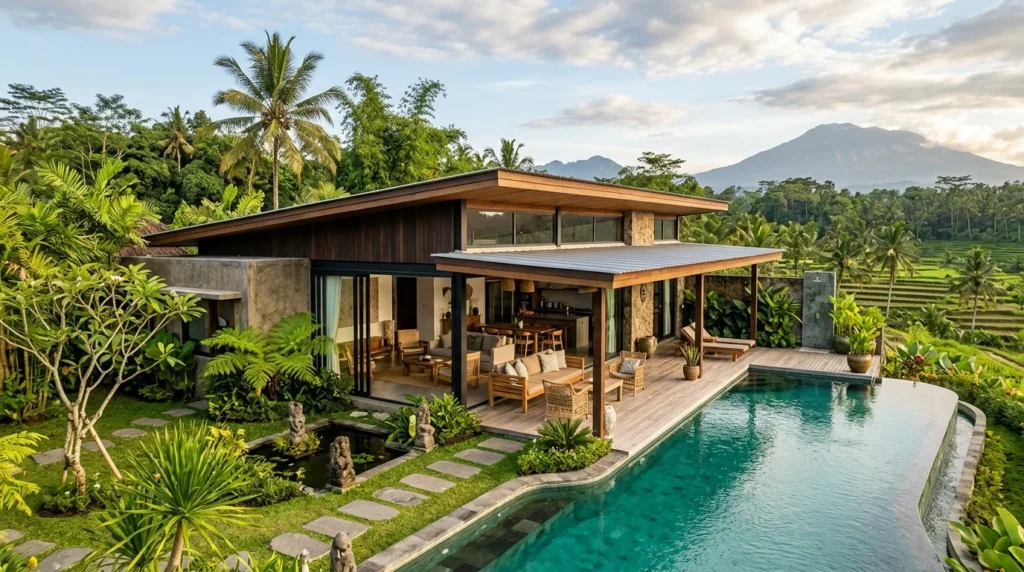
Furthermore, the market is segmented. Your villa could be situated in a bustling tourist hub like Seminyak or Canggu, a serene cultural center like Ubud, or an emerging area like Tabanan or Seseh. Each location attracts a different type of traveler and carries its own risk and reward profile. Recognizing where your property sits within this ecosystem is vital for making informed decisions about upgrades, marketing, and pricing strategies.
Pillar 1: Building on a Legally and Structurally Sound Foundation
The most critical aspect of future-proofing is ensuring your investment is legally unassailable and physically resilient from day one.
Comprehensive Due Diligence
Before signing any agreement, engage a reputable notary (PPAT) and a legal consultant specializing in Indonesian property law. They must verify the land certificate’s authenticity, confirm there are no disputes or encumbrances on the land, and ensure the zoning permits villa construction and rental activity. Overlooking this step can lead to catastrophic loss. Robust legal due diligence is your first and most important defense.
Choosing the Right Ownership Structure
Your ownership structure—be it Hak Pakai under an individual or a *PT PMA*—has long-term implications for taxes, inheritance, and operational flexibility. A PT PMA can offer more security and clearer rights for foreign investors, though it comes with establishment and annual compliance costs. Consult with a tax advisor to understand the implications for income tax, value-added tax (VAT), and the annual property tax (PBB). Structuring correctly from the outset avoids costly restructuring later.
Architectural and Structural Integrity
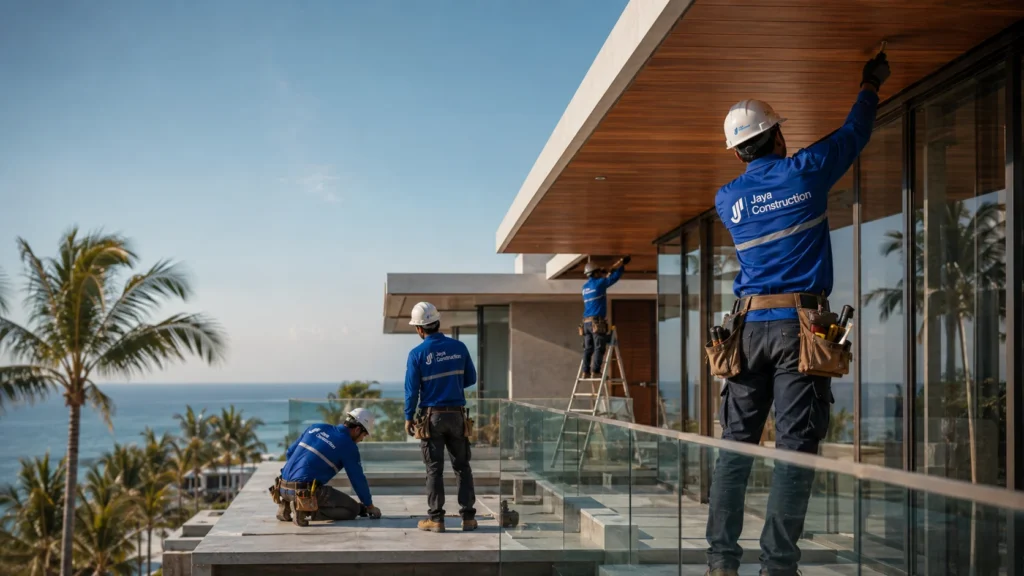
Future-proofing is also physical. Work with an architect experienced in Balinese construction and a trusted contractor. Key considerations include:
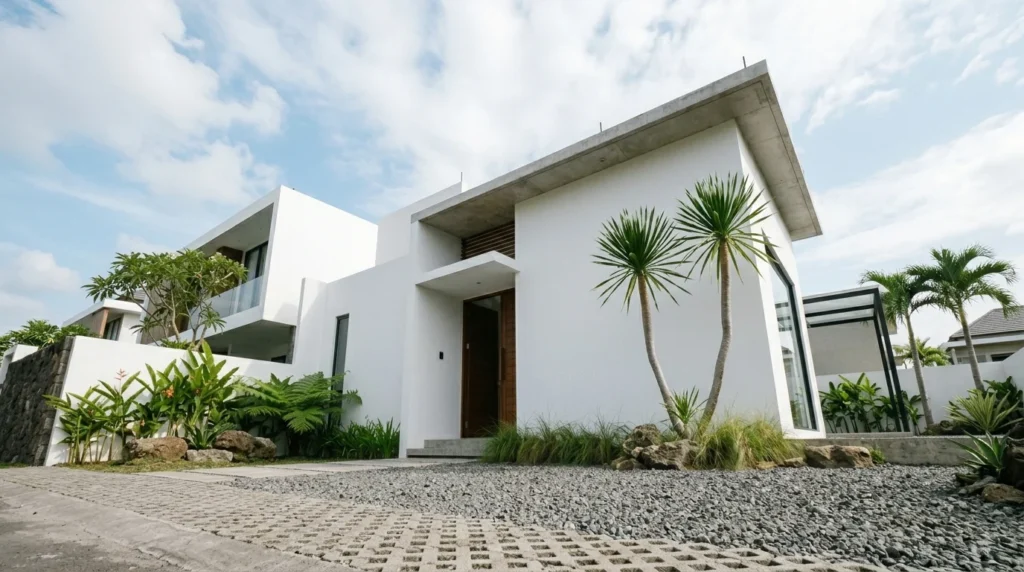
Climate-Resilient Design: Use materials and designs that withstand the tropical climate, resist moisture and mold, and promote natural cooling to reduce long-term maintenance and energy costs.
Sustainable Infrastructure: Incorporate sustainable systems like solar panels for water heating, rainwater harvesting, and efficient wastewater treatment plants (IPAL). This not only reduces operational costs but also aligns with global eco-tourism trends.
Quality Craftsmanship: Invest in high-quality finishes and structural work. The wear and tear from continuous vacation rentals is significant. Durable materials will save on frequent replacements.
Pillar 2: Ensuring Financial and Operational Resilience
A future-proofed villa is one that can weather financial storms and operational challenges with agility.
Smart Financial Planning and Budgeting
Create a comprehensive financial plan that goes beyond purchase price and expected rental income. Include:
Contingency Fund: Set aside at least 10-15% of annual gross rental income for major repairs, renovations, and unexpected expenses.
Seasonal Cash Flow Management: Bali’s high and low seasons create cash flow volatility. A well-managed reserve ensures you can cover fixed costs (staff, insurance, taxes) year-round without stress.
Tax Optimization: Work with a local accountant to ensure you are compliant with all Indonesian tax laws, including the final 0.5% tax on property transactions and the 10% income tax on rental revenue. Proper record-keeping is essential.
Dynamic Pricing and Revenue Management
Static pricing is a relic of the past. To maximize income and occupancy, implement a dynamic pricing strategy. Use software or work with a management company that adjusts rates based on:
Seasonality: Peak season, holiday periods, and major events.
Booking Lead Time: Offer incentives for early bookings and last-minute deals.
Local Competitor Rates: Monitor the pricing of comparable villas in your area.
This approach ensures you capture maximum value without leaving money on the table.
Professional Villa Management
Unless you reside in Bali full-time, hiring a professional villa management company is often the wisest operational decision. A good manager handles everything from guest communications, bookings, and check-ins to cleaning, maintenance, and staff management. They provide operational consistency, which is crucial for generating positive reviews and repeat guests. When selecting a manager, vet their reputation, fee structure (often a percentage of gross revenue), and the scope of their services. A strong management partnership is a key pillar of long-term success.
Pillar 3: Navigating Regulatory Compliance and Licensing
The regulatory environment in Indonesia, particularly in Bali, is active and subject to change. Staying compliant is non-negotiable.
Securing the Correct Permits
Your villa cannot legally operate as a rental without the proper licenses. At a minimum, you will need:
Pondok Wisata License: This is the primary license for operating a villa as a short-term rental. It is issued by the local village (Desa) and regency (Kabupaten) authorities.
TDUP (Tanda Daftar Usaha Pariwisata): A tourism business registration from the Ministry of Tourism.
Environmental Permit: For villas with pools or water features, this is often required.
Keep these licenses and renewals meticulously organized. Regulatory crackdowns on unlicensed villas are becoming more common.
Staying Informed on Policy Changes
Government policies on tourism, foreign ownership, and land use can evolve. For example, there have been ongoing discussions and localized enforcements regarding building heights, density, and the conversion of agricultural land. Proactively monitoring policy news through local legal advisors, industry associations like the Bali Villa Association (BVA), and reputable English-language news sources allows you to anticipate and adapt to changes, rather than be surprised by them.
Pillar 4: Enhancing Market Relevance Through Design, Experience, and Technology
A villa that remains desirable to modern travelers is inherently more valuable.
Design and Amenity Evolution
Traveler expectations are not static. What was cutting-edge five years ago may now be standard. Future-proof your property by:
Creating Multi-Functional Spaces: Design interiors that cater to remote workers, families, and couples. Dedicated workspaces with strong Wi-Fi are now essential.
Focusing on Wellness: Incorporate elements like private yoga shalas, spa-quality bathrooms, and outdoor meditation areas. Wellness tourism is a major growth sector.
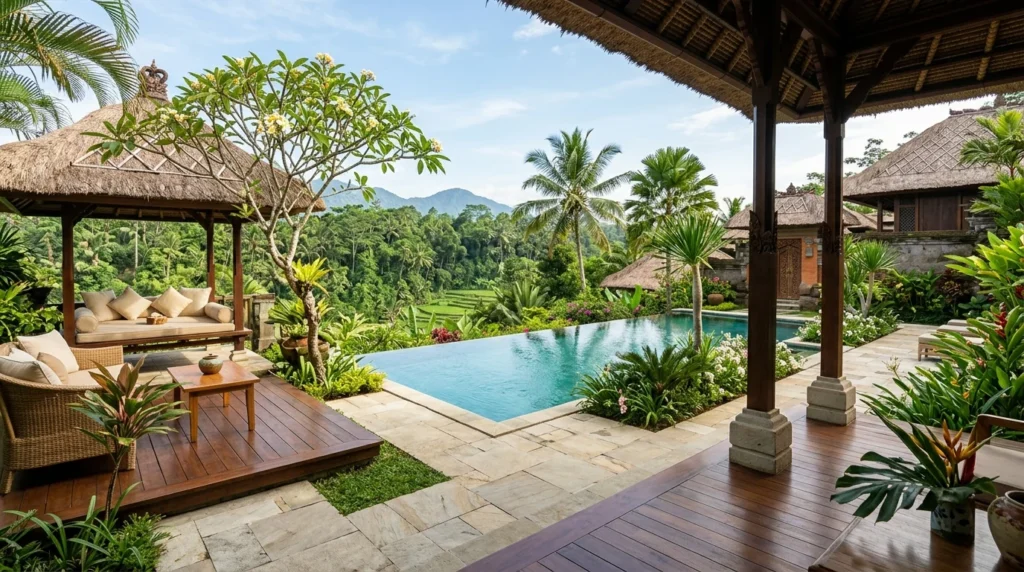
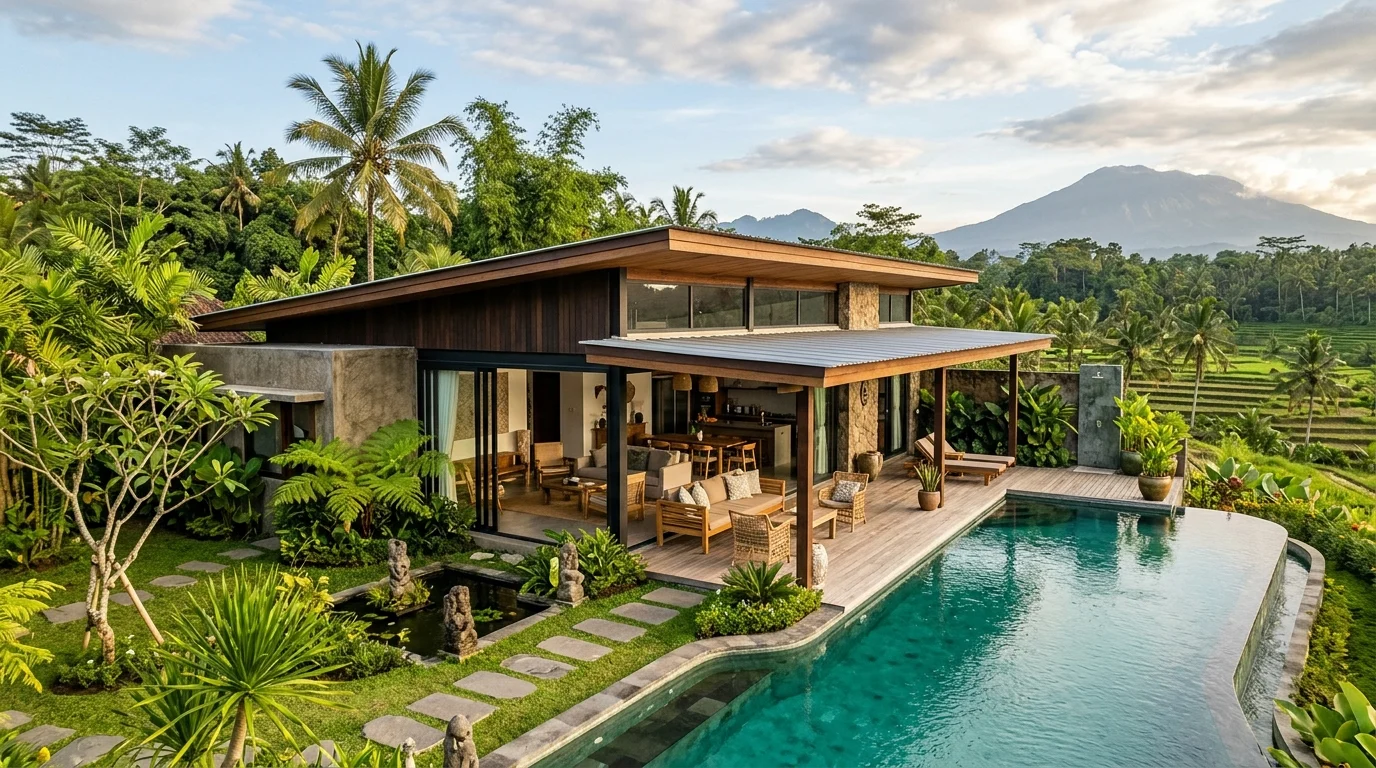
Emphasizing Outdoor Living: Maximize views, create beautiful gardens, and invest in high-quality outdoor furniture and BBQ facilities. The Balinese indoor-outdoor living experience is a major selling point.
Regular Aesthetic Updates: Plan for soft refurbishments every 3-5 years (e.g., new linens, paint, art, and soft furnishings) to keep the look fresh and contemporary.
Building a Strong Brand and Online Presence
Your villa is not just a rental; it’s a brand. Build its identity with professional photography, a compelling narrative, and a consistent style across all online travel agency (OTA) platforms like Airbnb, Booking.com, and Vrbo, as well as a direct booking website.
Guest Reviews are Currency: Encourage and manage reviews diligently. Excellent reviews improve your search ranking on OTAs and build trust.
Direct Booking Strategy: While OTAs provide visibility, they charge significant commissions (15-20%). Invest in SEO and marketing to drive direct bookings through your own website, improving profitability.
Leverage Social Media: Platforms like Instagram are powerful tools for showcasing your villa’s unique appeal and engaging with past and potential guests.
Embracing Technology
Integrate technology to improve efficiency and guest experience. This includes:
Smart Home Features: Keyless entry locks for seamless check-in, smart lighting, and high-speed, reliable Wi-Fi.
Property Management Systems (PMS): Use software to synchronize calendars, manage bookings, and communicate with guests and your team efficiently.
Sustainable Tech: As mentioned, solar systems and water management technology not only cut costs but also appeal to the environmentally conscious traveler segment.
Pillar 5: Long-Term Vision and Community Integration
The most sustainable investments are those that are valued not just by guests, but by the local community and environment.
Sustainable and Responsible Operations
Implement practices that minimize your environmental footprint:
Waste Management: Go beyond basic recycling. Explore composting organic waste and eliminating single-use plastics.
Water Conservation: Use water-saving fixtures and rainwater harvesting for garden irrigation.
Energy Efficiency: Use LED lighting, energy-efficient appliances, and solar where feasible.
Source Locally: Employ local staff and source food, materials, and services from nearby businesses. This supports the local economy and enriches the guest experience.
Building a Relationship with the *Banjar*
In Bali, the Banjar (local community organization) is the heart of village life. Establishing a respectful, positive relationship with your Banjar is invaluable. They are your neighbors and a crucial source of support, information, and legitimacy. Participate in community initiatives where appropriate. Their acceptance can smooth over minor operational issues and provide a layer of social security for your investment.
Estate and Succession Planning
Finally, think truly long-term. What happens to your villa if something happens to you? Ensure your ownership documents and company articles of association (Anggaran Dasar) clearly outline succession procedures. Work with your legal team to structure inheritance in a way that is as seamless as possible under Indonesian law, avoiding potential disputes that could freeze the asset.
Conclusion: The Adaptive Investor Thrives
Future-proofing your Bali villa investment is not a one-time checklist but a continuous, holistic process. It begins with an ironclad legal foundation and extends through financial prudence, operational excellence, regulatory vigilance, and a commitment to evolving with the market. The most successful investors are those who view their villa not merely as a passive asset, but as a dynamic hospitality business. They adapt to changing traveler desires, leverage technology, respect the environment and local culture, and plan meticulously for the long term.
By embracing this multi-faceted strategy, you transform your property from a vulnerable asset susceptible to the winds of change into a resilient, profitable, and enduring piece of paradise. The ultimate goal is to create an investment that not only withstands the future but flourishes within it, delivering consistent returns and personal satisfaction for decades to come. In the ever-changing tapestry of Bali, your well-future-proofed villa can be a constant, profitable thread.
 By Jaya Construction Bali September 30, 2026
8 min read
By Jaya Construction Bali September 30, 2026
8 min read