Back to the journal
Construction insights
Renovating an Old Villa in Bali: What to Expect
 By Jaya Construction Bali September 20, 2026
12 min read
By Jaya Construction Bali September 20, 2026
12 min read
By Jaya Construction Bali September 20, 2026
12 min read
By Jaya Construction Bali September 20, 2026
12 min read
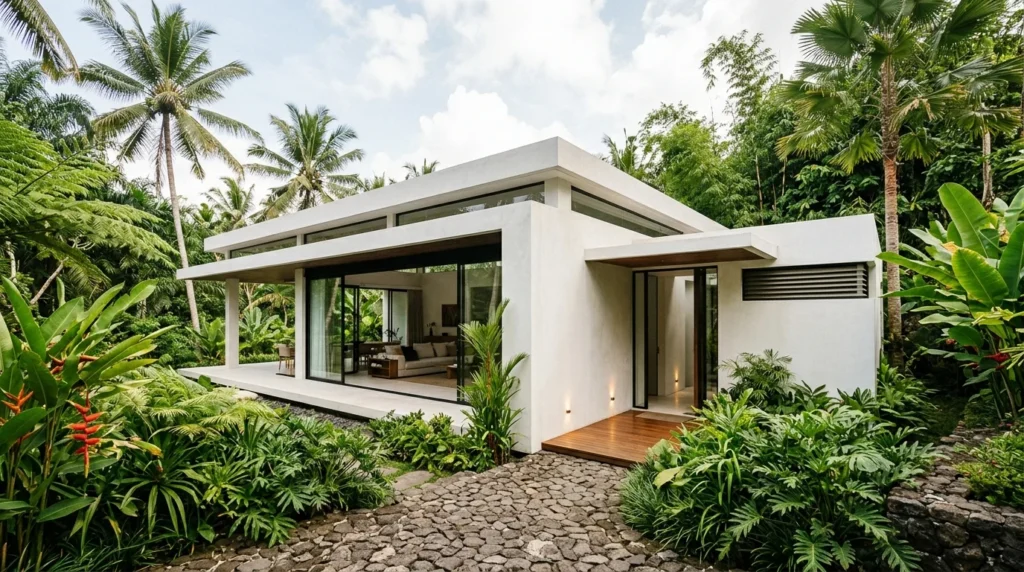
Bali has long captured the imagination of travelers, expatriates, and investors from around the world. Its lush rice terraces, ancient temples, vibrant culture, and warm tropical climate make it one of the most desirable locations on Earth to own property. Among the most alluring opportunities on the island is the chance to purchase and renovate an old villa — a project that blends the romance of Balinese heritage with the potential for a stunning modern retreat. However, renovating a villa in Bali is not as simple as it might appear in glossy magazine spreads. It involves navigating a unique set of legal frameworks, cultural considerations, environmental challenges, and logistical hurdles that differ significantly from renovation projects in Western countries.
This article serves as a comprehensive guide for anyone considering the journey of renovating an old villa in Bali. From understanding local regulations to budgeting accurately, hiring the right professionals, and managing expectations around timelines and quality, you will find everything you need to know before embarking on this exciting but complex venture.
—
Before diving into the practicalities, it is worth understanding why old villas in Bali hold such strong appeal. Many of these properties were built decades ago, often by pioneering expatriates or wealthy Indonesian families, and they feature architectural details that reflect a time when craftsmanship was prioritized over speed. Hand-carved stone walls, massive teak wood beams, traditional alang-alang (thatched) roofing, and expansive garden layouts are common features in these older properties.
Unlike modern cookie-cutter developments, old villas often occupy prime land in desirable locations such as Ubud, Seminyak, Canggu, or Sanur. They tend to sit on larger plots with mature tropical gardens, established trees, and a sense of privacy that newer subdivisions sometimes lack. For many buyers, the character and soul of an older property simply cannot be replicated in a new build.
Additionally, purchasing an older villa can be more affordable than buying land and constructing from scratch in certain areas, especially if the property needs work. The renovation path allows buyers to customize the space to their exact preferences while preserving elements that give the home its unique identity.
—
One of the first and most important things to understand about property in Bali is the legal framework governing foreign ownership. Indonesian law does not allow foreigners to own freehold land directly. Instead, foreign buyers typically acquire property through a leasehold arrangement, which grants them the right to use the land for a set period, usually 25 to 30 years with the option to extend. Some buyers use a nominee structure or establish a foreign-owned company (known as a PT PMA) to hold property rights, though these arrangements carry their own legal complexities and risks.
Before committing to a renovation project, it is essential to consult with a reputable Indonesian property lawyer who understands both local and national regulations. They can verify the land certificate, confirm zoning designations, and ensure that the property has no outstanding disputes or encumbrances.
Building permits are another critical consideration. Indonesia has undergone several changes to its permitting system in recent years. The traditional Izin Mendirikan Bangunan (IMB) has been replaced or supplemented by the Persetujuan Bangunan Gedung (PBG) under newer regulations. Any significant renovation work will require proper permits, and operating without them can result in fines, forced demolition, or complications when selling the property later.
Environmental regulations also play a role, particularly in areas near coastlines, rivers, rice fields, or sacred sites. Bali takes its environmental and cultural heritage seriously, and there are setback requirements and restrictions on building height and land coverage that must be respected.
—
One of the most critical steps in any renovation project is conducting a thorough assessment of the existing property before finalizing the purchase. Old villas in Bali can harbor a range of hidden issues that may not be immediately visible, and failing to identify them early can lead to significant unexpected costs down the line.
Structural integrity is the foremost concern. Bali’s tropical climate, with its heavy rains, high humidity, and occasional seismic activity, can take a serious toll on buildings over time. Foundations may have shifted or cracked, load-bearing walls may have deteriorated, and roof structures may have been weakened by years of moisture exposure. Hiring a qualified structural engineer to inspect the property is a worthwhile investment.
Plumbing and electrical systems in older villas are frequently outdated and may not meet current safety standards. Corroded pipes, faulty wiring, inadequate water pressure, and insufficient electrical capacity for modern appliances are all common issues. These systems often require complete replacement rather than simple repair.
Termite damage is pervasive in Bali and should never be underestimated. Termites thrive in the tropical environment and can silently destroy wooden structures, furniture, and even certain types of roofing. A professional termite inspection should be a mandatory part of your due diligence.
Moisture and mold are also widespread problems, particularly in properties that have been poorly maintained or left vacant for extended periods. Look for signs of water staining on walls and ceilings, musty odors, and peeling paint or wallpaper, as these can indicate deeper moisture issues within the building envelope.
—
Renovating a villa in Bali presents a unique set of challenges that differ markedly from renovation projects in temperate climates or more developed construction markets. Being aware of these challenges in advance will help you plan more effectively and avoid frustration.
The Balinese climate, while idyllic for living, is harsh on buildings. The combination of intense sun, heavy monsoon rains, high humidity, and salty coastal air (if your villa is near the beach) accelerates wear and degradation on building materials. Choosing the right materials and finishes that can withstand these conditions is essential. For example, untreated steel will rust rapidly, certain types of wood will warp or rot, and standard paint formulations will peel within a year or two.
While Bali has an abundance of locally produced building materials such as volcanic stone, teak wood, terrazzo, and handmade tiles, sourcing high-quality imported materials can be difficult and expensive. Items like specific plumbing fixtures, electrical components, specialized hardware, or certain types of glass may need to be imported from Java or overseas, adding time and cost to the project. It is wise to plan material procurement well in advance and to have backup options in case preferred items are unavailable.
Bali has a large pool of construction workers, but the skill level varies significantly. The island is known for its exceptional stone carvers and woodworkers, whose artisanal skills have been passed down through generations. However, when it comes to modern construction techniques — such as precision plumbing, complex electrical wiring, or the installation of contemporary fixtures — the quality of workmanship can be inconsistent. Carefully vetting contractors and workers, checking references, and visiting completed projects is essential to ensuring satisfactory results.
Working with local contractors and workers requires patience and cultural sensitivity. Communication styles in Indonesia differ from those in Western countries. Direct confrontation is generally avoided, and it is not uncommon for workers to agree to requests even when they do not fully understand them, rather than risk causing offense by asking for clarification. This can lead to misunderstandings and mistakes if you are not proactive about confirming details and checking work regularly. Having a bilingual project manager or supervisor on-site can bridge this gap effectively.
—
One of the most common mistakes made by foreigners renovating villas in Bali is underestimating the budget. While labor costs in Bali are significantly lower than in many Western countries, other factors can drive up expenses in ways that are not immediately apparent.
Labor costs for skilled tradespeople in Bali typically range from modest daily rates, and even experienced contractors charge far less than their counterparts in Europe, Australia, or North America. However, the lower cost of labor is often offset by longer project timelines, the need for rework due to quality issues, and the expense of importing specialized materials.
Hidden costs are perhaps the biggest budgeting pitfall. These can include permit fees, legal costs, structural reinforcements that were not anticipated during initial inspections, site remediation, utility connection fees, landscaping, furnishing, and the cost of living in Bali during the renovation period if you are on-site overseeing the project.
A general rule of thumb for renovation budgets in Bali is to add a contingency of at least 20 to 30 percent above your initial estimated costs. This buffer accounts for unforeseen issues, price fluctuations, design changes, and delays. Without this cushion, many renovation projects stall midway through when funds run out.
It is also important to establish a clear payment schedule with your contractor that ties payments to the completion of specific milestones. Avoid paying large sums upfront, as this reduces your leverage if problems arise and increases the risk of financial loss if a contractor abandons the project.
—
The success of your renovation project depends heavily on the team you assemble. In Bali, this typically includes an architect or designer, a general contractor, and potentially a project manager.
An architect who is experienced with Balinese construction will understand the local building codes, the behavior of local materials, and the practical realities of building in a tropical environment. They can help you create a design that balances your aesthetic vision with structural soundness and regulatory compliance. Many expatriate-friendly architects in Bali have experience blending traditional Balinese design elements — such as open-air living areas, thatched roofing, stone carvings, and water features — with contemporary comforts like air conditioning, modern kitchens, and luxury bathrooms.
Choosing the right contractor is equally important. Look for contractors who have a proven track record of completing projects similar in scope and style to yours. Ask for references from previous clients, both local and foreign, and take the time to visit completed projects in person. A good contractor will be transparent about costs, realistic about timelines, and communicative throughout the project.
Hiring a dedicated project manager is highly recommended, especially if you will not be living in Bali full-time during the renovation. A project manager acts as your representative on-site, overseeing daily progress, coordinating between different trades, managing material deliveries, and ensuring that quality standards are met. While this adds to the overall cost, it can save you significant money and stress in the long run by preventing mistakes and keeping the project on track.
—
A typical villa renovation in Bali follows a sequence of phases, each with its own set of tasks and considerations.
The planning and design phase is where you define your vision, create detailed architectural drawings, select materials, and obtain the necessary permits. This phase can take several months, depending on the complexity of the project and the efficiency of the permitting process. Rushing through this stage often leads to problems later, so invest the time needed to get it right.
The demolition and structural work phase involves removing old or damaged elements, reinforcing foundations, repairing or replacing structural components, and making any major layout changes. This is often the messiest and most disruptive phase, but it is also the most important from a structural standpoint.
The systems upgrade phase focuses on installing new plumbing, electrical wiring, drainage, and any other mechanical systems. In Bali, it is common to install private water wells, water filtration systems, septic tanks, and backup generators, depending on the property’s location and infrastructure.
The finishing phase is where the villa begins to take shape aesthetically. This includes tiling, painting, installing fixtures and fittings, cabinetry, lighting, and landscaping. Balinese finishing work can be exceptionally beautiful, with hand-carved details, natural stone surfaces, and lush tropical gardens creating a truly unique living environment.
—
One of the greatest joys of renovating a villa in Bali is the opportunity to create a home that harmoniously blends traditional Balinese aesthetics with modern functionality. The island’s architectural heritage offers a wealth of design inspiration, from the open-air pavilion concept known as a bale to the intricate stone carvings that adorn temple walls and the use of natural materials like teak, bamboo, and volcanic rock.
Open-air living is a hallmark of Balinese design. Many renovated villas feature large sliding or folding doors that blur the boundary between indoor and outdoor spaces, allowing tropical breezes to flow through the home and providing views of gardens, rice fields, or ocean horizons. Incorporating covered outdoor seating areas, open-air dining spaces, and garden bathrooms can enhance this connection with nature.
Natural materials are central to the Balinese aesthetic. Using locally sourced teak wood for flooring, decking, and structural elements adds warmth and durability. Volcanic stone, known as paras, is widely used for wall cladding and decorative carvings. Handmade terracotta and ceramic tiles add character and texture to floors and walls. These materials age beautifully in the tropical climate and help the villa feel rooted in its environment.
At the same time, modern amenities are essential for comfortable living. High-quality air conditioning, reliable hot water systems, modern kitchen appliances, fast internet connectivity, and contemporary lighting can all be integrated into a traditionally styled villa without compromising its aesthetic integrity. The key is to conceal modern systems within the architecture — hiding air conditioning units behind carved wooden screens, running cables through walls and ceilings, and designing kitchen spaces that are functional yet visually consistent with the overall design theme.
—
Managing your expectations around the renovation timeline is crucial for a positive experience. In Bali, projects almost always take longer than initially estimated. A moderate villa renovation that might take three to six months in a Western country can easily take six to twelve months or more in Bali.
Several factors contribute to extended timelines. The permitting process can be slow and bureaucratic, particularly for foreign-owned properties. Material procurement may involve waiting for imports or custom fabrication. The rainy season, which typically runs from November to March, can cause delays due to the difficulty of working in heavy rain and the logistical challenges of transporting materials on flooded roads.
Cultural factors also play a role. Balinese ceremonies and holidays, of which there are many throughout the year, can temporarily halt construction as workers attend to religious observances. While this can be frustrating for project timelines, it is an integral part of Balinese life and should be respected and planned for accordingly.
The best approach is to set a realistic timeline with built-in buffers and to maintain regular communication with your contractor and project manager. Weekly progress reports, site visits (or video calls if you are off-island), and a flexible attitude will serve you well throughout the process.
—
Renovating an old villa in Bali is a deeply rewarding endeavor that offers the chance to create a truly extraordinary home in one of the world’s most beautiful locations. The island’s rich cultural heritage, skilled artisans, and abundance of natural materials provide a remarkable canvas for creative expression. However, it is also a project that demands patience, careful planning, adequate budgeting, and a willingness to adapt to the unique realities of building in Indonesia.
By understanding the legal framework, thoroughly assessing the property before purchase, assembling a qualified and trustworthy team, budgeting generously for contingencies, and setting realistic timeline expectations, you can navigate the renovation process with confidence. Embrace the challenges as part of the adventure, stay engaged and communicative throughout the project, and remember that the end result — a beautiful, personalized villa set amidst Bali’s stunning landscape — will be well worth the effort.
Share your site, plans, priorities, or questions. Our team can help turn early information into a practical construction path.