Build or Buy in Bali: How to Decide Between Buying an Existing Property and Building a New One
By Jaya Construction BaliJuly 29, 20269 min read
In this article
The allure of owning property in Bali is undeniable. The Island of the Gods, with its stunning landscapes, vibrant culture, and burgeoning infrastructure, has become a hotspot for investors, retirees, and lifestyle seekers from around the globe. Once the decision to own a piece of this paradise is made, the next critical question arises: should you buy an existing property or build a new one from the ground up? This is not a simple choice, as each path comes with a distinct set of advantages, challenges, and financial implications. The right decision hinges entirely on your personal goals, risk tolerance, budget, and timeline. This comprehensive guide will walk you through the key considerations, providing a clear framework to help you navigate the “build or buy” dilemma in the unique context of the Balinese real estate market.
The Case for Buying an Existing Property
Purchasing a ready-made villa, house, or land with existing structures is often the more straightforward entry point into Bali’s property market. It appeals to those seeking immediate use, reduced hassle, and a more predictable outcome. However, the “buy” option itself is nuanced and comes in several forms, primarily dictated by the type of land tenure.
Understanding Land Tenure: Freehold vs. Leasehold
Foreigners cannot directly own freehold land (Hak Milik) in Indonesia. Therefore, most property acquisitions by foreigners are structured under a Hak Sewa (leasehold) agreement, typically for periods of 25 to 30 years, often with pre-agreed options to extend. Some opt for more complex arrangements, such as setting up a foreign-owned company (PT PMA) to hold a Hak Guna Bangunan (right to build) title, which can offer longer-term security. The tenure type is the most critical factor affecting both the price and the long-term viability of a purchase.
Advantages of Buying
Speed and Convenience: The most significant benefit is immediacy. You can potentially move in or begin generating rental income within weeks or a few months of closing the deal, depending on due diligence and any minor renovations.
Tangible What-You-See-Is-What-You-Get: You can physically walk through the property, inspect the construction quality, test the amenities, and experience the neighborhood’s vibe. This reduces the uncertainty inherent in a building project.
Established Infrastructure and Landscaping: A mature property comes with developed gardens, functioning water and electrical systems, and often established relationships with local staff (pembantu), drivers, and service providers.
Easier Financing Pathways: While securing a mortgage as a foreigner is challenging, some established developers or property agents may offer payment plans for existing properties, which is rare for custom build projects.
Historical Data for Rental Investors: If your goal is investment, an existing rental villa comes with a track record—booking history, occupancy rates, and reviews on platforms like Airbnb or Booking.com. This data is invaluable for forecasting returns.
Disadvantages of Buying
Compromises and Hidden Costs: You may have to compromise on layout, design, or features. Older properties may also come with hidden maintenance issues (plumbing, electrical, structural) that only surface after purchase, leading to unexpected repair costs.
Higher Price Per Square Meter: You are paying a premium for the convenience and the existing structure. The price includes not just the land but also the depreciated value of the building and the seller’s profit margin.
Leasehold Decay: For leasehold properties, the remaining lease term is a depreciating asset. While extensions are common, they come at a future cost, and the value of the property decreases as the lease term shortens.
Limited Personalization: While renovations are possible, it can be more expensive and disruptive to significantly alter an existing structure to suit your personal tastes than to design it correctly from the start.
The Case for Building a New Property in Bali
Building from scratch is the path of the dreamer and the detail-oriented. It offers the ultimate in customization but demands patience, active involvement, and a robust tolerance for the complexities of international construction.
The Building Process Overview
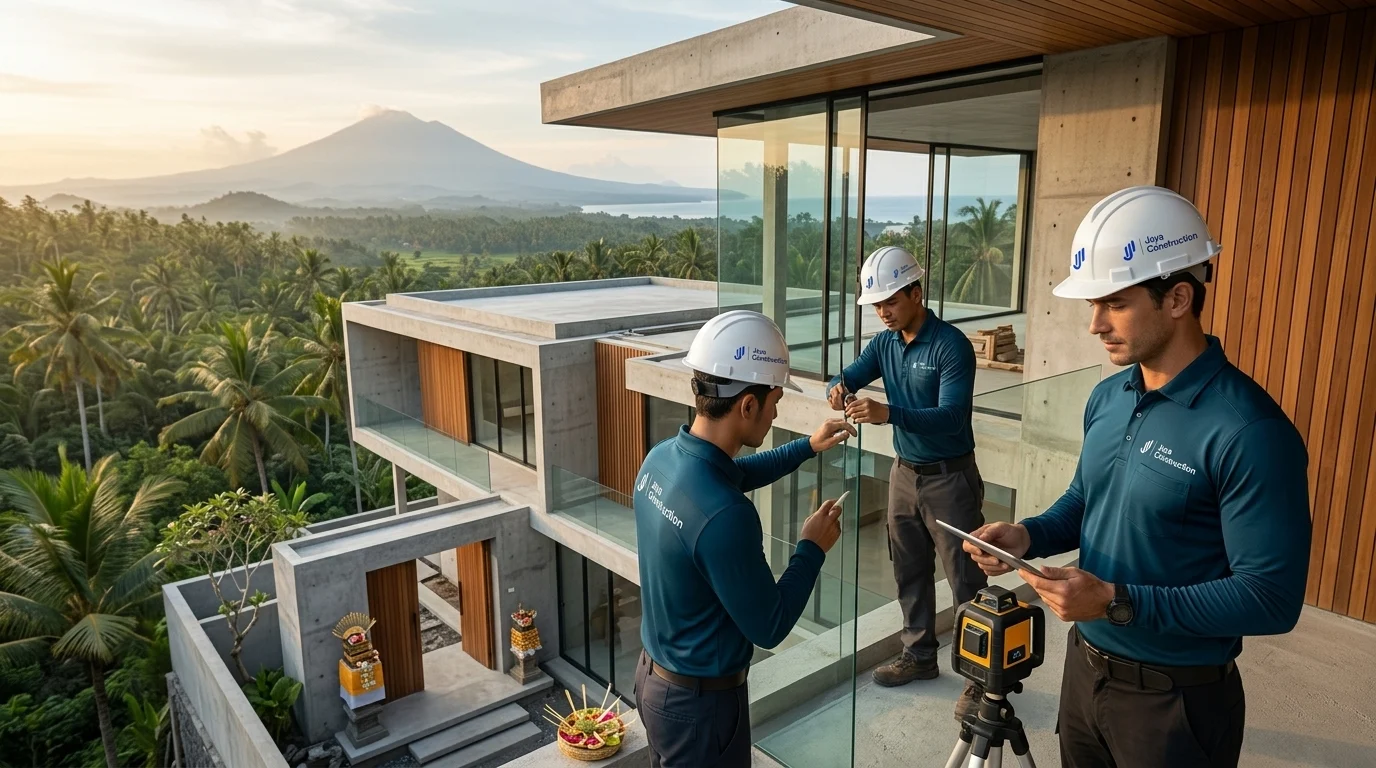
The journey begins not with blueprints, but with land acquisition. Finding and securing the right plot—considering location, view, access road, soil quality, and legal status (only buy land with clear IMB/PBG permits)—is a project in itself. This is followed by assembling a team: a reliable architect experienced in Balinese designs and local regulations, a licensed notary (PPAT), and, most crucially, a trustworthy project manager or construction contractor. The build process itself involves phases: design, permitting, site preparation, structural work, roofing, interior finishing, and landscaping.
Advantages of Building
Complete Customization: This is the primary draw. You can design every aspect to your exact specifications—room layouts, ceiling heights, window placements to capture specific views, integrated smart home systems, and unique architectural elements that reflect your personal style.
Modern Standards and Efficiency: New construction allows you to incorporate the latest building techniques, superior insulation, energy-efficient systems, solar panels, and high-quality, sustainable materials from the outset, potentially reducing long-term maintenance and utility costs.
Potentially Lower Cost Per Square Meter: If managed effectively, constructing a new villa can be more cost-effective than buying an equivalent existing one, as you avoid the seller’s premium and pay for materials and labor at market rates.
New Long-Term Lease or Title: When you build on newly leased land, you secure the maximum leasehold term (e.g., 30 years from day one) or establish a Hak Guna Bangunan title, starting with a full, un-depreciated asset.
The Satisfaction of Creation: There is a profound sense of accomplishment in creating a home that is uniquely yours, tailored to your lifestyle from its foundation.
Disadvantages of Building
Significant Time Commitment: A custom build in Bali can easily take 18-24 months from land purchase to moving in. This requires patience and, ideally, your presence or the hiring of a dedicated, independent project manager.
Budget Overruns and Financial Risk: Construction projects are notorious for exceeding initial estimates. Unforeseen ground conditions, fluctuation in material costs, changes to the design mid-project, and mismanagement can quickly inflate the budget. A contingency fund of 15-20% is not just recommended, it’s essential.
The Management Burden: Coordinating architects, contractors, suppliers, and government officials across language and cultural barriers is a full-time job. Disputes over quality, timelines, and payments are common if not managed with a clear contract and constant oversight.
Permitting and Legal Complexities: Navigating the Indonesian bureaucratic system for building permits (PBG) and environmental approvals can be a slow and frustrating process, requiring local expertise and patience.
The Hybrid Approach: Buying Land and Engaging a Developer
A middle-ground option is gaining popularity: purchasing the land yourself and then hiring a reputable construction development company to build your villa to a semi-custom or fully custom design. This model attempts to combine the benefits of both paths.
How it Works: You own the land (via leasehold or through a PT PMA). You then contract a developer who provides a portfolio of designs that can be adapted, or works with you on a fully bespoke plan. The developer manages the entire construction process under a fixed-price or closely managed cost contract.
Pros: This reduces the owner’s daily management burden while still offering significant personalization. It provides more cost certainty than pure self-build and more design freedom than buying off-the-plan. Cons: You are still reliant on the developer’s integrity and capability. It is crucial to conduct extreme due diligence on their past projects, financial stability, and client references. The contract must be meticulously drafted to specify materials, timelines, payment schedules, and penalties for delays.
Key Decision Factors: A Self-Assessment Guide
To choose the right path, honestly evaluate your priorities against the following criteria:
1. Your Primary Goal and Timeline
Buy if: You need to relocate for a job, children’s schooling, or retirement within 6-12 months. Your goal is immediate rental income. You value a “turnkey” solution above all else.
Build if: Your move is flexible (2+ years out). Your goal is to create a forever home or a signature investment property that stands out in the market. You are investing for the long term (20+ years).
2. Your Budget and Financial Risk Tolerance
Buy if: You have a fixed budget and need certainty on total costs. You prefer to avoid the risk of construction overruns. Your financing is limited to a lump sum or a developer payment plan.
Build if: You have a flexible budget with a healthy contingency. You are comfortable with the financial risk inherent in construction projects. You are prepared for the possibility of paying more than initially projected for the desired quality.
3. Your Personality and Available Time
Buy if: You are not detail-oriented about construction, have limited time to devote to a project, or are not comfortable managing contractors. You prefer a less stressful, more hands-off process.
Build if: You are highly involved, detail-oriented, and enjoy the creative process. You have the time to be present in Bali or the financial means to hire a top-tier, independent project manager. You are resilient and can handle problem-solving and negotiations.
4. Your Design and Sustainability Priorities
Buy if: You are happy to compromise on design and are less concerned with incorporating the latest green building standards. You can find an existing property that “ticks enough boxes.”
Build if: Specific architectural design, layout, and modern sustainable features (like wastewater treatment, solar power, natural ventilation) are non-negotiable. You want a home optimized for your lifestyle and environmental values.
Essential Steps Regardless of Your Choice
Whether you build or buy, certain non-negotiable steps apply:
Engage a Reputable Legal Advisor: Hire an independent notary (PPAT) and a lawyer experienced in foreign property transactions in Bali. Do not rely solely on the seller’s or developer’s legal team.
Conduct Thorough Due Diligence: For land, this includes verifying the certificate (Sertifikat), checking for liens or disputes, confirming land zoning and use permits, and physically surveying boundaries. For existing buildings, a structural survey is highly recommended.
Understand Tax Implications: Be aware of the taxes involved: Transfer Tax (BPHTB) for buyers, Income Tax for sellers, annual Property Tax (PBB), and any potential capital gains tax implications in your home country.
Visit and Research Extensively: Spend significant time in Bali, in different areas. Talk to other expat owners, visit multiple properties or construction sites, and get a feel for the day-to-day reality of the location you’re considering.
Conclusion: Aligning Your Choice with Your Bali Dream
The decision to build or buy in Bali is deeply personal, with no universally correct answer. Buying an existing property offers convenience, speed, and reduced risk, making it ideal for those seeking immediate use or a straightforward investment. Building a new property offers unparalleled customization and modern efficiency but demands significant time, financial flexibility, and managerial fortitude.
The hybrid model of land purchase plus developer-led construction can strike a valuable balance for many. Ultimately, success hinges on clear-eyed self-assessment, meticulous planning, and partnering with trustworthy, independent professionals. By carefully weighing your goals, resources, and temperament against the realities of the Balinese market, you can confidently choose the path that best aligns with your vision of owning a piece of this extraordinary island. Your Balinese dream property awaits, whether it’s a key-ready villa or a blank canvas of land ready for your creation.
 By Jaya Construction Bali July 29, 2026
9 min read
By Jaya Construction Bali July 29, 2026
9 min read