Why Bali Construction Quotes Vary So Much: Navigating the Complexities of Building in Paradise
By Jaya Construction BaliJune 24, 20269 min read
In this article
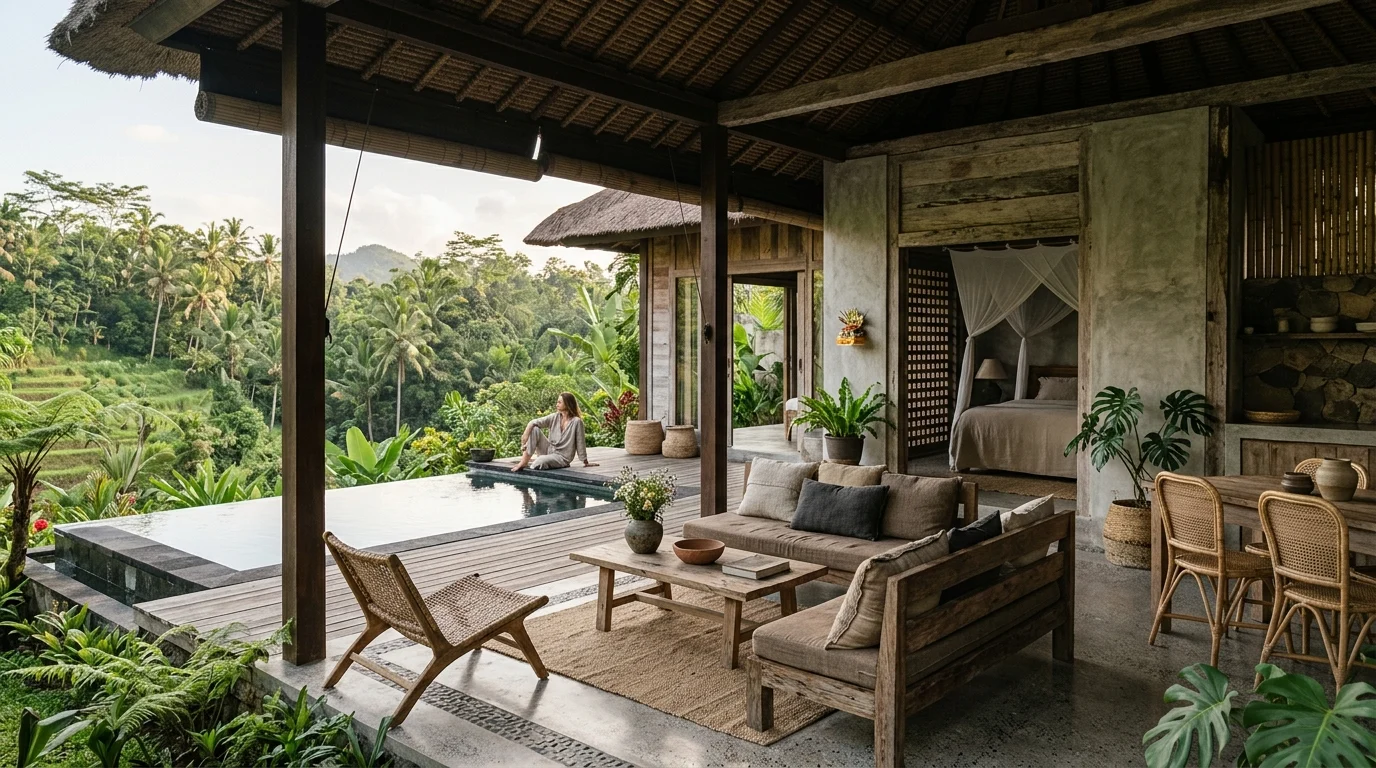
Building a villa, restaurant, or commercial space in Bali is a dream for many. The vision of a tropical oasis, designed to your exact specifications, is incredibly compelling. However, one of the first and most confusing steps is soliciting quotes from contractors. Prospective builders are often stunned to discover that proposals for what appears to be the same project can vary in price by 50%, 100%, or even more. This staggering discrepancy is not random; it is a direct reflection of the unique, layered, and sometimes opaque nature of the Balinese construction industry. Understanding the reasons behind these variations is not just a matter of finding the cheapest option, but of ensuring your project is completed to a standard you desire, on a budget you can manage, and without catastrophic surprises. This article delves into the core factors that create this wide spectrum of pricing, providing you with the knowledge to decode quotes and make an informed decision.
Introduction: The Illusion of a Simple Quote
When you approach a contractor with architectural drawings and a list of specifications, you might assume that the resulting quote is a straightforward calculation of materials and labor. In reality, a construction quote in Bali is a complex proposal that bundles together tangible costs, intangible services, risk assumptions, and profit margins. It is a statement of the contractor’s methodology, their sourcing network, their labor practices, and their level of transparency. A low quote might indicate efficiency, or it might signal a dangerous lack of foresight, while a high quote could reflect premium quality or unnecessary padding. The variation is the symptom of a market that operates with diverse standards and a significant knowledge gap between foreign clients and local industry insiders. Not all quotes are created equal, and discerning the differences is the first critical step toward a successful build.
The Foundational Factors: Materials and Sourcing
The single largest component of any construction budget is materials. In Bali, the price and quality of materials can swing dramatically based on several variables.
The Spectrum of Material Quality
Bali offers a vast range of materials, from locally sourced basics to high-end imports. A quote may specify “ceramic tiles,” but this category alone includes:
Locally produced tiles: Inexpensive, widely available, but often with less consistency in size, shade, and durability.
Mid-range tiles from Java or other Indonesian islands: Better quality control and more design options.
Imported tiles from China, India, or Europe: Premium quality, unique designs, and precise manufacturing, but at a significantly higher cost, often including import duties and shipping.
The same principle applies to everything from timber (local meranti vs. certified teak or imported hardwoods), to fixtures (local brass vs. German-made bathroom fittings), to roofing (simple clay tiles vs. high-grade aluminum or custom-made copper). One contractor might quote using the most cost-effective local materials to keep the initial price down, while another will build their quote on the assumption of using mid-to-high-range materials that ensure longevity and aesthetic appeal. Always demand a detailed bill of quantities (BOQ) that specifies brands, origins, and grades for all major materials. Without this, comparing quotes is like comparing apples to oranges.
Sourcing Channels and Middlemen
The chain of supply has a major impact on price. A well-established contractor with a long history may have direct relationships with quarries, timber yards, and factories, cutting out middlemen and securing bulk discounts. A smaller operation or a newly formed company will likely purchase materials through distributors, adding a markup at each step. Furthermore, some contractors may own their own brick-making facilities or carpentry workshops, effectively integrating vertically and offering a different cost structure. A quote from a contractor who sources materials directly will look different from one who subcontracts all material procurement.
The Human Element: Labor Costs and Practices
Labor in Bali is generally more affordable than in Western countries, but it is not a monolithic cost. Significant variations exist based on skill, experience, and management structure.
The Skill and Specialization Tiers
Construction labor in Bali can be broadly categorized:
General Laborers (Kuli): Handle basic tasks like digging, mixing mortar, and carrying materials. Their wages are the baseline.
Skilled Craftsmen (Tukang): These are the specialists—the masons, carpenters, electricians, plumbers, and tilers. A highly skilled tukang with a reputation for precision and finishing quality will command a higher daily rate than a less experienced one.
Master Craftsmen and Specialists: For intricate Balinese-style carvings (pengerajin), complex stonework, or advanced smart home installations, you may need artisans whose expertise is rare and valuable. Their costs are substantially higher and are a major point of divergence between quotes. A contractor promising high-quality traditional carved gates will have a vastly different labor line item than one proposing simple, modern doors.
Management Overhead and Supervision
The quality of site supervision is crucial to a project’s success. A professional contractor will include in their quote the cost of a dedicated, bilingual Mandor (foreman) or project manager who is on-site daily, ensuring quality, managing timelines, and solving problems. This role is critical for foreign clients who may not be present full-time. In a lower quote, this supervisory role might be fulfilled by the contractor themselves, who may be juggling multiple projects, or by a less experienced individual, leading to miscommunications, delays, and quality issues.
Project Complexity and Design Interpretation
Two sets of identical drawings can be interpreted and executed very differently. The level of detail in the architectural and engineering documents provided to contractors is a major variable.
Vagueness vs. Specificity
If your specifications call for “plastered and painted walls,” a contractor can quote for a single coat of low-cost local paint over basic plastering. Another contractor, with a reputation for excellence, will quote for proper cement rendering, sanding to a smooth finish, primer, and two coats of high-quality, weather-resistant paint. The first quote is cheaper upfront but may lead to faster deterioration and repainting costs within a few years. The more detailed and specific your drawings and specifications are (including material call-outs, finish samples, and structural details), the less room there is for interpretation, and the more comparable the quotes will become.
Engineering and Foundation Requirements
Bali’s terrain is incredibly diverse, from flat rice fields to steep volcanic hillsides. The cost of foundations can vary wildly. A quote for a villa on a flat plot will include standard footings. A quote for the same villa on a sloping site must include extensive site clearing, retaining walls, and deep piling or reinforced foundations. A contractor who has conducted a thorough site visit and soil test will provide a quote reflecting these realities, while another might submit a low preliminary bid that will balloon later with change orders for “unforeseen” ground conditions.
The “Hidden” Costs and Business Model Differences
Beyond the obvious materials and labor, significant costs are embedded in the contractor’s business model and the legal/regulatory framework.
The Permit and “Sumbangan” Factor
Obtaining the necessary building permits (IMB/PBG) in Bali can be a complex, bureaucratic process. Many contractors include the service of navigating this system in their fee, often involving relationships with local officials. This “facilitation fee” or sumbangan (contribution) is a real but rarely itemized cost. A transparent contractor might include a line item for “permit assistance,” while another absorbs it into their overall fee. A quote that seems unusually low might assume that you, the client, will handle this difficult and time-consuming process yourself.
Contractor Overhead and Profit Margins
The scale and professionalism of the contracting firm dictate its overhead. A large, reputable company with a showroom, administrative staff, multiple project managers, and a fleet of vehicles has higher fixed costs than a small team of skilled tukang led by a single project leader. The former will quote with a higher margin to cover these overheads and offer more comprehensive services (contracts, insurance, warranties). The latter can operate leaner, offering a lower price but often with less formal protection and project management infrastructure.
Risk Assessment and Contingencies
Experienced contractors know that in construction, especially in a developing region like Bali, unforeseen issues arise. A professional quote will include a contingency clause (often 10-15%) for weather delays, unexpected material price increases, or minor design changes. A quote that presents a “fixed price” with no contingency may seem attractive, but it often indicates that the contractor is either unrealistically optimistic or plans to charge for every single change via costly change orders, which can ultimately be more expensive.
How to Navigate the Quotes and Make an Informed Decision
Faced with such variation, what is a prospective builder to do? The goal is not to find the cheapest quote, but to find the quote that offers the best value and aligns with your expectations for quality, timeline, and peace of mind.
Standardize Your Request: Provide every contractor with the same, highly detailed set of documents. Include a comprehensive bill of quantities with material specifications. This levels the playing field.
Look Beyond the Bottom Line: When comparing quotes, create a spreadsheet. Break them down into categories: site works, structure, MEP (Mechanical, Electrical, Plumbing), finishes, etc. See where the differences truly lie.
Conduct Thorough Due Diligence: This is your most important step.
* Visit Past Projects: Ask to see completed work, especially one similar to yours and that is at least a year old. Look at the wear and tear.
* Speak to Former Clients: Get direct references. Ask about budget adherence, communication, problem-solving, and the final quality.
* Check Their Base of Operations: Do they have a physical office or workshop? This is a sign of stability.
Interview the Contractor: Have detailed meetings. Gauge their communication style, their understanding of your vision, and their transparency in explaining their quote. Ask, “What is included in this price?” and more importantly, “What is not included?”
Understand the Contract: Ensure the contract is clear, bilingual if necessary, and includes: a detailed scope of work and BOQ, a payment schedule tied to milestones, a timeline with penalties for delays, a process for handling change orders, a contingency clause, and warranty details.
Conclusion: Price is a Reflection of Value, Not Just Cost
The dramatic variation in Bali construction quotes is not a flaw in the market but a reflection of its complexity. It mirrors the full spectrum of building philosophies available—from the ultra-cost-conscious approach that prioritizes immediate affordability to the premium, detail-oriented approach that invests in quality and process. A low quote may be genuinely lower due to efficient management and sourcing, or it may be a red flag for corner-cutting, hidden costs, and future headaches. A high quote may be unjustifiably padded, or it may be an honest reflection of superior materials, skilled labor, and professional project management.
Your task as a client is to look past the final number and dissect the story each quote tells. By investing time in providing detailed plans, conducting rigorous due diligence, and asking the right questions, you transform the quoting process from a confusing lottery into a strategic selection. The goal is to find a partner whose quote reflects a shared understanding of quality, transparency, and professionalism—a partner with whom you can build not just a structure, but a sustainable and satisfying reality of your tropical dream. In the end, the best quote is the one that leads to a completed project where the final cost, quality, and experience align with the expectations set at the very beginning.
 By Jaya Construction Bali June 24, 2026
9 min read
By Jaya Construction Bali June 24, 2026
9 min read