Your Blueprint for Launching a Successful Juice Bar or Health Cafe in Bali
By Jaya Construction BaliNovember 13, 20268 min read
In this article
Bali, the Island of the Gods, has long been a magnet for those seeking spiritual renewal, breathtaking landscapes, and a lifestyle in harmony with nature. In recent years, it has also become a global epicenter for wellness, attracting a community of health-conscious locals, digital nomads, surfers, yogis, and discerning tourists. This surge in health awareness has created a booming market for fresh, nutritious food and drink, making the dream of opening a juice bar or health cafe in Bali not just a romantic notion, but a viable and potentially lucrative business venture. However, translating that dream into a thriving reality requires more than just a passion for kale and acai. It demands meticulous planning, cultural understanding, and strategic execution. This comprehensive guide will walk you through the essential steps to build your successful juice bar or health cafe amidst Bali’s vibrant landscape.
The Foundation: Planning and Conceptualization
Before you even think about signing a lease, the most critical work happens on paper. Solid planning is the bedrock upon which your business will be built.
Defining Your Unique Selling Proposition (USP): The health food scene in Bali is competitive, particularly in areas like Canggu, Ubud, and Seminyak. You must answer the question: Why will customers choose you? Your USP is your beacon in a crowded market. It could be:
Niche Specialization: Focus exclusively on cold-pressed juices and functional shots, or become the go-to destination for vegan and raw food cuisine.
A Hyper-Local Ethos: Commit to sourcing 90% of your ingredients from Balinese farmers, creating a “farm-to-cup” story that resonates with eco-conscious consumers.
An Experiential Twist: Integrate a small wellness component, like offering complimentary wellness consultations, hosting weekly smoothie-making workshops, or creating a space that doubles as a yoga studio annex.
A Specific Ambiance: Design your cafe as a tranquil, minimalist sanctuary for focused work, or a vibrant, social hub for the digital nomad community.
Crafting a Detailed Business Plan: This document is your roadmap. It should include:
Executive Summary: A concise overview of your concept, mission, and goals.
Market Analysis: Deep research on your target demographics (tourists, expats, affluent locals), competitor analysis (what they do well, where they fall short), and location viability.
Financial Projections: Startup costs (rent, renovation, equipment, licenses, initial inventory), monthly operational costs (rent, utilities, staff wages, restocking), and realistic revenue forecasts. Be prepared for Bali’s seasonal fluctuations—peak season (July-August, December-January) brings a flood of tourists, while the wet season can be quieter.
Legal Structure: Decide on your business entity. Foreigners typically establish a Perseroan Terbatas Penanaman Modal Asing (PT PMA), a foreign-owned limited liability company. This requires a local nominee director and shareholder structures that comply with Indonesian law, necessitating a trusted legal advisor familiar with Bali’s business regulations.
The Location: Setting Up for Success
In real estate, it’s “location, location, location,” and in Bali, this mantra is doubly true. Your choice of area will dictate your customer base, foot traffic, and rental costs.
Understanding Bali’s Key Zones:
Canggu & Berawa: The hub for surfers, digital nomads, and the young wellness crowd. High foot traffic, a vibrant social scene, and strong demand for breakfast, brunch, and post-surf refueling. Competition is fierce, and rents are among the highest.
Ubud: The cultural and spiritual heart. Appeals to yoga practitioners, long-term retreat visitors, and those seeking a more serene, health-focused environment. Customer expectations lean towards organic, holistic, and plant-based offerings.
Seminyak & Petitenget: The upscale, stylish area. Attracts affluent tourists and expats. Allows for a more premium price point and a sophisticated cafe concept.
Sanur: A quieter, more family-friendly and established expat area. Offers a less competitive market with a loyal local and resident customer base.
Lease Considerations: When negotiating a lease (typically 3-5 years with advance payment demands), scrutinize the terms. Ensure the property is zoned for commercial use. Check for reliable electricity and water supply—Bali can experience outages. Assess the potential for outdoor seating, as Bali’s climate is perfect for it, and it significantly increases appeal. Finally, understand the Izin Gangguan (HO license) requirements for your specific location.
Design, Ambiance, and Menu Development
Your cafe’s physical space and its offerings are the tangible expression of your brand. They must work in concert to create a memorable experience.
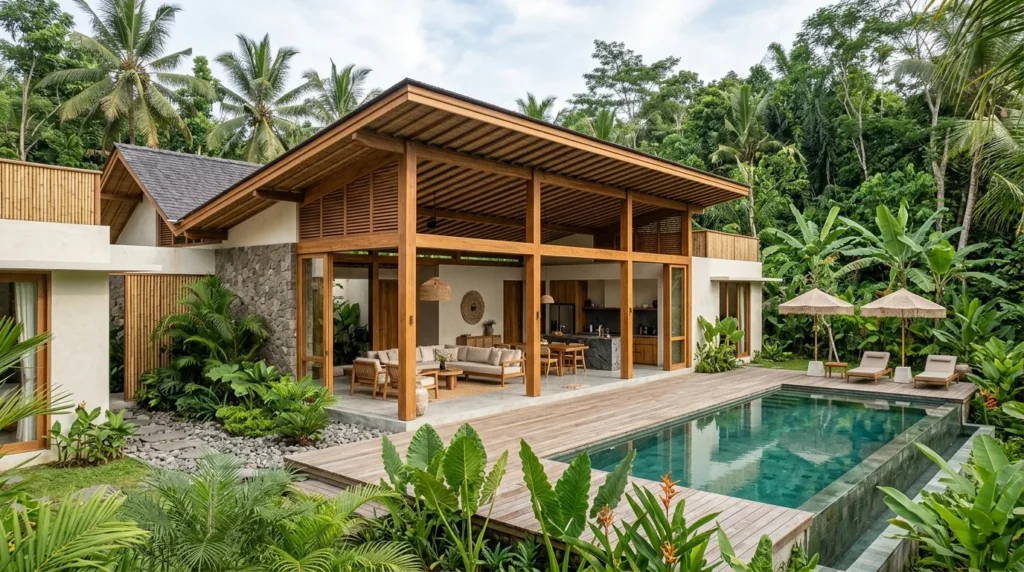
Interior Design and Atmosphere: Balinese design seamlessly blends with contemporary wellness aesthetics. Incorporate natural materials like bamboo, teak wood, stone, and rattan. Prioritize an open, airy layout that feels connected to the outdoors. Lush tropical plants are non-negotiable for creating a fresh, vibrant ambiance. Lighting is key—use warm, soft lighting for a cozy feel during evenings. Consider the flow: the counter where orders are placed, the preparation area (which can be part of the show), and comfortable seating for different group sizes—communal tables for socializing, quiet corners for focused work.
Crafting a Strategic Menu: Your menu is your core product. It must be:
Focused yet Varied: Start with a core offering of 8-10 signature juices and 5-7 smoothies. Expand with a curated selection of wellness shots, smoothie bowls, and perhaps a small range of health-focused savory items (salads, wraps, grain bowls). A focused menu reduces waste, simplifies inventory, and ensures quality.
Ingredient-Driven and Transparent: Highlight the health benefits. Use terms like “adaptogens,” “superfoods,” “detox,” and “immunity-boosting.” Be transparent about ingredients—list them clearly. Cater to dietary restrictions: clearly label items as vegan, gluten-free, or containing common allergens.
Bali-Inspired: Incorporate local flavors to stand out. Use fresh Balinese turmeric (kunyit), ginger (jahe), lemonglgrass (sereh), and tropical fruits like salak (snake fruit), mangosteen, and rambutan. This not only ensures freshness but also creates a unique selling point for tourists seeking an authentic experience.
Essential Equipment: Invest in commercial-grade equipment that can handle high volume. This includes:
Heavy-Duty Juicers: Cold-press (masticating) juicers for maximum nutrient retention and yield are the gold standard for juice bars. Have at least two to ensure uninterrupted service.
Commercial Blenders: High-speed blenders (e.g., Vitamix, Blendtec) are crucial for smoothies and smoothie bowls.
Refrigeration: Ample display fridges for produce and ready-to-drink juices, plus a large walk-in cold room for storage.
Supporting Tools: High-quality scales, cutting boards, storage containers, and an efficient washing station.
Operations: Sourcing, Staffing, and Compliance
The daily grind of operations is where your business lives or dies. Efficiency, consistency, and compliance are paramount.
Sourcing Your Ingredients: Your commitment to quality starts with your supply chain.
Local Farmers’ Markets (Pasar): Sourcing directly from markets like the Ubud Organic Market or local pasar pagi (morning market) ensures freshness and supports the local economy. This is time-intensive but can be a rewarding part of your brand story.
Specialized Distributors: For consistent supply of specific items (e.g., a particular brand of almond milk, chia seeds, or cacao powder), use reputable local health food distributors.
Building Relationships: Develop direct relationships with farmers for key produce. This guarantees supply, allows for better price negotiation, and strengthens your “farm-to-cup” narrative.
Hiring and Training Your Team: Your staff are your front-line ambassadors. In Bali’s service-oriented culture, a warm, friendly, and efficient team is essential.
Key Roles: Hire a skilled Juice Master/Barista who is fast, consistent, and has good hygiene. Customer service staff (pelayan) need to be knowledgeable about the menu, able to explain ingredients and benefits, and proficient in English (and ideally other languages).
Training: Invest heavily in training. Ensure every team member understands your brand story, the health benefits of the menu, standard operating procedures for preparation, and hygiene protocols. Cross-train staff to handle multiple roles.
Navigating Legal and Regulatory Compliance: This is a critical, often complex step. Non-compliance can result in fines or closure.
Business Licenses: Beyond your PT PMA, you need a Nomor Induk Berusaha (NIB), a Tanda Daftar Perusahaan (TDP), and a Izin Usaha Pariwisata (Tourism Business License).
Health and Safety Certificates: Obtain a Sertifikat Laik Higiene Sanitasi (Hygiene and Sanitation Feasibility Certificate) for your establishment and ensure all food handlers have a health certificate.
BPOM (Food and Drug Authority): If you plan to sell any pre-packaged products, they must be registered with BPOM.
Consult a Notary (Notaris) and a local business consultant to navigate the bureaucracy. The process is non-negotiable and should be started months in advance.
Marketing, Launch, and Growth
With the operational engine built, it’s time to attract your customers and build a loyal community.
Pre-Launch Buzz: Start building hype 1-2 months before opening.
Social Media Presence: Create Instagram and Facebook pages. Post captivating content about your journey—renovation progress, menu testing, ingredient sourcing trips to farms. Use high-quality photography and relevant hashtags (#balihealthfood #baliyoga #canggufood).
Collaborations: Partner with local yoga studios, surf schools, hotels, and wellness influencers for cross-promotions and soft launch invitations.
Website and Google My Business: Have a simple, attractive website with your menu, story, and location. Claim and optimize your Google My Business listing from day one.
The Grand Opening: Make it an event. Offer free samples of your signature juices, perhaps with a small discount for first-day customers. Ensure everything runs smoothly, as first impressions are lasting.
Ongoing Marketing and Community Building:
Loyalty Programs: Implement a simple stamp or digital loyalty card to encourage repeat visits.
Events: Host workshops (e.g., “Intro to Juicing”), yoga sessions, or wellness talks to turn your cafe into a community hub.
Online Ordering and Delivery: Partner with platforms like GoFood or GrabFood to capture the significant delivery market in Bali.
Consistency is key. Deliver the same high-quality product and friendly service every single day. Word-of-mouth in Bali’s close-knit expat and tourist community is your most powerful marketing tool.
Conclusion: Cultivating Your Success
Building a juice bar or health cafe in Bali is a journey that intertwines entrepreneurial spirit with a deep respect for the island’s culture and natural abundance. It requires a blend of global wellness trends and local Balinese wisdom—a concept the Balinese call Tri Hita Karana, harmony with people, nature, and the spiritual world. Success won’t come from a perfect acai bowl alone, but from a holistic approach: a compelling concept, a prime location, an authentic ambiance, a delicious and healthy menu, flawless operations, and a passionate, community-driven marketing effort. The path is challenging, filled with bureaucratic hurdles and competitive pressures, but the reward—creating a thriving, positive space that nourishes both people and your own entrepreneurial dreams in one of the world’s most beautiful locations—can be profoundly fulfilling. Start with a solid plan, respect the process, embrace the local culture, and let your passion for health and wellness guide you. Selamat berjuang! (Good luck with your struggle/effort!)
 By Jaya Construction Bali November 13, 2026
8 min read