Building a Pool Bar for Your Bali Property: A Guide to Creating the Ultimate Tropical Escape
By Jaya Construction BaliNovember 9, 20268 min read
In this article
Bali’s enchanting blend of natural beauty, vibrant culture, and laid-back luxury makes it a prime location for both personal retreats and investment properties. For many villa owners, the ultimate aspiration is to create an immersive, resort-like experience that maximizes the island’s indoor-outdoor lifestyle. One feature that consistently elevates a property from exceptional to unforgettable is a well-designed pool bar. More than just a place to mix cocktails, a Bali pool bar becomes the social and aesthetic heart of your outdoor space, offering a seamless blend of functionality, entertainment, and tropical ambiance. This guide will walk you through the essential steps and considerations for building a pool bar that not only enhances your daily enjoyment but also significantly boosts your property’s allure and value.
Strategic Planning: Laying the Foundation for Success
Before a single tile is laid or a piece of teak is cut, meticulous planning is paramount. This initial phase will determine the project’s feasibility, budget, and ultimate success.
Defining Your Vision and Purpose
First, clarify the primary function of your pool bar. Will it be a private sanctuary for family enjoyment, a sophisticated entertaining space for guests, or a commercial-grade feature for a rental villa? The answer influences everything from size and layout to equipment and durability requirements. Consider the key user experience you want to create: intimate conversation nooks, a vibrant party hub, or a casual refreshment station.
Understanding Local Regulations and Permits
Navigating Bali’s regulatory landscape is a critical and often complex step. Engage with a local architect or project manager familiar with izin mendirikan bangunan (IMB) and other necessary permits. Rules can vary by regency (like Badung, Gianyar, or Tabanan) and even by village. Key considerations include setbacks from property lines, maximum building coverage, and noise ordinances. For properties in tourist-heavy areas, additional permits may be required if you plan to offer the bar commercially. Starting this process early prevents costly delays and redesigns.
Budgeting and Resource Allocation
Establish a realistic budget that accounts for all phases. Beyond construction, include costs for:
Design and professional fees (architect, engineer, landscape designer).
Permits and legal consultations.
High-quality materials suited for Bali’s humid, tropical climate.
Skilled labor, which is a significant but worthwhile investment.
Plumbing and electrical work, often requiring certified professionals.
Furnishings, lighting, and decorative elements.
Allocating a contingency fund of 10-15% is wise for unexpected issues common in construction, especially when renovating existing spaces.
Design and Layout: Harmonizing Function with Balinese Aesthetics
The design should be a natural extension of your villa’s architecture and the surrounding landscape, creating a harmonious flow from the pool to the bar and onward to other outdoor living areas.
Selecting the Perfect Location
The placement of your pool bar is arguably its most important design decision. Ideal locations offer:
Convenience: Easy access from the pool (wet feet are inevitable) and from indoor kitchen or living areas.
Views: Orientation to capture the best perspectives of your garden, rice terraces, or ocean horizon.
Functionality: Proximity to existing plumbing and electrical lines to reduce installation costs.
Shade and Comfort: Placement under mature trees or with plans for strategic shading structures to protect guests and service staff from the intense sun.
A popular configuration is an L-shaped or swim-up bar that is partially submerged in the pool, allowing swimmers to enjoy drinks without leaving the water.
Integrating Authentic Balinese Design Elements
To ensure your bar feels genuinely “Bali,” incorporate traditional elements with contemporary flair:
Materials: Use locally sourced and sustainable materials. Batu alam (natural stone), reclaimed ulins or teak wood, woven bamboo (anyaman), and paras (volcanic tuff) stone are classic choices. These materials age beautifully and withstand the climate.
Structures: Consider a bale (traditional pavilion) as the bar’s roof structure. Thatched alang-alang grass roofs provide excellent insulation and a quintessential tropical look. Alternatively, open-sided structures with heavy timber beams create a rustic yet refined atmosphere.
Water Features: Incorporate small water elements like a stone fountain near the bar. The sound of flowing water enhances tranquility and masks ambient noise.
Planning the Functional Layout
A highly functional bar layout streamlines service and enhances the guest experience. Key areas include:
The Bar Counter: Should be at a comfortable height (typically 42-45 inches for a standing bar) with a durable, waterproof countertop. Overhang the counter by 8-10 inches to accommodate bar stools.
The Service Area (Back Bar): This work triangle needs a sink (with hot and cold water), ample prep space, and under-counter storage for glasses and supplies.
Storage: Include lockable cabinets for liquor and a dedicated, shaded area for a large trash and recycling bin.
Seating: A mix of built-in seating along the bar, freestanding stools, and adjacent lounge chairs or daybeds caters to different moods. Ensure all upholstery is outdoor-grade and quick-drying.
Construction and Material Selection: Building for Durability and Beauty
With a solid plan and design in hand, the construction phase focuses on quality execution and material resilience.
Choosing Weather-Resistant Materials
Bali’s climate demands materials that resist humidity, sun, rain, and insect damage.
Wood: Teak is the gold standard due to its natural oils that prevent rot and decay. Ensure it is legally and sustainably sourced. Properly treated merbau or ulin are also excellent, though heavier.
Stone: Volcanic stone and coral stone are popular but must be sealed properly to prevent staining and water absorption. Natural grey paras stone is a versatile and durable choice.
Metals: Use marine-grade stainless steel (316 grade) for fixtures, frames, and hardware to prevent rust.
Finishes: Apply high-quality exterior sealants, varnishes, or paints specifically designed for tropical environments. These need regular maintenance, typically every 1-2 years.
Essential Infrastructure and Utilities
Do not underestimate the behind-the-scenes elements.
Electrical: Hire a certified electrician to install all wiring, ensuring it is rated for outdoor/wet locations and protected by residual-current devices (RCDs) for safety. Plan for ample lighting and power points for blenders, refrigerators, and sound systems.
Plumbing: Proper drainage is crucial. The bar area should slope slightly away from the pool and seating areas to prevent water pooling. Install a grease trap for the sink if food preparation is involved.
Lighting: Create a layered lighting scheme. Use overhead task lighting for the service area, ambient string lights or lanterns for atmosphere, and underwater LED lights in the pool to illuminate the bar area at night. Dimmable options offer great control over the mood.
Hiring the Right Team
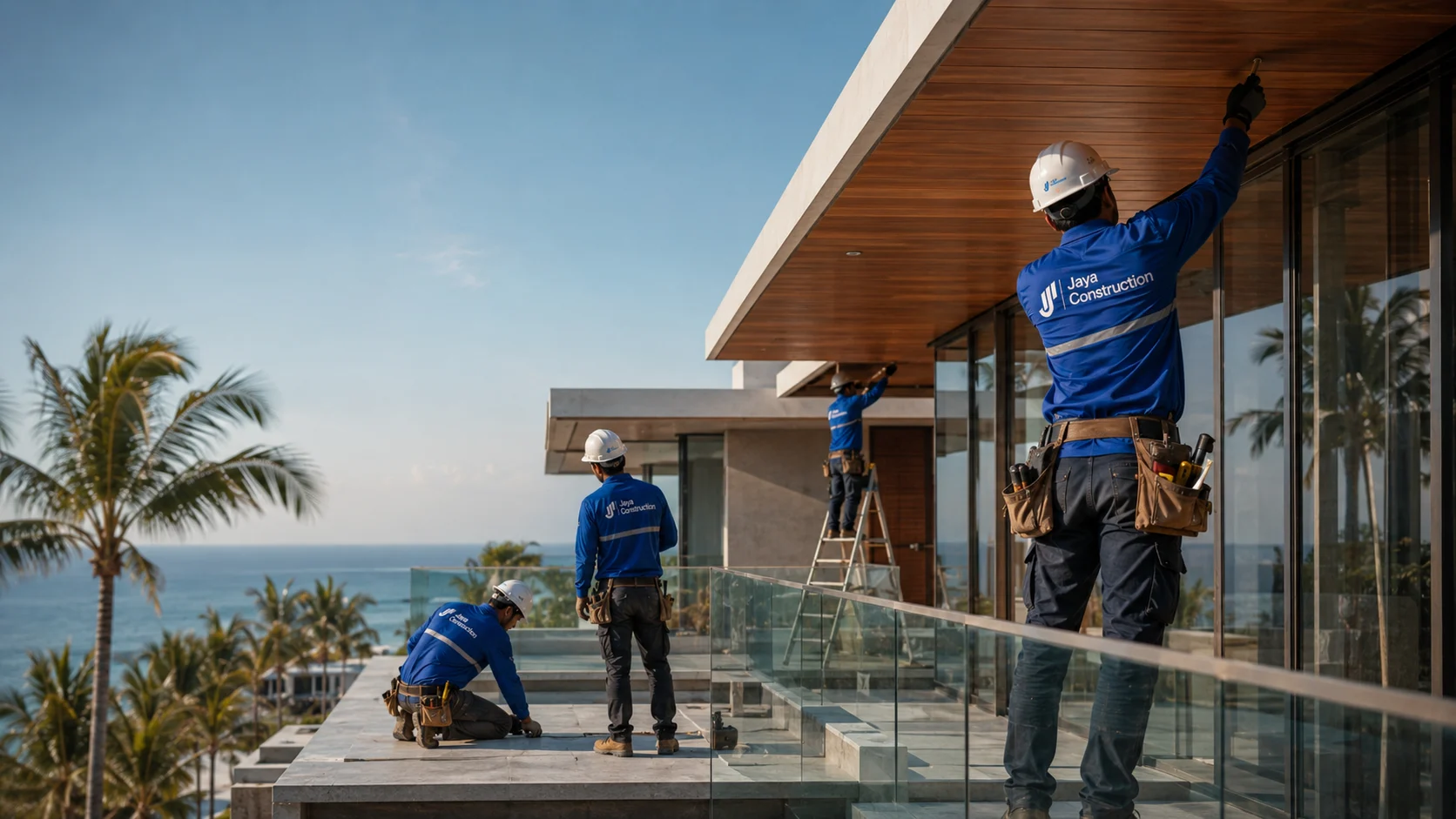
The success of your build rests on skilled craftsmanship. Seek recommendations for builders and carpenters with proven experience in high-end outdoor projects. Review their previous work, especially any bars or poolside structures. Clear communication, a detailed contract outlining scope, timeline, and payment schedules, and regular site visits are essential to manage the project effectively.
Amenities and Finishing Touches: Curating the Experience
The final layer transforms a well-built structure into an immersive experience.
Bar Equipment and Appliances
Invest in commercial-grade or heavy-duty residential equipment built to handle frequent use. Key items include:
A quality refrigerator (consider a dual-zone unit for wine and beer).
A powerful blender for frozen cocktails.
An under-counter ice maker.
A durable sink with a gooseneck faucet for easy cleaning.
Secure storage for spirits and glassware.
Decor and Ambiance
This is where your personal style shines. Use decor to tell a story and enhance the tropical vibe:
Textiles: Add color and pattern with outdoor cushions, table runners, and napkins using traditional Balinese ikat or endek fabrics.
Greenery: Surround the bar with lush tropical plants in attractive pots—ferns, crotons, and fragrant frangipani or jasmine.
Art: Display local art, vintage surfboards, or antique fishing nets as wall decor.
Practical Decor: Use beautiful woven baskets for storing napkins or displaying fruit. Chopping boards made from local wood serve as both utensil and garnish display.
Creating a Complete Outdoor Kitchen (Optional)
For ultimate functionality, integrate a barbecue grill, pizza oven, or dedicated food prep station adjacent to the bar. This turns the area into a complete entertainment zone, perfect for hosting dinners under the stars.
Operational Considerations for Rental Properties
If your villa is a vacation rental, the pool bar becomes a major marketing asset. Operate it wisely:
Guest Instructions: Provide clear, laminated instructions for safe and proper use of equipment like the ice maker or blender.
Stocking Services: Partner with a local supplier to offer pre-stocked “welcome packs” (beers, wines, mixers, snacks) for arriving guests, which can be an additional revenue stream.
Maintenance Protocol: Establish a strict cleaning and maintenance routine with your villa manager or staff to keep the bar hygienic and in perfect working order between guests.
Safety: Install non-slip mats, ensure adequate lighting, and consider a lockable cabinet for alcohol if not offering it as an inclusive service.
Conclusion: An Investment in Lifestyle and Value
Building a pool bar in your Bali property is a significant undertaking, but one that reaps profound rewards. It transcends mere construction to become the creation of a destination—a place where memories are made, where the stress of the outside world dissolves into the clink of ice in a glass and the gentle ripple of the pool. By prioritizing thoughtful planning, authentic design, durable construction, and meticulous finishing, you can build a space that is not only beautiful and functional but also deeply resonant with the spirit of Bali.
The true value of your pool bar lies in its ability to elevate daily life, transforming your property into a sanctuary of leisure and connection. It stands as a testament to the art of tropical living, offering a perpetual return on investment through unparalleled enjoyment, enhanced property value, and the creation of an unforgettable guest experience. With careful execution, your Bali pool bar will undoubtedly become the favorite corner of your island paradise.
 By Jaya Construction Bali November 9, 2026
8 min read