Building a Boutique Hotel in Bali: A Complete Guide to Crafting Your Tropical Dream
By Jaya Construction BaliOctober 15, 20268 min read
In this article
Bali, the famed “Island of the Gods,” is more than just a tourist destination; it’s a global magnet for travelers seeking spiritual rejuvenation, cultural immersion, and unparalleled natural beauty. This constant influx creates a vibrant, yet competitive, hospitality market. For the visionary entrepreneur, the opportunity to build a boutique hotel here represents the chance to create a unique sanctuary that blends luxury with authenticity, offering guests an experience far removed from generic resort chains. This comprehensive guide will walk you through the essential steps, from initial spark to grand opening and beyond, demystifying the process of bringing your Balinese boutique hotel vision to life.
Introduction: The Allure of the Balinese Boutique
The boutique hotel concept thrives in Bali. These properties, typically characterized by their intimate size, distinctive design, and personalized service, are perfectly suited to an island where character, atmosphere, and connection are highly valued. Guests are increasingly seeking properties that tell a story, reflect their surroundings, and provide a curated, memorable stay. However, building in paradise is a complex endeavor that intertwines creative ambition with rigorous practical, legal, and financial planning. Success hinges on respecting the island’s unique culture, navigating its business landscape, and maintaining an unwavering commitment to quality and guest experience. This guide aims to provide you with the foundational knowledge to embark on this challenging but incredibly rewarding journey.
Phase 1: Meticulous Planning & Foundational Research
Before a single blueprint is drawn, the most critical work occurs on paper and in your mind. Thorough planning sets the trajectory for the entire project.
Defining Your Concept and Brand
Your hotel’s concept is its soul. It must be clear, compelling, and consistent. Ask fundamental questions:
Target Market: Are you targeting wellness-focused yogis, adventurous surfers, digital nomads, luxury honeymooners, or culture-seeking families? Your answer dictates everything from location to amenities.
Unique Selling Proposition (USP): What will make your hotel stand out? Is it an architectural marvel, a farm-to-table culinary program, an integrated healing center, or a deep dive into Balinese craftsmanship? Your USP is your brand’s cornerstone.
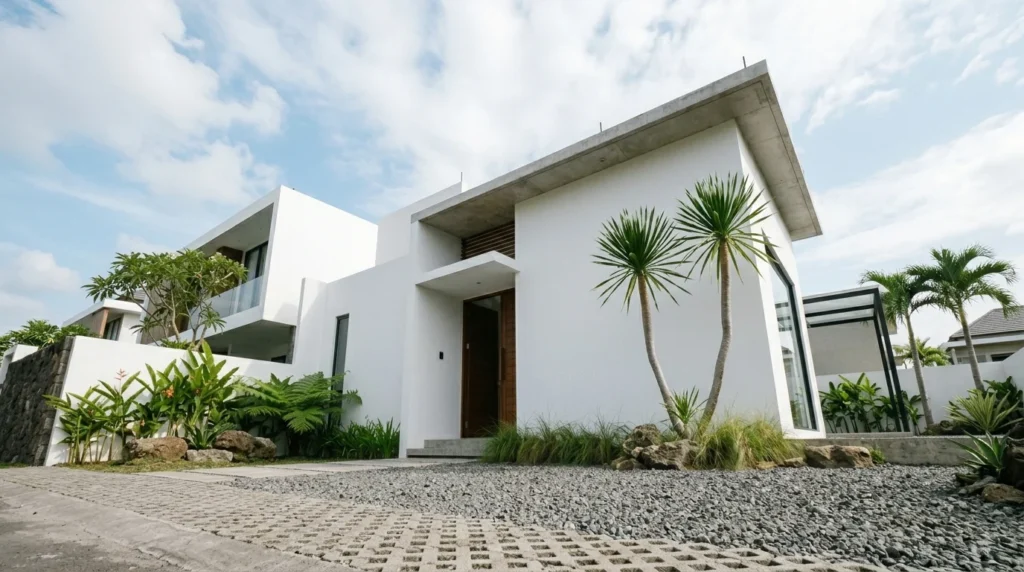
Design Philosophy: Will you embrace traditional Balinese architecture with modern comforts, adopt a minimalist tropical style, or create a bold contemporary statement? The design should feel authentic to its environment.
Location Scouting: More Than Just a View
In real estate, the mantra is location, but in Bali, location is paramount. It determines your accessibility, view, vibe, and operational feasibility. Key areas include:
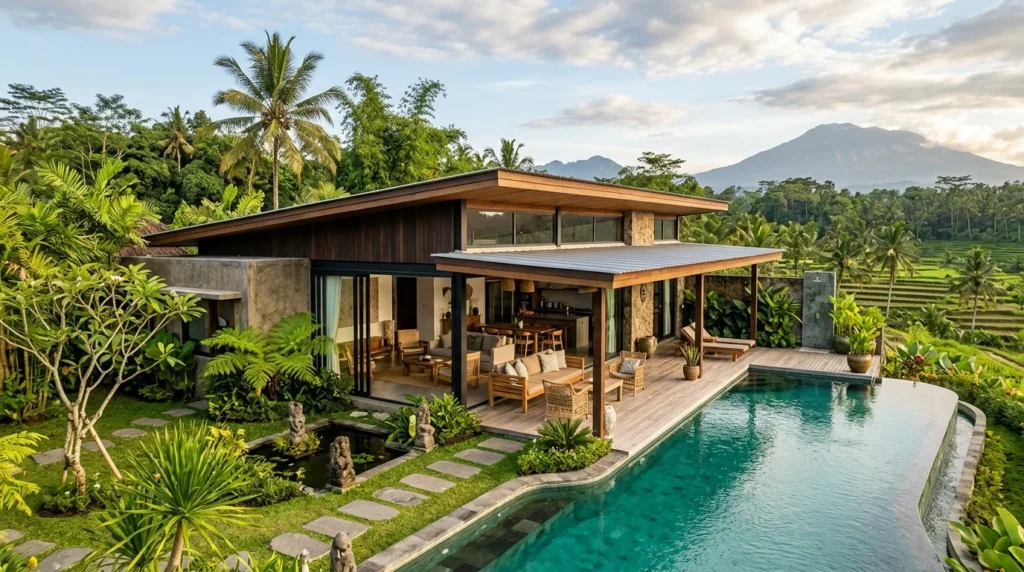
Ubud: The cultural heart, surrounded by rice terraces and rainforest. Ideal for wellness, arts, and nature-centric properties.
Seminyak/Canggu: Trendy, vibrant, and surf-oriented. Best for lifestyle hotels, dining concepts, and attracting a younger, dynamic crowd.
Uluwatu/Southern Cliffs: Dramatic cliff-top locations with stunning Indian Ocean views. Suited for luxury escapes and surfing enthusiasts.
Amed/Tulamben (East Bali): Quieter, known for diving and snorkeling. Perfect for eco-retreats and dive-focused lodges.
Beyond the region, due diligence on a specific plot is non-negotiable. Check for clear title (Hak Milik or Hak Guna Bangunan), ensure it is not in a sacred or protected area (pura, green zone), and verify road access and utility provisions.
Feasibility Study and Business Plan
Transform your concept into a viable financial model. A detailed business plan is essential for securing funding and guiding your decisions. It should include:
Market Analysis: Detailed research on competitors, occupancy rates, and pricing strategies in your chosen area.
Financial Projections: Realistic estimates for construction costs, operational expenses, staffing, and revenue. Account for seasonal fluctuations.
Funding Strategy: Will you self-fund, seek investors, or secure a bank loan? Indonesian banks can be cautious with hospitality projects, so having a robust plan is crucial.
Phase 2: Navigating the Legal and Financial Framework
Indonesia has specific regulations for foreign investment and property. Understanding this landscape is fundamental to avoiding costly pitfalls.
Understanding Land Ownership and Business Structures
Foreigners cannot directly own freehold land (Hak Milik) in Indonesia. The common and recommended path for a hotel business is to establish a foreign-owned limited liability company, known as a PT PMA. This company can then hold a long-term building right (Hak Guna Bangunan or HGB) for up to 80 years (with extensions). You will need a local Indonesian partner to hold a small percentage of shares, a requirement that necessitates a trustworthy and legally binding agreement. Engaging a reputable local notary (notaris) and legal consultant specializing in investment law is an absolute necessity to structure this correctly.
Securing Licenses and Permits
The permitting process in Bali is multi-layered and requires patience. Key documents include:
Building Permit (PBG): Formerly known as IMB, this authorizes construction based on approved architectural plans.
Environmental Permit (UKL-UPL): An environmental impact assessment is required for all commercial developments.
Operational License: Includes business registration, tax number (NPWP), tourism enterprise registration, and a fire safety certificate.
The process involves multiple government agencies at the regency (kabupaten) and provincial level. Your local consultant and project manager will be invaluable in navigating this bureaucratic journey.
Assembling Your Core Team
No one builds a hotel alone. You need a team of experts with local experience:
Project Manager: Acts as your representative on the ground, overseeing the entire build process.
Architect & Interior Designer: Preferably one experienced in tropical, sustainable design who understands local materials and construction methods.
Legal & Notary Team: As mentioned, they handle all company establishment and land agreements.
Construction Contractor: Vet them rigorously. Visit their past projects, check references, and ensure they understand your quality expectations.
Phase 3: Design, Construction, and Sustainable Integration
This is where your vision takes physical form. Balinese construction presents unique challenges and opportunities related to climate, culture, and materials.
Architectural Design and Sustainability
Bali’s tropical climate dictates design. Incorporate principles of *Tri Hita Karana*—the Balinese philosophy of harmony with people, nature, and the spiritual world. This translates into practical design:
Passive Design: Maximize natural ventilation and airflow to reduce reliance on air conditioning. Use large overhangs to provide shade and protect from monsoon rains.
Local Materials: Utilize volcanic stone (paras), sustainable timber, bamboo, and alang-alang grass thatching. These materials are not only beautiful but also keep the building cooler and support the local economy.
Water Management: Implement a robust system for rainwater harvesting, greywater recycling for garden irrigation, and consider wastewater treatment plants, especially if near the coast.
Landscape as an Extension: Integrate the lush Balinese landscape into the design with courtyards, water features (taman), and native gardens that require minimal irrigation.
The Construction Process
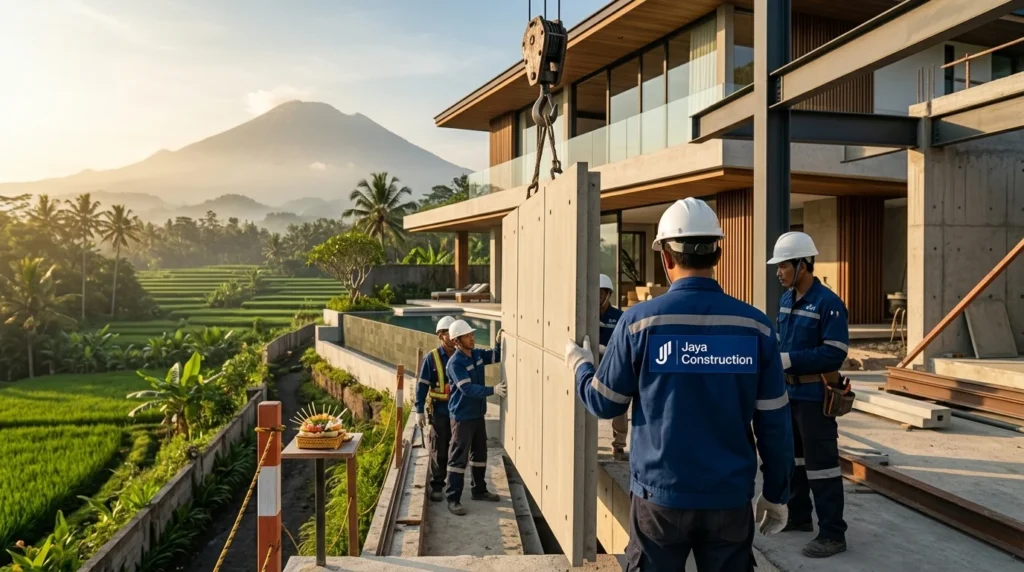
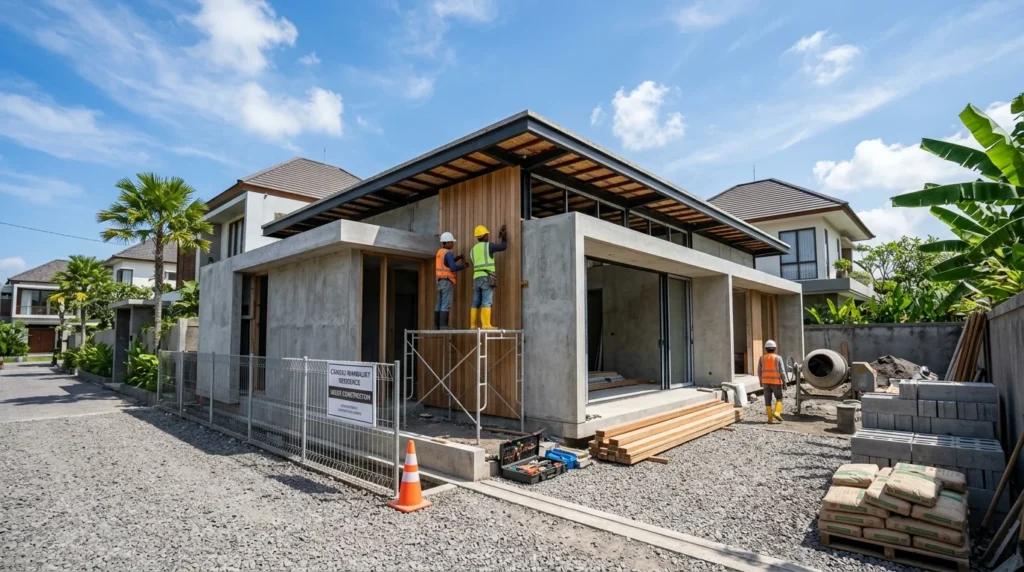
Build during the dry season (April-October) to avoid major weather delays. Establish clear communication lines with your project manager and contractor. Regular site visits are crucial. Be prepared for common challenges like material supply delays, labor shortages during harvest or religious holidays (Galungan, Nyepi), and unexpected costs. A contingency budget of 15-20% is highly recommended.
Balinese Cultural Integration
Authenticity is your greatest asset. Work with local artisans for carvings, stonework, and textiles. Incorporate elements like a penjor (ceremonial bamboo pole) in your design subtly and respectfully. Ensure your property has a small temple (pelinggih) for the staff and adhere to important ceremonial days by closing or operating quietly. This cultural respect is not just good ethics; it enriches the guest experience immensely.
Phase 4: Operational Strategy and Marketing Launch
Building the hotel is only half the battle. Now you must bring it to life and fill it with guests.
Hiring and Training Your Team
The Balinese are renowned for their warmth and hospitality. Hire locally wherever possible. Invest heavily in training, focusing not just on technical skills but on the philosophy of personalized service that defines a boutique property. Empower your staff to anticipate needs and create moments of genuine connection. A happy, well-trained team is your most valuable marketing asset.
Curating the Guest Experience
From pre-arrival communication to the farewell, every touchpoint matters. Develop signature experiences: a Balinese cooking class, a guided village walk, a personalized spa treatment using local ingredients, or a curated art tour. Your restaurant or café should be a destination in itself, showcasing local flavors with a creative twist.
Marketing and Distribution
Build a strong digital presence with a visually stunning, mobile-friendly website and high-quality photography that captures the essence and emotion of staying at your hotel. Leverage social media, particularly Instagram and Pinterest, which are ideal for showcasing Bali’s beauty. Partner with travel influencers who align with your brand. List on online travel agencies (OTAs) like Booking.com and Expedia for visibility, but also focus on driving direct bookings through your website with a best-rate guarantee. Develop relationships with niche travel agents who specialize in luxury or experiential travel to Bali.
Conclusion: Crafting a Legacy in Paradise
Building a boutique hotel in Bali is a monumental undertaking that demands a blend of creative passion, business acumen, cultural sensitivity, and relentless perseverance. It is a journey fraught with bureaucratic hurdles, financial risks, and construction challenges. Yet, the reward is unparalleled: the opportunity to create a lasting sanctuary that celebrates the magic of Bali, provides livelihoods for the local community, and offers guests transformative experiences. By prioritizing meticulous planning, legal diligence, sustainable design, authentic cultural integration, and a profound commitment to guest-centric operations, you can build more than just a hotel—you can craft a legacy. In a world of increasing homogenization, a thoughtfully conceived boutique hotel in Bali stands as a beacon of authenticity, offering a slice of island life that stays with its guests long after they have returned home.
 By Jaya Construction Bali October 15, 2026
8 min read
By Jaya Construction Bali October 15, 2026
8 min read