The Balinese philosophy of benefit building, known as “Tri Hita Karana,” is a guiding principle that shapes the way of life in Bali. This ancient philosophy emphasizes the importance of maintaining harmony and balance between humans, nature, and the spiritual world. It is deeply rooted in the belief that all living beings are interconnected and that actions should be taken to benefit all three realms. This philosophy is reflected in every aspect of Balinese life, from daily rituals to community practices and even in the way the island’s economy is structured.
The concept of Tri Hita Karana can be seen in the way Balinese people interact with their environment. They have a deep respect for nature and believe that it is essential to maintain a harmonious relationship with the natural world. This is evident in their traditional agricultural practices, which are based on sustainable and eco-friendly methods that have been passed down through generations. Additionally, the Balinese people are known for their strong sense of community and their willingness to help one another. This communal spirit is a reflection of the philosophy of benefit building, as it emphasizes the importance of working together for the greater good of all.
Traditional Balinese Crafts and Artisanal Skills
Balinese crafts and artisanal skills have been honed over centuries, with each generation passing down their knowledge and expertise to the next. The island is renowned for its intricate woodcarvings, beautiful textiles, and exquisite silverwork, all of which are created using traditional methods that have been preserved and cherished by the local community. These crafts are not only a source of income for many Balinese families but also a way to preserve their cultural heritage and express their creativity.
Woodcarving is one of the most prominent traditional crafts in Bali, with artisans creating stunning sculptures, masks, and intricate panels that are often used to adorn temples and homes. The skill and precision required for this craft are truly impressive, and each piece tells a story through its intricate designs and symbolism. In addition to woodcarving, Balinese artisans are also known for their exceptional skills in creating textiles, such as batik and ikat. These traditional fabrics are often used to make clothing, ceremonial garments, and decorative items, and they are highly prized for their vibrant colors and intricate patterns. The art of silverwork is another important craft in Bali, with skilled silversmiths producing stunning jewelry and ornate ceremonial items that showcase the island’s rich cultural heritage.
Sustainable Tourism and Community Development in Bali
In recent years, Bali has become a popular destination for tourists seeking a unique cultural experience and natural beauty. However, the rapid growth of tourism has also brought about challenges related to environmental sustainability and community development. In response to these challenges, there has been a growing movement towards sustainable tourism in Bali, with a focus on preserving the island’s natural resources and supporting local communities.
One of the key principles of sustainable tourism in Bali is the promotion of responsible travel practices that minimize negative impacts on the environment and local culture. This includes initiatives such as eco-friendly accommodations, waste management programs, and efforts to reduce carbon emissions from transportation. Additionally, there has been a push to support community-based tourism initiatives that empower local residents and provide them with economic opportunities. This includes promoting homestays, local tours, and cultural experiences that allow visitors to engage with the Balinese community in a meaningful way.
Another important aspect of sustainable tourism in Bali is the promotion of environmental conservation and preservation. Efforts have been made to protect the island’s natural resources, such as its forests, rivers, and marine ecosystems, through initiatives such as reforestation projects, marine conservation programs, and sustainable agriculture practices. These efforts not only help to preserve Bali’s natural beauty but also contribute to the overall well-being of the local community by ensuring a healthy environment for future generations.
Balinese Agriculture and the Concept of Subak
Balinese agriculture is deeply intertwined with the island’s cultural and spiritual traditions, with farming practices that have been shaped by centuries-old customs and beliefs. One of the most unique aspects of Balinese agriculture is the concept of Subak, which is a traditional irrigation system that dates back to the 9th century. This system is based on the principles of water temple networks, which are managed by local communities to ensure the equitable distribution of water for rice cultivation.
The Subak system is not only an efficient method of irrigation but also a reflection of the Balinese philosophy of Tri Hita Karana, as it emphasizes the importance of maintaining harmony between humans, nature, and the spiritual world. The water temples that oversee the Subak system play a crucial role in regulating water usage and ensuring that rice fields receive an adequate water supply. These temples are also central to the spiritual life of the community, with ceremonies and rituals held to honor Dewi Sri, the goddess of rice and fertility.
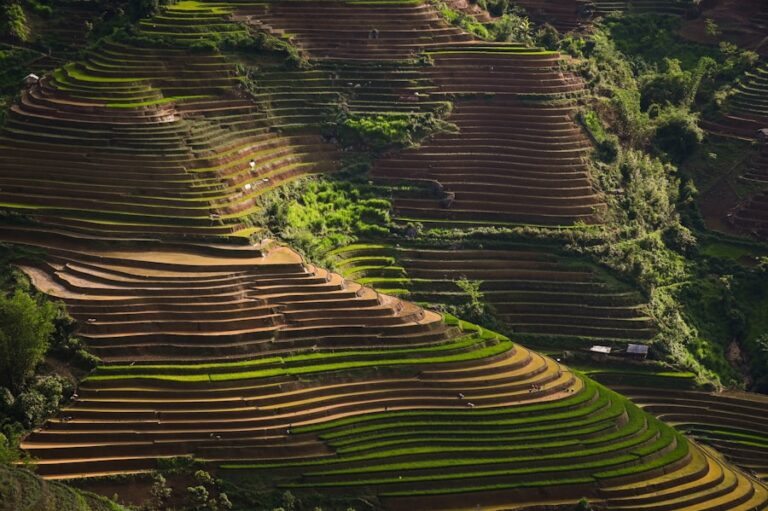
In addition to its cultural significance, the Subak system has also been recognized for its sustainable agricultural practices, which prioritize organic farming methods and biodiversity conservation. The rice terraces that are irrigated by Subak have become iconic symbols of Bali’s natural beauty and are recognized as UNESCO World Heritage Sites. These terraces not only provide a stunning backdrop for visitors but also serve as a testament to the ingenuity and wisdom of Balinese farmers who have managed to cultivate rice in challenging mountainous terrain for centuries.
Balinese Cuisine and Culinary Traditions
Balinese cuisine is a vibrant reflection of the island’s rich cultural heritage, with a diverse array of flavors, ingredients, and cooking techniques that have been passed down through generations. The cuisine is characterized by its use of aromatic spices, fresh herbs, and locally sourced ingredients, which come together to create dishes that are both flavorful and visually stunning. Balinese food is also deeply rooted in religious and ceremonial traditions, with certain dishes being prepared for specific rituals or festivals.
One of the most iconic dishes in Balinese cuisine is Babi Guling, which is a spit-roasted suckling pig that is seasoned with a blend of spices and herbs before being slow-cooked until tender. This dish is often served during special occasions such as weddings or religious ceremonies and is considered a symbol of prosperity and abundance. Another popular dish is Bebek Betutu, which is a slow-cooked duck dish that is marinated in a rich blend of spices before being wrapped in banana leaves and roasted until tender. The process of preparing Bebek Betutu is labor-intensive but results in a dish that is incredibly flavorful and aromatic.
In addition to these meat-based dishes, Balinese cuisine also features an abundance of vegetarian options that highlight the island’s diverse range of fruits, vegetables, and grains. One such dish is Lawar, which is a traditional salad made from finely chopped vegetables, grated coconut, and minced meat or tofu, all mixed together with a spicy blend of herbs and spices. Lawar is often served during religious ceremonies as an offering to the gods and is considered an essential part of Balinese culinary traditions.
Balinese Wellness and Healing Practices
Balinese wellness and healing practices are deeply rooted in traditional medicine systems that have been passed down through generations. The island’s rich natural resources, including aromatic herbs, medicinal plants, and mineral-rich waters, have long been used for their therapeutic properties in various healing rituals and treatments. Balinese wellness practices are based on the concept of maintaining balance between mind, body, and spirit, with an emphasis on holistic well-being.
One of the most well-known healing practices in Bali is traditional massage therapy, which incorporates techniques such as acupressure, reflexology, and aromatherapy to promote relaxation and alleviate muscle tension. Balinese massage therapists are highly skilled in using their hands to apply gentle pressure to specific points on the body, helping to release energy blockages and restore harmony within the body. Another popular healing practice is Jamu, which is a traditional herbal medicine made from a blend of natural ingredients such as turmeric, ginger, tamarind, and lemongrass. Jamu is believed to have various health benefits, including boosting immunity, improving digestion, and detoxifying the body.
In addition to these traditional healing practices, Bali is also known for its wellness retreats and spa resorts that offer a range of holistic treatments aimed at promoting overall well-being. These retreats often incorporate yoga, meditation, detox programs, and healthy cuisine to provide guests with a comprehensive wellness experience that nurtures both body and mind.
Balinese Festivals and Cultural Celebrations
Balinese festivals and cultural celebrations are vibrant expressions of the island’s rich heritage and spiritual traditions. These events are deeply rooted in religious beliefs and are an integral part of Balinese life, providing an opportunity for communities to come together to honor their gods, ancestors, and cultural identity. The festivals are marked by colorful processions, traditional music and dance performances, elaborate offerings, and ceremonial rituals that showcase the island’s unique cultural heritage.
One of the most important festivals in Bali is Galungan, which celebrates the victory of dharma (good) over adharma (evil) and marks the time when ancestral spirits return to earth for a visit. During this 10-day festival, families prepare elaborate offerings known as “banten” that are placed at temples and family shrines to welcome their ancestors back home. The festival culminates with Kuningan, which is a day when special offerings are made to express gratitude for blessings received during Galungan.
Another significant festival in Bali is Nyepi, also known as the Day of Silence. This Hindu New Year celebration is marked by a day of complete silence and self-reflection when all activities come to a halt across the island. The day before Nyepi is known as “Pengerupukan,” during which large processions take place featuring “ogoh-ogoh” effigies that represent evil spirits. These effigies are paraded through villages before being set on fire to symbolize the purification of negative energies.
In addition to these major festivals, Bali also hosts numerous smaller celebrations throughout the year that highlight various aspects of its cultural heritage, such as music festivals, dance performances, art exhibitions, and traditional ceremonies that provide visitors with an opportunity to immerse themselves in the island’s vibrant cultural traditions.
In conclusion, Bali’s rich cultural heritage is deeply intertwined with its philosophy of benefit building, which emphasizes harmony between humans, nature, and the spiritual world. This philosophy permeates every aspect of Balinese life – from traditional crafts and artisanal skills to sustainable tourism initiatives – reflecting a deep respect for nature and community well-being. The island’s agricultural practices are guided by the concept of Subak – an ancient irrigation system that not only sustains rice cultivation but also embodies spiritual significance. Balinese cuisine showcases an array of flavors rooted in religious traditions while wellness practices draw from ancient healing rituals using natural resources. Finally, Balinese festivals provide colorful expressions of cultural identity through vibrant processions and ceremonial rituals that honor ancestral spirits.
Bali’s unique cultural heritage continues to thrive through its philosophy of benefit building – fostering harmony between humans, nature, and spirituality – while preserving traditional crafts and artisanal skills that have been passed down through generations. Sustainable tourism initiatives aim to protect natural resources while supporting local communities; agricultural practices reflect spiritual significance through Subak; culinary traditions celebrate vibrant flavors rooted in religious beliefs; wellness practices draw from ancient healing rituals; while festivals provide colorful expressions of cultural identity through vibrant processions and ceremonial rituals honoring ancestral spirits.
In essence, Bali’s rich cultural heritage reflects its philosophy of benefit building – fostering harmony between humans, nature, and spirituality – while preserving traditional crafts; promoting sustainable tourism; sustaining agricultural practices; celebrating culinary traditions; nurturing wellness practices; while honoring vibrant festivals – all contributing to an enduring legacy that continues to thrive on this beautiful island paradise.