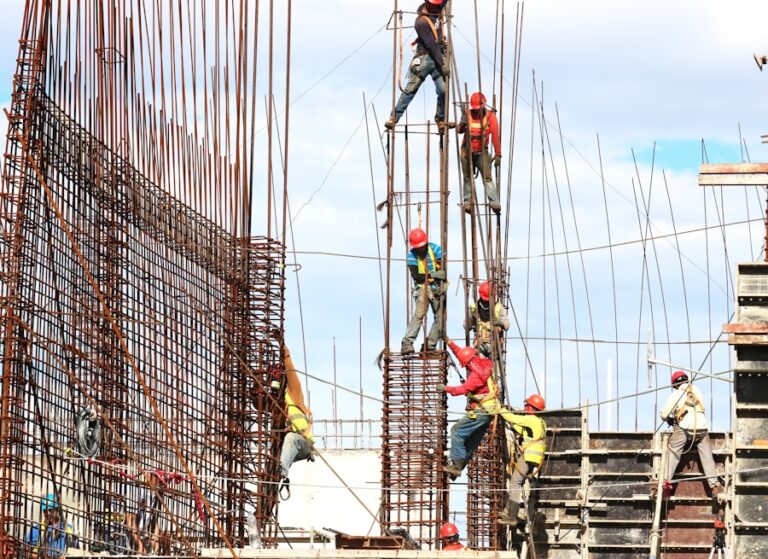
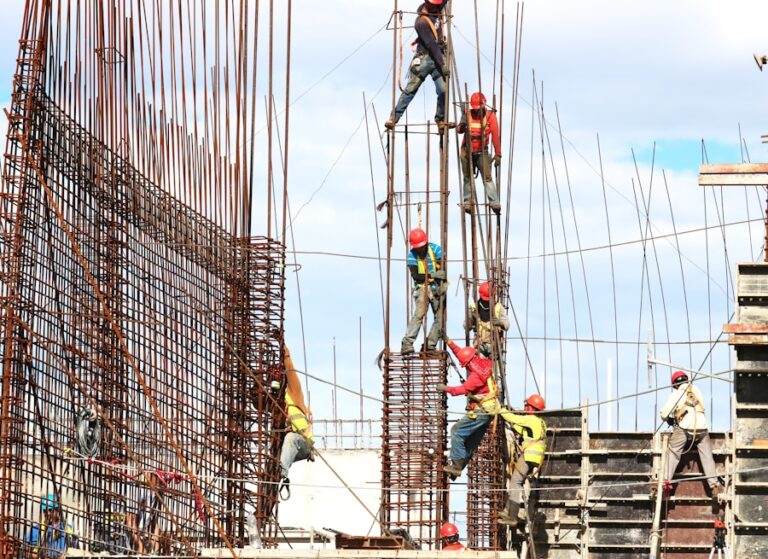
The rapid growth of Bali’s tourism industry has had a profound impact on the island’s construction sector. The influx of tourists from around the world has created a high demand for new and upgraded accommodations, leading to a surge in hotel and resort construction projects. This has not only provided employment opportunities for local workers but has also driven the development of new skills and expertise within the construction industry.
Furthermore, the rise in tourism has also led to an increase in demand for commercial and retail spaces, as well as entertainment and recreational facilities. As a result, there has been a significant uptick in the construction of shopping malls, restaurants, bars, and other tourist-oriented establishments. The need for improved infrastructure to support the growing number of visitors has also led to an increase in public works projects, such as the construction of roads, airports, and other transportation facilities.
The impact of tourism on Bali’s construction boom extends beyond just the physical structures being built. It has also led to the adoption of international standards and best practices in construction and design, as developers strive to meet the expectations of a global clientele. This has resulted in the integration of modern technologies and sustainable building practices into the construction process, ensuring that new developments are not only aesthetically pleasing but also environmentally friendly and energy-efficient.
Sustainable Development and Environmental Concerns in Bali
As Bali’s construction industry continues to expand, there is a growing emphasis on sustainable development and environmental conservation. The island’s natural beauty and unique ecosystem are major drawcards for tourists, making it imperative for developers to prioritize eco-friendly practices in their construction projects. This has led to an increased focus on green building techniques, such as the use of renewable materials, energy-efficient designs, and waste reduction strategies.
In addition to sustainable building practices, there is also a concerted effort to preserve Bali’s natural landscapes and protect its biodiversity. This includes adhering to strict regulations regarding land use and development, as well as implementing measures to minimize the impact of construction on local ecosystems. Furthermore, there is a growing trend towards incorporating green spaces and natural elements into architectural designs, creating a harmonious balance between built environments and the surrounding natural environment.
Environmental concerns in Bali also extend to issues such as water conservation, waste management, and pollution control. Developers are increasingly incorporating rainwater harvesting systems, wastewater treatment facilities, and recycling programs into their construction projects to minimize their environmental footprint. Additionally, there is a push towards using sustainable transportation methods and reducing carbon emissions in the construction process, further demonstrating a commitment to environmental stewardship.
The Role of Local and International Investments in Bali’s Construction Sector
The growth of Bali’s construction industry has been fueled by a combination of local and international investments. Local developers have played a significant role in driving the expansion of the sector, leveraging their knowledge of the local market and their understanding of cultural preferences to create unique and innovative projects. These developers have been instrumental in shaping Bali’s architectural landscape, infusing traditional Balinese design elements with modern aesthetics to create distinctive properties that appeal to both domestic and international buyers.
On the other hand, international investors have also made substantial contributions to the development of Bali’s construction sector. Their financial resources and global expertise have facilitated the implementation of large-scale projects, such as luxury resorts, high-end residential developments, and commercial complexes. International investments have not only brought in new technologies and design concepts but have also helped raise the overall standard of construction in Bali, positioning the island as a world-class destination for real estate investment.
The collaboration between local and international investors has resulted in a diverse range of construction projects that cater to different market segments, from budget-friendly accommodations to high-end luxury properties. This synergy has also fostered knowledge exchange and skills transfer between local and international professionals, contributing to the professional growth and development of Bali’s construction industry as a whole.
Challenges and Opportunities for Bali’s Construction Industry
| Investment Type | Contribution |
|---|---|
| Local Investments | 70% of total construction projects |
| International Investments | 30% of total construction projects |
| Employment Impact | Local investments create more jobs for Balinese workers |
| Technology and Innovation | International investments bring advanced construction methods and technologies |
Despite its rapid growth, Bali’s construction industry faces several challenges that need to be addressed in order to sustain its momentum. One of the primary challenges is the need for skilled labor, as the demand for construction workers often outstrips the available workforce. This has led to increased competition for skilled workers and rising labor costs, posing a potential threat to project timelines and budgets.
Another challenge is the need for improved infrastructure to support the growing construction activity on the island. While there have been significant investments in infrastructure development, there is still a need for better transportation networks, utilities, and public services to accommodate the expanding construction sector. Additionally, there is a need for streamlined regulatory processes and transparent permitting systems to facilitate smoother project approvals and reduce bureaucratic hurdles.
Despite these challenges, Bali’s construction industry presents numerous opportunities for growth and innovation. The island’s strong tourism sector continues to drive demand for new developments, creating opportunities for developers to explore niche markets and diversify their offerings. There is also potential for collaboration with local communities and indigenous artisans to incorporate traditional craftsmanship into modern construction projects, adding cultural value and authenticity to new developments.
Furthermore, advancements in technology and sustainable building practices present opportunities for developers to differentiate their projects and appeal to environmentally conscious consumers. The adoption of smart building technologies, renewable energy solutions, and green building certifications can position Bali as a leader in sustainable development within the region, attracting environmentally conscious investors and buyers.
The Future of Bali’s Construction Scene
Looking ahead, Bali’s construction industry is poised for continued growth and evolution as it adapts to changing market dynamics and consumer preferences. The island’s appeal as a tourist destination is expected to remain strong, driving sustained demand for new accommodations, entertainment venues, and recreational facilities. This will likely lead to further diversification within the construction sector, with an emphasis on niche markets such as wellness resorts, eco-friendly accommodations, and experiential tourism offerings.
Sustainable development will continue to be a key focus for Bali’s construction industry, with an increasing emphasis on eco-friendly designs, renewable energy solutions, and green building certifications. Developers will likely explore innovative approaches to minimize their environmental impact while maximizing energy efficiency and resource conservation. This will not only align with global sustainability trends but will also position Bali as a responsible and forward-thinking destination for real estate investment.
In addition to sustainable development, there is potential for further collaboration between local communities and developers to preserve Bali’s cultural heritage and traditional architectural styles. This could lead to the incorporation of indigenous design elements into modern construction projects, creating a sense of place and authenticity that resonates with both domestic and international buyers. Furthermore, advancements in technology such as virtual reality (VR) and augmented reality (AR) may revolutionize the way properties are marketed and designed, offering immersive experiences that showcase Bali’s unique offerings to potential buyers around the world.
Balinese Architecture and Design Trends in the Construction Industry
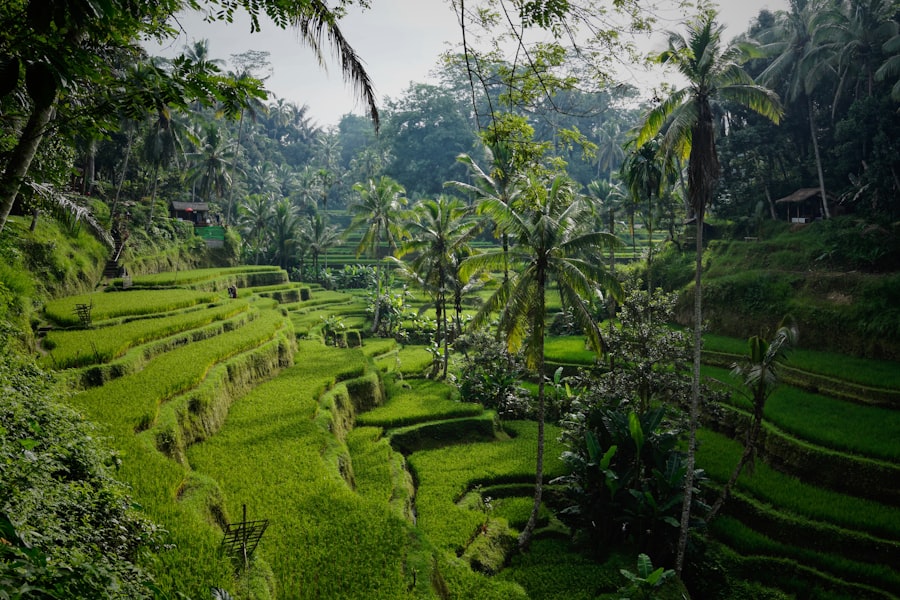
Balinese architecture is characterized by its harmonious blend of traditional design elements with modern aesthetics, creating distinctive properties that reflect the island’s rich cultural heritage. Traditional Balinese architecture often features open-air layouts, intricate carvings, thatched roofs, and ornate temple structures that pay homage to local customs and beliefs. These design elements are often incorporated into modern construction projects, creating a sense of authenticity that resonates with both locals and visitors.
In recent years, there has been a growing trend towards contemporary Balinese architecture that integrates traditional design principles with modern materials and technologies. This fusion of old and new creates visually stunning properties that offer a seamless blend of indoor-outdoor living spaces, natural light, and sustainable building practices. Additionally, there is an increasing emphasis on creating properties that celebrate Bali’s natural beauty through thoughtful landscaping, water features, and panoramic views that showcase the island’s lush landscapes.
The use of indigenous materials such as bamboo, stone, and recycled wood is also gaining popularity within Bali’s construction industry as developers seek to create properties that are both environmentally friendly and culturally authentic. These materials not only add character to new developments but also contribute to sustainable building practices by reducing carbon footprints and promoting local craftsmanship. As a result, Balinese architecture continues to evolve as developers embrace innovative approaches that honor tradition while embracing modernity in their designs.