Building a Wellness Retreat in Bali: A Complete Guide to Creating a Transformative Healing Destination
By Jaya Construction BaliNovember 17, 202617 min read
In this article
Bali has long been regarded as one of the most spiritually charged and naturally beautiful islands in the world. With its lush rice terraces, ancient Hindu temples, volcanic mountains, and warm tropical climate, it has become a magnet for travelers seeking inner peace, physical renewal, and emotional healing. For entrepreneurs and visionaries in the wellness industry, building a wellness retreat in Bali represents not just a business opportunity but a chance to create a space where transformation happens on a deeply personal level for every guest who walks through the door.
The global wellness tourism industry has experienced explosive growth over the past decade, and Bali sits at the heart of this movement. From yoga practitioners and meditation seekers to those recovering from burnout or navigating major life transitions, the island attracts a diverse range of visitors who are willing to invest significantly in their well-being. However, building a successful wellness retreat in this unique location requires far more than a beautiful piece of land and a vision. It demands careful planning, cultural sensitivity, legal knowledge, financial acuity, and a deep understanding of what makes a healing environment truly effective.
This comprehensive guide walks you through every essential step of building a wellness retreat in Bali, from initial concept development to welcoming your first guests.
—
Why Bali Is the Ideal Location for a Wellness Retreat
Bali’s reputation as a wellness destination is not accidental. The island possesses a rare combination of natural, cultural, and spiritual elements that create an inherently healing environment. Understanding why Bali is so uniquely suited for a wellness retreat will help you make informed decisions throughout the development process.
The island’s geography offers extraordinary diversity within a relatively compact area. The central highlands around Ubud provide cooler temperatures, dense jungle landscapes, and proximity to ancient healing traditions. The southern coastal areas around Uluwatu and Canggu offer dramatic cliffside settings and ocean access. The northern regions near Lovina and Amed provide quieter, more secluded environments far from the tourist crowds. Each of these areas has its own distinct energy and appeal, and choosing the right location is one of the most consequential decisions you will make.
Beyond geography, Bali’s cultural heritage is deeply intertwined with holistic healing. The Balinese Hindu tradition incorporates daily rituals, offerings, and ceremonies that honor the connection between the physical and spiritual worlds. Traditional Balinese healers, known as balian, have practiced energy healing, herbal medicine, and spiritual counseling for centuries. This living tradition of wellness means that your retreat can authentically integrate local healing practices rather than importing a purely Western wellness model onto Balinese soil.
The existing infrastructure for wellness tourism also makes Bali highly practical as a retreat location. The island already has a well-established ecosystem of yoga teachers, massage therapists, raw food chefs, meditation facilitators, and holistic practitioners. There are reliable supply chains for organic produce, natural building materials, and wellness-related products. This existing infrastructure significantly reduces the startup complexity compared to building a retreat in a location without such an established wellness community.
—
Defining Your Retreat Concept and Vision
Before purchasing land or hiring architects, you need a crystal-clear vision for your retreat. The wellness industry is broad, and trying to be everything to everyone is one of the most common mistakes new retreat owners make. Successful retreats in Bali tend to have a focused identity that resonates with a specific audience.
Start by asking yourself fundamental questions. What transformation do you want your guests to experience? Are you targeting yoga practitioners who want deep immersion in practice, or are you focusing on corporate burnout recovery for high-achieving professionals? Perhaps your vision centers on addiction recovery, spiritual awakening, creative renewal, or holistic detoxification. Each of these niches requires different facilities, programs, staff expertise, and design approaches.
Your concept will also determine the scale of your operation. A boutique retreat hosting eight to twelve guests per week requires a fundamentally different infrastructure than a larger facility accommodating fifty or more guests simultaneously. Smaller retreats tend to offer more personalized, intimate experiences and can operate with lower overhead costs, while larger facilities can achieve economies of scale but require significantly more capital investment and operational complexity.
Consider the duration and format of your programs as well. Will you offer week-long immersive retreats, weekend getaways, or ongoing residential programs? Some of Bali’s most successful wellness retreats offer structured multi-day programs with specific outcomes, such as a seven-day yoga teacher training or a ten-day silent meditation retreat. Others operate more like luxury wellness hotels where guests design their own experience with guidance from wellness consultants.
Your concept should be specific enough to guide every subsequent decision, from architecture to marketing.
—
Understanding Legal Requirements and Business Structures
Navigating the legal landscape for foreign investment in Indonesia requires careful attention and professional guidance. Indonesia’s foreign ownership laws have evolved significantly in recent years, but they remain more restrictive than those in many Western countries. Understanding the legal framework early in the process will save you considerable time, money, and frustration.
Foreign investors cannot directly own freehold land in Indonesia. However, there are several legitimate business structures available. The most common approach for wellness retreats is establishing a PT PMA (Perseroan Terbatas Penanaman Modal Asing), which is a foreign-owned limited liability company. This structure allows you to lease land for extended periods, typically twenty-five to thirty years with renewal options, and to operate a legal business in Indonesia.
The PT PMA establishment process involves several steps, including obtaining a Deed of Establishment from a notary, registering with the Ministry of Law and Human Rights, obtaining a business identification number, and securing various operational permits depending on your business activities. The entire process typically takes two to four months and requires the assistance of a qualified Indonesian business lawyer and a licensed notary.
You will also need to obtain specific permits related to tourism and hospitality operations. The Tourism Business License is essential, and depending on your retreat’s activities, you may need additional permits for food service, swimming pool operation, spa and wellness services, and environmental compliance. The regency and village-level governments in Bali also have their own requirements and community engagement expectations that must be respected.
Zoning regulations are particularly important in Bali, where land use is governed by detailed spatial planning laws. Certain areas are designated for tourism development, while others are protected agricultural zones or sacred areas where construction may be restricted or prohibited. Before purchasing or leasing any property, verify its zoning status thoroughly through both the local government planning office and an independent legal advisor.
Working with experienced local legal counsel is not optional—it is essential. The cost of proper legal guidance is a fraction of the potential losses from regulatory violations, contract disputes, or ownership complications that can arise from cutting corners.
—
Selecting and Acquiring the Perfect Property
Property selection is where your vision begins to take physical form, and it is arguably the single most impactful decision in the entire development process. The right piece of land will enhance every aspect of your retreat experience, while the wrong location can undermine even the best program design.
In Bali, land prices vary enormously based on location, size, accessibility, and existing infrastructure. Prime locations in popular areas like Ubud, Canggu, or Seminyak command premium prices, while more remote areas in the north, east, or far west of the island offer significantly lower costs but may present challenges related to accessibility, infrastructure, and attracting guests who are unfamiliar with the island.
When evaluating potential properties, consider multiple dimensions simultaneously. The natural environment should support your wellness concept. If your retreat emphasizes meditation and silence, proximity to busy roads or construction zones will be problematic. If you plan to offer water-based therapies or beach yoga, proximity to the coast becomes essential. If your concept involves jungle immersion and connection with nature, a property with mature tropical vegetation and water features will be far more effective than a cleared lot in a developed area.
Practical infrastructure considerations are equally important. Access to clean water, reliable electricity, road access for vehicle transfers, and internet connectivity for guests who may need occasional contact with the outside world all need to be assessed. In more remote areas of Bali, you may need to invest in your own water purification system, solar power, satellite internet, and road improvements.
The land acquisition process in Bali requires particular caution. Always conduct thorough due diligence, including verifying the land certificate with the National Land Agency, confirming that there are no disputes or encumbrances on the property, and ensuring that the seller has legitimate authority to lease or sell. Land scams, while not the norm, do occur and can result in devastating financial losses. Engaging a reputable local property lawyer and conducting independent surveys is a worthwhile investment.
—
Designing the Physical Space for Healing
The architecture and design of your wellness retreat should be an intentional extension of your healing philosophy. Every design choice—from spatial layout to material selection to lighting—affects the psychological and physiological state of your guests. Research in environmental psychology consistently demonstrates that our surroundings profoundly influence our mood, stress levels, cognitive function, and overall sense of well-being.
Balinese architectural traditions offer a remarkable foundation for wellness-oriented design. Traditional Balinese buildings are organized according to the Asta Kosala Kosali system, which is analogous to Indian Vastu or Chinese Feng Shui. This system governs the orientation, proportions, and spatial relationships of buildings in relation to the cardinal directions and sacred mountain Gunung Agung. Incorporating these principles into your retreat’s design not only honors local tradition but creates spaces that feel inherently balanced and harmonious to visitors, even those unfamiliar with the specific philosophy.
Open-air design is one of the most powerful tools available in Bali’s tropical climate. Rooms that open to gardens, practice spaces that blend seamlessly with the outdoor environment, and dining areas that allow guests to eat surrounded by nature all contribute to the sense of disconnection from urban stress that guests are seeking. The boundary between inside and outside can be deliberately blurred to create a constant sense of connection with the natural world.
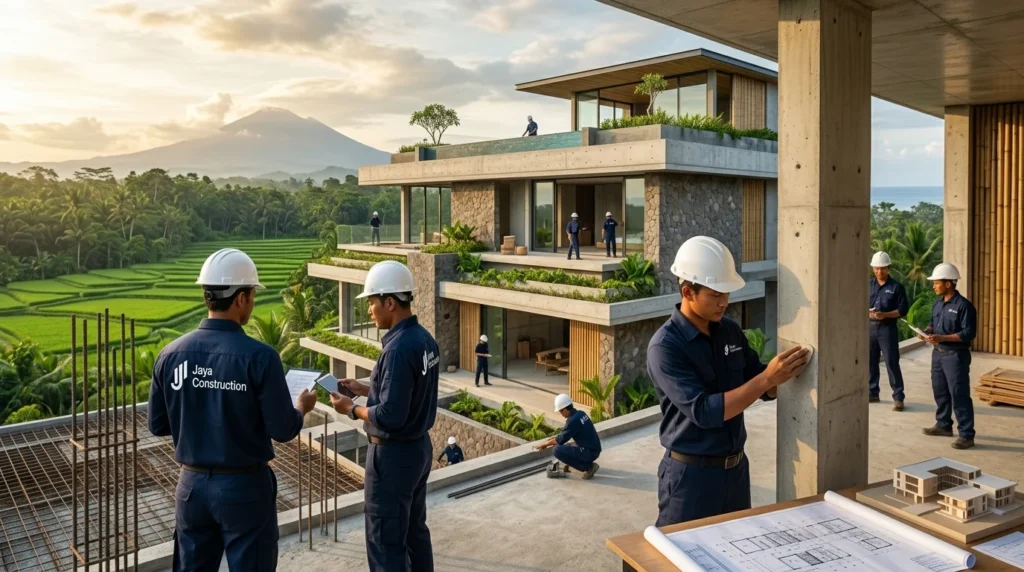
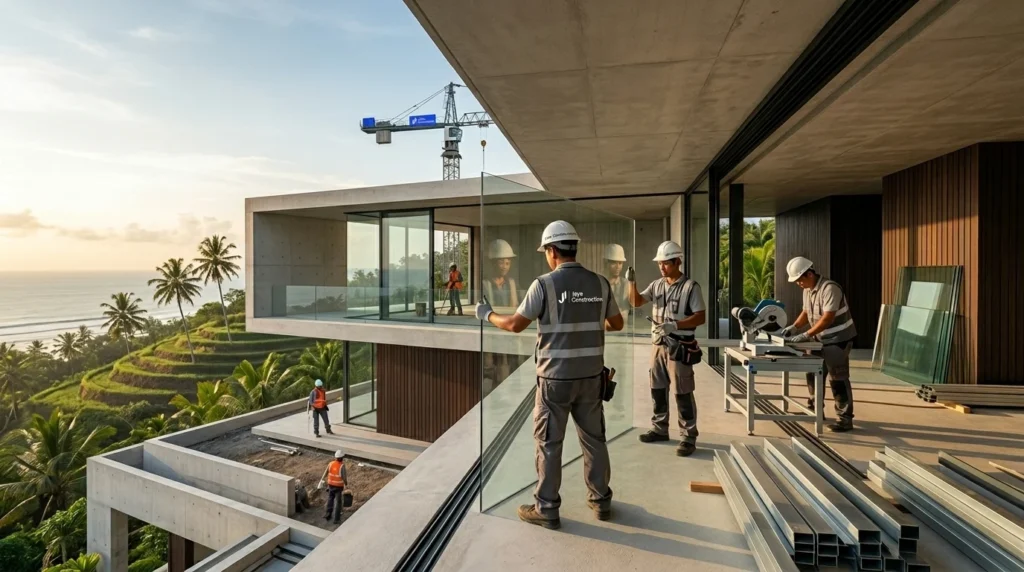
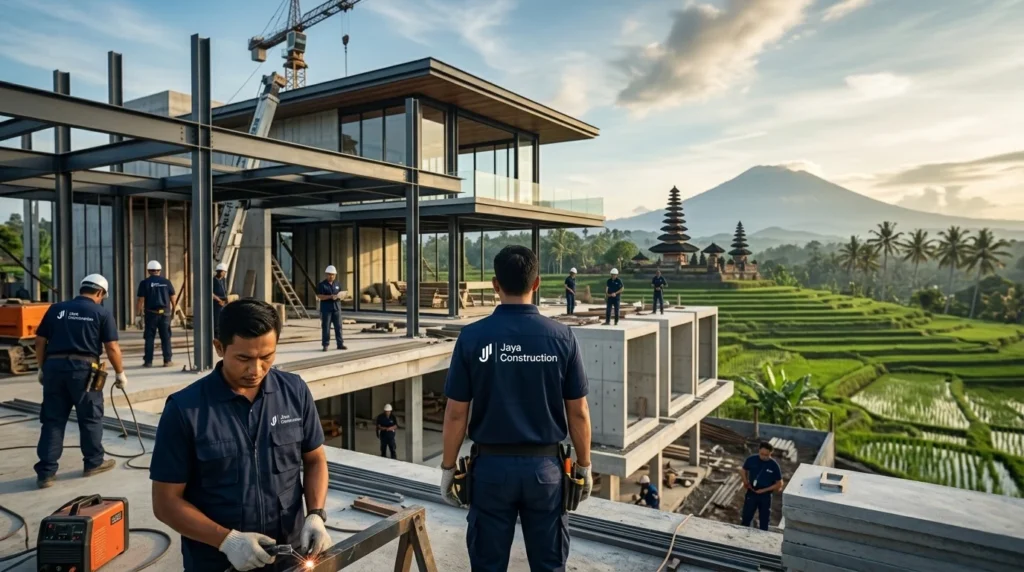
Material selection should prioritize natural, locally sourced options. Bali offers an abundance of beautiful natural materials including volcanic stone, teak wood, bamboo, coconut wood, alang-alang grass for thatching, and locally produced terracotta and ceramic tiles. These materials age beautifully, connect guests to the local environment, and often have lower environmental impact than imported alternatives. Many successful retreats in Bali have made bamboo a centerpiece of their architectural identity, demonstrating that sustainable materials can also be architecturally stunning.
The layout of your retreat should facilitate the guest journey from arrival to departure. Consider the emotional arc of the retreat experience. The arrival experience should signal a transition from the outside world into a different mode of being. Accommodation should feel safe, private, and restorative. Communal spaces should encourage connection without feeling intrusive. Practice spaces for yoga, meditation, and workshops need to be acoustically appropriate and energetically clear. Treatment rooms for bodywork and healing therapies should feel intimate and protected.
Invest in working with architects who have genuine experience in wellness or hospitality design in tropical environments.
—
Embracing Sustainability and Environmental Responsibility
A wellness retreat that harms its natural environment sends a deeply contradictory message to its guests. Sustainability should be woven into every aspect of your retreat’s design and operations, not as a marketing strategy but as a core ethical commitment that aligns with the wellness values you are promoting.
Water management is one of the most critical environmental considerations in Bali. The island faces significant water challenges, with groundwater depletion being a serious concern in popular tourist areas. Your retreat should implement rainwater harvesting systems, greywater recycling for irrigation, and water-efficient fixtures throughout. Some of Bali’s most forward-thinking retreats have achieved near water independence through comprehensive water management systems.
Energy management offers another significant opportunity. Solar power systems have become increasingly affordable and reliable in Bali’s sunny climate. Many retreats combine solar panels with battery storage to significantly reduce their dependence on the grid. Passive cooling design strategies, including natural ventilation, reflective roofing, and strategic shading, can dramatically reduce the need for air conditioning. When air conditioning is necessary, high-efficiency inverter systems minimize energy consumption.
Waste management in Bali has been a growing concern, particularly since the island’s waste infrastructure has struggled to keep pace with tourism growth. Your retreat should implement comprehensive waste separation, composting of organic waste, elimination of single-use plastics, and partnerships with local recycling and waste processing organizations. Consider working with local social enterprises that are developing innovative waste solutions.
Building materials and construction methods should minimize environmental impact. This includes using locally sourced materials to reduce transportation emissions, choosing sustainably harvested timber, avoiding tropical hardwoods from old-growth forests, and exploring innovative building techniques like earth-bag construction, compressed earth blocks, or bamboo laminates. Some retreats have earned international recognition for pioneering sustainable construction techniques in tropical environments.
Beyond environmental sustainability, consider the social sustainability of your operations. This means ensuring that your retreat benefits the local community through fair employment practices, purchasing from local suppliers, contributing to community infrastructure, and respecting cultural traditions. The concept of Tri Hita Karana, which is central to Balinese philosophy, emphasizes harmony between humans and God, humans and nature, and humans with each other. Embracing this philosophy genuinely will enrich both your operations and your guests’ experience.
—
Developing Your Wellness Programs and Offerings
The programs and services you offer are the heart of your retreat and the primary reason guests will choose your destination over the many alternatives available in Bali. Your offerings should flow naturally from your core concept and be delivered by practitioners who are both highly skilled and genuinely aligned with your retreat’s values.
Yoga remains the most popular offering at Balinese wellness retreats, but the depth and quality of yoga instruction varies enormously. If yoga is central to your concept, invest in attracting and retaining exceptional teachers who bring authentic training, diverse expertise, and the ability to work with students across experience levels. Consider offering multiple yoga traditions—Hatha, Vinyasa, Yin, Kundalini, Restorative—to provide guests with a well-rounded experience and to appeal to different preferences.
Meditation and mindfulness programs have seen tremendous growth as mental health awareness increases globally. Offering structured meditation instruction, including breathwork, guided visualization, and silent sitting practices, can differentiate your retreat from competitors who treat meditation as merely an add-on to yoga classes. Consider incorporating both Eastern contemplative traditions and evidence-based Western approaches like Mindfulness-Based Stress Reduction.
Bodywork and healing therapies are a natural complement to movement and meditation practices. Traditional Balinese massage, reflexology, craniosacral therapy, acupuncture, reiki, sound healing, and Ayurvedic treatments can all be incorporated into your offerings. Hiring local Balinese therapists who have trained in traditional healing arts, in addition to any internationally trained practitioners you bring on board, creates an authentic connection to place that many guests deeply value.
Nutritional programs play an increasingly important role in wellness retreats. Whether you offer plant-based cuisine, Ayurvedic nutrition, raw food preparation classes, or detox-focused meal plans, the quality and intentionality of your food service will significantly impact guest satisfaction. Bali’s abundance of fresh tropical produce, organic farms, and skilled culinary professionals makes it possible to offer truly exceptional food experiences. Some retreats have built their entire identity around their culinary program, offering cooking classes, farm-to-table experiences, and personalized nutrition consultations.
Consider also the growing demand for nature-based and adventure wellness experiences. Guided rice terrace walks, volcano sunrise treks, waterfall ceremonies, ocean swims, and jungle hikes can all be designed with wellness intentions, incorporating mindfulness practices, breathwork, and reflective journaling into the outdoor experience.
—
Building Your Team and Operational Infrastructure
The people who work at your retreat will ultimately define the quality of the guest experience. In Bali’s wellness community, finding talented individuals is feasible, but building a cohesive team that shares your vision and maintains consistently high standards requires intentional effort.
Local Balinese staff form the backbone of most successful retreats on the island. Balinese culture places enormous value on service, hospitality, and attention to detail, qualities that are essential in a retreat environment. Investing in thorough training programs for your local team members—covering not only technical skills but also the philosophy behind your retreat’s approach—creates a workforce that can deliver genuinely transformative guest experiences.
For specialist roles such as senior yoga teachers, lead therapists, wellness directors, and program designers, you may need to recruit internationally. Bali’s wellness community includes many internationally experienced professionals who have chosen to live on the island, but attracting top talent requires competitive compensation, quality living arrangements, and a work environment that supports their own well-being and professional development.
Operational systems and technology infrastructure also need careful attention. A reliable property management system, booking platform, guest communication tools, and internal coordination systems are essential for smooth operations. Many retreat management software solutions have been developed specifically for the wellness industry and can streamline everything from program scheduling to guest feedback collection.
—
Marketing Your Wellness Retreat to a Global Audience
Even the most beautifully designed retreat with the most transformative programs will fail without effective marketing. The wellness travel market is competitive, and guests typically research extensively before committing to a retreat, often spending significant sums on their experience.
Your brand identity should communicate your retreat’s unique philosophy, environment, and guest experience with clarity and emotional resonance. Professional photography and videography that captures not just the physical beauty of your property but the emotional quality of the guest experience is essential. Visual content is the single most powerful marketing tool for wellness retreats, and investing in high-quality visual storytelling will yield returns many times over.
A well-designed website serves as your primary marketing asset and should function as both an information resource and an immersive brand experience. The site should clearly communicate your programs, pricing, location, team, and philosophy while making the booking process straightforward and secure. Search engine optimization targeting relevant keywords ensures that potential guests can find you when searching for wellness retreats in Bali.
Social media platforms, particularly Instagram, YouTube, and increasingly TikTok, are powerful channels for reaching wellness-oriented travelers. Sharing authentic content about daily life at your retreat, practitioner spotlights, guest testimonials, and the natural beauty of your surroundings builds a following of potential guests who feel connected to your brand before they ever make a booking.
Partnerships with wellness travel agencies, influencer collaborations, and participation in wellness industry events can also expand your reach. Many successful retreats generate a significant portion of their bookings through relationships with yoga teacher training programs, corporate wellness consultants, and travel advisors who specialize in wellness tourism.
Building a strong reputation through genuine guest experiences is the most sustainable marketing strategy available.
—
Financial Planning and Revenue Optimization
The financial aspects of building and operating a wellness retreat in Bali require careful planning and realistic projections. Construction costs in Bali vary significantly based on location, design complexity, material choices, and finish quality. A rough estimate for a well-built, moderately appointed retreat facility might range from $500 to $1,500 per square meter, though bamboo construction can be significantly less expensive while high-end luxury finishes can push costs much higher.
Beyond construction, your startup budget needs to account for land acquisition or lease deposits, legal and licensing fees, furnishing and equipment, pre-opening marketing costs, initial staffing and training expenses, and a working capital reserve sufficient to cover operating costs during the ramp-up period. Most new retreats should plan for at least twelve to eighteen months before reaching profitable occupancy levels.
Revenue optimization involves thoughtful pricing strategies, multiple revenue streams, and careful management of occupancy rates. Many successful retreats generate income not only from accommodation and programs but also from individual day visitors, spa treatments, wellness product sales, practitioner training courses, venue rental for external events, and online content or virtual retreat offerings.
Seasonal fluctuations are a reality in Bali, with peak seasons typically running from April through October. Designing programs and pricing strategies that maintain reasonable occupancy during slower months, perhaps through special promotions, retreat packages for specific demographics, or partnerships with corporate groups, will strengthen your financial position over time.
—
Conclusion: Bringing Your Vision to Life
Building a wellness retreat in Bali is a journey that demands patience, resilience, cultural humility, and unwavering commitment to your core vision. The path from initial concept to thriving retreat operation is long and filled with challenges that test both your business acumen and your personal dedication to the wellness ideals you are promoting.
However, for those who approach this endeavor with integrity and thoroughness, the rewards extend far beyond financial returns. A well-executed wellness retreat in Bali has the power to genuinely transform lives—your guests’ lives, your team members’ lives, and your own life. The island’s extraordinary natural beauty, rich spiritual traditions, and established wellness community provide a foundation that few other locations on earth can match.
The key to success lies in balancing authenticity with professionalism, respecting Balinese culture and environment while bringing your unique vision to life, and never losing sight of the fundamental purpose of your retreat: creating a space where healing, growth, and transformation can unfold naturally. With careful planning, the right team, and a genuine commitment to service, your wellness retreat in Bali can become not just a successful business but a meaningful contribution to the global movement toward conscious, healthful living.
Take the time to do every step right. Bali has been a place of healing for centuries, and it will reward those who honor its gifts with wisdom, respect, and intention.

 By Jaya Construction Bali November 17, 2026
17 min read