Building Eco-Lodges in Bali: A Blueprint for Sustainable and Regenerative Tourism
By Jaya Construction BaliOctober 21, 20268 min read
In this article
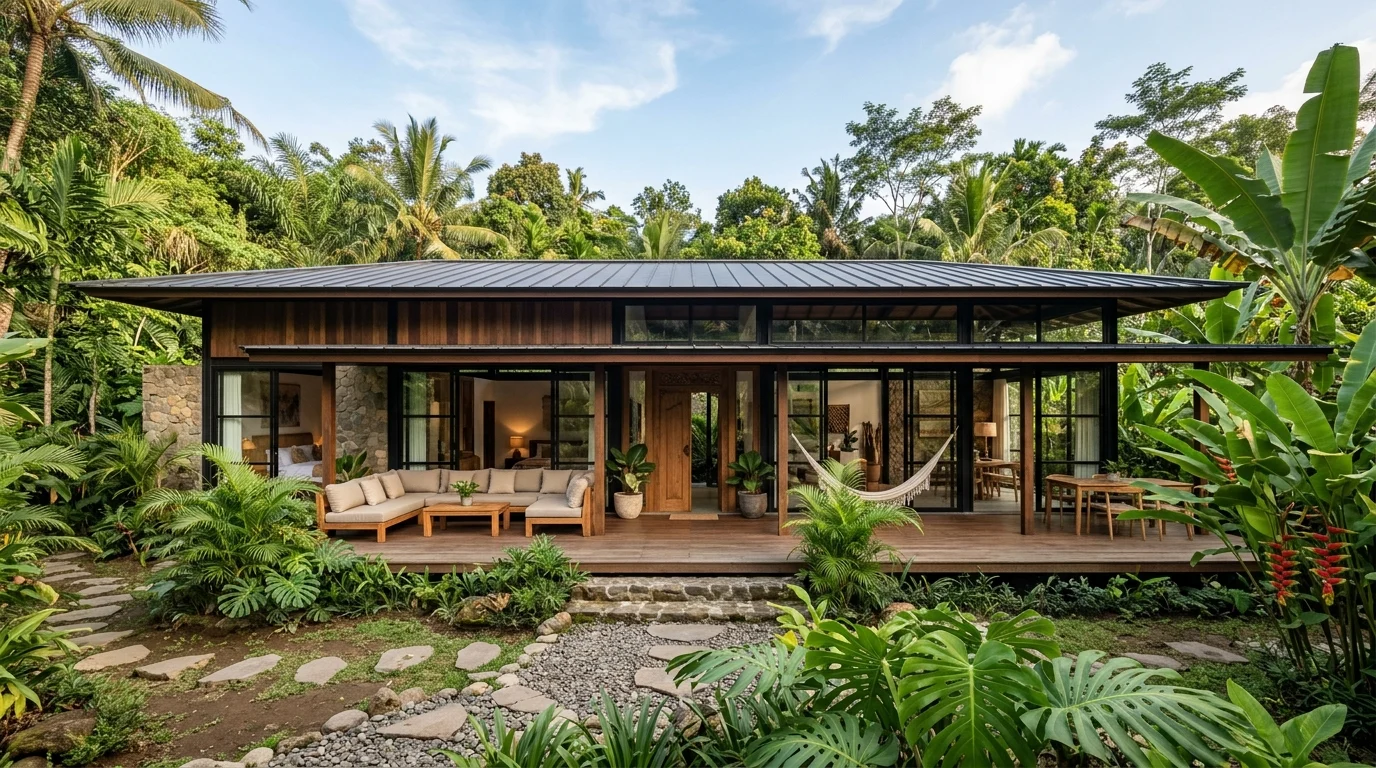
Bali, the famed “Island of the Gods,” has long captivated the global imagination with its stunning landscapes, vibrant Hindu culture, and warm hospitality. However, the island’s tourism boom has brought significant environmental and social pressures, from water scarcity and waste management issues to cultural commodification. In response, a new paradigm is emerging—one that seeks to harmonize development with ecological and cultural preservation. The concept of building eco-lodges in Bali represents a profound shift towards sustainable design and regenerative tourism, offering a model for development that gives back more than it takes. This article explores the multifaceted process of creating eco-lodges in Bali, from foundational principles and design considerations to operational challenges and the ultimate goal of fostering a symbiotic relationship with the environment and local communities.
Introduction: Beyond Sustainable to Regenerative
The tourism industry is at a crossroads. Traditional mass tourism models have demonstrably strained Bali’s resources, contributing to traffic congestion, plastic pollution, and the depletion of natural aquifers. Eco-lodges present an alternative vision. They are not merely hotels with a few “green” features; they are immersive environments designed from the ground up with a deep respect for place. The goal transcends sustainability—simply maintaining the status quo—and aims for regeneration. A truly successful eco-lodge in Bali should actively improve its surroundings, enrich the local ecosystem, and strengthen the cultural fabric of its host community. This requires a holistic approach that integrates cutting-edge green technology, ancient Balinese wisdom, and a commitment to authentic, community-centered experiences.
Core Principles of Balinese Eco-Lodge Development
Before any architectural plans are drawn, successful eco-lodge projects in Bali are guided by a set of non-negotiable principles.
1. Cultural Sensitivity and Authentic Integration:
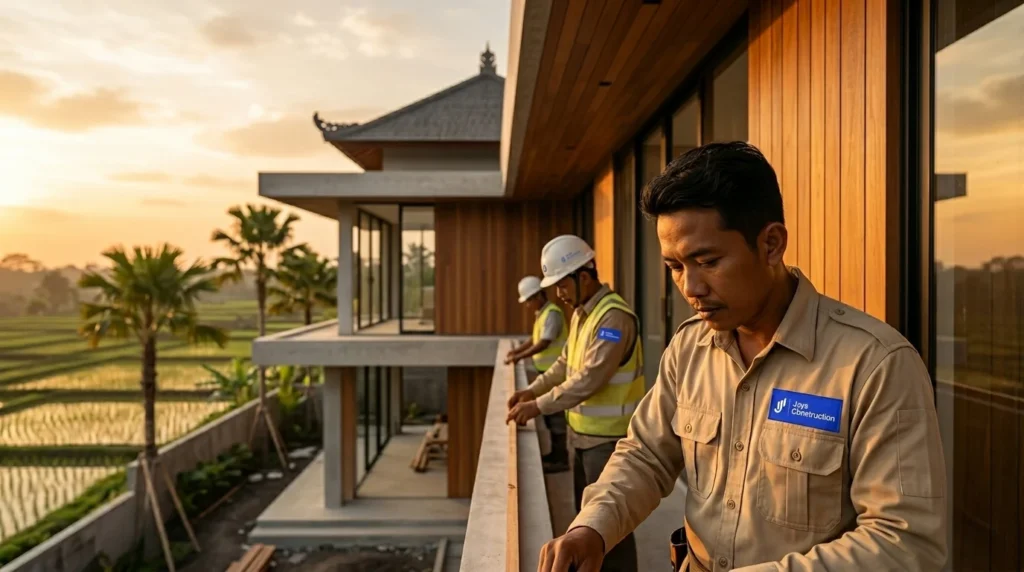
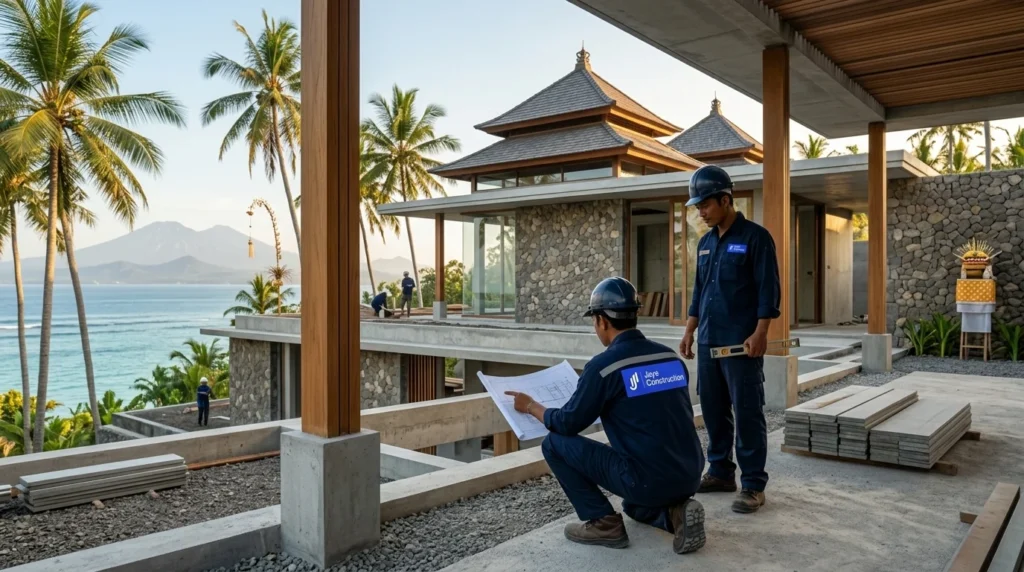
Bali’s culture is not a backdrop for tourism; it is the living heart of the island. Eco-lodges must move beyond superficial aesthetic nods, like placing a single temple ornament in the lobby. True integration involves deep engagement. This means consulting with local village councils (banjar) from the very inception of a project, respecting sacred sites (sad kahyangan), and incorporating local architectural wisdom. Buildings should follow the Balinese concept of spatial organization, often reflecting the human body (Angga Sarira) and fostering a connection between the inner, middle, and outer worlds. Employing local artisans for construction, interior detailing, and daily operations is essential, ensuring economic benefits flow directly to the community.
2. Ecological Stewardship and Net-Positive Impact:
The foundation of any eco-lodge is its minimal ecological footprint, with the ambition to be restorative. This begins with a sensitive site assessment, preferably on already degraded or non-sensitive land, avoiding virgin forests, rice terraces of high cultural value, or critical watersheds. The design must work with the tropical climate, utilizing natural ventilation, passive cooling, and solar orientation to drastically reduce energy needs. Water management is paramount in water-stressed Bali. Systems for rainwater harvesting, greywater recycling for irrigation, and on-site wastewater treatment using constructed wetlands or other natural systems are critical. The aim is to achieve water independence and contribute positively to the local water table.
3. Use of Locally Sourced and Natural Materials:
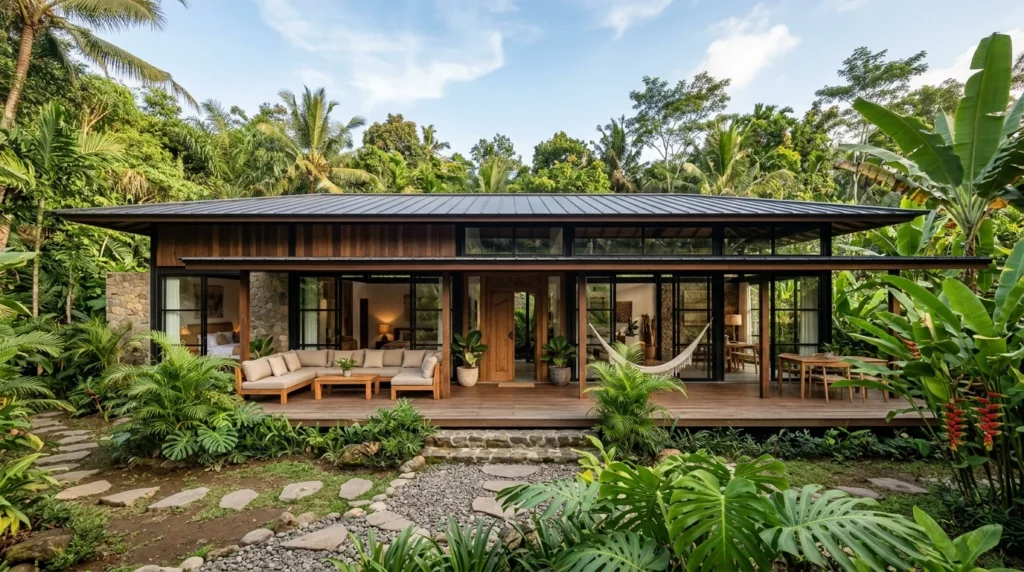
The carbon footprint of construction is slashed by prioritizing materials that are abundant and renewable in Bali. This includes the extensive use of sustainable bamboo—a rapidly renewable resource that sequesters carbon—alang-alang grass for roofing, reclaimed wood, volcanic stone (paras), and earth-based renders. These materials are not only eco-friendly but also connect the structure to its geographical context, creating a natural aesthetic that is inherently Balinese. The philosophy of *Tri Hita Karana*—harmony with God, other people, and nature—can be physically embodied through these material choices.
Design and Architectural Considerations
Translating core principles into physical reality involves thoughtful design strategies that are both ancient and innovative.
Passive Design for the Tropical Climate
Bali’s hot and humid climate demands intelligent design to ensure guest comfort without reliance on energy-intensive air conditioning. Key strategies include:
Maximizing Cross-Ventilation: Open-plan layouts, tall ceilings, and strategically placed windows and vents create constant airflow, channeling the prevailing breezes.
Shading and Insulation: Deep overhanging eaves (ekstensions) protect from rain and intense sun. Green roofs and living walls provide excellent natural insulation, cooling the building and supporting biodiversity.
Orientation: Proper site orientation minimizes solar heat gain on the hottest facades during peak hours.
Material Innovation: The Case for Bamboo
Bali has become a global hub for pioneering bamboo construction. Architects and builders like those at IBUKU and the Green Village have demonstrated that bamboo, particularly the durable Dendrocalamus asper species, can be engineered to create stunning, earthquake-resistant structures. Building with bamboo requires specialized treatment (such as borax-boric acid soaking) to protect against pests and fungi, and unique joining techniques. The result is architecture that is lightweight, flexible, and breathtakingly beautiful, offering a powerful alternative to carbon-intensive steel and concrete.
Water and Waste: Closed-Loop Systems
A hallmark of a true eco-lodge is its approach to water and waste.
Water: Advanced systems often combine deep rainwater collection tanks, membrane filtration for potable use, and sophisticated greywater gardens where wastewater from sinks and showers is naturally filtered through reed beds and used to irrigate lush tropical gardens.
Waste: The goal is a zero-waste operation. This involves comprehensive waste segregation, composting all organic matter (often using black soldier fly larvae to accelerate the process and create animal feed), banning single-use plastics, and partnering with local recycling initiatives. Some lodges even integrate small-scale biogas digesters to convert kitchen waste into cooking energy.
Community Engagement and Economic Model
An eco-lodge cannot exist in a vacuum. Its long-term success and ethical standing depend on genuine community partnership.
Beyond Employment: Co-Creation and Ownership
While providing fair and stable employment is fundamental, the most impactful lodges go further. They involve community members in the design process, seek their input on cultural programming, and create models for shared ownership or profit-sharing. This transforms the relationship from employer-employee to partners in a shared enterprise.
Curating Authentic Cultural Experiences
Instead of staging superficial performances, eco-lodges can facilitate deep cultural immersion. This might include organizing visits to local ceremonies (with respectful guidance and appropriate offerings), supporting community-led workshops in traditional crafts like weaving or wood carving, or offering guided tours by villagers that explain the significance of the surrounding landscape and daily life. The lodge becomes a conduit for authentic exchange, not a spectacle.
Supporting Local Supply Chains
An eco-lodge’s procurement policy is a powerful tool for local economic development. Prioritizing food from local organic farms, sourcing building materials from nearby suppliers, and stocking rooms with products from community cooperatives ensures that a significant portion of the revenue circulates within the local economy.
Operational Sustainability: Living the Philosophy Daily
The commitment to sustainability must extend into every aspect of daily operations.
Energy: Beyond passive design, energy needs should be met with on-site renewable sources, primarily rooftop solar photovoltaic panels. Solar thermal systems for hot water are highly efficient in Bali’s climate. Battery storage can help manage supply and demand.
Food and Beverage: Adopting a farm-to-table philosophy minimizes food miles. Lodges can establish their own permaculture gardens, producing organic vegetables, fruits, and herbs. Menus should highlight local, seasonal produce and reduce meat consumption, favoring plant-based options and sustainably sourced fish.
Guest Education: Eco-lodges have a unique platform to educate guests about sustainability. This can be done through thoughtful interpretive signage about the water system, guided nature walks that explain the local ecosystem, or workshops on Balinese environmental stewardship. The experience should inspire guests to adopt more sustainable practices in their own lives.
Navigating Challenges and the Road Ahead
Building and operating an eco-lodge in Bali is not without significant hurdles.
Regulatory and Land Issues: Bali’s land ownership and zoning laws can be complex for foreign investors. It is absolutely critical to work with reputable local partners and legal counsel to ensure all permits are in order and the project complies with spatial planning regulations (Rencana Tata Ruang). Obtaining environmental permits requires demonstrating a robust sustainability plan.
Cost vs. Return on Investment: Sustainable technologies and materials can have higher upfront costs than conventional methods. However, this must be viewed as a long-term investment. Lower operational costs for energy and water, a growing market of conscious travelers willing to pay a premium for authentic, sustainable experiences, and resilience to future resource scarcity and regulations provide a compelling financial case. The ROI is measured not just in profit, but in resilience and positive impact.
Greenwashing vs. Authenticity: The term “eco” is often misused. Developers must guard against greenwashing by seeking credible third-party certifications, such as the EarthCheck or Green Globe certifications, which provide a transparent framework for measuring and verifying performance. Authenticity will be recognized and rewarded by discerning travelers.
Conclusion: Cultivating a New Legacy for Bali
Building an eco-lodge in Bali is far more than a real estate venture; it is an act of co-creation with one of the world’s most magnificent cultures and ecosystems. It requires patience, humility, and a genuine commitment to partnership with the local community and environment. When done right, the result is a space that offers profound beauty, comfort, and tranquility while actively healing the land and empowering its people.
These lodges become living laboratories for a new form of tourism—one that is regenerative, respectful, and enriching for all parties involved. They prove that development need not be a zero-sum game but can be a positive-sum one, where both visitors and the host community thrive. In the face of global environmental and social challenges, the eco-lodges of Bali offer a tangible and inspiring blueprint for a more harmonious future, demonstrating that luxury and sustainability, when thoughtfully integrated, can create an experience of unparalleled value and meaning. The ultimate legacy of such a project is not a building, but a restored relationship between humanity and the natural world.
 By Jaya Construction Bali October 21, 2026
8 min read