A Blueprint for Paradise: Building a Successful Bed and Breakfast in Bali
By Jaya Construction BaliOctober 13, 20268 min read
In this article
Bali, the fabled Island of the Gods, has long captivated the hearts of travelers with its emerald rice terraces, sacred temples, and vibrant culture. For the entrepreneurially minded, this allure presents a compelling opportunity: building a bed and breakfast (B&B). More than just a business venture, it is a chance to become a steward of Balinese hospitality, creating a home-away-from-home that offers guests an authentic, intimate island experience. However, transforming this dream into a sustainable reality requires far more than just a love for the island. It demands meticulous planning, deep cultural understanding, and a strategic approach to navigating a complex regulatory landscape. This guide provides a comprehensive roadmap for aspiring owners, detailing every critical step from initial concept to welcoming your first guests.
Introduction: The Allure and the Reality of Balinese Hospitality
The romantic vision of owning a B&B in Bali is powerful: waking up to the sound of gamelan, serving tropical fruits to guests on a sun-drenched terrace, and sharing stories under a canopy of stars. The reality, while deeply rewarding, is a significant undertaking. The Indonesian tourism market, particularly in Bali, is both competitive and highly regulated. Success hinges on offering a unique value proposition that goes beyond a simple room for the night. It’s about curating an experience—a slice of Balinese life, whether it’s through architectural design, culinary offerings, or immersive cultural activities.
This journey is not for the faint of heart. It involves navigating bureaucratic processes, understanding local customs (adat), and making a substantial financial investment. However, for those who approach it with respect, diligence, and a long-term vision, building a B&B in Bali can be an incredibly fulfilling way to build a life and a business in one of the world’s most enchanting destinations.
Phase 1: Foundational Planning and Market Research
Before you even look at land, you must build a solid foundation of knowledge and a clear business plan.
Defining Your Niche and Concept: The first step is to define what makes your B&B unique. Will it be a serene wellness retreat focusing on yoga and meditation? A surfer’s haven near the best breaks? A cultural immersion hub offering cooking classes and temple tours? Or a romantic getaway for honeymooners? Your niche will inform every subsequent decision, from location and design to marketing and pricing. Conduct thorough market research. Visit other B&Bs and guesthouses. Analyze their strengths, weaknesses, pricing, and guest reviews on platforms like Airbnb, Booking.com, and TripAdvisor. Identify gaps in the market you can fill.
Location, Location, Location: Your chosen niche directly dictates the ideal location. The bustling beach towns of Seminyak and Canggu cater to a different crowd than the artistic heart of Ubud or the tranquil north in Lovina. Consider:
Accessibility: Proximity to the airport (Ngurah Rai) and main roads.
Surroundings: Views of rice paddies, the ocean, or mountains? The ambiance is part of your product.
Infrastructure: Reliable water, electricity, and internet are non-negotiable.
Zoning: Ensure the land is zoned for tourism or residential-commercial use.
Crafting a Robust Business Plan: This document is your blueprint and is essential for securing financing. It should include:
Executive Summary
Company Description & Unique Selling Proposition (USP)
Phase 2: Navigating the Legal and Regulatory Framework
This is arguably the most complex and critical phase. Ignoring or misunderstanding Indonesian law is the quickest way to fail.
Choosing a Business Entity: As a foreigner, you cannot directly own freehold land (hak milik). The most common and recommended structure is a PT PMA (Penanaman Modal Asing), a foreign-owned limited liability company. This allows you to legally own property and operate a business. The process involves obtaining approval from the Investment Coordinating Board (BKPM) and involves several requirements, including a minimum investment plan (which can be significant).
Understanding Land Titles: You will likely enter a leasehold (hak sewa) agreement for land, typically for 25-30 years with an option to extend. Engaging a reputable notary (notaris) and legal consultant is absolutely essential to ensure the land title is clean, the lease agreement is watertight, and your PT PMA is structured correctly.
Securing the Necessary Licenses: Operating a B&B requires a cascade of permits, including:
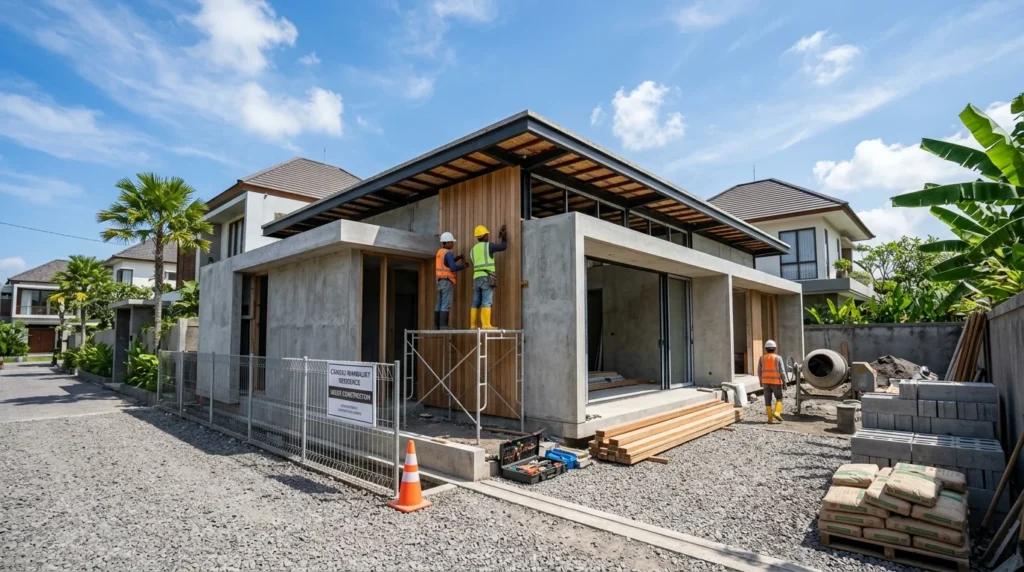
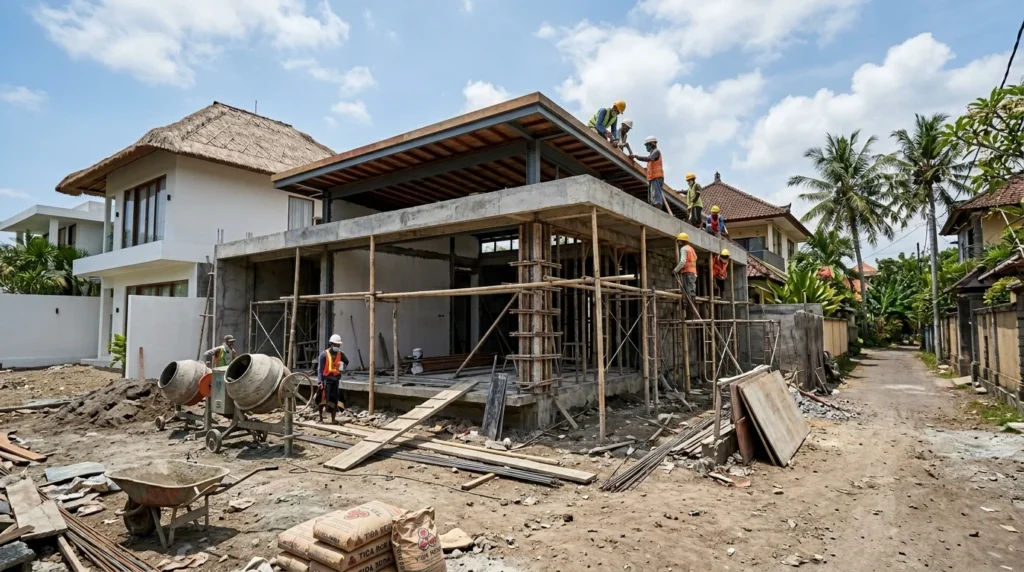
Building Permit (PBG – Persetujuan Bangunan Gedung): Formerly known as IMB.
Environmental Permit (UKL-UPL or AMDAL): Depending on the scale.
Business License (Izin Usaha): From the local village (desa) and regency (kabupaten) level.
Tourism License (TDUP – Tanda Daftar Usaha Pariwisata): Specific to accommodation businesses.
Tax Registration (NPWP): For your company.
The process is notoriously bureaucratic and time-consuming. Hiring a local jasa (service agent) with proven experience in tourism permits can save you immense time, money, and frustration.
Phase 3: Design, Construction, and Cultural Integration
The physical manifestation of your concept requires sensitive and intelligent design.
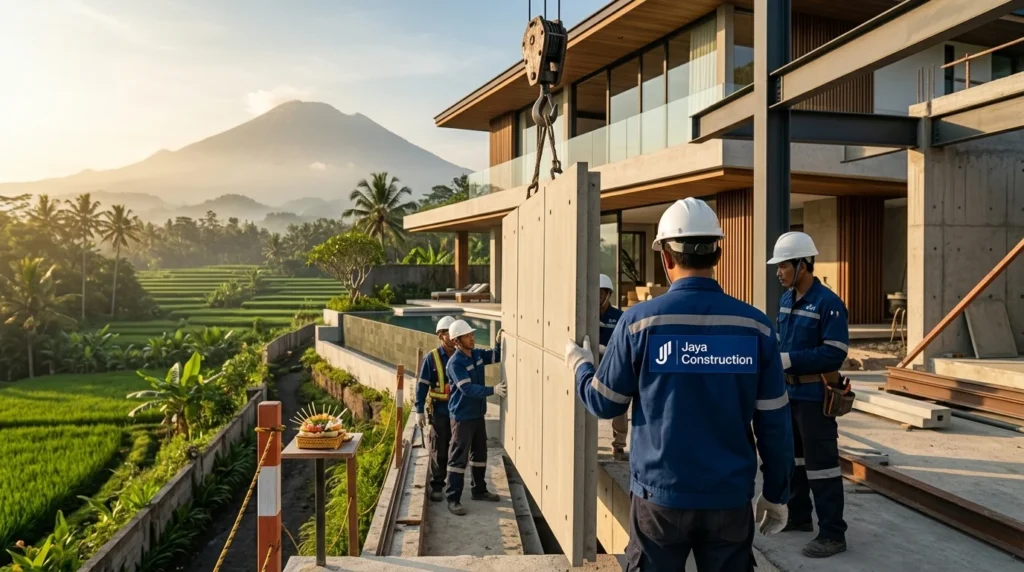
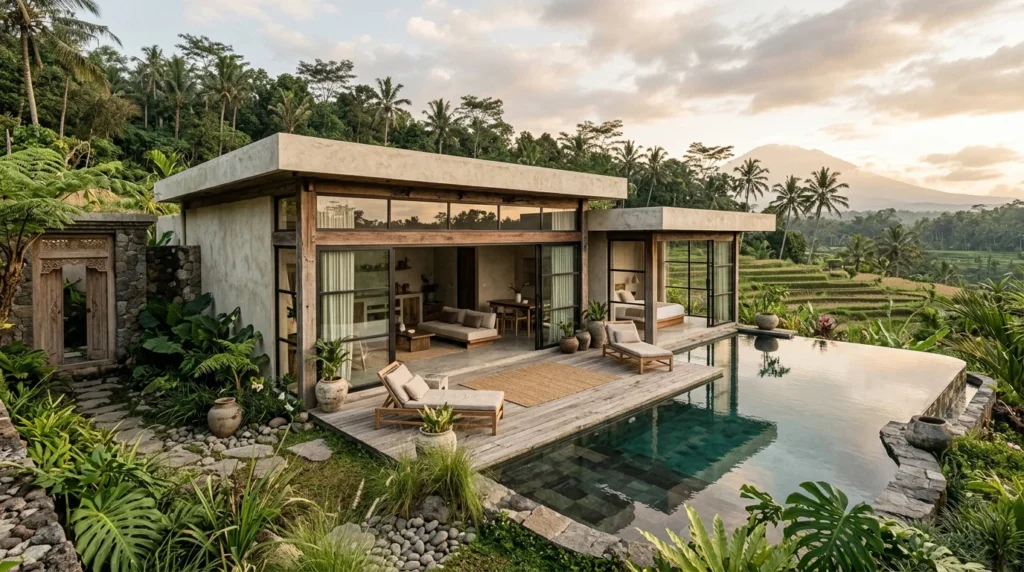
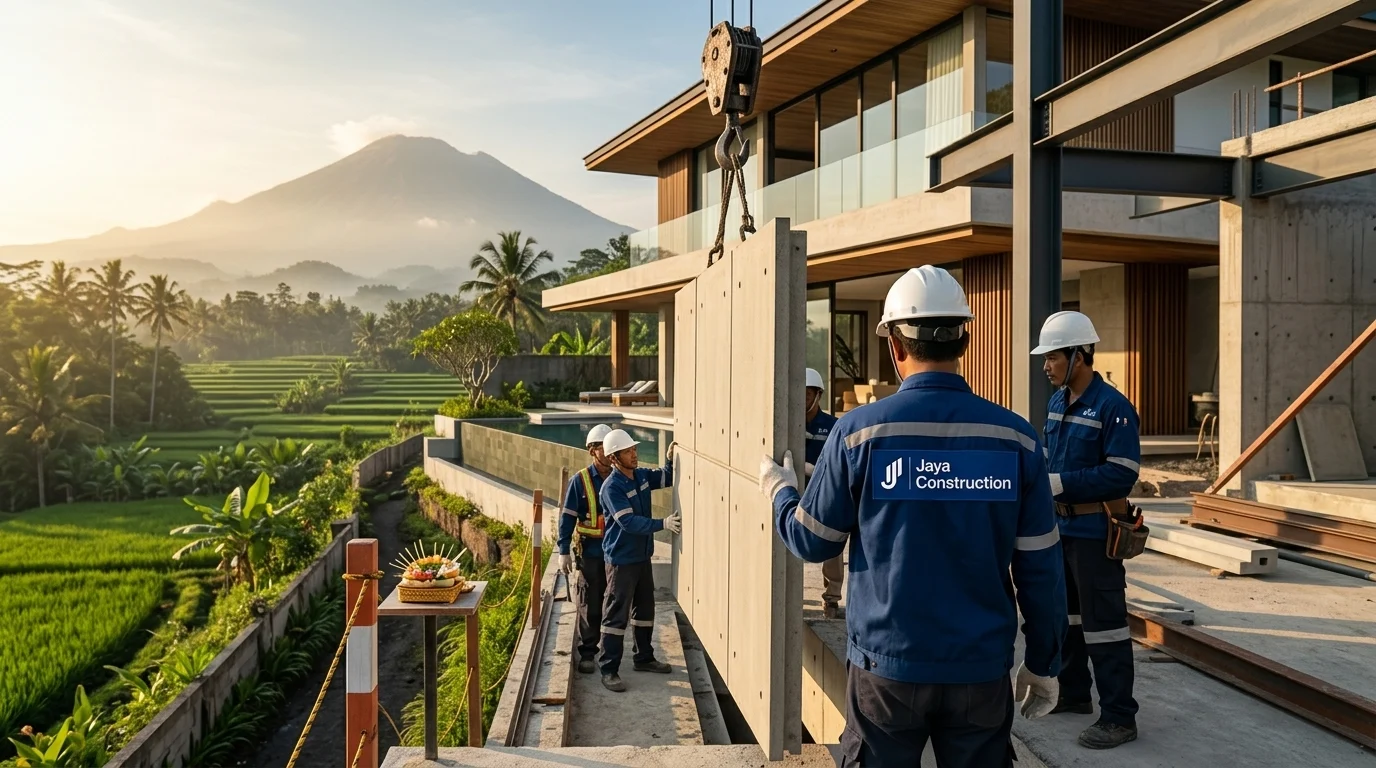
Embracing Balinese Aesthetics and Sustainability: Authenticity is key. Traditional Balinese architecture emphasizes harmony with nature, using materials like alang-alang (grass) thatch for roofs, carved stone, and dark tropical hardwoods. Incorporate open-air pavilions (bale), courtyards, and water features. Prioritize sustainability: utilize solar power for water heating, harvest rainwater, implement effective waste management, and source building materials locally. This is not only ethical but increasingly demanded by eco-conscious travelers.
Layout and Guest Experience: Design for comfort and privacy. Ensure each room has a compelling view, excellent ventilation, and an en-suite bathroom. Common areas are vital for social interaction; a well-designed lounge, a small library, or a communal dining area can foster a sense of community among guests. Landscaping is paramount—lush tropical gardens are a core part of the Bali experience.
The Art of Blending: The most successful B&Bs seamlessly blend modern amenities with Balinese charm. Think high-quality mattresses and linens, strong Wi-Fi, and rain showers alongside handcrafted furniture, local textiles (kain), and original Balinese art. The goal is to provide comfort without sacrificing cultural soul.
Phase 4: Building Your Team and Setting Up Operations
Your staff are the face of your B&B and the key to guest satisfaction.
Recruitment and Training: Hire locally whenever possible. This integrates your business into the community and provides valuable employment. Key roles include a manager (often yourself initially), housekeepers, a cook, and a gardener/pool maintenance person. Invest in thorough training not just for skills (cleaning, cooking, gardening) but also for hospitality philosophy, guest interaction, and basic English communication. Empower your staff to anticipate guest needs and solve small problems independently.
Operational Systems: Implement systems from day one.
Property Management Software (PMS): Tools like Little Hotelier or BedBooking manage bookings, availability, and payments across multiple online travel agencies (OTAs).
Accounting: Use software like Xero or QuickBooks to track all income and expenses meticulously.
Standard Operating Procedures (SOPs): Document everything from check-in/check-out procedures to cleaning checklists and emergency protocols.
Cuisine as a Cornerstone: Food is a major part of the Bali experience. Offer a beautiful breakfast showcasing local ingredients—fresh fruits, nasi goreng, bubur (rice porridge). Consider offering optional in-house dinners featuring authentic Balinese cuisine. Cater to dietary restrictions (vegan, gluten-free). A well-stocked honesty bar for drinks is also a nice touch.
Phase 5: Marketing, Sales, and Cultivating Your Reputation
Building it is only half the battle; you now need to attract guests.
Creating a Magnetic Brand Identity: Develop a clear brand name, logo, and visual style that reflects your B&B’s personality. Tell your story—why you built it, what makes it special. This emotional connection is powerful.
Mastering Digital Presence:
Website: A professional, mobile-friendly website with stunning photography, clear information, and a direct booking engine is your most important sales tool.
Online Travel Agencies (OTAs): Listing on Booking.com, Agoda, Airbnb, and others is essential for visibility, especially when starting out. Be prepared to pay commission (15-25%).
Social Media: Instagram and Facebook are visual platforms perfect for showcasing your property, local experiences, and guest testimonials. Engage with followers and use targeted ads.
The Power of Reviews: In the hospitality industry, your reputation is everything. Encourage satisfied guests to leave reviews on TripAdvisor, Google, and OTAs. Respond professionally and graciously to all reviews, especially negative ones. This shows you care and are committed to improvement.
Building Partnerships: Collaborate with local businesses—tour guides, drivers, spas, restaurants, and shops. Offer to recommend them in exchange for reciprocal recommendations. This network enhances the guest experience and embeds you within the local tourism ecosystem.
Conclusion: More Than a Business—A Balinese Legacy
Building a bed and breakfast in Bali is a profound commitment. It is a journey that tests your patience, creativity, and resilience. The path is strewn with bureaucratic hurdles, unforeseen construction costs, and the daily challenges of management. Yet, for those who persevere, the rewards are unparalleled. It offers a lifestyle immersed in breathtaking beauty and ancient culture. It provides the deep satisfaction of creating a space of joy and relaxation for world travelers. Ultimately, a successful B&B in Bali becomes more than a business; it becomes a living entity, a conduit for cultural exchange, and a legacy of hospitality.
Approach this venture with the reverence it deserves—respect the land, honor the culture, and serve your guests with genuine warmth. By doing so, you will not only build a profitable enterprise but also contribute positively to the island’s tapestry, ensuring that the magic of Bali continues to enchant visitors for generations to come. Your blueprint for paradise awaits; build it with care, respect, and a heart full of Balinese grace.
 By Jaya Construction Bali October 13, 2026
8 min read
By Jaya Construction Bali October 13, 2026
8 min read